 CzechiaCzechia travel guide covering where the country is, its history, culture and food, with…
DESTINATION
Mauritania
A traveller's overview of Mauritania: its Sahara and Atlantic setting, ancient desert towns, Hassaniya culture and a cuisine built around fish, lamb and camel.
📅 Last updated:
🌍 Quick Facts

Mauritania at a glance
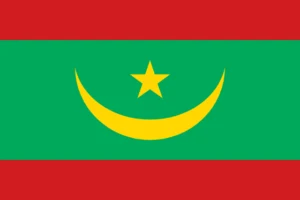
Capital: Nouakchott
Currency: Mauritanian ouguiya (MRU)
Language: Arabic (official); Hassaniya Arabic widely spoken; French common
Population: About 4.9 million (2023 census)
Time zone: UTC+0 (GMT)
Calling code: +222
Internet domain: .mr
Main airport: Nouakchott-Oumtounsy International (NKC)
Best time to visit: November to March
📍 Mauritania Map
🖼️ Mauritania: Location, History, Culture & Food
✨ Complete Travel Guide
Safety Notice. The US State Department rates Mauritania Level 3, “Reconsider travel”, citing terrorism, crime and limited health infrastructure (advisory issued 18 August 2026). The UK FCDO advises against all travel to parts of the country, including eastern Mauritania, where the military has declared restricted zones, and areas within 25 km of the Mali border, including Khabou. These warnings cover specific regions, not the whole country, and boundaries can change, so read the current advice from the US State Department and the UK FCDO before you plan. Sources checked: November 2026.
Where Is Mauritania Located?
Mauritania lies in north-west Africa, on the Atlantic coast, where the Sahara meets the sea. It borders Western Sahara and Algeria to the north, Mali to the east and south-east, and Senegal to the south. At about 1,030,700 square kilometres, it is roughly three times the size of Germany.
Last checked: November 2026
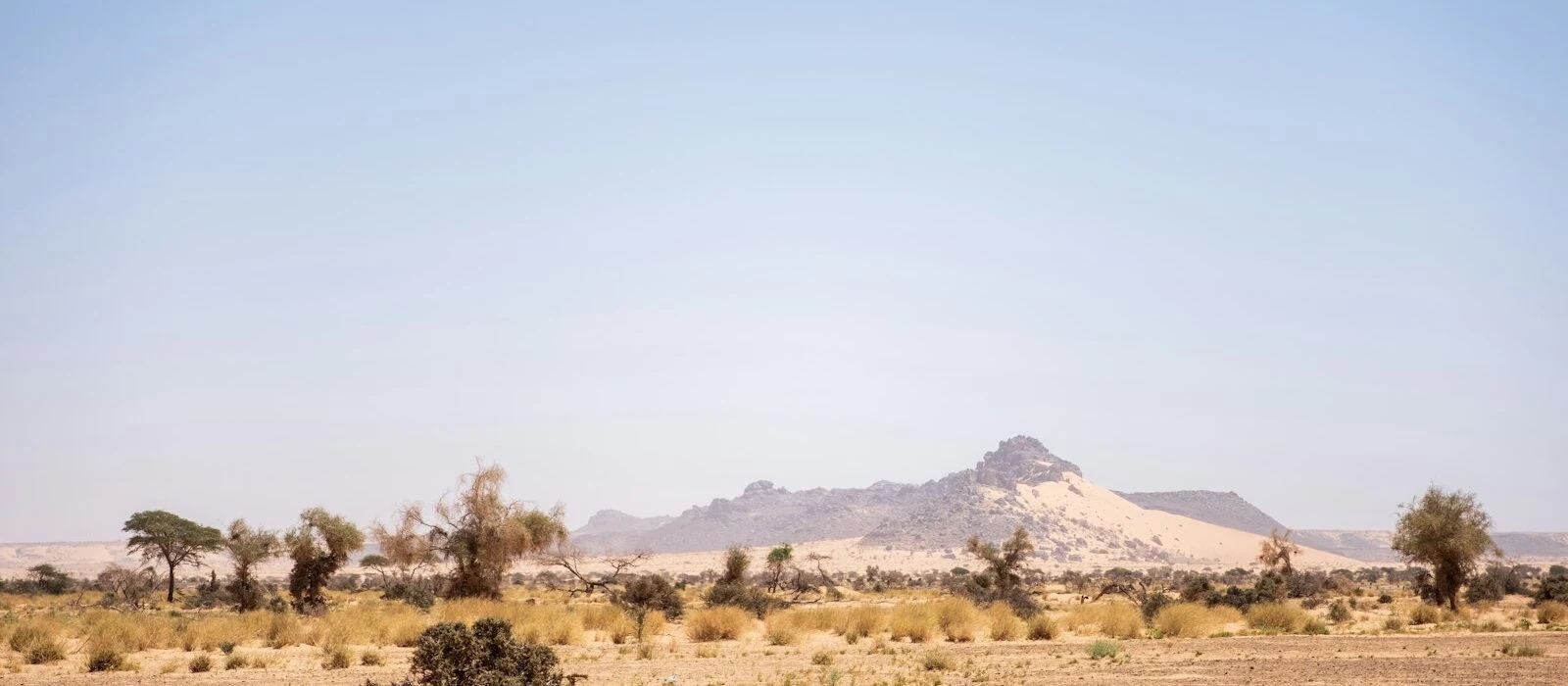
Most of the country is desert or semi-desert, so the landscape changes less by region than by distance from the coast. A long, nearly straight Atlantic shoreline runs for around 750 kilometres, with sand dunes often reaching the water. The capital, Nouakchott, sits on this coast, while Nouadhibou, the second city and main fishing and iron-ore port, lies on the Ras Nouadhibou peninsula in the far north-west.
Inland, the Adrar plateau in the north-centre holds rocky canyons, palm oases and the old caravan towns of Atar, Chinguetti and Ouadane. Further east the terrain flattens into the vast, sparsely inhabited dune and stone plains that stretch toward Mali. The fertile south, along the Senegal River, is the only part of the country with regular farming and a noticeably greener look.
Distances are long and settlements are small and far apart. Many people live in or near Nouakchott and Nouadhibou, and large parts of the interior have only a handful of residents per square kilometre. That emptiness is part of what draws travellers, but it also shapes how every journey here has to be planned.
These distances shape every itinerary. Our guide to the best places to visit in Mauritania shows which areas fit together, and our notes on how to get around Mauritania explain how long the roads and tracks between them can take.
Introduction to Mauritania
Mauritania is a desert republic bridging the Arab-Berber Maghreb and Sub-Saharan West Africa. Its official name is the Islamic Republic of Mauritania, its capital is Nouakchott, and its currency is the ouguiya (MRU). The 2023 census counted 4,927,532 people, most of them living in towns.
Last checked: November 2026
Arabic is the official language, and most people speak Hassaniya, a local Arabic dialect shaped by Berber words. Pulaar, Soninke and Wolof are recognised national languages in the south, and French remains common in business and administration. Islam is the state religion, and everyday life follows its rhythm, from the call to prayer to the fasting month of Ramadan.
The country draws a small number of adventurous visitors rather than mass tourism. Its best-known attractions are not resorts but landscapes and living heritage: the bird-rich coast of Banc d’Arguin National Park, the stone-built desert towns of the Adrar, and the great ring of the Richat Structure, often called the Eye of the Sahara. Mauritania also runs one of the world’s longest freight trains, hauling iron ore from the mines near Zouérat to the coast at Nouadhibou.
Services for visitors are limited outside the main towns, and travel here rewards patience, flexibility and good preparation. Those who come usually find warm, generous hospitality, wide open space and a way of life that has adapted to the desert for centuries.
Entry rules and international connections are covered in separate guides, including Mauritania visa requirements and flights to Mauritania, so this overview can stay focused on the country itself.
History of Mauritania
Mauritania’s history stretches from prehistoric Saharan settlements to the medieval trade routes that carried gold, salt and ideas across the desert. French rule began in the early 1900s, and the country became independent on 28 November 1960. It has been a presidential republic since, with several periods of military rule.
Last checked: November 2026
Thousands of years ago, farming and herding communities built stone-walled settlements along the cliffs of the Tichitt-Oualata region, among the oldest known villages in the Sahara. Later, Berber Sanhaja groups controlled the caravan routes, and the area around Koumbi Saleh in the south-east was linked to the Empire of Ghana. In the eleventh century, the Almoravid movement, which began among Sanhaja peoples, grew into a power that reached Morocco and Spain.
From the fifteenth century, Arab Beni Hassan groups migrated into the region, and their dialect, Hassaniya, spread across the land. At the same time, towns such as Chinguetti became renowned centres of Islamic learning, and their manuscript libraries and role as a gathering point for pilgrims travelling to Mecca earned them a reputation across the Muslim world. Four of these towns, Ouadane, Chinguetti, Tichitt and Oualata, are inscribed together by UNESCO as the Ancient Ksour.
France declared a protectorate in 1903 and made Mauritania part of French West Africa. Nouakchott was chosen as the future capital in 1958 and grew rapidly after independence, especially during the severe droughts of the 1970s and 1980s, when many herders moved to towns. Moktar Ould Daddah led the country at independence until a coup in 1978, followed by further coups in 1984, 2005 and 2008. Mauritania also withdrew from its claim over part of Western Sahara in 1979. Slavery was formally abolished in 1981 and made a criminal offence in 2007, though its legacy remains a live social issue. Mohamed Ould Ghazouani has been president since 2019 and was re-elected in 2024.
Culture and Traditions of Mauritania
Mauritanian culture blends Arab-Berber nomadic heritage with West African influences, held together by Islam and a strong code of hospitality. Poetry, music, tea and scholarship matter as much as food or clothing. Visitors will notice how conversation, generosity and respect for guests shape daily life.
Last checked: November 2026
The most recognisable ritual is attaya, sweet green tea prepared slowly over a small stove and poured from a height into small glasses to create foam. It is traditionally served in three rounds, and sharing it is an invitation to sit and talk, so declining outright can feel abrupt. Meals are often shared from one large platter, eaten with the right hand or a spoon.
Traditional dress is distinctive. Men often wear a flowing, wide-sleeved robe known as a daraa, usually in blue or white, while many women wear the melhfa, a long, brightly coloured cloth wrapped around the body and head. Moorish music is carried by hereditary musicians known as griots, who play instruments such as the tidinit lute and the ardin, a harp-like instrument traditionally played by women, and their songs mix praise poetry with history.
The country’s ethnic and cultural mix includes Arabic-speaking Moors, Haratin, and southern groups such as Halpulaar, Soninke and Wolof. Along the Banc d’Arguin coast, the Imraguen people practise a fishing tradition that has been described as working with wild dolphins to drive mullet toward the nets. Because Islam is the state religion, visitors should dress modestly, avoid public displays of affection, and remember that alcohol and pork are illegal to import or consume.
Ramadan and public holidays change the rhythm of daily life, so they are worth bearing in mind when you choose the best time to visit Mauritania.
Food and Cuisine of Mauritania
Mauritanian cuisine is built on rice, millet, couscous, fish, lamb, goat and camel, shaped by Arab-Berber, West African and French influences. The national dish is thieboudienne, a coastal plate of fish and rice in a tomato-based sauce. Food is generous, hearty and usually shared.
Last checked: November 2026
Thieboudienne, also written ceebu jën, is served on a large tray with vegetables such as carrot, cabbage and sweet potato. Méchoui, a whole roasted lamb or goat, appears at weddings and celebrations, often with flatbread or rice. Couscous is a common evening meal, and al-aïch combines chicken, beans and couscous, while leksour are pancakes served with a meat and vegetable sauce.
Lakh is a sweet millet dish served with curds or yoghurt and, in some versions, grated coconut, and it is popular for breakfast and during Ramadan. Taguella is a traditional flatbread baked under hot sand and embers, a staple of nomadic life. Maafe, a peanut-based stew, shows the link with Senegalese cooking, and harira soup often opens the evening meal when the fast is broken in Ramadan.
The signature drink is zrig, fermented camel or goat milk diluted with water and sweetened, which is refreshing in the heat. Mint tea completes almost every meal and visit. Restaurants in Nouakchott and Nouadhibou serve fresh fish, and travellers who eat with local families will usually taste the most authentic cooking.
If you hope to eat with local families or in guesthouses, our guide on where to stay in Mauritania and the sample Mauritania itineraries show where such meals can fit into a trip.
Explore Mauritania Travel Guides
Explore our detailed guides to plan every part of your Mauritania trip.
Mauritania: Best Places
A guide to Mauritania's standout places, from the Atlantic bird coast to Adrar's desert towns, with suggested time needed and who each...
View Guide ›Mauritania: Best Time to Visit
When to go to Mauritania: the cooler dry months, the heat of late spring, the southern rains and how conditions differ between...
View Guide ›Mauritania: Flights
Which airport to use for Mauritania, which airlines are reported to serve it, how to plan connections and what to check before...
View Guide ›Mauritania: Getting Around
How to move around Mauritania: domestic flights, buses and shared taxis, hired 4x4s, the iron ore train and what to expect on...
View Guide ›Mauritania: Itineraries
Four realistic Mauritania routes of 3, 5, 7 and 10 days, linking Nouakchott, Nouadhibou and the Adrar oases, with pacing and safety...
View Guide ›Mauritania: Visa
Who needs an e-visa for Mauritania, how to apply online, what to carry on arrival and why passport validity and cash payment...
View Guide ›Mauritania: Hotels
How to choose where to stay in Mauritania: Nouakchott for arrivals, Nouadhibou for the coast, and desert guesthouses in Atar, Chinguetti and...
View Guide ›Explore Mauritania Tours
Discover guided tours and adventures in Mauritania. Compare itineraries, prices and traveller reviews on TourRadar before you book.
Guided tours & deals
Affiliate partner · Globe Navo may earn a commission from qualifying bookings at no extra cost to you.
❓ Mauritania FAQ
What is the capital of Mauritania?
Nouakchott is the capital and largest city of Mauritania. It lies on the Atlantic coast, was chosen as the future capital in 1958 and grew rapidly after independence in 1960. Nouadhibou, in the far north-west, is the second city and main fishing and iron-ore port.
What language is spoken in Mauritania?
Arabic is the official language, and most people speak Hassaniya, a local Arabic dialect shaped by Berber words. Pulaar, Soninke and Wolof are recognised national languages in the south, and French remains common in business and administration.
What currency does Mauritania use?
Mauritania uses the ouguiya, abbreviated MRU. Exchange rates and payment options change, so check current figures with your bank or an official source before you travel, and do not rely on a single way to pay.
What is Mauritania known for?
Mauritania is known for the Sahara, the bird-rich Banc d'Arguin National Park, the Richat Structure and the ancient desert towns of Ouadane, Chinguetti, Tichitt and Oualata. It also runs one of the world's longest freight trains.
What is attaya in Mauritania?
Attaya is sweet green tea prepared slowly over a small stove and poured from a height to create foam. It is traditionally served in three rounds, and sharing it is an invitation to sit, talk and enjoy Mauritanian hospitality.
Plan Your Trip to Mauritania
Your Next Adventure in Mauritania Awaits!
Explore Deals →🎁 Best deals for Mauritania
Offers from trusted travel stores for your Mauritania trip. Compare a few options before you book, and check each store's terms for the final price.
Browse by type: Hotel deals · Flight deals · Travel eSIM · Car rental
More destinations to explore
CzechiaCzechia travel guide covering where the country is, its history, culture and food, with…
 ArmeniaArmenia travel guide covering where the country is, its history, culture and food, plus…
 EthiopiaEthiopia is a landlocked country in the Horn of Africa, known for ancient heritage,…