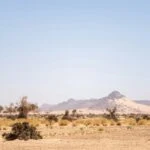
Quick answer. The best time to visit Mauritania is the cooler, dry period from November to March, when days are warm rather than scorching and desert travel is more comfortable. May to September is hot, with temperatures into the 40s Celsius inland and rains in the south from July. The best month depends on whether you are on the coast or in the desert.
Last checked: November 2026
Why Timing Matters in Mauritania
Most of Mauritania is desert, so the main question is heat rather than rain. The north has a steady desert climate all year, while the south lies within the West African monsoon zone and gets a short wet season. The Atlantic coast, including Nouakchott, is moderated by trade winds, which makes it milder than the interior but also windy and dusty at times.
Because services outside the towns are limited, extreme heat is more than an inconvenience. Long drives with few shaded stops, basic accommodation and unreliable air conditioning can make summer travel harder than the temperature suggests. Weather sources differ on exact figures, so the values below are ranges from published climate guides rather than official measurements.
The Seasons at a Glance
Cool and dry: November to March
This is the standard recommendation. Travel guides describe warm days, cooler nights and almost no rain, with daytime temperatures often between the low 20s and about 30 degrees Celsius. In January, climate data for Nouakchott show highs around 28 degrees and lows around 16. Nights in the Adrar and other desert areas can be much colder, so pack warm layers for evenings and for early starts.
Windy and variable: March and April
Deserts are often cooler and windier at this time, with a higher chance of blowing sand. Some travellers like the milder days, but visibility can drop on windy days, which affects photography and long drives.
Hot and dry: May and June
These are among the hottest months, with temperatures reaching the 40s in some areas and winds that can raise sandstorms. Desert excursions are not advisable in this period, and coastal Nouakchott is more comfortable than the interior.
Rainy season in the south: July to September
Rain arrives mainly in the south, and the capital receives only a small share. Storms can still cause local flooding in Nouakchott, where drainage is limited, and some tracks become hard to use. Humidity is higher and the heat remains strong.
Transition: October
October is still warm and sometimes humid on the coast, and some climate scoring sites rate it as the least comfortable month for Nouakchott. By November conditions are usually settling into the cooler pattern.
Month-by-Month Conditions
- January: the most comfortable month on the coast, dry and sunny, with chilly nights inland.
- February: similar to January, with clear skies and a good window for the Adrar.
- March: warmer, with winds and some dust in the desert.
- April: getting hotter, with windy days and a higher chance of dust.
- May: hot across most of the country, so keep plans flexible.
- June: very hot inland, with the first signs of southern rain late in the month.
- July: rain begins in the south, with humid heat on the coast.
- August: the wettest period in the south, with a flooding risk in places.
- September: still hot and humid, with the rains easing by the end of the month.
- October: warm, with a few lingering showers in the south.
- November: cooler air arrives, which is a good start to the travel season.
- December: cool, dry and pleasant for most routes.
Regional Climate Differences
The coast around Nouakchott and Nouadhibou stays milder and breezier, and sea mist can appear. The Adrar plateau has hot days and cold winter nights, and midwinter mornings can approach near-freezing in places according to some guides. The far north and east are the driest and most exposed, and many areas there are subject to official warnings. The south along the Senegal River is greener and gets the heaviest rain, so July to September can make roads there slow.
When planning a mixed route, base the date on the hardest region. A winter trip suits the coast and the Adrar together, while a summer trip is best kept to coastal stays.
Festivals, Holidays and Ramadan
Independence Day is on 28 November and is a public holiday. Islamic holidays follow the lunar calendar and move about eleven days earlier each year, so check dates before you book. Ramadan in 2027 is expected to begin around early February, though the exact day depends on moon sighting. During Ramadan, many cafes and restaurants close in the daytime, daily rhythms shift toward the evening and long journeys are harder to arrange, although visitors are still welcome. Eid celebrations that follow can mean busy roads and closed shops for a few days.
No specific tourist festival dates were verified for this guide, so confirm any event with a local operator rather than planning a trip around a rumoured date.
Peak and Low Seasons
Mauritania has little mass tourism, so crowds are rarely a concern. Demand for tours and 4×4 drivers is highest from November to March, and good drivers can be booked in advance during these months. The low season from May to September has more room and lower availability of services, because some operators pause desert trips in the heat.
Best Season by Travel Style
- Desert and Adrar touring: November to February, with warm clothes for nights.
- Birdwatching at Banc d’Arguin: winter, when migratory birds are present in large numbers, though exact peaks vary by species.
- Coastal stays and kitesurfing: windier periods can suit wind sports, but check local operators for conditions.
- Iron ore train journey: the cooler months, because the ride is exposed and cold at night.
- Budget travel: low season has fewer visitors but harder conditions.
What to Pack
Bring lightweight cotton or linen for the day, a warm layer for desert nights, a scarf or headcover for sun and dust, sunglasses, sunscreen and a refillable water bottle. Modest clothing is expected for both men and women. In the rainy season add a light waterproof jacket and quick-dry footwear. Always confirm current safety advice on the UK FCDO page and the US State Department advisory before travelling.
Frequently Asked Questions
What is the best month to visit Mauritania?
January and February are often cited as the most comfortable months, with warm days, dry weather and cool nights. November, December and March can also work well, depending on your region and travel style.
Is Mauritania too hot in summer?
Between May and September, inland temperatures can pass 40 degrees Celsius, and the south sees rain from July. Desert excursions are not recommended in the hottest weeks. Coastal areas are milder but still hot and humid.
Does it rain in Mauritania?
Rain is rare in most of the country. The southern regions receive a short wet season from July to September, and storms can cause flooding in Nouakchott. The Sahara interior gets very little rainfall in any month.
When should I avoid travelling?
Avoid May to September for desert travel because of extreme heat, and avoid the wettest weeks in the south if you plan to drive. Ramadan does not stop travel, but plan around limited daytime food options.
Related Guides
Pair this timing advice with the Mauritania travel guide, the Mauritania visa guide, ideas for the best places to visit in Mauritania, sample Mauritania itineraries, where to stay in Mauritania, flights to Mauritania and how to get around Mauritania.