 Andorra
DESTINATION
Turkey
Our Turkey travel guide covers visas, costs, the best time to visit, top places from Istanbul to Cappadocia, transport, where to stay and what to eat.
📅 Last updated:
Turkey: Hotels · Flights · Visa Guide · Deals
🌍 Quick Facts

Turkey at a glance
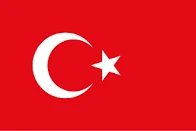
🏛️
Capital: Ankara
💱
Currency: Turkish Lira (TRY)
💬
Language: Turkish
👥
Population: About 85 million
🕒
Time zone: TRT (UTC+3)
📞
Calling code: +90
🌐
Internet domain: .tr
✈️
Main airport: Istanbul Airport (IST)
★
Best time to visit: April to June, September to November
Food
- Kebabs
- Meze
- Pide and Lahmacun
- Turkish Breakfast
- Simit
- Baklava
Places
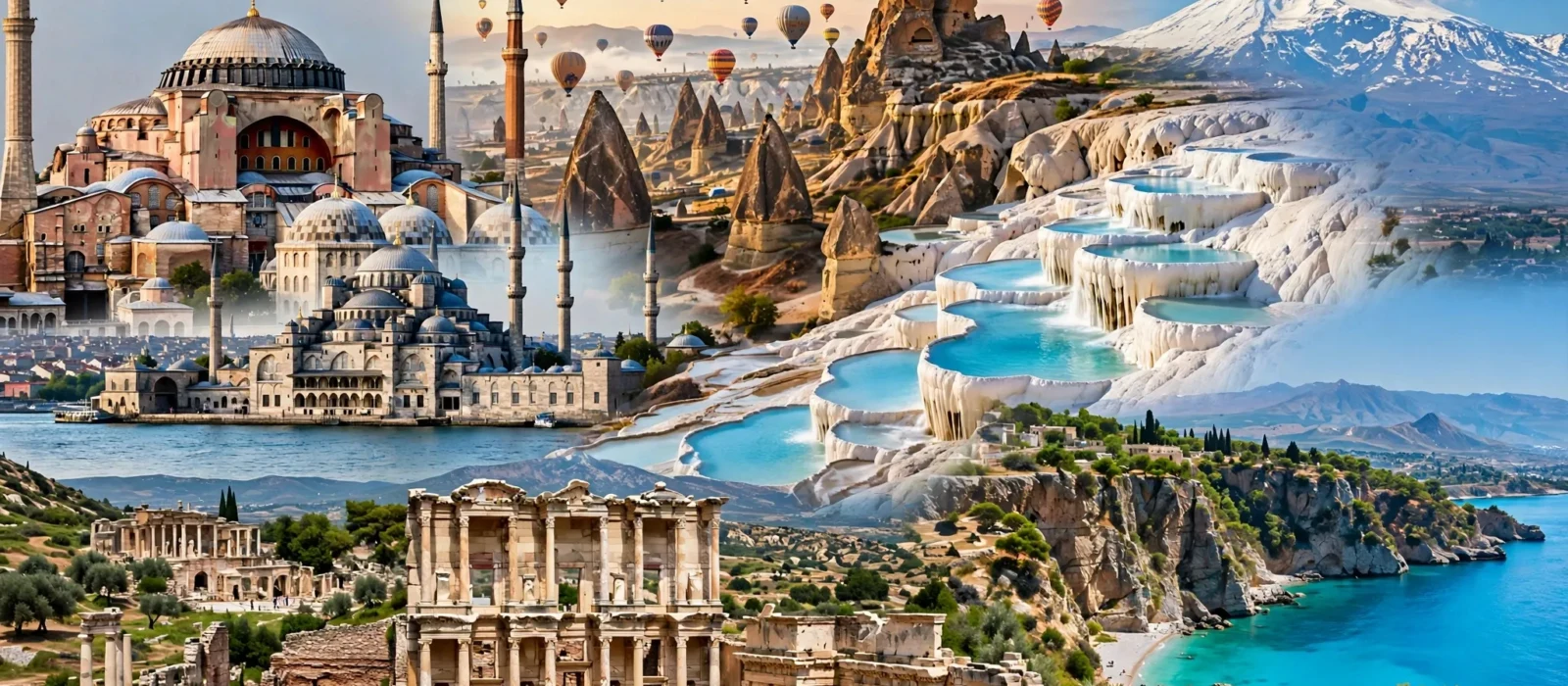
- Hagia Sophia, Istanbul
- Blue Mosque, Istanbul
- Topkapi Palace, Istanbul
- Cappadocia
- Ephesus
- Pamukkale
- Antalya
- Troy
Weather
Turkey has very different climates by region. The Mediterranean and Aegean coasts have hot, dry summers and mild, wet winters. Istanbul is warm in summer and cold and rainy in winter. Central Anatolia and Cappadocia are hot in summer and cold and snowy in winter. The Black Sea coast is green and wet all year. April to June and September to November are the most comfortable seasons for most trips.
Culture
Turkey is a majority-Muslim country with a long tradition of hospitality, and tea is offered everywhere. Dress modestly in mosques, cover your shoulders and knees, take your shoes off at the door, and women should carry a scarf for the head. Greet people with Merhaba, tip about ten percent in restaurants, and bargain politely in bazaars. Insulting Ataturk or the Turkish flag is a criminal offence.
Cities
- Istanbul
- Ankara
- Izmir
- Antalya
- Bursa
- Konya
📍 Turkey Map
📷 Photos of Turkey
Explore Turkey Travel Guides
Explore our detailed guides to plan every part of your Turkey trip.
📍
Turkey: Best Places
The best places to visit in Turkey by type of trip, from Istanbul and Cappadocia to Ephesus, Pamukkale and the Turquoise Coast,...
View Guide › 🌤️Turkey: Best Time to Visit
When to visit Turkey, month by month, with notes on weather by region, balloon season, Ramadan and Eid, and the best months...
View Guide › ✈️Turkey: Flights
Flights to Turkey: main airports, how to get from Istanbul’s two airports to the city, domestic flights, Cappadocia airports and booking tips.
View Guide › 🗺️Turkey: Itineraries
Day-by-day Turkey itineraries for 3 days in Istanbul and for 7, 10 and 14 days across Istanbul, Cappadocia, Ephesus, Pamukkale and the...
View Guide › 🛂Turkey: Visa
Turkey visa guide for every nationality: visa-free stays, who can get the e-Visa, conditional e-Visa rules, passport validity and entry checks.
View Guide › 🛌Turkey: Hotels
Where to stay in Turkey: the best areas in Istanbul, Cappadocia, Antalya and the coast, with hotel types, accommodation tax and booking...
View Guide ›🖼️ Turkey: Location, History, Culture & Food
✨ Complete Travel Guide
Turkey Travel Guide: Where Two Continents Meet
Turkey stretches across two continents. A small part sits in southeastern Europe, and the much larger Anatolian peninsula lies in Asia, with Istanbul straddling the Bosphorus between them. Ankara is the capital, but Istanbul is the city most visitors fall for. Antalya, Izmir, Bodrum and Cappadocia round out the usual list.
The country packs in a lot: Roman and Greek ruins, Byzantine churches, Ottoman mosques, fairy-chimney valleys, turquoise coves on the Mediterranean and snow-covered mountains inland. Food is a highlight in its own right, from simple kebabs and fresh bread to long meze dinners and sweet baklava. This Turkey travel guide covers what you need to plan well, and the pages linked below go deeper on each topic.
A Short History for Your Turkey Travel Guide
People have lived in Anatolia for thousands of years. The Hittites built a powerful empire here, and Troy, near the Dardanelles, features in the old stories of Homer. Greek and Roman cities followed, and you can still walk through the marble streets of Ephesus today.
In 330 AD the Roman emperor Constantine made Byzantium his capital, renamed Constantinople. For over a thousand years it was the heart of the Byzantine Empire, and Hagia Sophia, finished in 537 AD, is its most famous building. In 1453 the Ottomans, led by Sultan Mehmed II, conquered the city. The Ottoman Empire went on to rule large parts of the Middle East, North Africa and the Balkans for centuries.
After the First World War the empire collapsed. Mustafa Kemal Atatürk led the War of Independence, and the Republic of Turkey was proclaimed in 1923. Knowing this makes the mosques, palaces and museums feel far more connected.
Turkey Visa Requirements: Who Needs a Visa?
It depends on your passport, so check yours before you book. Here are the main groups:
- Visa-free for tourism (up to 90 days in any 180): citizens of the United States, United Kingdom, most EU countries, Japan, South Korea and New Zealand, among others.
- Canada and Australia: recent reports disagree about whether a visa is needed, so confirm on the official e-Visa site before you fly.
- India and Pakistan: you can apply for a quick e-Visa online only if you hold a valid visa or residence permit from the Schengen area, the United States, the United Kingdom or Ireland. It is usually a single-entry visa for 30 days. Without one of those documents you must apply for a visa at a Turkish consulate.
The official e-Visa website is evisa.gov.tr. Be careful of lookalike sites that charge extra fees. Your passport should be valid for at least 60 days after your planned departure, and many airlines recommend six months. See our full Turkey visa guide for more.
Top Places to Visit in Turkey
Istanbul. Start in Sultanahmet with Hagia Sophia, the Blue Mosque and Topkapı Palace. Then cross to Galata and Karaköy, browse the Grand Bazaar, and take a ferry on the Bosphorus.
Cappadocia. Fairy chimneys, cave hotels and valleys perfect for walking. Sunrise hot-air balloon flights are the famous splurge.
Ephesus and Selçuk. One of the best-preserved ancient cities in the Mediterranean, with a huge theatre and the Library of Celsus.
Pamukkale. White travertine terraces beside the ancient spa city of Hierapolis.
Antalya and the Turquoise Coast. Beaches, old harbours and Roman ruins, with Kaş, Fethiye and Ölüdeniz nearby for sea and mountain scenery.
Çanakkale, Troy and Gallipoli. History lovers come for the ruins of Troy and the First World War battlefields.
Bodrum and the Aegean coast. Sailing, castle views and relaxed seaside towns.
For more detail on each, read our guide to the best places to visit in Turkey.
Best Time to Visit Turkey
- April to June: warm, green and good for both cities and coast. This is one of the best times to go.
- July and August: hot, often above 35°C on the coast, and busy with beach holidaymakers. Inland sites such as Ephesus can feel exhausting by midday.
- September to November: still warm, with a calmer sea and fewer crowds. Another excellent season.
- December to March: cold and wet in Istanbul, and snowy in central Anatolia and Cappadocia, which can look beautiful. The coast is quiet and many beach hotels close.
Ramadan moves about 11 days earlier each year, and in 2027 it is expected to begin around early February. Daytime restaurants are quieter in some conservative towns, but evenings are lively. See the month-by-month guide.
How Much Does a Trip to Turkey Cost?
Turkey is cheaper than most of Western Europe, but prices have risen sharply in recent years, and foreigners pay more at major sights. These are rough 2026 daily budgets per person without international flights. Treat them as a guide, because inflation and exchange rates move quickly.
- Budget (about 40 to 70 euros a day): a hostel or simple hotel, local lokanta meals, public transport and mostly free sights.
- Mid-range (about 90 to 150 euros a day): a comfortable hotel, restaurant meals, a few paid sights and the occasional taxi.
- Comfortable (170 euros a day and up): boutique or cave hotels, better restaurants and guided experiences.
Typical prices: Hagia Sophia costs about 25 euros for foreign visitors. A sunrise balloon flight in Cappadocia is roughly 150 to 250 euros per person, depending on the season and operator. A tap on an Istanbulkart cost about 42 lira in early 2026, with cheaper transfers within two hours. Many entry fees for foreigners are quoted in euros, so you usually pay by card. Compare flights, hotels and travel eSIMs in the deals section below.
Getting Around Turkey: Transportation
In Istanbul: Use an Istanbulkart on the metro, tram, ferries and buses. The Marmaray rail tunnel crosses under the Bosphorus, and ferries are the nicest way to switch continents. Traffic is heavy, so avoid taxis at rush hour.
Between cities: Long-distance buses are comfortable and widely used. High-speed YHT trains link Istanbul, Ankara and Konya. Domestic flights are often good value for long distances, such as Istanbul to Cappadocia, Antalya or Izmir.
By car: Renting a car suits the Aegean and Turquoise coasts, but not Istanbul. Driving in the big cities is stressful, and parking is hard.
For airports and booking tips, read flights to Turkey.
Where to Stay in Turkey
In Istanbul, Sultanahmet puts you next to the big sights, Karaköy and Galata are stylish, Beyoğlu and Taksim are lively at night, and Kadıköy on the Asian side feels local. In Cappadocia, Göreme is the classic base for cave hotels. In Antalya, the old town of Kaleiçi is atmospheric, and resorts line the coast outside the city.
Book balloon flights, cave hotels in high season and Istanbul hotels in spring and autumn early. Our where to stay guide explains the areas and prices.
Best Food in Turkey: What to Eat
- Kebabs: from Adana and İskender to simple döner wraps.
- Meze: small plates to share, many of them vegetarian.
- Pide and lahmacun: Turkish flatbreads topped with cheese, meat or herbs.
- Breakfast: a spread of cheese, olives, eggs, tomatoes, honey and fresh bread, with plenty of tea.
- Street food: simit (sesame bread rings), roasted chestnuts, balık ekmek (fish sandwich) by the water.
- Sweets: baklava, Turkish delight, künefe and Turkish coffee.
Halal and dietary needs: Turkey is a majority-Muslim country, and most meat is halal. Pork is rare. Alcohol is sold in licensed restaurants and shops, so check the menu if you avoid it. Vegetarian options are easy to find, especially in meze restaurants.
Things to Avoid in Turkey: Safety, Scams and Etiquette
- Don’t follow a friendly stranger to a bar or restaurant you did not choose. A well-known Istanbul scam leaves tourists with huge bills.
- Don’t accept a shoe-shine when the brush “drops” in front of you. It is a common trick to start a conversation and ask for money.
- Don’t buy a carpet or leather jacket under pressure without comparing prices.
- Don’t drink the tap water in most places. Bottled water is cheap.
- Don’t enter a mosque in shorts or without covering your shoulders, and take your shoes off. Women should carry a scarf for the head.
- Don’t insult Atatürk or the Turkish flag. It is a criminal offence.
- Don’t photograph military buildings, and avoid political demonstrations.
- Don’t ignore your government’s advice about areas close to the Syrian and Iraqi borders, which several governments advise against visiting.
Turkey is an earthquake zone. Your hotel should show you where the exits are. For emergencies, call 112.
Explore Turkey in More Detail
Go deeper with our guides to Turkey visas, the best places to visit, the best time to visit, itineraries, where to stay and flights.
Related Destinations
Looking for another Mediterranean destination? Many travelers also explore Italy or France.
Italy Travel Guide · France · All Destinations
ghts.
Explore Hotels & Flights
Search accommodation and flights for your destination with Expedia. Compare available options and continue to Expedia to complete your booking.
Affiliate partner · Globe Navo may earn a commission from qualifying bookings at no extra cost to you.
❓ Turkey FAQ
Do I need a visa for Turkey?
It depends on your passport. Citizens of the US, UK, most EU countries, Japan and South Korea can visit visa-free for up to 90 days in any 180. Indian and Pakistani citizens can get a one-month single-entry e-Visa online only if they hold a valid Schengen, US, UK or Irish visa or residence permit. Others apply at evisa.gov.tr or a Turkish consulate. Always confirm on the official site before you book.
When is the best time to visit Turkey?
April to June and September to November are the best seasons for most trips, with pleasant weather and fewer crowds than July and August. The coast is hottest in midsummer, and central Anatolia and Cappadocia are cold and snowy in winter.
How much does a trip to Turkey cost?
As a rough guide, budget travelers spend about 40 to 70 euros a day, mid-range travelers about 90 to 150 euros, and comfortable travel starts around 170 euros, not counting flights. Prices have risen in recent years, and foreigners pay more at major sights, so check current prices before you go.
How many days do I need in Turkey?
Three to four days is enough for Istanbul alone. A week lets you add Cappadocia, ten days adds Ephesus and Pamukkale, and two weeks lets you add the Turquoise Coast.
Is Turkey safe for tourists?
Tourist areas such as Istanbul, Cappadocia and the coast are visited by millions each year. Watch for petty theft and common scams, and note that Turkey is an earthquake zone. Several governments advise against travel to areas near the Syrian and Iraqi borders, so read your own government advice before you go.
Is food in Turkey halal?
Turkey is a majority-Muslim country, and most meat sold is halal. Pork is rare. Alcohol is sold in licensed restaurants and shops, so check the menu if you avoid it. Vegetarian meze and breakfast dishes are easy to find.
What currency is used in Turkey?
The currency is the Turkish lira (TRY). Cards are widely accepted in cities and tourist areas, and many major attractions quote foreigner prices in euros. Carry some lira for small shops, markets and public transport, and check the exchange rate, because it changes quickly.
Plan Your Trip to Turkey
Your Next Adventure in Turkey Awaits!
Explore Deals →🎁 Best deals for Turkey
Offers from trusted travel stores for your Turkey trip. Compare a few options before you book, and check each store's terms for the final price.
Browse by type: Hotel deals · Flight deals · Travel eSIM · Car rental
 KkdayFind current Kkday coupons and deals for tours, attraction tickets, transport and first app orders. See minimum spend, discount caps and exclusions before you book.
Get Coupon View Deal
 eSIMFOXeSIMFOX is a travel eSIM provider offering prepaid mobile data plans for single countries and wider regions, delivered digitally so you can connect as soon as you land.
Get Coupon View Deal
 QuibityQuibity is a travel eSIM provider that lets you buy a mobile data plan online and activate it on your phone, so you can get connected abroad without a physical SIM card.
Get Coupon View Deal
 ExpediaDiscover great deals on hotels, flights, vacation packages, car rentals, and activities with Expedia. Compare travel options and plan your next trip with convenient booking choices.
Get Coupon View Deal
 KlookKlook is a travel activities platform where you can book attraction tickets, tours, day trips, transport passes, airport transfers and local experiences in destinations worldwide.
Get Coupon View Deal
 Trip.comTrip.com is a global online travel platform for flights, hotels, train tickets, airport transfers, attraction tickets and travel packages, available on web and mobile app.
Get Coupon View Deal
 TourRadarTourRadar is an online marketplace for multi-day guided tours, small-group trips and tailor-made journeys offered by independent tour operators around the world.
Get Coupon View Deal