 Brazil
DESTINATION
Italy
Our Italy travel guide covers visas, costs, the best time to visit, top places from Rome to the Amalfi Coast, transport, where to stay and what to eat.
📅 Last updated:
Italy: Hotels · Flights · Visa Guide · Deals
🌍 Quick Facts

Italy at a glance
🏛️
Capital: Rome
💱
Currency: Euro (€)
💬
Language: Italian
👥
Population: About 59 million
🕒
Time zone: CET / CEST (UTC+1 / UTC+2)
📞
Calling code: +39
🌐
Internet domain: .it
✈️
Main airport: Rome Fiumicino (FCO), Milan Malpensa (MXP)
★
Best time to visit: April–June and September–October
Food
- Pizza, pasta, gelato, regional specialties (cacio e pepe, risotto, seafood), espresso and wine
Places
- Rome, Florence, Venice, Amalfi Coast, Milan, Sicily, Tuscany, Cinque Terre
Weather
Mediterranean climate. Hot summers, mild winters in the south; colder and wetter in the north and mountains.
Culture
Ancient Roman heritage, Renaissance art and architecture, opera, fashion, strong regional identities, family and food culture, Catholic traditions and lively local festivals.
Cities
- Rome
- Florence
- Venice
- Milan
- Naples
- Bologna
- Turin
- Palermo
📍 Italy Map
📷 Photos of Italy
Explore Italy Travel Guides
Explore our detailed guides to plan every part of your Italy trip.
📍
Italy: Best Places
The best places to visit in Italy by region and travel style, with how long to spend in each.
View Guide › 🌤️Italy: Best Time to Visit
Italy’s seasons month by month, the best months for sightseeing, beaches and wine, and the events that change prices and crowds.
View Guide › ✈️Italy: Flights
Italy’s main airports, tips for finding a better fare, how to get from the airport into the city, and what to do...
View Guide › 🗺️Italy: Itineraries
Day-by-day Italy itineraries for 5, 7 and 10 days, with train times and tips for linking Rome with other cities.
View Guide › 🛂Italy: Visa
Who needs a Schengen visa for Italy, the 90-day rule, ETIAS update, passport requirements and the documents to prepare.
View Guide › 🛌Italy: Hotels
The best areas to stay in Rome, Florence, Venice and the Amalfi Coast, with hotel types, extra costs and booking tips.
View Guide ›🖼️ Italy: Location, History, Culture & Food
✨ Complete Travel Guide
Last updated: 17 October 2026
Italy is one of the world’s most visited countries, and for good reason. From the canals of Venice and the ruins of Rome to the Amalfi Coast, Tuscany’s rolling hills and the lakes of the north, it offers history, food, art and landscapes that few places can match. This Italy travel guide covers the essentials so you can plan with confidence.
Go deeper on Italy:
- Best Places — Rome, Florence, Venice, Amalfi Coast, Sicily and more
- Best Time to Visit — Month-by-month weather and crowds
- Itineraries — 5, 7 and 10-day trip plans
- Visa Guide — Schengen rules, ETIAS and entry requirements
- Where to Stay — Best areas in Rome, Florence, Venice and the Amalfi Coast
- Flights — Main airports, booking tips and getting into the city
Italy Overview
Italy sits in southern Europe, a peninsula extending into the Mediterranean. It includes the islands of Sicily and Sardinia. The capital is Rome. The country is famous for its ancient Roman heritage, Renaissance art, world-class cuisine, fashion and a huge variety of landscapes — from the Alps in the north to volcanic islands in the south.
Most visitors come for a mix of history, food and scenery. Popular regions include Lazio (Rome), Tuscany, Veneto (Venice), Campania (Amalfi Coast and Naples), Lombardy (Milan and the lakes) and Sicily.
Visa Guide for Italy
Italy is part of the Schengen Area. Rules depend on your passport:
- Visa-free: Citizens of the EU, UK, US, Canada, Australia, Japan and many other countries can enter for short stays (usually up to 90 days in any 180-day period) without a visa. ETIAS, a planned online travel authorisation for visa-exempt visitors, is not yet in operation and has no confirmed start date, so check the official EU site before you travel.
- Schengen visa required: Other nationalities need a short-stay Schengen visa. Apply at the Italian embassy or consulate (or through a visa centre) in your country of residence.
- Passport: Should be valid for at least three months beyond your planned departure from the Schengen Area and have blank pages.
For full details see our Italy Visa Guide.
Best Time to Visit Italy
- April to June and September to October: The best overall months. Pleasant weather, fewer crowds than peak summer, and good conditions for cities and countryside.
- July and August: Hottest and busiest. Many Italians take holidays in August, so some smaller towns and restaurants close. Cities can feel crowded and expensive.
- November to March: Quieter and cheaper, especially in cities. Northern Italy can be cold and foggy; the south is milder. Christmas markets and winter sales are highlights.
See the full month-by-month guide.
Top Places to Visit in Italy
- Rome: Colosseum, Roman Forum, Vatican City (St Peter’s Basilica and the Sistine Chapel), Trevi Fountain and the Pantheon.
- Florence and Tuscany: Renaissance art, the Duomo, Uffizi Gallery, and day trips to Siena, Pisa and the Chianti countryside.
- Venice: Canals, St Mark’s Square, gondolas and the islands of Murano and Burano.
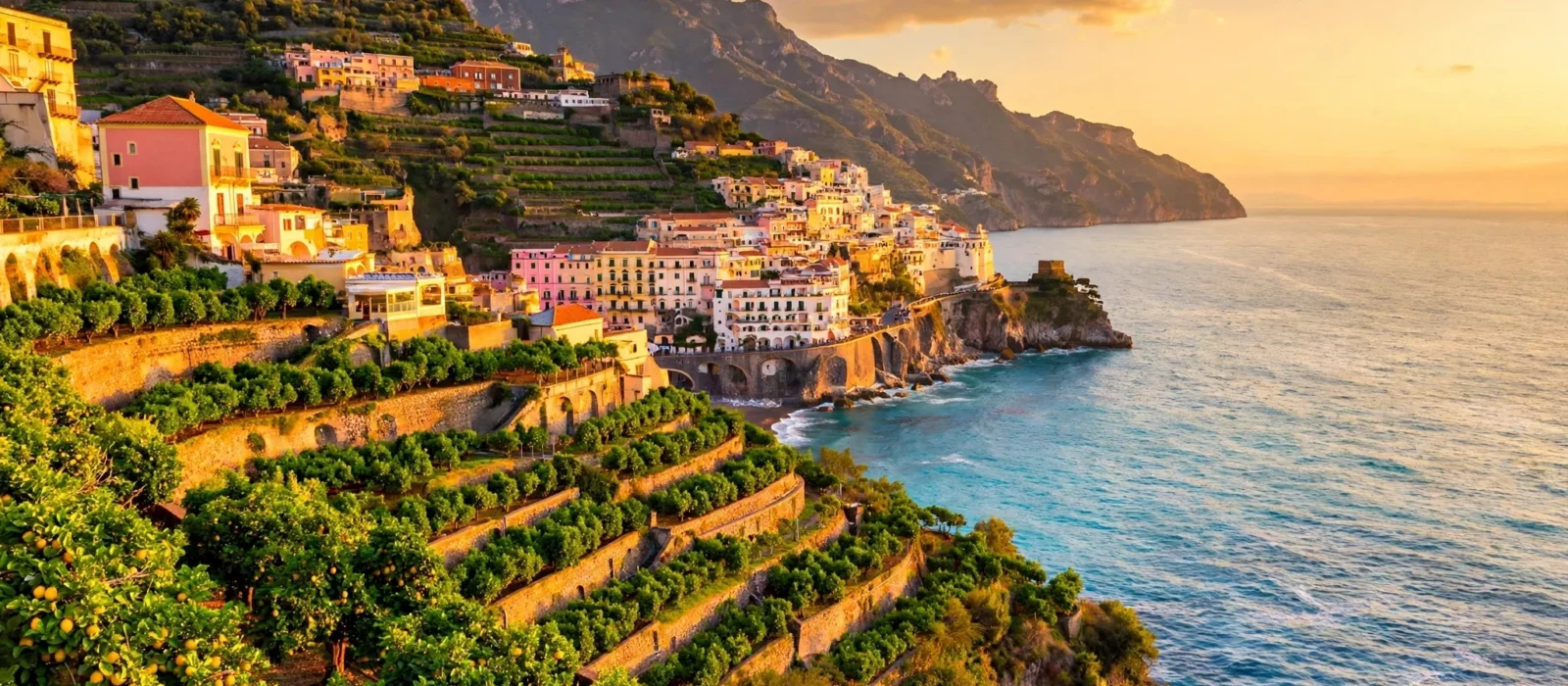
- Amalfi Coast and Naples: Dramatic coastline, Positano, Amalfi, Ravello, and nearby Pompeii and Capri.
- Milan: Fashion, the Duomo, Last Supper, and a base for Lake Como.
- Sicily: Greek temples, Mount Etna, Palermo, Taormina and excellent food.
Read more in our Best Places to Visit in Italy guide.
How Much Does a Trip to Italy Cost?
Costs vary widely by region, season and travel style. Rough daily budgets per person (excluding international flights) in 2026:
- Budget: €70–110 — hostels or simple hotels, street food and trattorias, public transport.
- Mid-range: €150–250 — comfortable hotels, restaurant meals, some paid attractions and trains.
- Luxury: €350+ — high-end hotels, fine dining and private transfers.
Rome, Venice, Florence and the Amalfi Coast are among the more expensive areas. Southern Italy and smaller towns are generally cheaper. Museum tickets, city taxes and train fares add up — book popular attractions in advance.
Getting Around Italy
- Trains: Excellent high-speed network (Frecciarossa, Italo) between major cities. Regional trains are slower but cheaper. Book high-speed tickets early for better prices.
- Buses: Useful for smaller towns and the Amalfi Coast (where trains do not reach every village).
- Cars: Flexible for the countryside and Sicily, but parking and driving in historic centres can be difficult. ZTL (limited traffic) zones are strictly enforced.
- Flights: Domestic flights can save time for long distances (for example Rome to Sicily), but trains are often more convenient for the mainland. See our Flights to Italy guide.
Where to Stay
- Rome: Centro Storico, Trastevere or near the Vatican for first-time visitors.
- Florence: Historic centre for walking access to the main sights.
- Venice: Near a vaporetto stop; San Marco is central but expensive and crowded.
- Amalfi Coast: Positano, Amalfi or Sorrento (the last is a practical base with better transport links).
Full neighbourhood advice is in our Where to Stay in Italy guide.
Food in Italy
Italian cuisine is regional. Highlights include:
- Roman classics: cacio e pepe, carbonara, amatriciana, pizza al taglio.
- Tuscan: ribollita, bistecca alla fiorentina, Chianti wine.
- Neapolitan pizza and seafood on the Amalfi Coast.
- Gelato, espresso and regional wines everywhere.
Look for busy local trattorias and avoid restaurants with photo menus right next to major monuments if you want better value and quality.
Sample 7-Day Italy Itinerary
- Days 1–3: Rome — Ancient sites, Vatican, neighbourhoods and food.
- Days 4–5: Florence — Art, Duomo, and a day in the Tuscan countryside or Pisa/Siena.
- Days 6–7: Venice or the Amalfi Coast, depending on your preference for canals or coastline.
More options (5-day, 10-day and Amalfi-focused) are in our Italy Itineraries guide.
Practical Tips
- Book major attractions (Colosseum, Vatican, Uffizi) online in advance, especially in high season.
- Carry some cash; smaller places may not take cards.
- Learn a few Italian phrases — they are appreciated.
- Be aware of pickpockets in crowded tourist areas and on public transport.
- City taxes are often charged at hotels and paid on arrival or departure.
Related Guides
Explore more destinations: France · Turkey · Dubai · Thailand · Pakistan
Planning a multi-country trip? Italy pairs especially well with France.
Explore Hotels & Flights
Search accommodation and flights for your destination with Expedia. Compare available options and continue to Expedia to complete your booking.
Affiliate partner · Globe Navo may earn a commission from qualifying bookings at no extra cost to you.
❓ Italy FAQ
Do I need a visa for Italy?
Italy is in the Schengen Area. Citizens of the EU, UK, US, Canada, Australia, Japan and many other countries can enter visa-free for up to 90 days in any 180-day period. Other nationalities, including citizens of India and Pakistan, need a Schengen visa. ETIAS, a planned online travel authorisation for visa-exempt visitors, is not yet in operation and has no confirmed start date, so check the official EU site before you travel.
When is the best time to visit Italy?
April to June and September to October are the best months for most travellers, with pleasant weather and fewer crowds than peak summer. July and August are hottest and busiest. Winter is quieter and cheaper, especially in cities.
How much does a trip to Italy cost?
Rough daily budgets per person (excluding flights) in 2026: Budget 70 to 110 euros, Mid-range 150 to 250 euros, Luxury 350 euros and up. Rome, Venice, Florence and the Amalfi Coast are among the more expensive areas. Southern Italy and smaller towns are generally cheaper.
How many days do I need in Italy?
A long weekend is enough for Rome. Five to seven days lets you do Rome and Florence, or Rome and the Amalfi Coast. Ten days is ideal for the classic Rome, Florence and Venice route with a little extra time.
Is Italy safe for tourists?
Italy is generally safe for visitors. Watch for pickpockets in crowded tourist areas and on public transport in Rome, Florence and Venice. Use common sense with valuables and be cautious of common tourist scams near major monuments.
Do I need to tip in restaurants?
A service or cover charge is often added to the bill, so check it first. Leaving a small tip, such as rounding up, is appreciated for good service but is not obligatory like in some other countries.
What is the best way to get around Italy?
High-speed trains (Frecciarossa and Italo) are excellent between major cities. Regional trains and buses cover smaller places. A car is useful for the countryside and Sicily but not for historic city centres, where you should watch for ZTL zones.
Plan Your Trip to Italy
Your Next Adventure in Italy Awaits!
Explore Deals →🎁 Best deals for Italy
Offers from trusted travel stores for your Italy trip. Compare a few options before you book, and check each store's terms for the final price.
Browse by type: Hotel deals · Flight deals · Travel eSIM · Car rental
 KkdayFind current Kkday coupons and deals for tours, attraction tickets, transport and first app orders. See minimum spend, discount caps and exclusions before you book.
Get Coupon View Deal
 eSIMFOXeSIMFOX is a travel eSIM provider offering prepaid mobile data plans for single countries and wider regions, delivered digitally so you can connect as soon as you land.
Get Coupon View Deal
 QuibityQuibity is a travel eSIM provider that lets you buy a mobile data plan online and activate it on your phone, so you can get connected abroad without a physical SIM card.
Get Coupon View Deal
 ExpediaDiscover great deals on hotels, flights, vacation packages, car rentals, and activities with Expedia. Compare travel options and plan your next trip with convenient booking choices.
Get Coupon View Deal
 KlookKlook is a travel activities platform where you can book attraction tickets, tours, day trips, transport passes, airport transfers and local experiences in destinations worldwide.
Get Coupon View Deal
 Trip.comTrip.com is a global online travel platform for flights, hotels, train tickets, airport transfers, attraction tickets and travel packages, available on web and mobile app.
Get Coupon View Deal
 TourRadarTourRadar is an online marketplace for multi-day guided tours, small-group trips and tailor-made journeys offered by independent tour operators around the world.
Get Coupon View Deal