 KiribatiKiribati travel guide covering where Kiribati is, its history, culture and traditions, and its…
DESTINATION
Ghana
Ghana travel guide to its location in West Africa, history, culture and food, from the Cape Coast and Elmina forts to jollof, waakye and kente.
📅 Last updated:
🌍 Quick Facts

Ghana at a glance
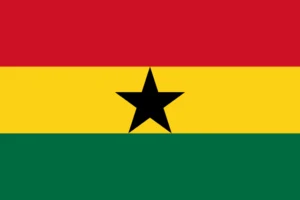
Capital: Accra
Currency: Ghanaian cedi (GHS)
Language: English (official)
Population: About 30.8 million (2021 census)
Time zone: Greenwich Mean Time (UTC+0)
Calling code: +233
Internet domain: .gh
Main airport: Kotoka International Airport (ACC), Accra
Best time to visit: November to March (main dry season in the south)
📍 Ghana Map
🖼️ Ghana: Location, History, Culture & Food
✨ Complete Travel Guide
Safety Notice: The US State Department rates Ghana Level 2 (Exercise Increased Caution) overall, and Level 3 (Reconsider Travel) for the northern border area of the Upper East Region, the Northeast Region, the Upper West Region and areas of the Savannah Region west of the N12 highway, mainly because of crime. The UK FCDO advises against all but essential travel to the Bawku Municipal area in the Upper East Region. These warnings apply to specific areas, not the whole country. Read the latest US travel advisory and UK travel advice before you book. Last checked: November 2026.
Where Is Ghana Located?
Ghana is a country in West Africa, on the northern shore of the Gulf of Guinea. It shares land borders with Côte d’Ivoire to the west, Burkina Faso to the north and Togo to the east, and covers about 238,500 square kilometres. Its capital and largest city, Accra, sits on the Atlantic coast in the southeast.
Last checked: November 2026
Ghana lies only a few degrees north of the Equator, so the climate is tropical. The Greenwich Meridian (0° longitude) runs through the country close to the port city of Tema, and Ghana keeps Greenwich Mean Time all year, with no daylight saving changes.
The coastline faces south, with beaches, lagoons and historic forts stretching west from Accra towards Cape Coast, Elmina and Takoradi. Inland the land is mostly low plains and gentle hills, with rainforest in the south-west and drier savannah towards the north. The highest point is Mount Afadjato in the Volta Region, at roughly 880 metres.
Much of the east is shaped by Lake Volta, created by the Akosombo Dam on the Volta River and widely described as the largest reservoir in the world by surface area. Kumasi, the heart of the Ashanti Region, lies inland, while Tamale is the main city of the north.
To decide where to go first, read our guide to the best places to visit in Ghana, and use the Ghana flights guide to plan your arrival in Accra.
Introduction to Ghana
Ghana is a West African republic of more than 30 million people, known for its stable democracy, warm hospitality and rich heritage. It became independent from Britain on 6 March 1957, the first country in sub-Saharan Africa to do so, and today welcomes visitors with historic coastal forts, rainforest, savannah wildlife parks and a lively capital.
Last checked: November 2026
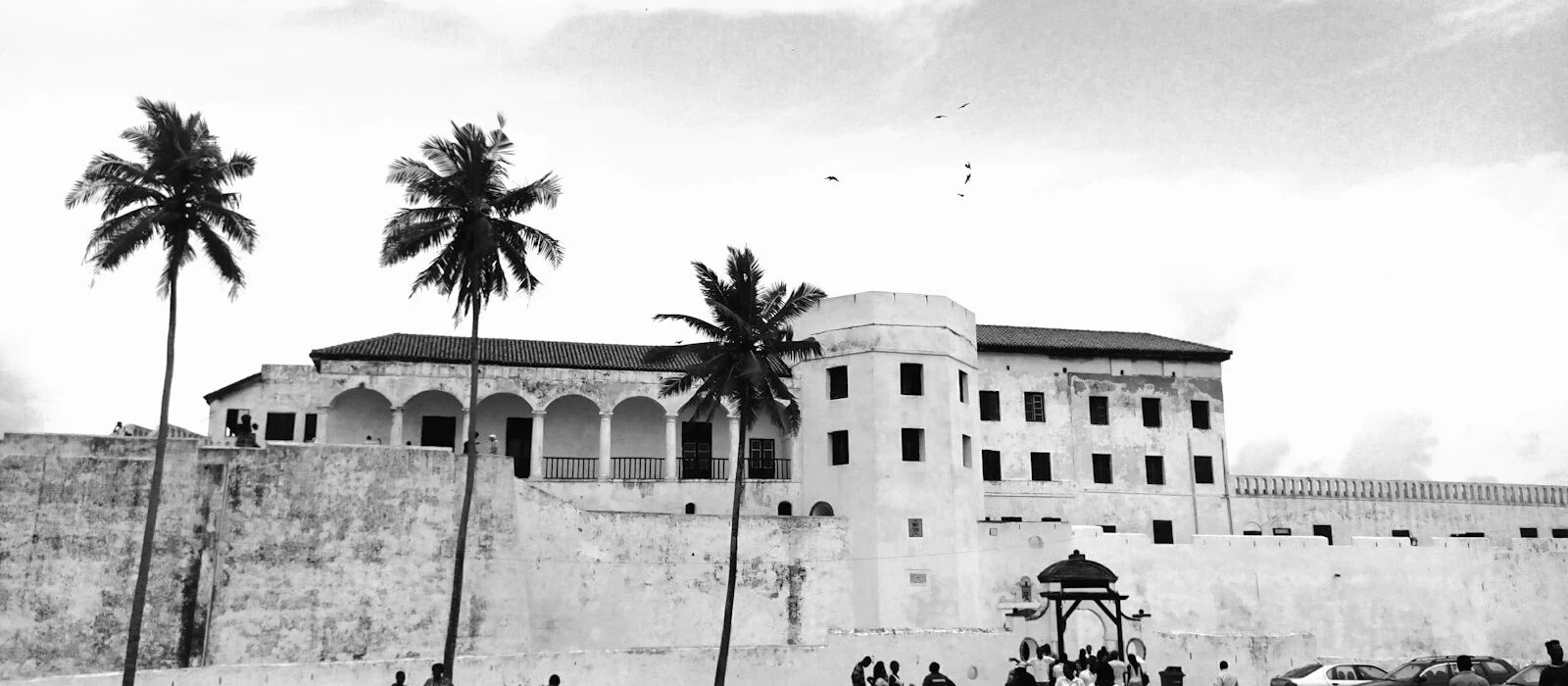
Most visitors begin in Accra, then travel west along the coast to Cape Coast and Elmina, where the historic forts and castles are part of a UNESCO World Heritage property inscribed in 1979. Inland, Kumasi is the cultural centre of the Ashanti Region and the base for visiting the Asante Traditional Buildings, inscribed in 1980. These are Ghana’s two UNESCO World Heritage Sites, and both are cultural.
Beyond the heritage trail, Ghana offers rainforest walks at Kakum National Park, wildlife viewing at Mole National Park in the north, and relaxed beach towns along the Atlantic coast. English is the official language, which makes independent travel straightforward, and Ghana is a member of the Commonwealth and the African Union.
Before you book, check entry rules in the Ghana visa guide, choose your dates with the best time to visit Ghana, and use our Ghana itineraries to shape a route.
History of Ghana
Ghana’s history runs from early Akan kingdoms and the powerful Asante Empire, through centuries of European trade along the Gold Coast, to independence from Britain on 6 March 1957 under Kwame Nkrumah. It became a republic in 1960 and has been governed under the multiparty Fourth Republic since 1993.
Last checked: November 2026
European traders reached the coast from the late 15th century, drawn by gold, and over time Portuguese, Dutch, Danish, Swedish and British companies built the forts and castles that still line the shore. These sites were later central to the Atlantic slave trade, which is why they are visited today as places of remembrance as well as architecture. Inland, the Asante Empire grew in the early 18th century around Kumasi and became the dominant power of the forest region, symbolised by the Golden Stool.
Britain gradually extended control over the area, making the coast a colony in 1874 and annexing Asante in 1901 after a long series of conflicts, including the 1900 war led by Queen Mother Yaa Asantewaa. In the late 1940s, Kwame Nkrumah and the Convention People’s Party pushed for self-government. When the Gold Coast became independent in 1957, it took the name Ghana, recalling the ancient Ghana Empire of the western Sahel, and it became the first colony in sub-Saharan Africa to gain independence.
Nkrumah became president when Ghana turned republic on 1 July 1960 and championed Pan-Africanism, but he was overthrown in a military coup in 1966. Ghana then went through several decades of coups and changing governments. A new constitution approved in 1992 restored multiparty politics, and elections have since passed power peacefully between parties, which is part of why Ghana is often seen as a regional example of stable democracy.
Many of these historic sites are easy to combine on one trip, and our guide to getting around Ghana explains how to reach them by road or air.
Culture and Traditions of Ghana
Ghana’s culture draws on more than 100 ethnic and language groups, led by the Akan, Ewe, Ga-Dangme and Mole-Dagbani peoples. Kente weaving, Adinkra symbols, chieftaincy, drumming and festivals such as Homowo and Akwasidae shape everyday life, while English acts as the shared official language.
Last checked: November 2026
The Akan, the largest group, are known for kente cloth woven in bright narrow strips, for gold-weights and carved stools, and for Adinkra, symbols that stand for proverbs and values and are stamped on cloth. Chiefs and queen mothers still play a recognised role in community life. Alongside English, widely spoken Ghanaian languages include Twi, Fante, Ga, Ewe and Dagbani, and many people move easily between several of them.
Festivals follow local calendars. Among the Ashanti, Akwasidae is held on a Sunday roughly every six weeks, with drumming, dancing and processions, and the largest gatherings take place around the Manhyia Palace in Kumasi. The Ga people mark Homowo in August, a name often translated as “hooting at hunger”, which gives thanks for the harvest and recalls a past famine. The Ewe of the Volta Region celebrate Hogbetsotso in November, and Winneba’s Aboakyir deer-hunt festival is held around May. Dates can shift, so check with local organisers before planning around one.
Music and dance are part of nearly every occasion. Highlife grew out of Ghana and later fed into hiplife and Afrobeat, while dances such as Adowa (Akan), Agbadza (Ewe) and Kpanlogo (Ga) are performed at festivals, weddings and funerals. For visitors, greetings matter: take a moment to greet people before asking questions, and use your right hand when giving or receiving items.
Food and Cuisine of Ghana
Ghanaian cuisine is built around starchy staples such as fufu, banku and kenkey, served with rich soups, stews and grilled fish and flavoured with fresh pepper and palm oil. Famous dishes include jollof rice, waakye, red red and kelewele, and much of the best food is sold by street vendors.
Last checked: November 2026
Meals usually pair a soft starch with a sauce or soup, and are often eaten with the right hand. Coastal cooking leans on fish and seafood, the forest belt on fufu and soups, and the north on millet and maize dishes. Fiery shito, a dark pepper sauce, appears on many tables. Here are ten signature dishes to look for:
- Jollof rice: rice cooked in a spiced tomato base, usually served with chicken, fish or fried plantain.
- Waakye: rice and beans cooked with sorghum leaves, which give the dish its reddish colour, served with sides such as plantain, gari and egg.
- Fufu with light soup: pounded cassava and plantain served in a peppery tomato broth, a proud dish of the Akan.
- Banku with grilled tilapia: fermented corn and cassava dough eaten with charcoal-grilled fish and hot pepper sauce, especially popular on the coast.
- Kenkey with fried fish: steamed fermented corn dough, closely linked with Accra and the Ga people.
- Red red: a bean stew cooked with palm oil and served with fried plantain, and a good choice for vegetarians.
- Kelewele: cubes of plantain fried with ginger, pepper and spices, a favourite evening street snack.
- Omo tuo with groundnut soup: soft rice balls served with a rich peanut-based soup.
- Tuo zaafi (TZ): a soft millet or corn dough from northern Ghana, eaten with a stew or herb soup made with leaves such as ayoyo.
- Hausa koko with koose: spiced millet porridge, often paired with fried bean cakes, a classic breakfast.
For drinks, try sobolo, a chilled hibiscus drink, or fresh coconut water. Street food is part of daily life in Ghana, so pick busy stalls with fresh, hot food and ask locals for their favourites.
If you want to stay close to good food, the Ghana hotels guide explains which areas of Accra and the coast make the easiest bases.
Explore Ghana Travel Guides
Explore our detailed guides to plan every part of your Ghana trip.
Ghana: Best Places
The best places to visit in Ghana, grouped by historic sites, cities, beaches and national parks, with time needed and who each...
View Guide ›Ghana: Best Time to Visit
When to visit Ghana: dry and rainy seasons by region, a month-by-month guide, festivals, peak and low seasons and what to pack.
View Guide ›Ghana: Flights
Flights to Ghana: Kotoka International Airport in Accra, airlines and routes, a Before You Fly checklist and arrival tips.
View Guide ›Ghana: Getting Around
How to get around Ghana by domestic flight, coach, tro-tro, taxi and car, with realistic travel times, common mistakes and a checklist.
View Guide ›Ghana: Hotels
Where to stay in Ghana: the best areas in Accra, options along the coast and in Kumasi, budget levels, family stays and...
View Guide ›Ghana: Itineraries
Realistic Ghana itineraries for 3, 5, 7 and 10 days, linking Accra, Cape Coast, Kakum, Kumasi and optional trips to Volta or...
View Guide ›Ghana: Visa
Who needs a visa for Ghana, how to apply on the official e-Visa portal, passport and document requirements, border checks and extensions.
View Guide ›Explore Ghana Tours
Discover guided tours and adventures in Ghana. Compare itineraries, prices and traveller reviews on TourRadar before you book.
Guided tours & deals
Affiliate partner · Globe Navo may earn a commission from qualifying bookings at no extra cost to you.
❓ Ghana FAQ
Do I need a visa to visit Ghana?
Most foreign visitors need a visa arranged before they travel, although some nationalities, including citizens of ECOWAS countries, are exempt. Rules depend on your passport, so confirm your situation with the Ghana Immigration Service or your nearest Ghanaian embassy before booking.
What is the best time to visit Ghana?
Many travellers prefer November to March, the main dry season in the south, when beaches, forts and rainforest walks are easier to enjoy. The north has a different pattern, so the best month depends on the region you plan to visit.
What language is spoken in Ghana?
English is the official language and is used in government, schools and business, so most visitors manage easily. Widely spoken Ghanaian languages include Twi, Fante, Ga, Ewe and Dagbani, and many people switch between several of them in daily life.
What currency does Ghana use?
Ghana uses the Ghanaian cedi, abbreviated GHS. Cash is common at markets, street food stalls and local transport, while larger hotels and restaurants in cities such as Accra usually accept cards. Exchange money at licensed bureaux or banks.
What are Ghana’s UNESCO World Heritage Sites?
Ghana has two UNESCO World Heritage Sites, both cultural: the Forts and Castles of the Volta, Greater Accra, Central and Western Regions, inscribed in 1979, and the Asante Traditional Buildings near Kumasi, inscribed in 1980.
Plan Your Trip to Ghana
Your Next Adventure in Ghana Awaits!
Explore Deals →🎁 Best deals for Ghana
Offers from trusted travel stores for your Ghana trip. Compare a few options before you book, and check each store's terms for the final price.
Browse by type: Hotel deals · Flight deals · Travel eSIM · Car rental
 TourRadarTourRadar is an online marketplace for multi-day guided tours, small-group trips and tailor-made journeys offered by independent tour operators around the world.
Get Coupon View Deal
More destinations to explore
KiribatiKiribati travel guide covering where Kiribati is, its history, culture and traditions, and its…
 El SalvadorEl Salvador travel guide covering where the country is, its history, culture, traditions and…
 FijiWhere Is Fiji Located? Fiji is an island nation in the South Pacific Ocean,…