Safety Notice: The UK FCDO advises against all but essential travel to the Bawku Municipal area in the Upper East Region, and the US State Department rates the northern border area and parts of the north Level 3. The places below are outside those areas unless stated. Check the US advisory and UK advice before you go. Last checked: November 2026.
Ghana packs a lot into a compact country: sea forts and surf beaches on the coast, rainforest and royal history in the middle belt, and savannah wildlife in the north. This guide groups the best places to visit by type of experience, with the time each deserves and who it suits.
Short answer: The best places to visit in Ghana are Cape Coast and Elmina for UNESCO-listed forts, Kakum National Park for rainforest walks, Kumasi for Ashanti culture, Accra for museums and food, and Mole National Park for elephants. Most first trips combine the coast and Kumasi, then add the north if time allows.
Last checked: November 2026
Historic Ghana
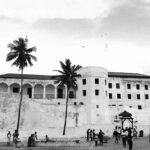
Cape Coast Castle and Elmina Castle
Why visit: These coastal forts are part of the UNESCO property “Forts and Castles, Volta, Greater Accra, Central and Western Regions”, inscribed in 1979. They tell the story of the gold trade and the Atlantic slave trade, and guided tours are usually emotional and thought-provoking.
Time needed: Half a day each, or one full day for both. Best for: history lovers, families with older children, and anyone interested in the African diaspora. Opening hours and tour times can change, so confirm locally.
Kumasi and the Asante Traditional Buildings
Kumasi is the cultural heart of the Ashanti Region. Visit the Manhyia Palace Museum, the huge Kejetia market and craft villages that make kente and Adinkra cloth. The Asante Traditional Buildings near Kumasi are the second UNESCO listing in Ghana, inscribed in 1980. Allow one to two days.
Major cities
Accra
Ghana’s capital combines beaches, museums and nightlife. Highlights include the Kwame Nkrumah Memorial Park, Independence Square, the National Museum and busy markets. Labadi and other city beaches are popular at weekends. Plan two to three days, and travel outside rush hour because traffic can be heavy.
Kumasi
Better suited to culture than sightseeing in a hurry, Kumasi works as a base for craft villages, the Lake Bosomtwe area and the Ashanti heritage trail. Combine it with the coast for a balanced first trip.
Beaches and coast
The Atlantic shoreline has long sandy stretches, lagoons and small fishing villages. Busua and Axim in the Western Region are known for relaxed beach stays and surfing lessons, while Ada Foah, east of Accra, sits where the Volta River meets the sea. Beach conditions change with the season and swell, so ask locally about swimming safety because strong currents are common on open beaches.
National parks and outdoors
Kakum National Park
In the Central Region, about 30 kilometres north of Cape Coast, Kakum protects coastal rainforest and is known for its suspended canopy walkway, described by Ghanaian tourism sources as roughly 370 metres long and about 40 metres above the forest floor. It is an easy half-day trip from Cape Coast, suited to families and nature lovers. Early morning visits are usually cooler and better for birdlife.
Mole National Park
Mole is Ghana’s largest wildlife refuge, covering about 4,849 square kilometres in the north-west, and is best known for savannah elephants, antelope, baboons and birds. Getting there takes a domestic flight or a long drive, so allow at least two nights. Wildlife viewing is generally easier in the dry season when animals gather at waterholes.
Lake Volta and the Volta Region
The Volta Region offers waterfalls, hills and lake scenery. Wli Waterfalls and Mount Afadjato, Ghana’s highest point, suit active travellers who enjoy guided walks. Lake Volta, formed by the Akosombo Dam, is a pleasant day trip from Accra with boat rides and lakeside resorts.
Cultural and food destinations
For culture, time your visit with a local festival such as Akwasidae in Kumasi or Homowo among the Ga in Accra, and check dates with local organisers. For food, Accra’s street stalls and chop bars are the easiest place to try jollof, waakye and kelewele, while coastal towns are best for grilled fish. See our main Ghana overview for a full list of signature dishes.
Choosing where to go
- First-time visitors: Accra, Cape Coast, Elmina, Kakum and Kumasi.
- Nature lovers: Kakum, Mole and the Volta Region.
- Beach and relaxation: Busua, Axim and Ada Foah.
- Culture seekers: Kumasi, Accra and festival towns.
Check entry rules in our Ghana visa guide before booking.
Official sources
- UNESCO: Forts and Castles of Ghana
- Visit Ghana (Ghana Tourism Authority)
- Ministry of Tourism, Culture and Creative Arts
Frequently asked questions
What is the best place to visit in Ghana for first-timers?
Most first-time visitors start in Accra, then travel west to Cape Coast, Elmina and Kakum, and finish in Kumasi. This route covers history, rainforest and Ashanti culture without very long journeys.
How many days do I need for the main sights?
Around seven days covers Accra, the coast and Kumasi at a comfortable pace. Add two or three nights if you want Mole National Park or the Volta Region.
Is Mole National Park worth the journey?
If you want wildlife, yes. It is the country’s main safari destination, though it takes time to reach. Check access conditions and book accommodation ahead.
Are the UNESCO forts open to visitors?
Yes, guided visits are normally offered, but hours and fees change, so confirm locally before you travel.