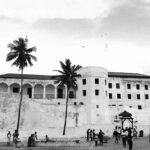
Safety Notice: The UK FCDO advises against all but essential travel to the Bawku Municipal area in the Upper East Region, and the US State Department rates parts of northern Ghana Level 3. Seasonal advice below applies to normal tourist areas. See the US advisory and UK advice. Last checked: November 2026.
Ghana sits just north of the Equator, so it is warm all year and the real question is rain, dust and crowds rather than winter or summer. The best month depends on whether you are heading to the coast, the forest belt or the northern savannah.
Short answer: Many travellers find November to March the most comfortable time to visit Ghana, because it is the main dry season in the south and rain is least likely. The north has a single long rainy season, so its dry months run longer. The best time differs by region and by what you want to do.
Last checked: November 2026
Ghana’s seasons at a glance
Sources agree on the general pattern, though exact months shift from year to year and between regions. In the south, there is a major rainy season from roughly April to July, a short drier spell around August, and a lighter rainy season from about September to November. In the north, there is one rainy season, which generally runs from around April or May to September or October, with the heaviest rain in the middle of that period.
The dry season is also the harmattan season, when a dry wind from the Sahara brings dusty, hazy skies, cooler nights and low humidity, especially from December to February. Average temperatures in much of the country sit roughly between the low 20s and low 30s degrees Celsius, with the north hotter before the rains.
Best time by region
Accra and the coast
The eastern coast around Accra is warm and comparatively dry. November to March is the easiest period for beaches, forts and city sightseeing. April to June can bring heavy downpours that disrupt road travel, while September to October is lighter and still workable.
Cape Coast, Kakum and the forest belt
Rainforest areas are wetter and greener. Dry months are better for canopy walks and hiking, while rainy months mean muddy trails and fewer clear views. Visits in the early morning are usually more comfortable in any season.
Kumasi and the Ashanti Region
Similar to the forest belt, with a dry season from about November to March. Festival calendars matter here, because Akwasidae days draw large crowds around Manhyia Palace.
Northern Ghana and Mole National Park
For wildlife, the dry season is generally best because animals gather at waterholes and vegetation is thinner. Late dry-season months before the rains can be very hot. In the rainy season, roads can become difficult and the landscape is green but game viewing is harder.
Month-by-month guide
- January to February: Dry, dusty and hazy in many areas; cooler nights. Good for sightseeing, less ideal for photography.
- March: Hot and dry, with the first rains approaching in the south late in the month. Independence Day is on 6 March.
- April to June: Main rainy season in the south. Heavy showers, lush scenery, lower hotel demand.
- July to August: A drier gap in much of the south, while the north is in the middle of its rains. The Ga festival Homowo is usually held around August.
- September to October: Lighter rains in the south, harvest festivals, and a shoulder-season feel.
- November: Rains ease and the dry season begins. The Ewe festival Hogbetsotso is celebrated around this month.
- December: Peak dry season and the busiest time for visitors, including diaspora travellers returning for the holidays.
Festivals and public holidays
Ghana has many local festivals, most following local calendars. Akwasidae is held roughly every six weeks in Kumasi, Aboakyir in Winneba is held around May, Homowo around August and Hogbetsotso around November. National holidays include Independence Day on 6 March, Republic Day on 1 July, and Christian holidays such as Easter and Christmas. Because Ghana has a large Muslim community, particularly in the north, Ramadan and Eid dates also matter: businesses may keep shorter hours and some restaurants close during daylight in Muslim-majority areas. Dates move each year, so confirm with local organisers or the Ghana Tourism Authority.
Peak and low seasons
December and January are generally the busiest and most expensive months for flights and hotels. The wettest months, around May to July in the south, tend to be quieter, with better chances of a bargain. If you want to avoid crowds without heavy rain, consider February to March or September to October.
Best time by travel style
- Beaches and relaxation: November to March.
- Wildlife at Mole: the dry season.
- Festivals and culture: match your trip to the festival you want, such as Akwasidae in Kumasi.
- Budget travel: the rainy months in the south.
- Hiking and waterfalls: shortly after the rains for fuller falls, but expect wet trails.
What to pack
- Lightweight, breathable clothes and a sun hat.
- A light rain jacket in rainy months and sturdy shoes for wet trails.
- Insect repellent and sunscreen.
- A scarf or modest clothing for mosques and villages.
- A small first-aid kit and any prescription medicines.
Check your entry requirements in our Ghana visa guide and plan routes with our best places to visit in Ghana.
Official sources
Frequently asked questions
What is the best month to visit Ghana?
Many visitors choose between November and March, when the south is driest. December is busiest, while February and March are often a good balance of weather and crowds.
Is the rainy season a bad time to visit?
Not necessarily. Rain often arrives in short, heavy bursts, and prices tend to be lower. Plan flexible days, but note that some rural roads and trails can be difficult.
When is harmattan?
It is mainly from December to February, bringing dust and haze. It is not harmful for most visitors, though people with asthma or allergies may want to prepare.
When is the best time to see wildlife at Mole?
The dry season is generally preferred, as animals gather near water and are easier to spot.