 KenyaKenya travel guide: where Kenya is, its history, culture and food, with a safety…
DESTINATION
El Salvador
El Salvador travel guide covering where the country is, its history, culture, traditions and food, from San Salvador to the volcanoes and the Pacific coast.
📅 Last updated:
🌍 Quick Facts

El Salvador at a glance
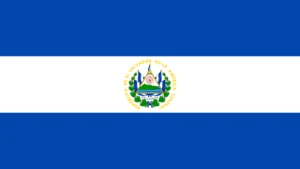
Capital: San Salvador
Currency: US dollar (USD)
Language: Spanish
Time zone: CST (UTC-6), no daylight saving time
Calling code: +503
Internet domain: .sv
Main airport: Monseñor Óscar Arnulfo Romero International Airport (SAL)
📍 El Salvador Map
🖼️ El Salvador: Location, History, Culture & Food
✨ Complete Travel Guide
Safety Notice: The US State Department rates El Salvador Level 1, Exercise Normal Precautions (issued 25 June 2026), and notes that a State of Exception remains in force and that several US citizens have been detained under it. We found no advice against all travel to any region. Advice changes, so check the US State Department and UK FCDO pages before you travel.
Where Is El Salvador Located?
El Salvador is a small country on the Pacific coast of Central America. It borders Guatemala to the northwest and Honduras to the north and east, and it is the only Central American country without a Caribbean coastline. Its capital is San Salvador.
Last checked: November 2026
The country covers roughly 21,000 square kilometres, which makes it the smallest on the Central American mainland. Distances are short, so you can cross much of it in a few hours by road. Behind the Pacific beaches, a chain of volcanoes runs across the country, with highland valleys and crater lakes between them.
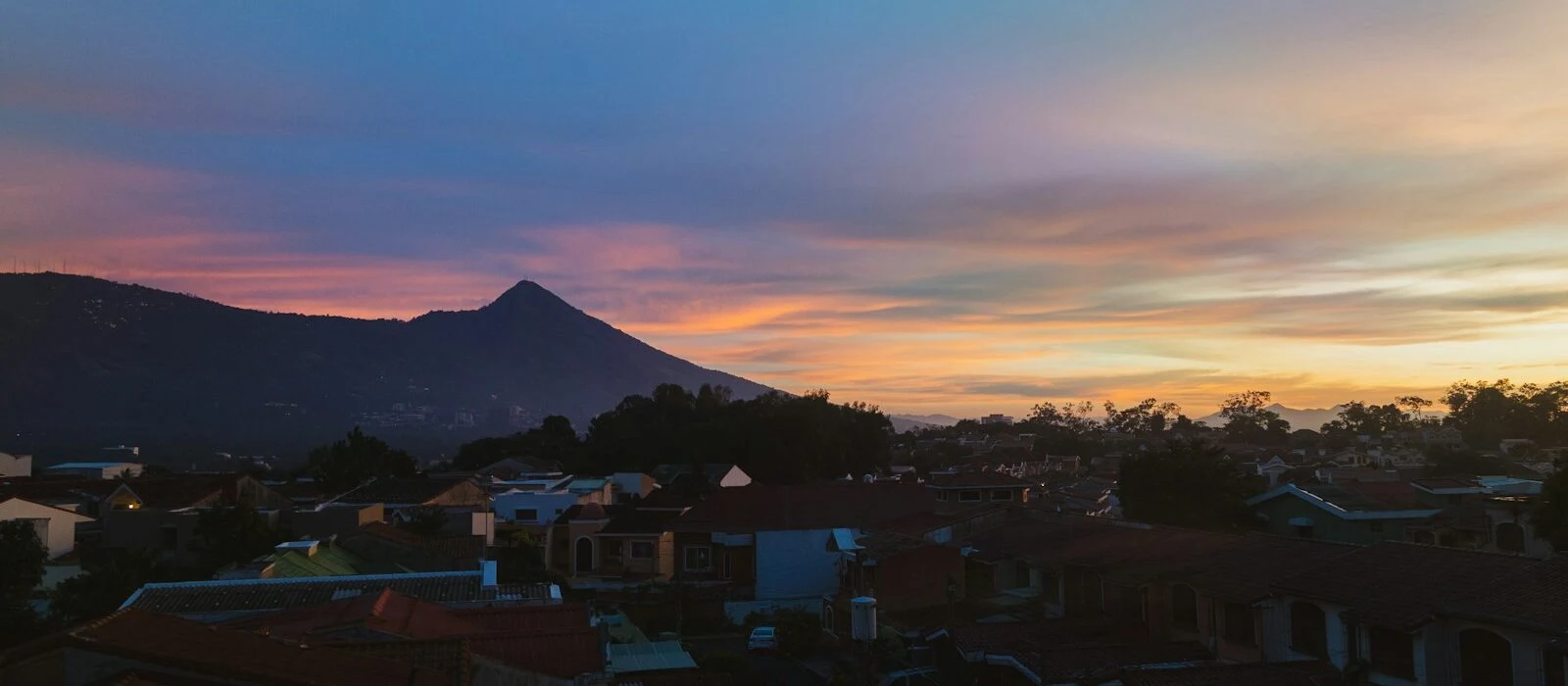
The climate is tropical, with a wet and a dry season, and the highlands feel cooler than the coast. San Salvador sits in a valley beneath the San Salvador volcano, and the main international airport lies south of the capital near the coast. To choose your dates, see our best time to visit El Salvador guide.
Introduction to El Salvador
El Salvador is a compact country known for its volcanoes, Pacific surf beaches, coffee highlands and ancient ruins. Spanish is the official language and the US dollar is the official currency. Visitors usually combine the capital, the coast and the mountain towns in one trip.
Last checked: November 2026
Tourism has grown in recent years, and the international airport opened a new arrivals terminal in June 2026. Surfers come for the point breaks along the coast, hikers for volcano summits and crater lakes, and culture-minded travellers for Maya and colonial heritage.
Because the country is small, one week can include a volcano at dawn, a coffee farm in the afternoon and a Pacific sunset. Our guide to the best places to visit in El Salvador explains how the highlights fit together, and our El Salvador itinerary ideas turn them into day-by-day plans. Entry rules depend on your nationality, so read the El Salvador visa guide before you book.
History of El Salvador
People have lived in what is now El Salvador for thousands of years, and the Pipil, a Nahua-speaking people, were dominant when the Spanish arrived in the 1520s. The country became independent in 1821 and has had a turbulent modern history, including a civil war that ended in 1992.
Last checked: November 2026
Before the Spanish, the region was home to Maya and other Indigenous groups. Joya de Cerén, a farming village preserved under volcanic ash, is a UNESCO World Heritage Site and gives a rare glimpse of everyday life in the Maya world. The Pipil called their territory Cuscatlán, a name still used in the country today.
A Spanish expedition led by Pedro de Alvarado arrived in 1524, and the colony later became part of the Captaincy General of Guatemala. Independence from Spain followed in September 1821, after which El Salvador briefly belonged to the Federal Republic of Central America before becoming a separate republic. Coffee became the economic backbone in the nineteenth century and shaped land ownership and politics.
The twentieth century brought repeated unrest and, from 1980 to 1992, a civil war. Peace accords signed in January 1992 ended the fighting, and in 2001 the country adopted the US dollar as its currency. Security policy has since been shaped by a State of Exception, which is why travellers should check official advisories before departure.
Culture and Traditions of El Salvador
Salvadoran culture blends Indigenous Pipil and Maya roots with Spanish Catholic traditions. Family, food and community festivals sit at the centre of daily life, and Salvadorans are widely known for being warm, direct and welcoming to visitors.
Last checked: November 2026
Spanish is spoken everywhere, and many Salvadorans use the informal vos in place of tú. Catholic holidays are widely observed, especially Holy Week, and each town celebrates its patron saint with parades, music and food stalls. The August festivals in San Salvador honour the national patron, El Divino Salvador del Mundo.
Handicrafts remain a living tradition. Indigo, known locally as añil, is used to dye cloth in blue tones, and artisan towns in the western highlands are known for ceramics, woodwork and textiles. The national bird is the torogoz, with its turquoise and green plumage, and the national flower is the flor de izote.
Etiquette is simple. Greet people when you enter a shop or restaurant, dress modestly for churches, and ask before photographing people. Tipping in restaurants is customary, and a service charge is sometimes already included, so check the bill. To see these traditions in context, start with the El Salvador hotels guide for good bases in the highlands and on the coast.
Food and Cuisine of El Salvador
The national dish of El Salvador is the pupusa, a thick handmade corn or rice tortilla stuffed with cheese, beans or pork. It is eaten with curtido, a lightly fermented cabbage slaw, and a thin tomato sauce. Pupusas are served at street stalls and in family restaurants throughout the country.
Last checked: November 2026
Salvadoran food is built on corn, beans, rice, cheese and slow-cooked meat, with mild seasoning rather than heavy chilli. Breakfast often means fried plantain, refried beans, fresh cheese, cream and eggs. Tamales come in several styles, including the sweet corn tamal de elote and a chicken-filled version wrapped in banana leaf.
These are some of the signature dishes to look for:
- Pupusas: stuffed tortillas, often with cheese, beans, pork or loroco, an edible flower bud.
- Yuca frita con chicharrón: fried cassava with crispy pork.
- Tamales: corn dough steamed in banana leaf, savoury or sweet.
- Pan con pollo or pan con pavo: a hot sandwich with shredded poultry and salsa.
- Sopa de pata: a hearty tripe and cow-foot soup.
- Casamiento: rice and beans cooked together.
- Pastelitos: small fried pastries with meat or vegetable filling.
- Mariscada: a seafood soup popular on the coast.
- Quesadilla salvadoreña: a sweet cheese cake, often eaten with coffee.
- Horchata de morro: a spiced drink made from morro seeds.
- Atol de elote: a warm sweet corn drink.
Highland coffee is another highlight and pairs well with sweet bread. Pork is common in traditional cooking, so travellers who avoid it should ask about ingredients before ordering. When you are ready to plan, continue with our flights to El Salvador and getting around El Salvador guides.
Explore El Salvador Travel Guides
Explore our detailed guides to plan every part of your El Salvador trip.
El Salvador: Best Places
Best places to visit in El Salvador: Joya de Cerén, volcanoes, the Ruta de las Flores, Suchitoto and the Pacific coast, with...
View Guide ›El Salvador: Best Time to Visit
Best time to visit El Salvador: dry and rainy seasons, regional differences, festivals, packing tips and the best months for different travel...
View Guide ›El Salvador: Itineraries
El Salvador itinerary ideas: realistic 3, 5 and 7-day routes covering San Salvador, Joya de Cerén, volcanoes, the Ruta de las Flores...
View Guide ›El Salvador: Flights
Flights to El Salvador: the main international airport, airlines to check, arrival tips, time zone and a Before You Fly checklist for...
View Guide ›El Salvador: Getting Around
Getting around El Salvador: buses, shuttles, ride-hailing, taxis, car rental and driving rules, with tips on which option suits each journey.
View Guide ›El Salvador: Visa
El Salvador visa requirements: how entry categories work, passport validity, extensions and the official portals to confirm your own nationality's rules.
View Guide ›El Salvador: Hotels
Where to stay in El Salvador: best areas in San Salvador, the highlands, Suchitoto and the coast, with hotel types, family tips...
View Guide ›Explore El Salvador Tours
Discover guided tours and adventures in El Salvador. Compare itineraries, prices and traveller reviews on TourRadar before you book.
Guided tours & deals
Affiliate partner · Globe Navo may earn a commission from qualifying bookings at no extra cost to you.
❓ El Salvador FAQ
Where is El Salvador?
El Salvador lies on the Pacific coast of Central America, bordered by Guatemala to the northwest and Honduras to the north and east. It is the only country in the region with no Caribbean coastline, and its capital is San Salvador.
What is the capital of El Salvador?
The capital is San Salvador, in a valley beneath the San Salvador volcano. It is the largest city and the main centre of government, business and culture, and the international airport lies to its south.
What currency is used in El Salvador?
The official currency is the US dollar, which the country adopted in 2001. Notes and coins are used for everyday payments, so visitors from the United States do not need to exchange money.
What language do they speak in El Salvador?
Spanish is the official language and is spoken everywhere. English is common in tourism businesses and larger hotels, but learning a few Spanish phrases helps in markets, small towns and on local buses.
What is the national dish of El Salvador?
The pupusa is the national dish: a thick handmade tortilla stuffed with cheese, beans or pork and served with curtido and tomato sauce. It is sold at street stalls and restaurants across the country.
Plan Your Trip to El Salvador
Your Next Adventure in El Salvador Awaits!
Explore Deals →🎁 Best deals for El Salvador
Offers from trusted travel stores for your El Salvador trip. Compare a few options before you book, and check each store's terms for the final price.
Browse by type: Hotel deals · Flight deals · Travel eSIM · Car rental
 SimOptionsFind the latest SimOption promo code and coupon code for travel eSIM data plans. See how to apply an offer at checkout, fix common code errors and stay connected abroad.
Get Coupon View Deal
 TourRadarTourRadar is an online marketplace for multi-day guided tours, small-group trips and tailor-made journeys offered by independent tour operators around the world.
Get Coupon View Deal
More destinations to explore
KenyaKenya travel guide: where Kenya is, its history, culture and food, with a safety…
 LaosLaos is a landlocked Southeast Asian country of Mekong river life, Buddhist temples and…
 EgyptSafety Notice: Official advisories for Egypt are not uniform across the country. The US…