 EcuadorEcuador sits on the equator in north-western South America, spanning Pacific coast, Andes, Amazon…
DESTINATION
Finland
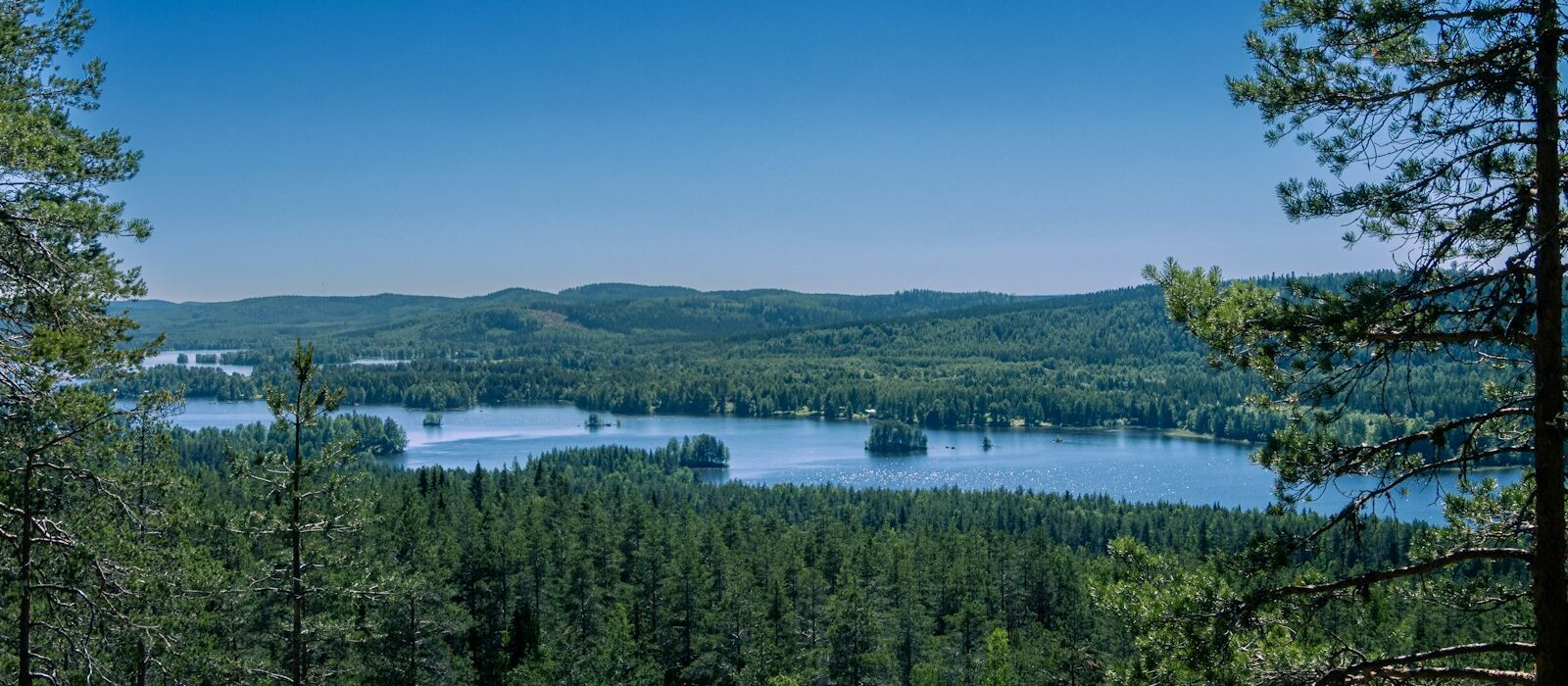
Finland is a Nordic country in Northern Europe known for its forests, lakes, archipelagos, Arctic Lapland and design-led cities.
📅 Last updated:
🌍 Quick Facts

Finland at a glance
Capital: Helsinki
Currency: Euro (EUR)
Language: Finnish, Swedish
Population: 5,662,086 (end of September 2026, preliminary)
Time zone: EET (UTC+2), EEST (UTC+3) in summer
Calling code: +358
Internet domain: .fi
Main airport: Helsinki Airport (HEL)
Best time to visit: June to August for long daylight and lakes; December to March for snow and northern lights in Lapland
📍 Finland Map
🖼️ Finland: Location, History, Culture & Food
✨ Complete Travel Guide
Where Is Finland Located?
Finland is a Nordic country in Northern Europe, bordered by Sweden to the west, Norway to the north and Russia to the east. The Gulf of Bothnia lies to its west and the Gulf of Finland to its south, across the water from Estonia. Its capital, Helsinki, sits on the southern coast.
Last checked: November 2026
Finland covers roughly 338,000 square kilometres, which makes it one of the larger countries in Europe by area. It is also the most sparsely populated member of the European Union. Around two-thirds of the land is forest, and the landscape is scattered with more than 180,000 recorded lakes.
The southern and southwestern coasts are the most densely settled parts of the country. Off the southwest coast, the Archipelago Sea holds a vast number of islands and skerries, and the Åland Islands, an autonomous region, sit at the entrance to the Gulf of Bothnia. Moving north, the terrain turns from farmland and lake districts to the wilder forests and fells of Lapland, much of which lies beyond the Arctic Circle.
Finland shares its longest land border with Russia, followed by borders with Sweden and Norway. This position between Scandinavia and the Baltic region shapes everything from its climate and daylight hours to its trade links with its neighbours. Most visitors arrive through Helsinki, and our guides to flights to Finland and getting around Finland explain how to reach the main regions.
Introduction to Finland
Finland is a Nordic republic of about 5.6 million people, known for its forests, lakes, saunas and strong public services. Helsinki is the capital, Finnish and Swedish are the official languages, and the euro is the currency. Finland has belonged to the European Union since 1995 and to the Schengen Area since 2001.
Last checked: November 2026
Roughly 1.1 million people live in and around Helsinki, so the population is concentrated in the south while the north remains very quiet. Finnish is spoken by the large majority of residents, and Swedish is the mother tongue of a little over five percent, mostly along the coast. The Sámi, the Indigenous people of the far north, have their own languages, and about 2,000 people speak a Sámi language as their mother tongue.
The Finnish language belongs to the Uralic family and is closest to Estonian, so it sounds very different from Swedish, Norwegian or Danish. Visitors often notice this first on road signs and menus, where Finnish and Swedish appear side by side in many areas.
Finland is a parliamentary democracy that marks its independence on 6 December. Travellers come for national parks, lake cottages, island archipelagos, Arctic Lapland and design-minded cities, and the country’s four distinct seasons change the experience of a trip completely. Our guide to the best time to visit Finland helps you choose a season, and the Finland visa and entry requirements explain what to check before you book.
History of Finland
Finland was part of the Kingdom of Sweden from the 13th century until 1809, then an autonomous Grand Duchy of the Russian Empire. It declared independence on 6 December 1917, fought the Soviet Union in the Winter War and Continuation War, joined the European Union in 1995 and became a NATO member in 2023.
Last checked: November 2026
Centuries of Swedish rule shaped Finland’s laws, Lutheran faith and administration. Turku was the main centre of the period, home to the country’s first university, founded in 1640, while Helsinki was established in 1550 as a trading town to compete with Tallinn.
After Russia captured Finland in 1808 and 1809, Tsar Alexander I made it a Grand Duchy with its own institutions, and most Swedish-era laws stayed in force. Helsinki became the capital in 1812, and much of its neoclassical city centre was built during this period. Finnish national identity grew strongly in the 19th century, even as Russia tightened its control from 1899.
Independence came after the Russian Revolution, followed in 1918 by a short and bitter civil war between the Reds and the Whites. In the Second World War, Finland fought the Soviet Union twice, in the Winter War of 1939 to 1940 and the Continuation War of 1941 to 1944. It lost territory but kept its independence.
In the decades since, Finland built a modern welfare state and a strong technology sector. It joined the EU in 1995, adopted the euro in 1999 and joined NATO on 4 April 2023, which changed the country’s security position on its long eastern border. Many places that carry this history, from Suomenlinna to Old Rauma, are described in our guide to the best places to visit in Finland.
Culture and Traditions of Finland
Finnish culture centres on sauna bathing, a close relationship with nature and a quiet resilience known as sisu. Sauna culture is on UNESCO’s Intangible Cultural Heritage list, and everyone may enjoy the outdoors under the traditional right of public access known as everyman’s right. Midsummer and Christmas are the most important celebrations of the year.
Last checked: November 2026
The sauna is part of everyday life rather than a luxury. UNESCO counts about 3.3 million saunas for roughly 5.5 million inhabitants, found in homes, apartment buildings, workplaces and public bathhouses. Finland’s sauna culture was inscribed on UNESCO’s Representative List of the Intangible Cultural Heritage of Humanity on 17 December 2020, and sauna traditions are tied to Christmas, Midsummer and other family occasions.
Midsummer, called Juhannus, celebrates the longest day of the year with bonfires, lakeside gatherings and birch branches decorating doorways. It is officially marked on the Saturday between 20 and 26 June, and many Finns leave the cities for summer cottages that weekend.
Nature is central to Finnish life, and the tradition of everyman’s right allows people to walk, ski, cycle and camp briefly on most land, as long as they respect the environment and the people who live nearby. The Kalevala, the national epic compiled from the oral poetry of Karelia, remains a touchstone of Finnish literature, music and art, and it helped shape the national identity that emerged in the 19th century.
Food and Cuisine of Finland
Finnish cuisine is built on rye bread, fish, dairy, potatoes, forest berries and reindeer from the north. Signature dishes include Karelian pies, salmon soup, sautéed reindeer and squeaky cheese. Many of the best-known foods are simple, seasonal and best tried in market halls, cafés and traditional restaurants.
Last checked: November 2026
The dishes below are among the most recognisable in the country, and several of them are regional specialities rather than everyday meals everywhere.
- Karjalanpiirakka (Karelian pie): a thin rye crust filled with rice porridge, usually topped with munavoi, a spread of butter and boiled egg. The name is protected as a Traditional Speciality Guaranteed product in the EU.
- Lohikeitto (salmon soup): a creamy soup of salmon, potatoes and vegetables, often eaten with rye bread.
- Poronkäristys (sautéed reindeer): thinly sliced reindeer meat cooked with onions and served with mashed potatoes and lingonberries, especially in Lapland.
- Leipäjuusto (squeaky cheese): a fresh cheese baked or grilled until lightly caramelised, often served warm with cloudberry jam.
- Kalakukko: fish baked inside a loaf of rye bread, closely linked with the Savo region and also an EU-protected speciality.
- Ruisleipä (rye bread): the everyday bread found in markets, supermarkets and cafés across the country.
- Karjalanpaisti (Karelian hot pot): a slow-cooked stew of beef and pork with onions and root vegetables.
- Hernekeitto (pea soup): a thick split pea soup that is a familiar comfort dish.
- Mustikkapiirakka (bilberry pie): a summer pastry made with wild bilberries, a close relative of the blueberry.
- Salmiakki (salty liquorice): a sweet with a strong salty taste that Finns love and many visitors find surprising.
Market halls such as those in Helsinki are good places to sample several of these in one visit. Wild berries, including lingonberries, bilberries and cloudberries, appear in desserts, jams and sauces throughout the year. To fit these tastes into a trip, see our Finland itineraries and the guide to where to stay in Finland.
Explore Finland Travel Guides
Explore our detailed guides to plan every part of your Finland trip.
Finland: Best Places
The best places to visit in Finland: UNESCO World Heritage sites, Helsinki, Turku, Rauma, national parks, the Kvarken Archipelago and Lapland.
View Guide ›Finland: Best Time to Visit
When to visit Finland: seasons, month-by-month conditions, northern lights and midnight sun timing, public holidays, packing advice and regional differences.
View Guide ›Finland: Flights
Flights to Finland: Helsinki Airport facts, airlines, routes, airport transport to the city, time zone, a Before You Fly checklist and quick...
View Guide ›Finland: Getting Around
How to get around Finland by train, coach, car, ferry and city transport, with Helsinki ticket tips, driving rules and the best...
View Guide ›Finland: Hotels
Where to stay in Finland: best areas in Helsinki, Turku, Rovaniemi and Lapland, accommodation types, booking considerations and accommodation tax information.
View Guide ›Finland: Itineraries
Realistic Finland itineraries for 3, 5, 7 and 10 days, covering Helsinki, Turku, Rauma, national parks and Lapland, with overnight bases and...
View Guide ›Finland: Visa
Finland visa and entry guide: who can enter visa-free, who needs a Schengen visa, the 90/180-day rule, the Entry/Exit System, ETIAS status...
View Guide ›Explore Finland Tours
Discover guided tours and adventures in Finland. Compare itineraries, prices and traveller reviews on TourRadar before you book.
Guided tours & deals
Affiliate partner · Globe Navo may earn a commission from qualifying bookings at no extra cost to you.
❓ Finland FAQ
Where is Finland located?
Finland is a Nordic country in Northern Europe, bordered by Sweden to the west, Norway to the north and Russia to the east. The Gulf of Finland lies to its south, across from Estonia, and Helsinki, the capital, sits on the southern coast.
What languages are spoken in Finland?
Finnish and Swedish are the two official languages. Finnish is spoken by the large majority of residents, while Swedish is the mother tongue of a little over five percent, mostly along the coast. Sámi languages are spoken by a small number of people in the far north.
What currency does Finland use?
Finland uses the euro, which it adopted in 1999. The country has belonged to the European Union since 1995 and to the Schengen Area since 2001. Check the visa guide for entry rules that apply to your passport before you travel.
What is Finland known for?
Finland is known for its forests, lakes, saunas and Arctic Lapland. Sauna culture is on the UNESCO Intangible Cultural Heritage list, and the right of public access lets people enjoy nature freely. Design, public services and four distinct seasons also shape the Finnish image.
What are traditional Finnish foods?
Traditional Finnish foods include Karelian pies, salmon soup, sautéed reindeer, squeaky cheese and rye bread. Wild berries such as lingonberries, bilberries and cloudberries appear in desserts and sauces. Market halls and traditional restaurants are good places to try them.
Plan Your Trip to Finland
Your Next Adventure in Finland Awaits!
Explore Deals →🎁 Best deals for Finland
Offers from trusted travel stores for your Finland trip. Compare a few options before you book, and check each store's terms for the final price.
Browse by type: Hotel deals · Flight deals · Travel eSIM · Car rental
 SimOptionsFind the latest SimOption promo code and coupon code for travel eSIM data plans. See how to apply an offer at checkout, fix common code errors and stay connected abroad.
Get Coupon View Deal
 KkdayFind current Kkday coupons and deals for tours, attraction tickets, transport and first app orders. See minimum spend, discount caps and exclusions before you book.
Get Coupon View Deal
 eSIMFOXeSIMFOX is a travel eSIM provider offering prepaid mobile data plans for single countries and wider regions, delivered digitally so you can connect as soon as you land.
Get Coupon View Deal
 QuibityQuibity is a travel eSIM provider that lets you buy a mobile data plan online and activate it on your phone, so you can get connected abroad without a physical SIM card.
Get Coupon View Deal
 ExpediaDiscover great deals on hotels, flights, vacation packages, car rentals, and activities with Expedia. Compare travel options and plan your next trip with convenient booking choices.
Get Coupon View Deal
 KlookKlook is a travel activities platform where you can book attraction tickets, tours, day trips, transport passes, airport transfers and local experiences in destinations worldwide.
Get Coupon View Deal
 Trip.comTrip.com is a global online travel platform for flights, hotels, train tickets, airport transfers, attraction tickets and travel packages, available on web and mobile app.
Get Coupon View Deal
 TourRadarTourRadar is an online marketplace for multi-day guided tours, small-group trips and tailor-made journeys offered by independent tour operators around the world.
Get Coupon View Deal
More destinations to explore
EcuadorEcuador sits on the equator in north-western South America, spanning Pacific coast, Andes, Amazon…
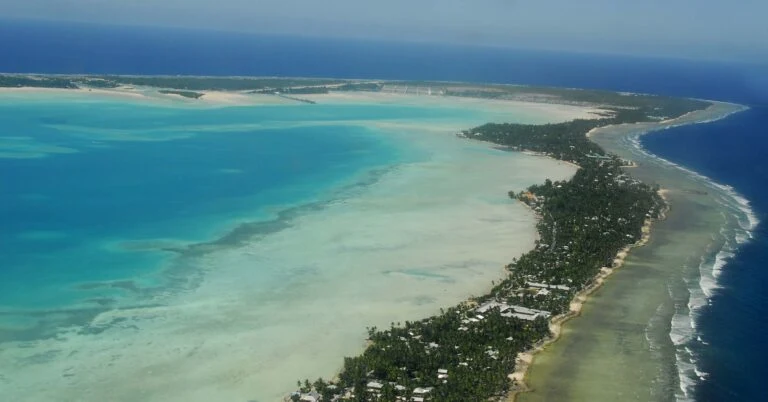 KiribatiKiribati travel guide covering where Kiribati is, its history, culture and traditions, and its…
 DenmarkDenmark travel guide: where the country is, its history, culture and food.