What Are the Best Places to Visit in Finland?
Finland’s best-known places include Helsinki and the sea fortress of Suomenlinna, the wooden old town of Rauma, the Kvarken Archipelago, national parks such as Koli and Oulanka, and Lapland in the far north. Seven of the country’s top sites are UNESCO World Heritage properties. The list below groups places by type so you can match them to your interests.
Last checked: November 2026
Finland is large and sparsely populated, so choose a region or two rather than trying to see everything. Distances and transport are covered in the guides to getting around and itineraries. This page focuses on what each place offers and who it suits. No ranking is implied by the order.
Historic and UNESCO Sites
Finland has seven UNESCO World Heritage Sites, six cultural and one natural. The full list is on the UNESCO World Heritage Centre.
Suomenlinna Sea Fortress, Helsinki
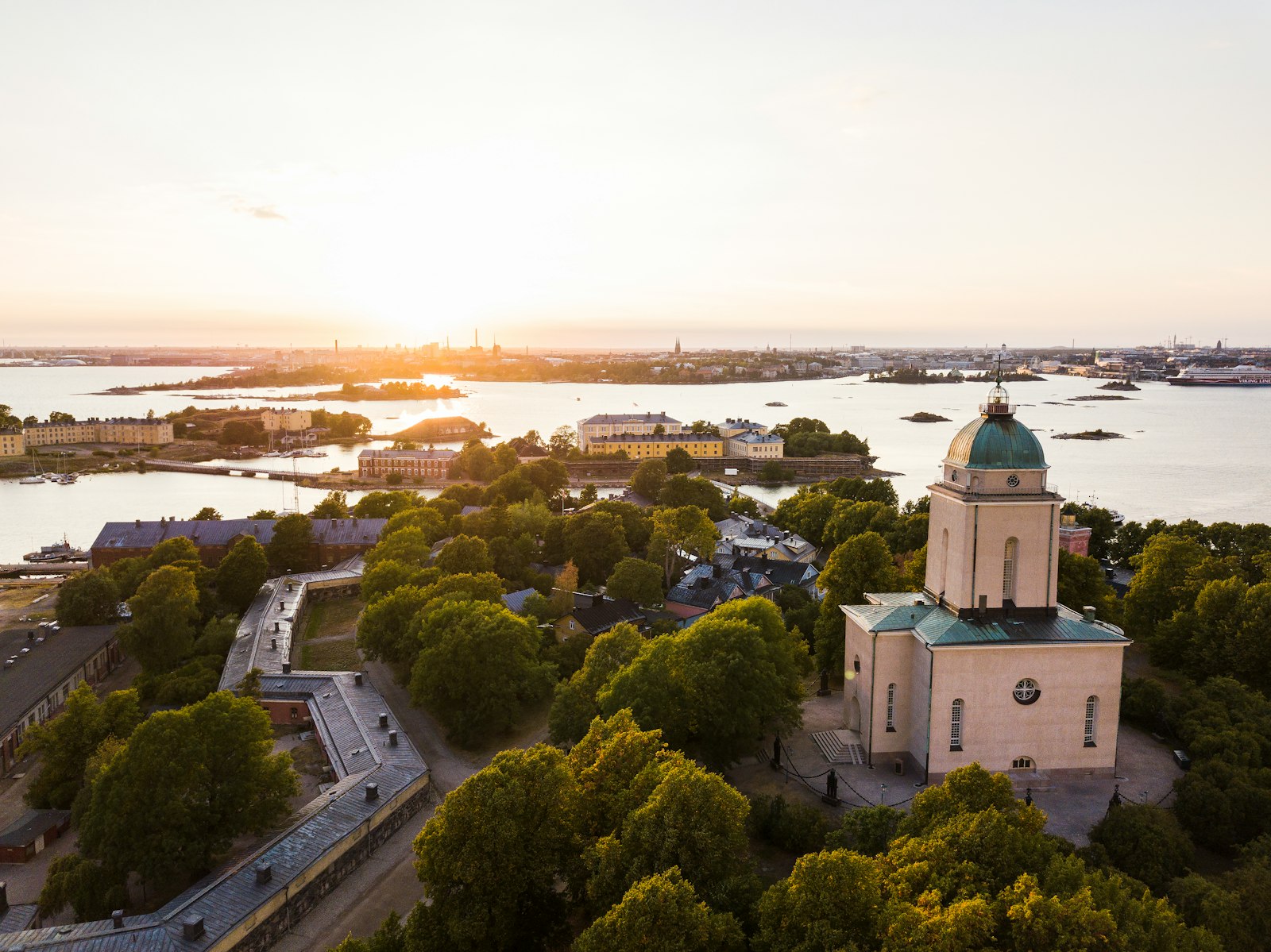
Why visit: an 18th-century island fortress just off Helsinki, listed by UNESCO in 1991 and still home to a few hundred residents. Main attractions: bastions, tunnels, museums and park paths. Time needed: half a day. Best for: history lovers and families. Access: ferries run from the Helsinki waterfront at frequent intervals in the daytime; check the Suomenlinna website for current schedules.
Old Rauma
Why visit: the most extensive coherent wooden town area in the Nordic region, inscribed in 1991, where people still live and work. Main attractions: cobbled lanes, painted wooden houses and the market square. Time needed: a few hours to a day. Best for: architecture fans and slow travellers.
Sammallahdenmäki Bronze Age Burial Site
Why visit: one of Finland’s oldest surviving prehistoric sites, inscribed in 1999 and located close to Rauma. Main attractions: stone burial cairns in a forest setting. Time needed: one to two hours. Best for: archaeology enthusiasts, combined with a visit to Rauma.
Petäjävesi Old Church
Why visit: a log church built between 1763 and 1765 near Jyväskylä, inscribed in 1994, that blends European architectural ideas with traditional log building. Time needed: one to two hours. Best for: wooden architecture and quiet countryside stops. Check opening times locally before you go, because the church is not open all year.
Verla Groundwood and Board Mill
Why visit: a rare surviving village-like wood-processing mill from the 19th and 20th centuries, inscribed in 1996. Time needed: two to three hours. Best for: industrial heritage visitors.
Turku Castle
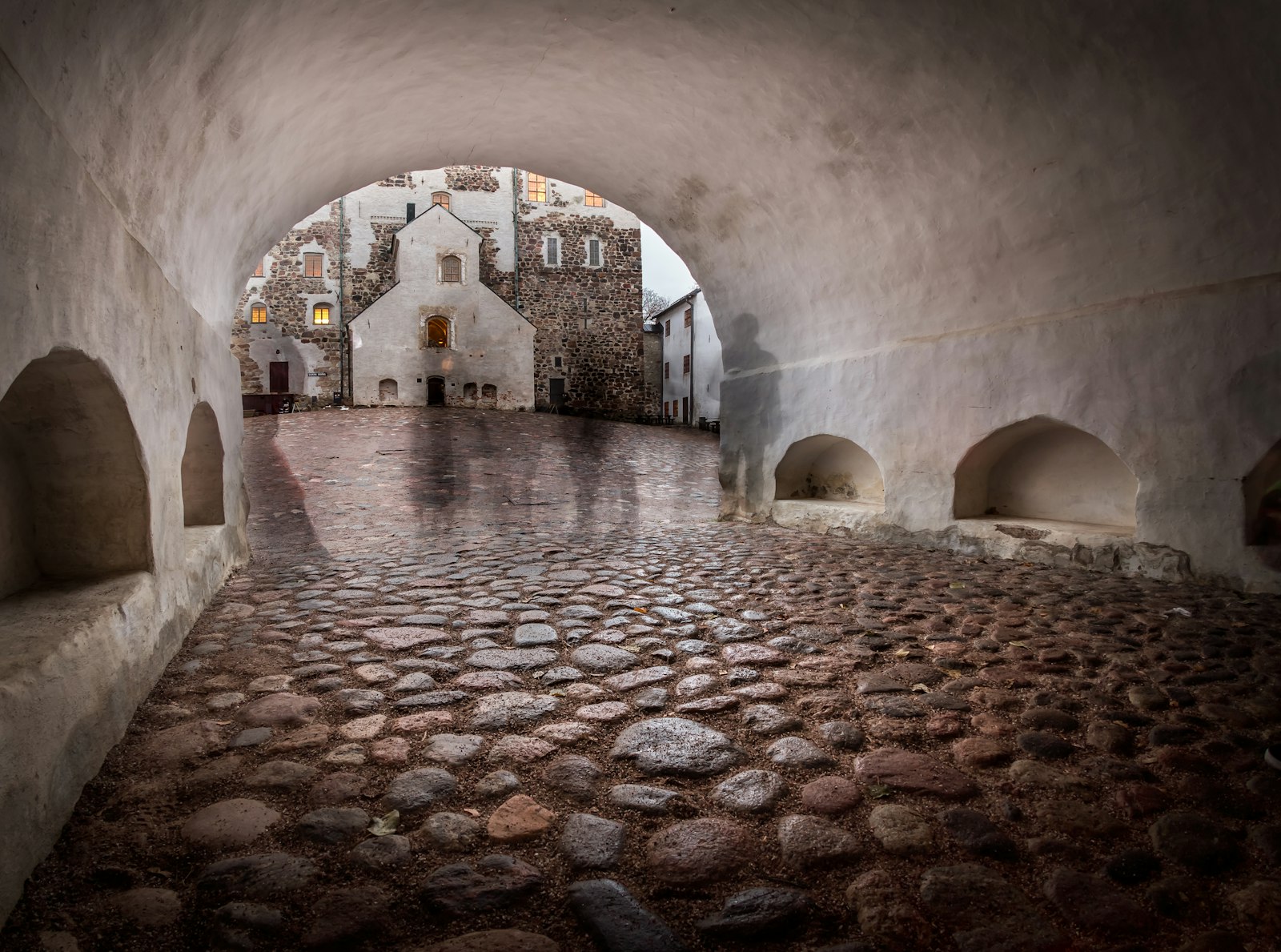
Why visit: a medieval castle in Finland’s old Swedish-era centre, Turku. Time needed: two to three hours. Best for: history and city-break travellers.
Major Cities
Helsinki
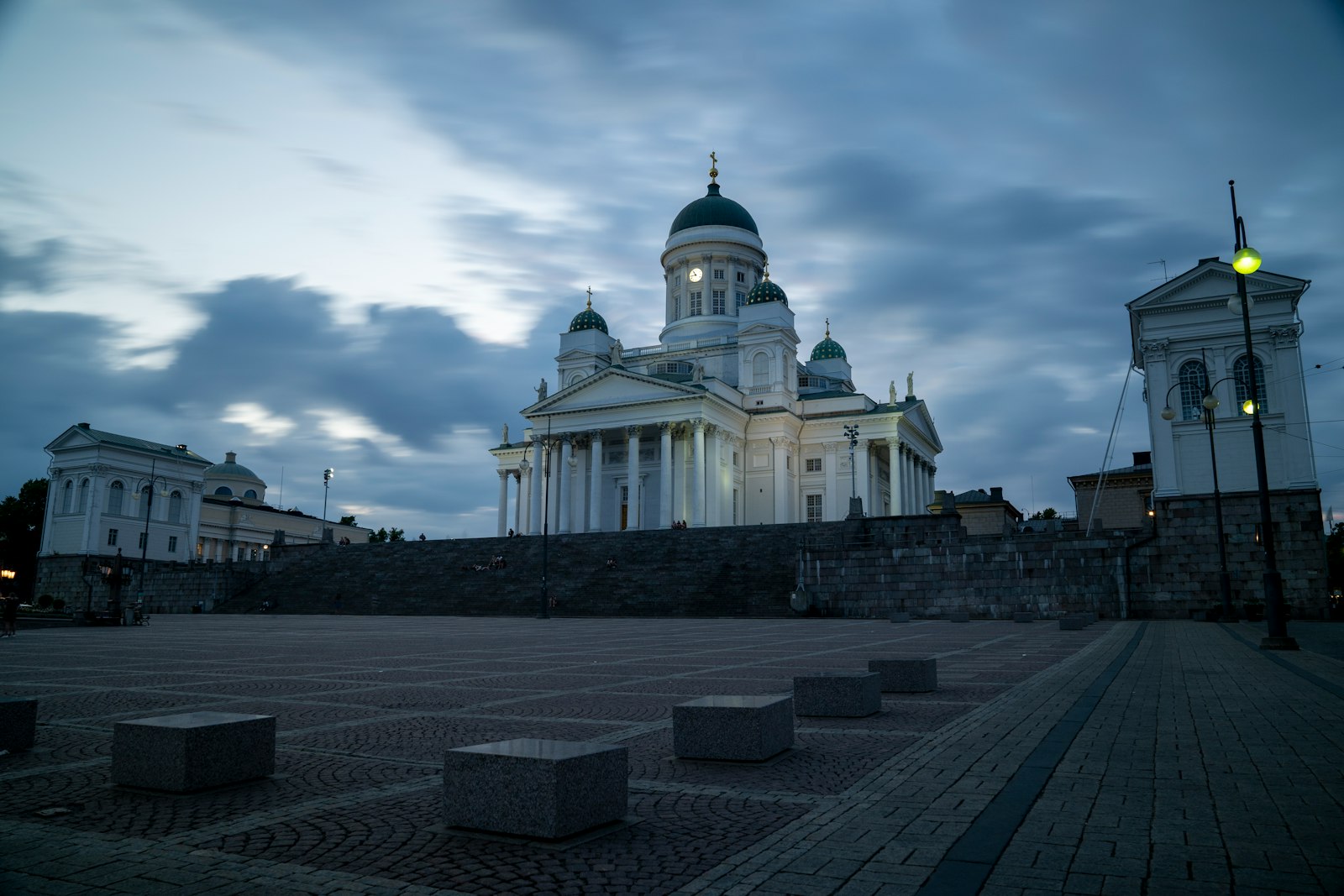
The capital combines neoclassical architecture from the Russian era, market halls, museums, saunas and the sea. It suits first-time visitors and is the main gateway to the country. Allow at least two to three days.
Turku
Finland’s old capital before 1812 sits on the southwest coast near the Archipelago Sea. It suits history fans and travellers heading to the islands.
Nature and National Parks
Finland’s national parks are managed by Metsähallitus, and visitor information is available on the national parks website.
Koli National Park
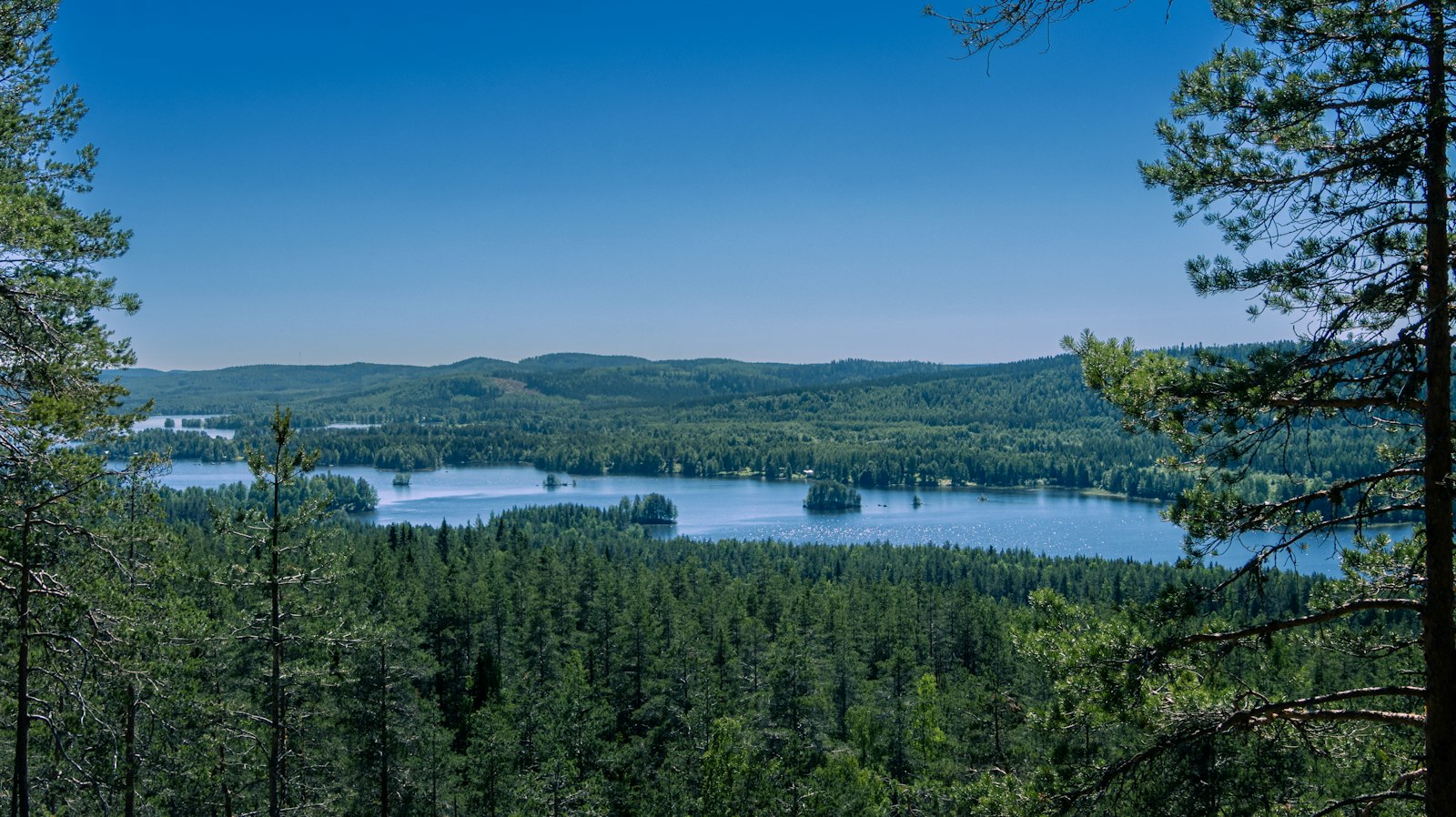
One of Finland’s most dramatic landscapes, in North Karelia, and a source of inspiration for artists including Jean Sibelius. Part of the area is wheelchair accessible. Time needed: one to two days. Best for: hikers and landscape lovers.
Oulanka National Park
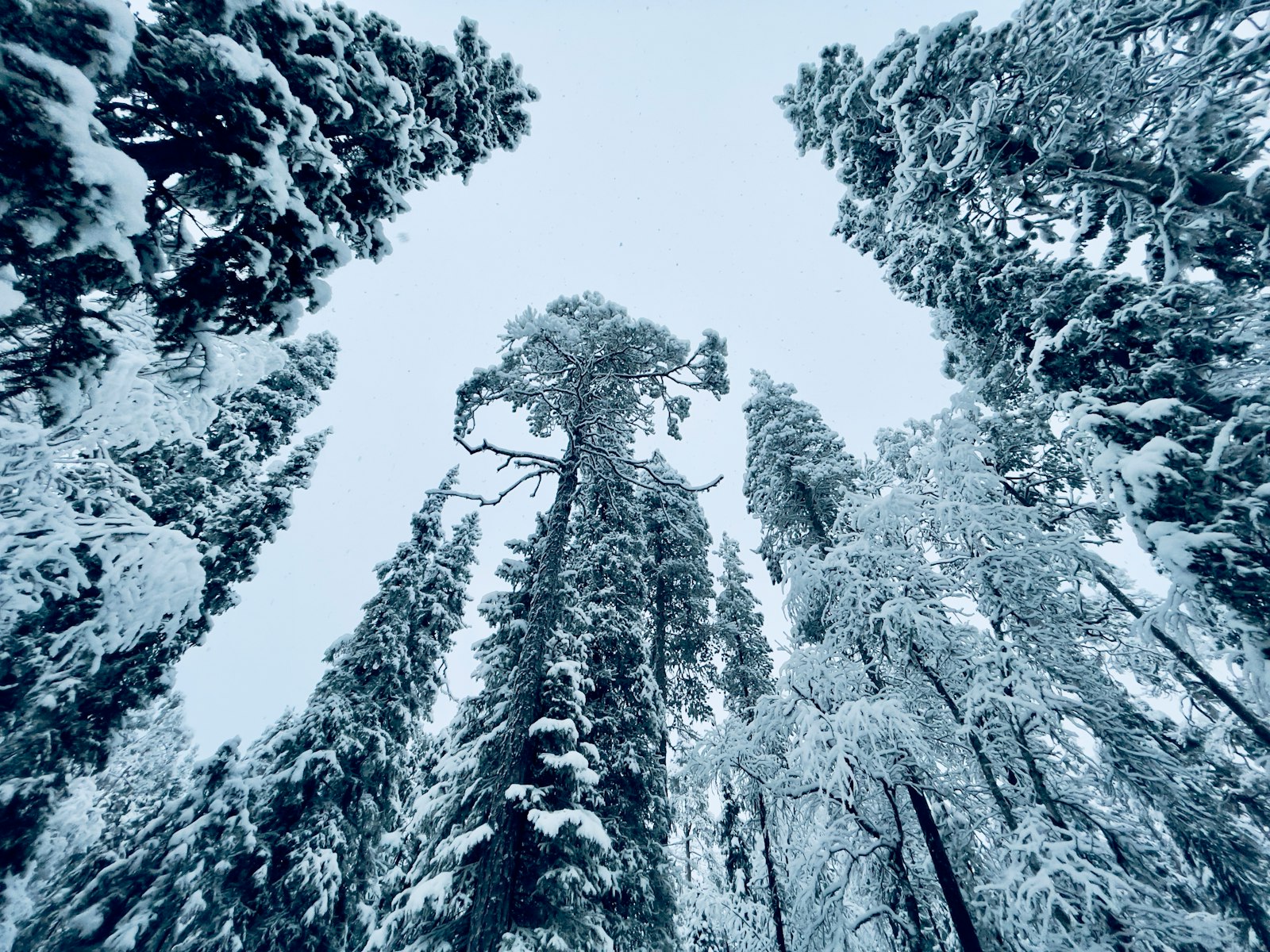
A wild northern park bordering Russia’s Paanajärvi National Park on the east, known for rivers and forest trails. Time needed: two to three days. Best for: experienced hikers and wilderness seekers. Check trail and border-zone information before you go.
Hossa National Park
A park that is well suited to families with children, with services for visitors with disabilities. Time needed: one to two days.
Nuuksio and Archipelago areas
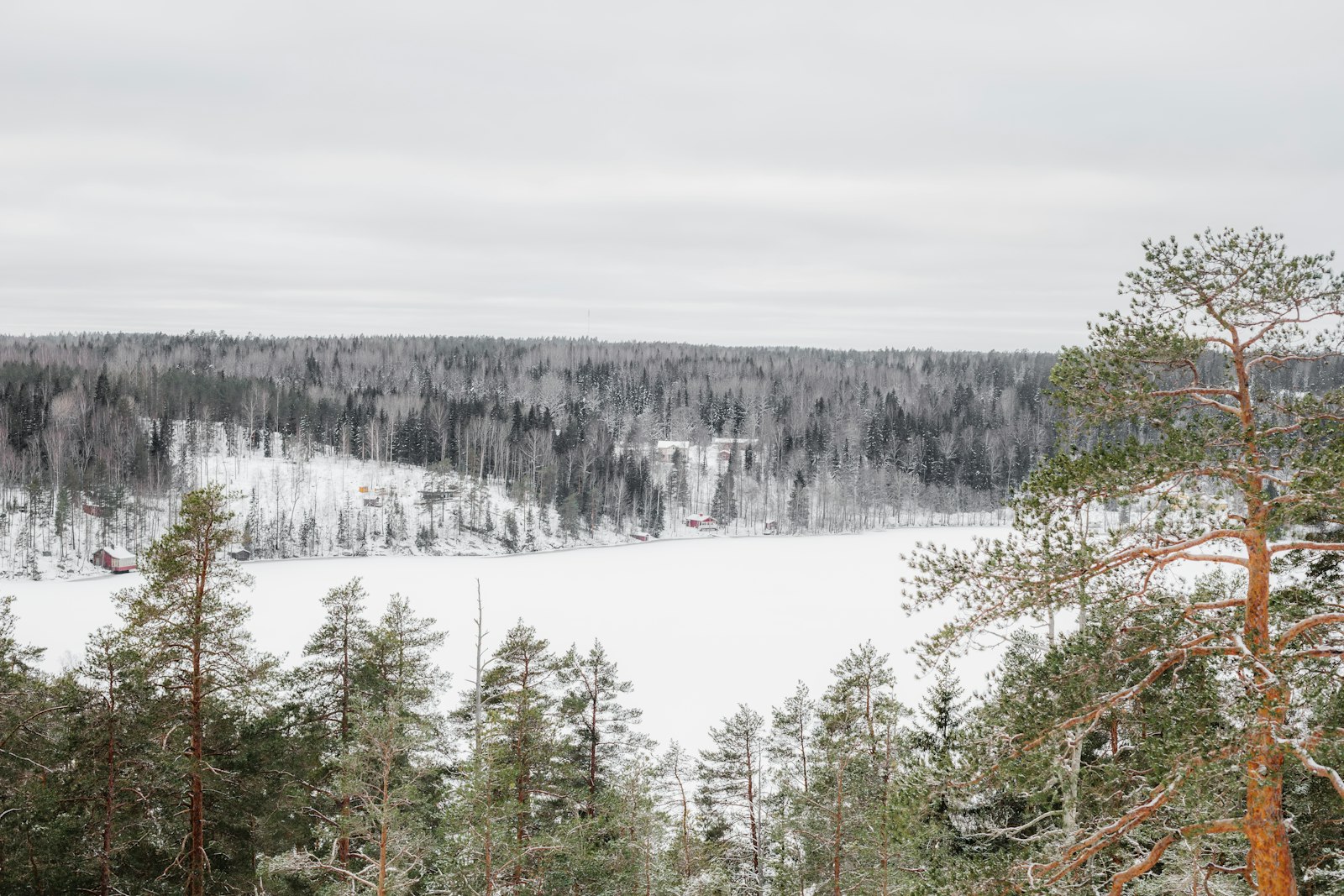
Nature close to Helsinki and Turku lets you hike, paddle or island-hop without a long journey. Check local transport options for each area.
Beaches, Coast and Archipelago
Kvarken Archipelago
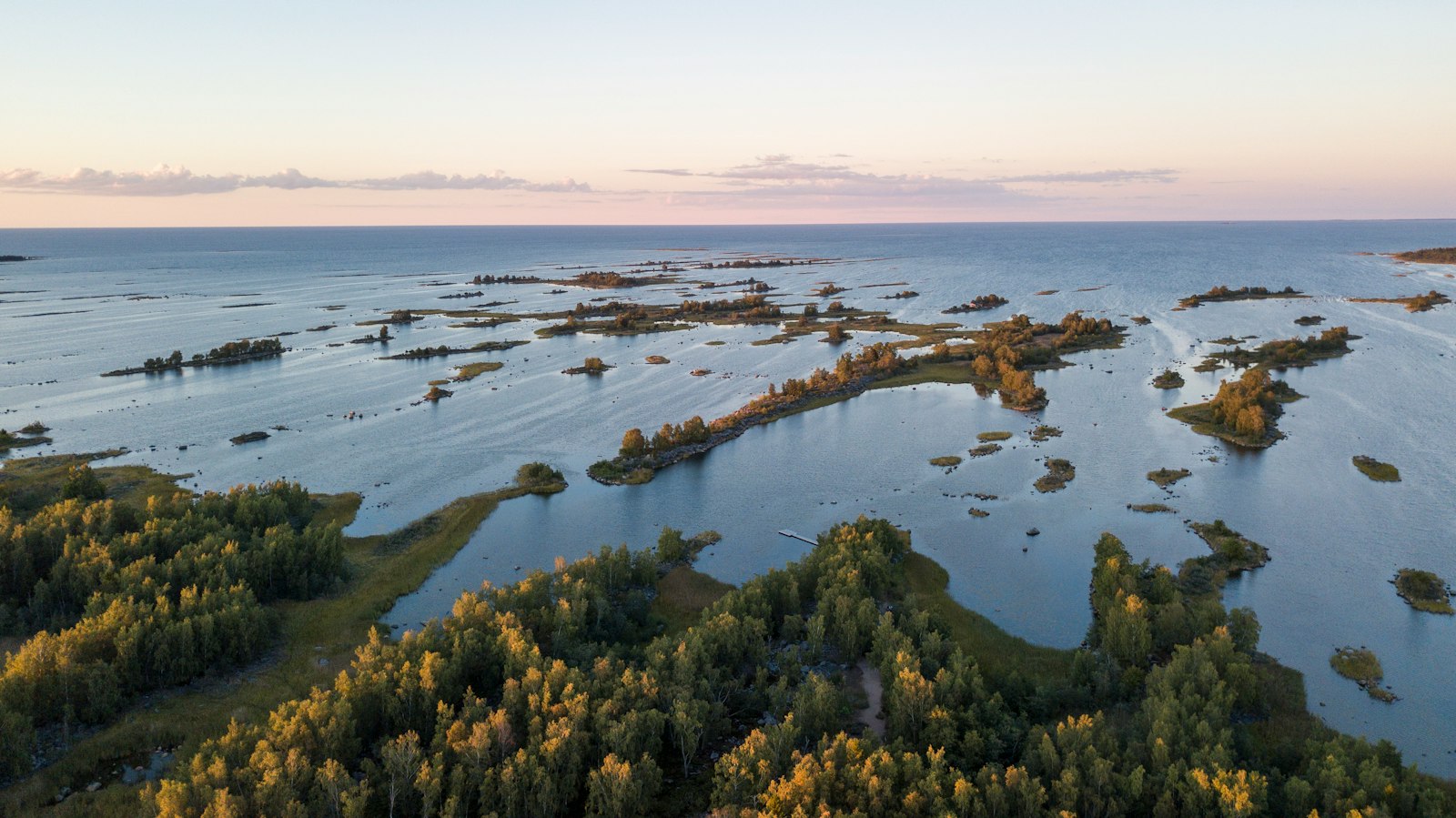
Why visit: Finland’s only natural UNESCO site, on the northwestern coast near Vaasa and shared with Sweden’s High Coast. The land is still rising from the sea, so the landscape slowly changes. Time needed: one to two days. Best for: nature lovers, cyclists and paddlers.
Archipelago Sea
The islands off the southwest coast are suited to slow summer travel by ferry, bike or boat. Services are seasonal, so check timetables in advance.
Lapland and the Arctic North
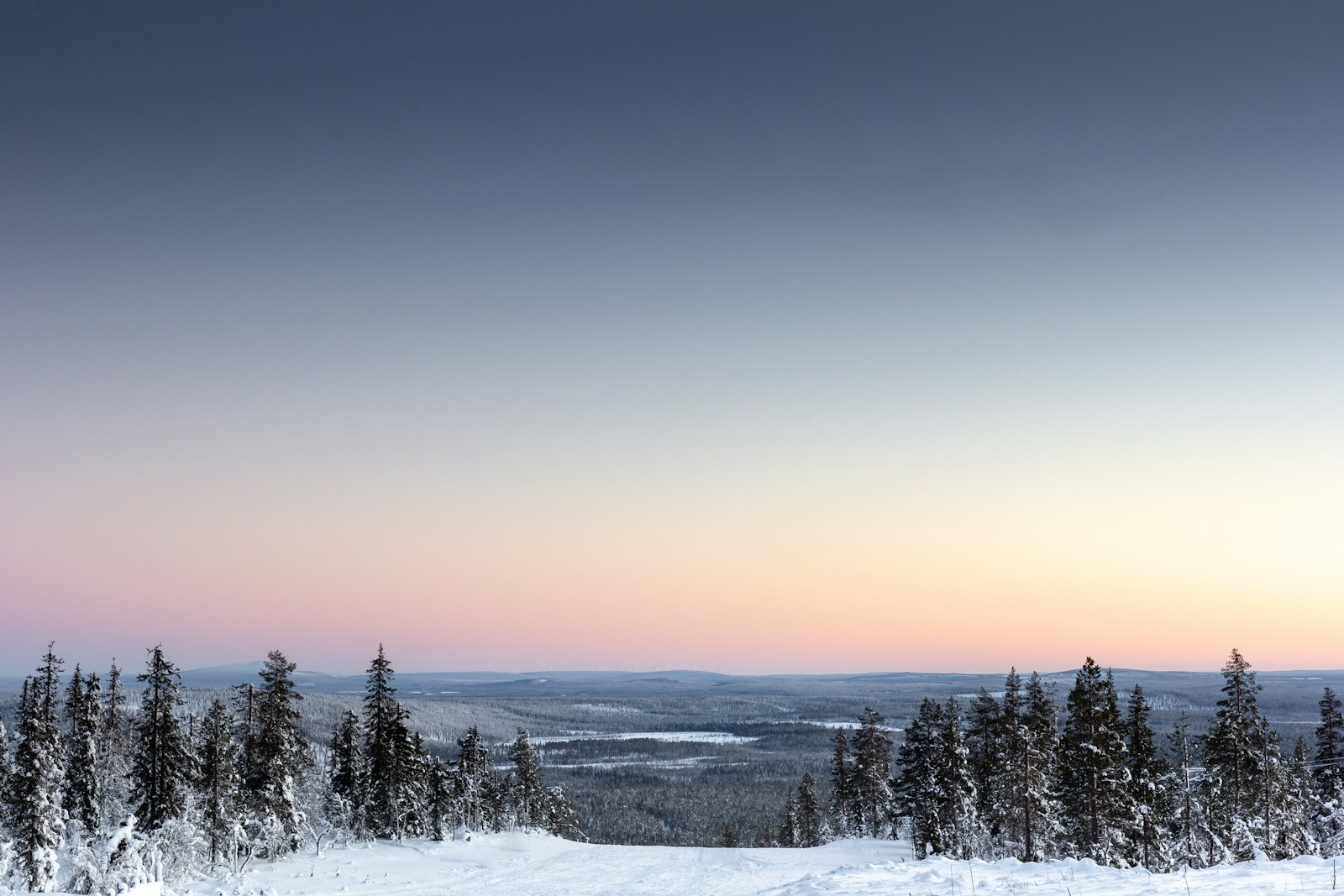
Lapland offers wide fells, reindeer herding culture, the Sámi homeland and, in the right season, northern lights and long summer daylight. Rovaniemi is the main gateway city. Time needed: at least three to four days. Best for: winter-sports fans, wilderness travellers and families. See the best-time guide for seasons.
Frequently Asked Questions
What is the single best place to visit in Finland?
There is no single best place. First-time visitors usually start with Helsinki and Suomenlinna, while nature lovers prefer national parks, the archipelago or Lapland.
How many UNESCO sites does Finland have?
Finland has seven UNESCO World Heritage Sites: Suomenlinna, Old Rauma, Petäjävesi Old Church, Verla mill, Sammallahdenmäki, the Struve Geodetic Arc and the Kvarken Archipelago.
Can I visit Finland’s islands without a boat?
Some islands, such as Suomenlinna, have regular ferry links. Others need seasonal ferries or private boats, so check the timetable for the island you want.
Is Lapland worth the extra travel?
Yes, if you want Arctic scenery and winter activities. Plan extra days and check seasonal conditions, because Lapland is far from southern Finland.