 BotswanaBotswana is a Southern African safari country known for the Okavango Delta, Chobe National…
DESTINATION
Ecuador
Ecuador sits on the equator in north-western South America, spanning Pacific coast, Andes, Amazon rainforest and the Galápagos Islands. Explore its location, history, culture and food.
📅 Last updated:
🌍 Quick Facts

Ecuador at a glance
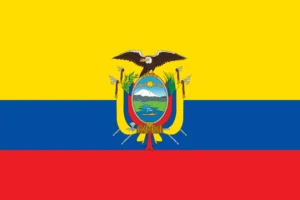
Capital: Quito
Currency: US dollar (USD)
Language: Spanish (Kichwa and Shuar are official languages of intercultural relations)
Population: About 18 million (approximate)
Time zone: ECT (UTC-5); Galápagos UTC-6
Calling code: +593
Internet domain: .ec
Main airport: Quito Mariscal Sucre International Airport (UIO)
Best time to visit: June to September for the Andes; December to May for the coast and Galápagos snorkelling
📍 Ecuador Map
🖼️ Ecuador: Location, History, Culture & Food
✨ Complete Travel Guide
Safety Notice: The US State Department advises travellers to exercise increased caution in Ecuador (Level 2) and names specific areas where it advises against all travel. The UK FCDO advises against all but essential travel to several Coastal Region provinces and to areas within 20 km of the Colombian border. These warnings apply to particular areas, not the whole country. Read the latest advice on travel.state.gov and gov.uk before you plan. See our Ecuador visa and entry guide for entry notes.
Where Is Ecuador Located?
Ecuador is a country in north-western South America, bordered by Colombia to the north, Peru to the south and east, and the Pacific Ocean to the west. The equator crosses its territory, which gives the country its name. It also governs the Galápagos Islands, about 1,000 km offshore.
Last checked: November 2026
The country covers roughly 284,000 square kilometres, which is small by South American standards, yet it packs four distinct regions into that space. The Costa is the Pacific lowland, the Sierra is the high Andes, the Oriente is the Amazon basin and the Insular Region is the Galápagos archipelago. Travelling between them can mean moving from tropical beaches to snow-capped volcanoes in a single day.
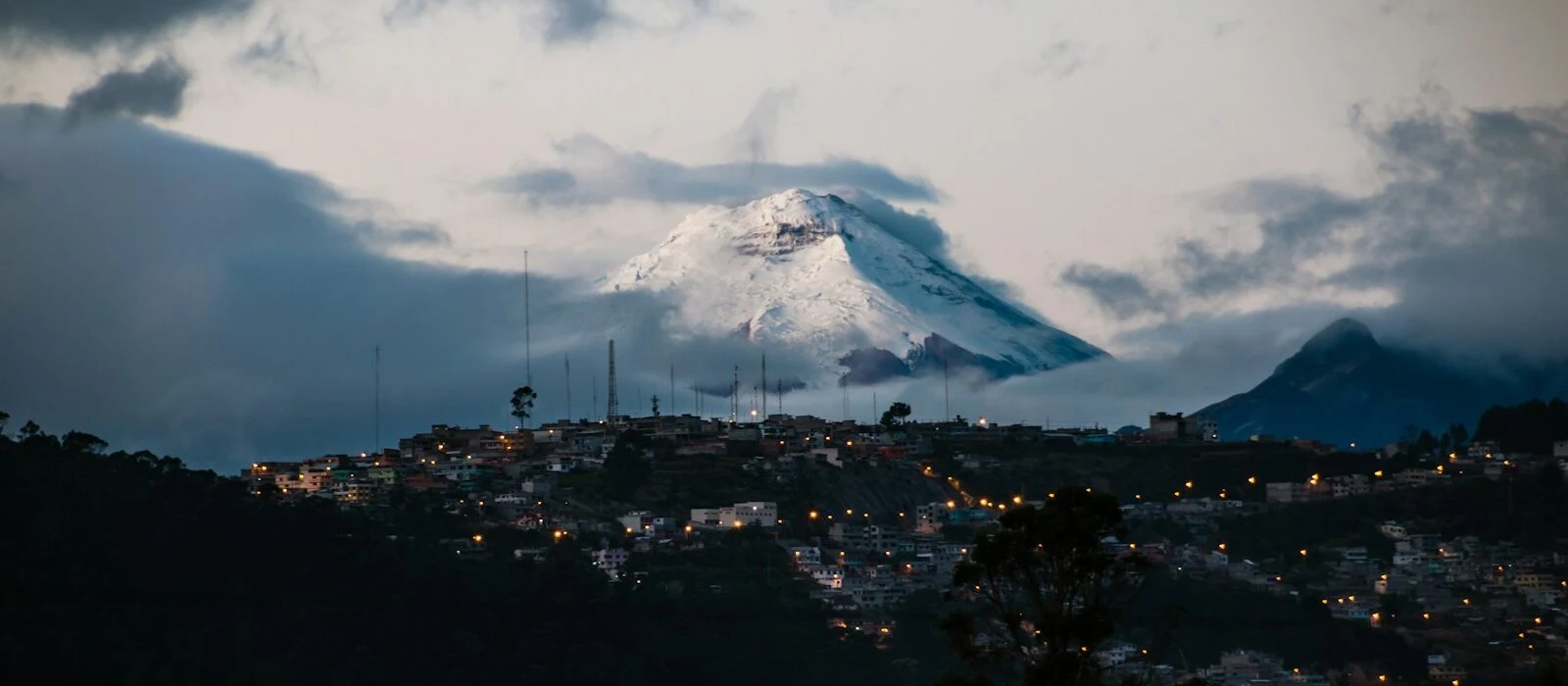
The Andes run through the middle of the country in two parallel ranges, with a high valley between them where Quito, the capital, sits at about 2,850 metres. Guayaquil, on the Guayas River near the Pacific, is the largest city and main port. Cuenca, in the southern highlands, is a colonial city known for its river-lined historic centre. Volcanoes such as Cotopaxi and Chimborazo dominate the skyline, and Chimborazo’s summit is often described as the point on Earth’s surface farthest from the planet’s centre.
East of the Andes the land drops into the Amazon rainforest, with rivers, lodges and Indigenous communities. To help you plan, our guide to the best places to visit in Ecuador explains how the regions fit together, and our Ecuador transport guide covers moving between them.
Introduction to Ecuador
Ecuador is a South American republic of roughly 18 million people, with Spanish as its main language and the US dollar as its currency. It is known for biodiversity, colonial cities, Andean villages and the Galápagos. Quito is the capital and Guayaquil the largest city.
Last checked: November 2026
Ecuador has used the US dollar since 2000, which makes budgeting simple for many visitors, although small notes and coins are easier to use than large bills. Spanish is the common language of daily life, while Kichwa and Shuar are recognised as official languages of intercultural relations, and you will hear Kichwa in highland markets. The mainland time zone is UTC−5, and the Galápagos are one hour behind.
The country has a reputation for compact variety. The Pacific coast has fishing towns, surf beaches and mangroves, while the highlands offer volcano hikes, hot springs and artisan markets. The rainforest has some of the richest wildlife on the planet, and the Galápagos are famous for species found nowhere else. Several sites are on the UNESCO World Heritage List, including Quito’s historic centre, Cuenca’s historic centre and the Galápagos Islands.
Ecuador’s safety situation varies by region, so it pays to read official advice before you go. If you are weighing up when to travel, our best time to visit Ecuador guide compares weather across the four regions, and our Ecuador itinerary ideas show how to combine them.
History of Ecuador
Ecuador’s history runs from early Indigenous cultures such as Valdivia, through Inca rule and Spanish colonisation, to independence in the 1820s. It became a separate republic in 1830 after leaving Gran Colombia. Modern Ecuador has shifted between periods of political instability and reform, including dollarisation in 2000.
Last checked: November 2026
People lived in the region thousands of years before European contact. The Valdivia culture on the coast produced some of the oldest known ceramics in the Americas, and highland groups such as the Cañari and Quitu developed organised societies. In the late fifteenth century the Inca Empire expanded into the area, but its rule was short, as Spanish conquistadors arrived in the 1530s.
Quito became an important colonial administrative centre and was famous for its churches and the Quito School of religious art. The independence movement grew in the early nineteenth century, and the Battle of Pichincha on 24 May 1822 secured freedom from Spanish rule for the Quito region. Ecuador then joined Gran Colombia before becoming an independent republic in 1830.
The twentieth century brought border disputes with Peru, which were settled by a peace agreement in 1998, along with shifts between civilian and military governments and the oil boom that began in the Amazon in the early 1970s. The 2008 constitution was the first in the world to recognise legal rights for nature. The Galápagos also have a story of their own, as Charles Darwin visited in 1835 and the islands later inspired his theory of evolution.
Culture and Traditions of Ecuador
Ecuadorian culture blends Indigenous, Spanish and Afro-Ecuadorian influences. Most people are mestizo, with large Indigenous communities in the highlands and Amazon, Afro-Ecuadorian communities on the northern coast and Montubio communities in the coastal countryside. Festivals, crafts, music and family meals are central to everyday life.
Last checked: November 2026
Indigenous traditions are strongest in the Andes and the Amazon. The Otavalo area is known for textiles and its large artisan market, and Kichwa communities mark the Inti Raymi festival around the June solstice. Many communities celebrate harvest and sun rituals that blend Andean beliefs with Catholic holidays. In the Amazon, groups such as the Shuar and Waorani maintain their own languages and ways of life, and visitors should join community tourism with respect and ask permission before taking photos.
Religious and civic festivals fill the calendar. Carnival is celebrated nationwide with water play, Holy Week is marked by processions in Quito, and on 2 November families observe the Day of the Dead with visits to cemeteries and special foods. In Latacunga, the Mama Negra festival mixes Catholic and Indigenous elements in a colourful parade. Music includes the melancholic pasillo, Andean folk with panpipes and charango, and lively coastal rhythms.
Ecuador is also the true home of the so-called Panama hat, which is woven from toquilla straw in coastal and southern communities, and the craft is recognised by UNESCO as intangible cultural heritage. Greetings are polite and warm, with a handshake or a light kiss on the cheek among friends. Arriving a little late is common socially, but be on time for tours and transport.
Food and Cuisine of Ecuador
Ecuadorian cuisine varies by region, from coastal seafood and plantain dishes to highland soups, potatoes and roast pork. Signature foods include ceviche, encebollado, locro de papa, llapingachos, hornado, fritada, bolón de verde and fanesca. Fresh tropical fruit and strong local coffee are also part of the table.
Last checked: November 2026
On the coast, seafood leads the menu. Ecuadorian ceviche is usually served with a tangy tomato and citrus broth and is often eaten with popcorn or plantain chips. Encebollado is a fish soup with albacore tuna, yuca and pickled red onion, which locals often enjoy as a morning meal. Bolón de verde is a fried or baked ball of mashed green plantain, filled with cheese or pork.
In the highlands, hearty dishes suit the cooler climate. Locro de papa is a creamy potato soup topped with cheese and avocado. Llapingachos are pan-fried potato and cheese patties served with peanut sauce or fried egg. Hornado is slow-roasted pork, fritada is fried pork pieces served with hominy and plantain, and humitas are steamed fresh-corn parcels. Cuy, or roasted guinea pig, is a traditional celebration dish in the Andes.
Seasonal specialities add variety. Fanesca is a rich soup made with grains, beans and salted cod, and it is traditionally served during Holy Week. Around the Day of the Dead, families prepare colada morada, a spiced purple fruit drink, with bread shaped like figures. Street snacks and fruit juices are easy to find in every market, and travellers with dietary needs should ask how dishes are prepared. For help choosing where to base yourself, see our Ecuador hotels guide, and for getting there, read the Ecuador flights guide.
Explore Ecuador Travel Guides
Explore our detailed guides to plan every part of your Ecuador trip.
Explore Ecuador Tours
Discover guided tours and adventures in Ecuador. Compare itineraries, prices and traveller reviews on TourRadar before you book.
Guided tours & deals
Affiliate partner · Globe Navo may earn a commission from qualifying bookings at no extra cost to you.
❓ Ecuador FAQ
Where is Ecuador located?
Ecuador is in north-western South America, bordered by Colombia, Peru and the Pacific Ocean. The equator crosses the country, and the Galápagos Islands lie about 1,000 km offshore. Its main regions are the coast, the Andes, the Amazon and the islands.
What currency does Ecuador use?
Ecuador uses the US dollar and has done so since 2000. You do not need to exchange currency if you carry dollars, but small bills and coins are easier to use for taxis, markets and bus fares than large notes.
What language is spoken in Ecuador?
Spanish is the main language of daily life. Kichwa and Shuar are official languages of intercultural relations, and Kichwa is heard in highland communities. In tourist areas some staff speak English, but basic Spanish phrases help.
What is Ecuador known for?
Ecuador is known for the Galápagos Islands, Andean volcanoes, colonial cities such as Quito and Cuenca, Amazon rainforest and the toquilla-straw Panama hat. It also has a rich Indigenous heritage and regional food from ceviche to hornado.
Is Ecuador safe to visit?
Conditions vary by region. The US State Department advises increased caution and names areas it advises against all travel to, while the UK FCDO advises against all but essential travel to some coastal provinces. Check the latest advice before planning.
Plan Your Trip to Ecuador
Your Next Adventure in Ecuador Awaits!
Explore Deals →🎁 Best deals for Ecuador
Offers from trusted travel stores for your Ecuador trip. Compare a few options before you book, and check each store's terms for the final price.
Browse by type: Hotel deals · Flight deals · Travel eSIM · Car rental
 SimOptionsFind the latest SimOption promo code and coupon code for travel eSIM data plans. See how to apply an offer at checkout, fix common code errors and stay connected abroad.
Get Coupon View Deal
 TourRadarTourRadar is an online marketplace for multi-day guided tours, small-group trips and tailor-made journeys offered by independent tour operators around the world.
Get Coupon View Deal
More destinations to explore
BotswanaBotswana is a Southern African safari country known for the Okavango Delta, Chobe National…
 AlgeriaAlgeria travel guide to its location, history, culture and food, with links to visa,…
 AndorraAndorra is a small Pyrenean country between France and Spain, known for skiing, hiking,…