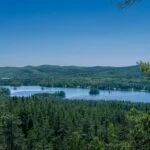
When Is the Best Time to Visit Finland?
The best time to visit Finland depends on what you want to do. June to August suits lakes, long daylight and city breaks, while late autumn to March suits snow, winter sports and northern lights in Lapland. Spring and early autumn are quieter. The south and the far north have very different seasons, so choose by region as well as by month.
Last checked: November 2026
Finland has four distinct seasons, and the contrast between them is large. The Finnish Meteorological Institute defines seasons by temperature rather than by the calendar, and it notes that the first snow usually falls in northern Finland in September and elsewhere in October. You can read more on the Finnish Meteorological Institute seasons page. This guide covers weather, daylight, holidays and packing. For route ideas that match each season, see the Finland itinerary guide.
The Four Seasons at a Glance
Summer (June to August)
Summer brings long days, lake swimming, island trips and festivals. In the far north the sun stays above the horizon for weeks around midsummer, and in the south the nights stay light through June. The Finnish Meteorological Institute gives the highest summer temperatures in the interior as 32 to 35 °C, while the highest temperature ever recorded in Helsinki is 31.6 °C, so heat is rarely extreme near the coast. Many seasonal services, such as archipelago ferries, run mainly in this period.
Autumn (September to November)
September brings ruska, the autumn colour season, and the northern lights season opens again at the end of August as nights grow dark. By November the days are short, the weather is damp and dim, and the country is quiet before the snow season begins. This is a good time for travellers who want calm and fewer crowds.
Winter (December to February)
Winter is the main season for Lapland. Most of the region experiences polar night, called kaamos, around December and January, and in the northernmost areas the sun does not rise for weeks. Snow activities and aurora tours are the main draw, and Visit Finland describes December and January as the most popular time to see the northern lights, especially around Christmas. Southern Finland is milder but still cold, dark and often snowy.
Spring (March to May)
Late winter is bright and snowy, and Visit Finland describes February and March as the time when snow is at its best and the lights are still active. April is a transition month as snow melts and the aurora season closes. By May the days are long, Vappu on 1 May opens the summer mood, and the midnight sun begins to reach the far north.
Month-by-Month Conditions
The notes below are general guides, and conditions change from year to year. As one example of the north-south gap, Visit Finland reported monthly average temperatures of about -13.1 °C in Rovaniemi and -3.5 °C in Helsinki for January 2021.
- January: the coldest part of winter, with very short days. Polar night begins to ease in the far north. Good for snow activities and aurora tours.
- February: days lengthen quickly and snow conditions suit skiing and snowmobile safaris. Helsinki averages about nine hours of daylight in this month, according to Visit Finland.
- March: bright, snowy days with continued aurora chances. One of the most comfortable winter months for time outdoors.
- April: the aurora season closes as nights get lighter, and snow starts to melt. Some winter services wind down, so check opening dates.
- May: spring arrives, Vappu is celebrated on 1 May and the nights turn light. The midnight sun starts to appear in the far north.
- June: the heart of the light season, with Midsummer celebrations and very long evenings. A popular month for cottages, lakes and national parks.
- July: typically the warmest month, with long days and lake weather. Many Finns take holidays, so book popular summer places early.
- August: evenings begin to darken and the aurora season starts again at the end of the month. Helsinki hosts events such as Flow Festival.
- September: ruska colours, cool air and good hiking weather. Snow can fall in the far north.
- October: first snow in many parts of the country, shorter days and fewer visitors.
- November: dark, damp and quiet in the south, with early winter conditions in the north.
- December: the Christmas season, polar night in Lapland and high demand for northern travel.
Regional Climate Differences
Southern Finland, including Helsinki and Turku, has milder winters and warmer summers than the north. The coast is moderated by the sea, while the interior can be hotter in summer and colder in winter. Lapland has a subarctic climate with long, cold winters and short summers. The Archipelago Sea is best in summer, when ferry services and island accommodation operate at full capacity.
Because the north and south differ so much, a trip that combines Helsinki with Lapland needs clothing for both. Check the forecast for each region close to departure on the Finnish Meteorological Institute website.
Northern Lights and Midnight Sun Timing
Visit Finland gives the aurora season as late August to early April, with the best chances in Lapland and Arctic Lakeland, and it reports that the lights appear on roughly every second clear night during those months. You need dark, clear skies, so the bright summer months are not suitable. The midnight sun, with the sun staying above the horizon around the clock, occurs in the far north roughly from late May to late July. See the Visit Finland northern lights guide for seasonal advice.
Festivals and Public Holidays
Public holidays affect shop hours and transport, and many shops close on Easter, Midsummer and Christmas. The 2026 statutory holidays include New Year’s Day (1 January), Epiphany (6 January), Good Friday (3 April), Easter Sunday (5 April), Easter Monday (6 April), Vappu or May Day (1 May), Ascension Day (14 May), Midsummer Day (20 June), All Saints’ Day (31 October), Independence Day (6 December), Christmas Day (25 December) and Boxing Day (26 December).
Easter and Ascension Day move each year, and Midsummer Day always falls on a Saturday between 20 and 26 June, with Midsummer Eve on the Friday before. Check the dates for your own travel year before booking. Other seasonal events include the Midnight Sun Film Festival in Sodankylä in June and Helsinki’s summer festivals.
Peak Season and Low Season
There are two high seasons. Summer, from mid-June to early August, is busy in cities, cottages and national parks. Winter, from December to March, is busy in Lapland, with the Christmas period at its most popular. Shoulder months such as May, early September and October are usually quieter and offer a calmer experience. Lapland in November and April can be a low-demand option, although snow and aurora conditions are less reliable.
What to Pack
- Winter: thermal base layers, a windproof outer layer, insulated waterproof boots, a warm hat, gloves and a scarf. Layers matter more than one heavy coat.
- Summer: light layers, a rain jacket, comfortable walking shoes and insect repellent for forests and lakesides. Pack a sleep mask for the bright nights.
- Spring and autumn: waterproof shoes, a warm mid-layer and a hat, because weather changes quickly.
- All year: a swimsuit for saunas and lakes and a power adapter for European two-pin plugs.
Best Season by Travel Style
- Northern lights: September to March in Lapland.
- Winter sports and snow activities: December to March.
- Midnight sun, lakes and hiking: June to August.
- Autumn colours: September.
- City breaks and cultural trips: May to September, with winter for a cosy, quiet experience.
- Budget-friendly travel: shoulder months such as May, September and October.
Frequently Asked Questions
What is the best month to visit Finland?
June and July are the best months for warm weather, long days and outdoor activities. For snow and northern lights, February and March are excellent. The right month depends on your plans and on whether you visit southern Finland or Lapland.
When can I see the northern lights in Finland?
The season runs from late August to early April, with the best chances in Lapland. You need a dark, clear sky, so watch the forecast and allow several nights for the best chance of success.
Is Finland very cold in winter?
Yes, but the cold is manageable with proper clothing. Southern Finland is milder than Lapland, and indoor spaces are well heated. Dress in layers and wear insulated footwear when you go outside.
Does the sun really not set in summer?
In the far north the sun stays above the horizon for weeks around midsummer. In the south it sets briefly, but nights remain light for much of June, giving long evenings for outdoor activities.