 EthiopiaEthiopia is a landlocked country in the Horn of Africa, known for ancient heritage,…
DESTINATION
Central African Republic
Location, history, culture and food of the Central African Republic, with official safety advice and links to the full planning guides.
📅 Last updated:
🌍 Quick Facts

Central African Republic at a glance
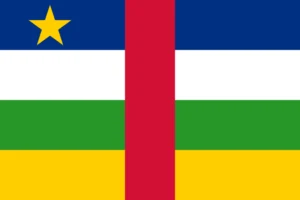
Capital: Bangui
Currency: Central African CFA franc (XAF)
Language: French, Sango
Population: About 5.5 to 6.5 million as of 2025 (estimates vary)
Time zone: West Africa Time (UTC+1)
Calling code: +236
Internet domain: .cf
Main airport: Bangui M’Poko International Airport (BGF)
Best time to visit: December to February
📍 Central African Republic Map
🖼️ Central African Republic: Location, History, Culture & Food
✨ Complete Travel Guide
Safety notice: The US Department of State rates the Central African Republic Level 4, Do Not Travel (advisory issued 15 January 2026), citing unrest, crime, kidnapping, landmines, health risks and terrorism. The UK Foreign, Commonwealth and Development Office (FCDO) advises against all travel to the whole country except the capital, Bangui, and against all but essential travel to Bangui, including Bangui M’Poko International Airport. Consular help is severely limited. This Central African Republic travel guide is for information only and does not encourage travel.
Where Is the Central African Republic Located?
The Central African Republic is a landlocked country in central Africa with an area of about 623,000 square kilometres. It borders Chad to the north, Sudan and South Sudan to the east, the Democratic Republic of the Congo and the Republic of the Congo to the south, and Cameroon to the west. The capital is Bangui.
Last checked: November 2026
Most of the land is a plateau between roughly 610 and 760 metres above sea level. Savanna covers much of it, with a drier Sahel-type zone in the north and equatorial forest in the south. Bangui stands on the northern bank of the Ubangi River, which forms the border with the Democratic Republic of the Congo and flows on to the Congo River. The whole country uses West Africa Time, which is UTC+1.
Distances are hard to judge from a map. Only about 3 percent of the national road network, roughly 24,000 kilometres, is paved. The guide to getting around the Central African Republic explains what transport exists, and the flights guide covers international arrivals. Before reading further, check the US State Department advisory and the FCDO travel advice.
Central African Republic Travel Guide: An Introduction to the Country
The Central African Republic (CAR) is known for its rainforest, savanna wildlife and the Ubangi River. French and Sango are the official languages, the currency is the Central African CFA franc (XAF), and the capital is Bangui. It is a presidential republic with a one-house National Assembly of 140 members.
Estimates of the population range from about 5.5 million to 6.5 million as of 2025, depending on the source. Those figures describe the whole country, not Bangui alone, which is the largest city.
The country has two UNESCO World Heritage Sites, both natural. Manovo-Gounda St Floris National Park was listed in 1988 and has been on the List of World Heritage in Danger since 1997 because of poaching. The Sangha Trinational is shared with Cameroon and the Republic of the Congo. UNESCO’s country page lists both.
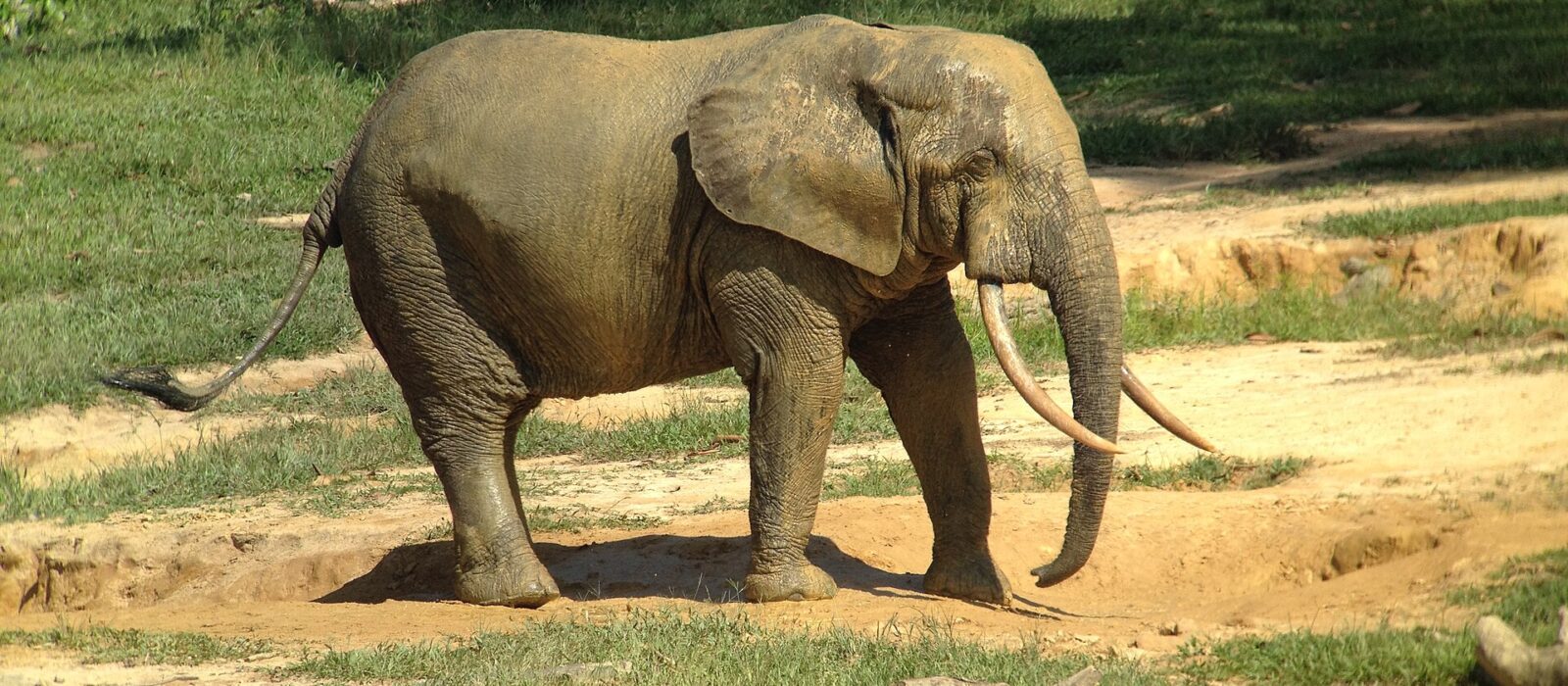
In the southwest, the Dzanga-Sangha protected areas shelter forest elephants and western lowland gorillas. A common misunderstanding is that these reserves are easy trips from the capital. They are remote, and reaching them takes careful planning. The best places to visit guide describes them with that limit in mind.
Many nationalities need a visa, and the rules change, so read the visa guide and confirm with the official source. Rooms are limited, as the where to stay guide explains, and the itinerary page shows how long realistic trips take.
History of the Central African Republic
People have lived in the area for at least 8,000 years. France took control in the 1890s, and the colony of Ubangi-Shari became the Central African Republic in 1958 and gained independence on 13 August 1960. Since then the country has seen coups, a short-lived empire and repeated armed conflict, most recently from 2013.
Early Settlement and French Rule
Bangui began in 1889 as a French trading post on the Ubangi River. By 1894 the territory of Ubangi-Shari, named after the Ubangi and Chari rivers, was under French colonial rule. In 1910 it joined three other territories to form French Equatorial Africa.
Independence, Coups and the Empire
On 1 December 1958 Ubangi-Shari became an autonomous republic within the French Community under Barthélemy Boganda. He died in a plane crash in March 1959. David Dacko was president when independence came on 13 August 1960.
Jean-Bédel Bokassa took power in a coup in 1966. He proclaimed the Central African Empire on 4 December 1976 and was crowned emperor on 4 December 1977. The empire ended on 21 September 1979, and the republic was restored.
Conflict Since 2013
Several coups followed in later decades. In March 2013 the Séléka rebel coalition seized Bangui and forced President François Bozizé out. Its leader, Michel Djotodia, formally dissolved the group in September 2013 and resigned in January 2014. Fighting between ex-Séléka groups and anti-balaka militias continued, and the United Nations mission MINUSCA works in the country.
In February 2019 the government and 14 armed groups signed a peace agreement, the eighth since the violence began. The CIA World Factbook says armed groups still control large parts of the territory.
Culture of the Central African Republic
Central African culture draws on many ethnic groups, forest communities such as the BaAka, French colonial influence and a strong tradition of music. French and Sango are the official languages, and Sango serves as the common language between groups. Daily life follows the rhythm of farming, markets and family ties.
Language
French is used in government, schools and business. Sango is the national language and the lingua franca. Many other local languages are spoken at home.
Religion
Christianity is the largest religion, and the CIA World Factbook notes that animist beliefs and practices strongly influence the Christian majority.
Festivals and Holidays
Independence Day on 13 August and National Day on 1 December, which marks the 1958 proclamation of the republic, are the main national holidays. Christmas, Easter Monday, Ascension and Pentecost Monday are also public holidays. The best time to visit guide explains how holidays and the seasons affect travel.
Etiquette
Modest dress is the safer choice, particularly for women, who are advised to avoid shorts and short skirts. The FCDO notes that homosexuality is not illegal, but same-sex relationships are not widely accepted and LGBT+ travellers may face arrest for public expressions of affection. Official advice is to carry identification at all times.
Music and Arts
Britannica describes Bangui as having a diverse musical culture. Near the Dzanga-Sangha reserve, BaAka forest communities take part in visits arranged through the reserve’s own programmes, which are run with the aim of sharing income with local people.
Food of the Central African Republic
Cassava is the foundation of Central African food. It is pounded or fermented into pastes and breads such as gozo and chikwangue, and it is eaten with sauces made from cassava leaves, peanuts, palm oil, fish or meat. Cassava leaves are also a staple vegetable in their own right.
Staples
Gozo is a thick paste made by boiling cassava flour and stirring it until elastic. Chikwangue is cassava that has been fermented and steamed in leaves, with a slightly tangy flavour. Fufu, pounded cassava or sometimes yam, is also common. A porridge of rice, peanut butter, millet flour and lemon appears in some regional accounts of the cuisine.
Signature Dishes
- Ngunza: cassava leaves pounded and stewed for hours with palm oil, often with fish or meat, and widely described as a national dish.
- Gozo with a leaf sauce: the everyday pairing of cassava paste and a green stew.
- Chikwangue: cassava bread served warm or at room temperature beside sauces.
- Palm butter soup: a rich sauce made from palm fruit.
- Muamba: a palm-oil stew, often made with chicken, tomato and peanuts.
- Chicken in peanut sauce: a dish households with means prepare for celebrations.
- Spinach stew: spinach cooked with groundnuts.
- River fish: fish from the Ubangi, smoked or grilled.
- Caterpillars: a seasonal forest food sold in Bangui markets.
Street Food and Markets
Markets in Bangui sell forest products, including caterpillars, along with cassava, vegetables and smoked fish. Small local restaurants serve traditional dishes at modest prices, and menus change with the season and the harvest.
Drinks
Palm wine is tapped from palm sap and ferments within hours. Banana wine and locally brewed sorghum beer are also made, and ginger beer is a popular soft drink. Bottled beers such as Mocaf and Export are sold in towns. Many Muslims do not drink alcohol, and the legal drinking age is 18. A hibiscus-flower drink is associated with the north.
Regional Differences
Forest areas in the south rely on cassava leaves, palm oil and forest foods, while millet, sorghum and the hibiscus drink are more closely tied to the north. French influence shows in the bread eaten in towns.
Explore Central African Republic Travel Guides
Explore our detailed guides to plan every part of your Central African Republic trip.
Central African Republic: Best Places
Dzanga-Sangha, Bangui and other places in the Central African Republic, grouped by type, with access limits and official safety warnings.
View Guide ›Central African Republic: Best Time to Visit
Weather by season and month in the Central African Republic, from dry-season roads to wet-season rain, with holidays, packing tips and warnings.
View Guide ›Central African Republic: Itineraries
Realistic 3, 5 and 7 day plans for the Central African Republic, built around Bangui and Dzanga-Sangha, with travel times and safety...
View Guide ›Central African Republic: Visa
Who needs a visa for the Central African Republic, which official sources to check, passport rules and entry basics, with safety advice.
View Guide ›Central African Republic: Flights
Which airport serves international flights to the Central African Republic, airlines listed on its routes, transfers, a pre-flight checklist and warnings.
View Guide ›Central African Republic: Getting Around the
How transport works inside the Central African Republic: charter flights, roads, river ferries, taxis and driving rules, with realistic times and warnings.
View Guide ›Central African Republic: Hotels
Where visitors stay in the Central African Republic, from Bangui hotels to forest lodges near Dzanga-Sangha, with booking tips and safety limits.
View Guide ›Explore Central African Republic Tours
Discover guided tours and adventures in Central African Republic. Compare itineraries, prices and traveller reviews on TourRadar before you book.
Guided tours & deals
Affiliate partner · Globe Navo may earn a commission from qualifying bookings at no extra cost to you.
❓ Central African Republic FAQ
What is the capital of the Central African Republic?
The capital is Bangui, the largest city. It stands on the northern bank of the Ubangi River, which forms part of the southern border with the Democratic Republic of the Congo. The city was founded in 1889 as a French trading post and is the seat of government.
What languages are spoken in the Central African Republic?
French and Sango are the official languages. French is used in government and schools, while Sango is the national language and the common language between ethnic groups. Many other local languages are spoken at home across different regions of the country.
What currency does the Central African Republic use?
The country uses the Central African CFA franc, abbreviated XAF. It is shared with several neighbouring Central African states and is pegged to the euro. Banking facilities are limited, and the US State Department says currency exchange exists only in the capital.
Does the Central African Republic have a coast?
No. It is landlocked in central Africa, bordered by Chad, Sudan, South Sudan, the Democratic Republic of the Congo, the Republic of the Congo and Cameroon. The Ubangi River in the south and the Sangha River in the southwest are important waterways for transport and fishing.
Which sites are on the UNESCO World Heritage List?
Two natural sites are listed: Manovo-Gounda St Floris National Park, inscribed in 1988 and on the danger list since 1997, and the Sangha Trinational, shared with Cameroon and the Republic of the Congo. The country has no cultural sites inscribed at present.
Plan Your Trip to Central African Republic
Find Hotels in Central African Republic
Compare Flight Deals
Car Rental Options
Visa Guide for Tourists
Your Next Adventure in Central African Republic Awaits!
Explore Deals →🎁 Best deals for Central African Republic
Offers from trusted travel stores for your Central African Republic trip. Compare a few options before you book, and check each store's terms for the final price.
Browse by type: Hotel deals · Flight deals · Travel eSIM · Car rental
 SimOptionsFind the latest SimOption promo code and coupon code for travel eSIM data plans. See how to apply an offer at checkout, fix common code errors and stay connected abroad.
Get Coupon View Deal
 TourRadarTourRadar is an online marketplace for multi-day guided tours, small-group trips and tailor-made journeys offered by independent tour operators around the world.
Get Coupon View Deal
More destinations to explore
EthiopiaEthiopia is a landlocked country in the Horn of Africa, known for ancient heritage,…
 GuatemalaSafety Notice: The US State Department rates Guatemala Level 3, Reconsider Travel, because of…
 HungaryHungary travel guide: where the country is, its history, culture and food, from Budapest…