 ItalyItaly travel guide: where Italy is, what it is known for, its history, culture…
DESTINATION
Guatemala
📅 Last updated:
🌍 Quick Facts

Guatemala at a glance
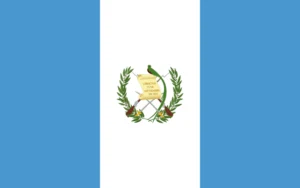
Capital: Guatemala City
Currency: Guatemalan quetzal (GTQ)
Language: Spanish
Population: About 18.1 million (World Bank, 2025)
Time zone: CST (UTC-6), no daylight saving time
Calling code: +502
Internet domain: .gt
Main airport: La Aurora International Airport (GUA)
Best time to visit: November to April (dry season); the best time varies by region
📍 Guatemala Map
🖼️ Guatemala: Location, History, Culture & Food
✨ Complete Travel Guide
Safety Notice: The US State Department rates Guatemala Level 3, Reconsider Travel, because of crime and terrorism (advisory dated 12 March 2026). It advises Do Not Travel to San Marcos Department, Huehuetenango Department, Zone 18 in Guatemala City and the city of Villa Nueva. This warning applies to those specific areas, not to the whole country. Advice changes, so check the US State Department and UK FCDO pages before you travel.
Where Is Guatemala Located?
Guatemala is a country in Central America. It borders Mexico to the north and west, Belize and the Caribbean Sea to the northeast, Honduras to the east, El Salvador to the southeast and the Pacific Ocean to the south. Its capital and largest city is Guatemala City.
Last checked: November 2026
Guatemala covers about 108,889 square kilometres, slightly smaller than the US state of Pennsylvania. It has a Pacific coastline and a short Caribbean coastline on the Gulf of Honduras, and it shares land borders with four neighbouring countries.
The country is mountainous. Its highest point, Volcán Tajumulco at 4,220 metres, is the highest peak in Central America. Guatemala City lies in the Central Highlands at roughly 1,500 metres above sea level, and other major centres include Antigua Guatemala, Quetzaltenango in the Western Highlands and the Caribbean port of Puerto Barrios. The whole country uses one time zone, UTC-6.
Introduction to Guatemala
Guatemala is a Central American country known for its Maya heritage, colonial towns, volcanoes and highland lakes. Spanish is the official language and the quetzal is the national currency. Visitors usually combine Antigua Guatemala, Lake Atitlán and the Maya ruins of Tikal, with Guatemala City as the main gateway.
Last checked: November 2026
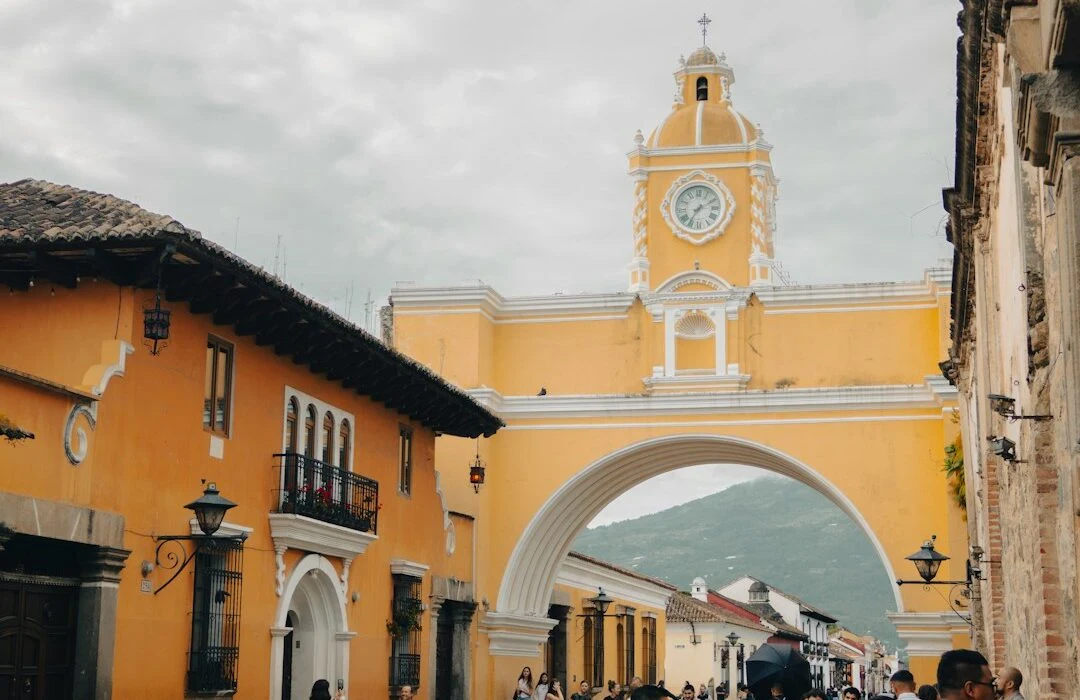
Guatemala has four UNESCO World Heritage properties: the colonial city of Antigua Guatemala and Tikal National Park, both inscribed in 1979, the archaeological park and ruins of Quiriguá, inscribed in 1981, and Tak’alik Ab’aj, added in 2023. Tikal is a mixed site, protected for both its Maya architecture and its rainforest setting.
Beyond the heritage sites, Lake Atitlán is one of the most visited natural areas, a lake framed by volcanoes and traditional Maya villages. The national tourism institute, INGUAT, promotes volcano hikes, rainforest expeditions and Maya heritage routes as the pillars of the country’s travel offer. Entry rules depend on your nationality and safety advice differs by region, so read the official advisory in the notice above before you plan.
History of Guatemala
Guatemala was a heartland of the Maya civilization long before the Spanish arrived. Pedro de Alvarado began the Spanish conquest in 1523–1524, the colony declared independence on 15 September 1821, and a 36-year civil war ended with the peace accords of December 1996.
Last checked: November 2026
The Maya built great cities in what is now northern Guatemala, and many of them had already declined by the time Spanish forces reached the region. Maya communities remained numerous and still make up a large part of the population today. Alvarado, a lieutenant of Hernán Cortés, led the campaign into the highlands, at first allying with the Kaqchikel against their K’iche’ rivals, while epidemics of Old World disease devastated the Indigenous population.
Guatemala then became the centre of the Captaincy General of Guatemala, which governed much of Central America. The colonial capital, now known as Antigua Guatemala, was founded in 1543 and served until an earthquake in 1773 forced the move to a new site. The new capital, today’s Guatemala City, was founded in 1776. After independence in 1821, Guatemala briefly joined the Mexican Empire and then belonged to the Federal Republic of Central America from 1823 to 1841, before standing alone as a republic.
The twentieth century brought dictatorships, a coup in 1954 and, from 1960 to 1996, a civil war between the government and leftist insurgents. The conflict caused immense loss of life and fell especially hard on Indigenous Maya communities. UN-brokered peace accords signed in December 1996 opened a period of civilian democratic government, though the country still faces serious challenges with crime and inequality, which is why travellers should follow the official advice above.
Culture and Traditions of Guatemala
Guatemalan culture blends living Maya traditions with Spanish Catholic heritage. Holy Week in Antigua Guatemala, the giant kites of the Day of the Dead, hand-woven clothing and marimba music are among its best-known expressions, and Spanish sits alongside around twenty Indigenous languages.
Last checked: November 2026
Semana Santa, the week before Easter, is the most important religious celebration. In Antigua Guatemala, solemn processions carry wooden platforms bearing sacred figures through the cobbled streets, and residents lay alfombras, carpets made from coloured sawdust, flowers and pine needles, along the route. The largest processions take place on Good Friday, and the city is very crowded that week.
On 1 November, families visit cemeteries for All Saints’ Day, and in Sumpango and Santiago Sacatepéquez near Antigua, teams fly or display enormous handmade kites, often decorated with social or political messages. Clothing is another living tradition: the huipil and corte are woven in designs that vary from one town to the next, so a garment can show where its wearer comes from. Marimba, a wooden xylophone-like instrument, is widely considered the national music, and the quetzal, a green bird with long tail feathers, is a national symbol that also gives the currency its name.
Etiquette is straightforward. Greet people politely, dress modestly in churches and rural communities, and always ask permission before photographing people, especially at markets and religious events. Tipping is customary in restaurants, and a service charge is sometimes added, so check your bill.
Food and Cuisine of Guatemala
The national dish of Guatemala is pepián, a thick stew of meat and vegetables in a roasted, spiced sauce thickened with seeds. It traces back to Maya cooking and is usually served with rice and tortillas, often at celebrations and in family restaurants.
Last checked: November 2026
Guatemalan cooking builds on corn, beans, tomatoes, chillies, plantains and tomatillos. Several of its best-known dishes come from Maya kitchens, and Spanish settlers later added ingredients such as beef and dairy. Many stews are served with rice and small tamales, and each region has its own specialities.
These are some of the signature dishes to look for:
- Pepián: a rich meat and vegetable stew in a roasted spice and seed sauce.
- Kak’ik: a red, spicy turkey soup associated with Cobán in Alta Verapaz.
- Jocón: chicken stewed in a green sauce of tomatillos, cilantro and green onion.
- Hilachas: shredded beef in a tomato-based sauce.
- Fiambre: a cold salad of meats, cheeses, vegetables and pickles, eaten around 1 November.
- Chuchitos: small meat-filled tamales, a popular street snack.
- Tamales colorados: red tamales that are traditional at Christmas.
- Paches: potato-based tamales, often with chicken.
- Rellenitos de plátano: sweet fried plantain parcels with a filling.
- Atol: a warm, thick drink based on corn.
Pork and poultry feature in many traditional dishes, so travellers with dietary restrictions should ask about ingredients before ordering.
Plan Your Guatemala Trip
Once you know the country, use our practical guides to plan. Start with the Guatemala visa guide to check entry rules for your passport, then see the best places to visit in Guatemala and the best time to visit Guatemala. Our Guatemala itineraries turn the highlights into day-by-day plans. For logistics, read about where to stay in Guatemala, flights to Guatemala and getting around Guatemala.
Explore Guatemala Travel Guides
Explore our detailed guides to plan every part of your Guatemala trip.
Explore Guatemala Tours
Discover guided tours and adventures in Guatemala. Compare itineraries, prices and traveller reviews on TourRadar before you book.
Guided tours & deals
Affiliate partner · Globe Navo may earn a commission from qualifying bookings at no extra cost to you.
❓ Guatemala FAQ
Do I need a visa to visit Guatemala?
It depends on your nationality. Many nationalities can enter for tourism without a visa for up to 90 days, but rules differ by passport. Check our visa guide and your government’s official immigration source before you book.
What is the best time to visit Guatemala?
The dry season, November to April, suits most travellers, with clearer skies and easier highland travel. The rainy season runs from May to October and is greener and quieter. The best time varies by region, so check our month-by-month guide before choosing dates.
What are the capital and currency of Guatemala?
The capital is Guatemala City and the national currency is the quetzal (GTQ). Spanish is the official language, and around twenty Indigenous languages are also spoken. The whole country uses one time zone, UTC-6, with no daylight saving time.
Which UNESCO World Heritage sites are in Guatemala?
Guatemala has four UNESCO World Heritage properties: Antigua Guatemala, Tikal National Park, the archaeological park and ruins of Quiriguá, and Tak’alik Ab’aj. Tikal is a mixed site, protected for both its Maya architecture and its surrounding rainforest.
What is the national dish of Guatemala?
Pepián, a thick stew of meat and vegetables in a roasted, spiced sauce thickened with seeds, is the national dish. It traces back to Maya cooking and is usually served with rice and tortillas. Other favourites include kak’ik, jocón and hilachas.
Plan Your Trip to Guatemala
Your Next Adventure in Guatemala Awaits!
Explore Deals →🎁 Best deals for Guatemala
Offers from trusted travel stores for your Guatemala trip. Compare a few options before you book, and check each store's terms for the final price.
Browse by type: Hotel deals · Flight deals · Travel eSIM · Car rental
More destinations to explore
ItalyItaly travel guide: where Italy is, what it is known for, its history, culture… MoldovaDiscover Moldova, a landlocked Eastern European country of rolling vineyards, medieval monasteries, Orthodox traditions…
 Marshall IslandsA guide to the Marshall Islands, a Pacific nation of coral atolls in Micronesia,…