Safety notice: The US Department of State rates the Central African Republic Level 4, Do Not Travel (advisory issued 15 January 2026), citing unrest, crime, kidnapping, landmines, health risks and terrorism. The UK Foreign, Commonwealth and Development Office (FCDO) advises against all travel to the whole country except the capital, Bangui, and against all but essential travel to Bangui, including Bangui M’Poko International Airport. Consular help is severely limited. This guide is for information only and does not encourage travel.
Last checked: November 2026
The best-known places in the Central African Republic are the Dzanga-Sangha forest reserve in the southwest and the capital, Bangui, on the Ubangi River. Most other attractions are remote, and several have no confirmed visitor access. This page describes what exists and what limits apply, not an endorsement to go. For context, start with the Central African Republic travel guide.
What Are the Best Places to Visit in the Central African Republic?
Dzanga-Sangha is the most established visitor destination, known for forest elephants at Dzanga Bai and gorilla tracking at Bai Hokou. Bangui offers a cathedral, markets and river views. Manovo-Gounda St Floris National Park is a UNESCO site, but it is listed in danger and visitor access is not confirmed. All of them fall under the government warnings above.
Nature and Wildlife
Dzanga-Sangha Protected Areas
The Dzanga-Sangha Special Reserve in the southwest was established in 1990 and covers about 6,866 square kilometres of rainforest, next to Dzanga-Ndoki National Park. The reserve’s own site describes forest elephants, buffalo, sitatunga, giant forest hogs and six duiker species. It is part of the transnational Sangha Trinational UNESCO site.
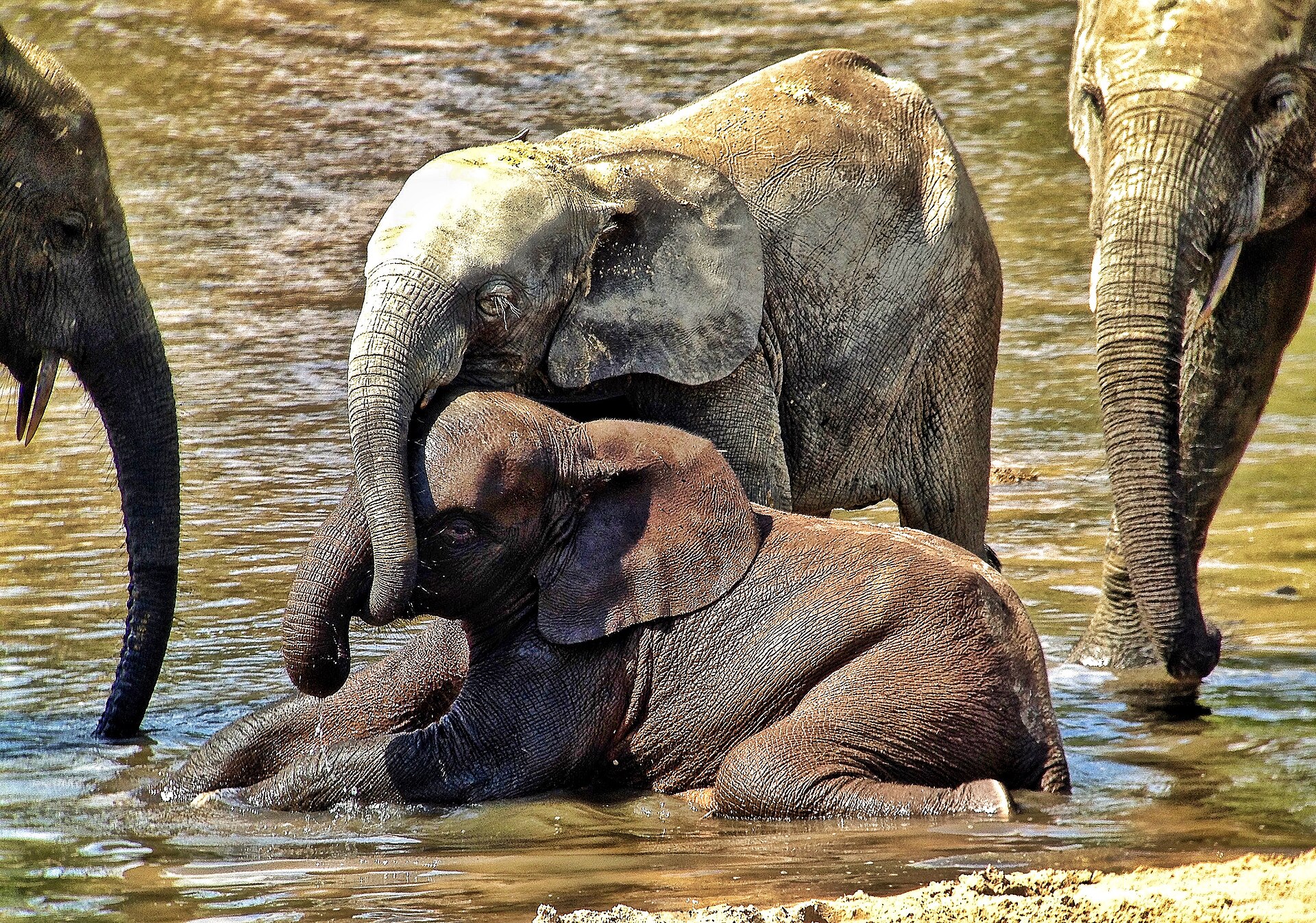
- Dzanga Bai: a forest clearing where elephants gather. From the reserve welcome centre it is a 14-kilometre drive to a parking area, then a walk of about 30 to 40 minutes.
- Bai Hokou: the base for tracking habituated western lowland gorillas, reached by a drive of about 35 kilometres on a former logging road, followed by a forest walk.
- Mongambe: a second gorilla-tracking area, about 16 kilometres from the welcome centre.
- Sangha River: boat trips are offered from the base at Bayanga.
Reserve staff say the usual way in is by air or by road from Bangui to Bayanga. The guide to getting around the Central African Republic explains why that journey is difficult. Medical evacuation from Bai Hokou and Mongambe is very limited, according to the reserve’s visitor terms.
Manovo-Gounda St Floris National Park
This park in the north was listed by UNESCO in 1988 for its savanna wildlife and has been on the List of World Heritage in Danger since 1997 because of heavy poaching. Because no official source confirms that the park is open to visitors, treat it as a place to read about rather than plan around.
Boali Falls
The Boali Falls on the Mbali River northwest of Bangui are long associated with the capital as a nearby natural sight. The FCDO advises against travel outside Bangui, so check current security before considering any trip beyond the city.
History, Culture and Cities
Bangui
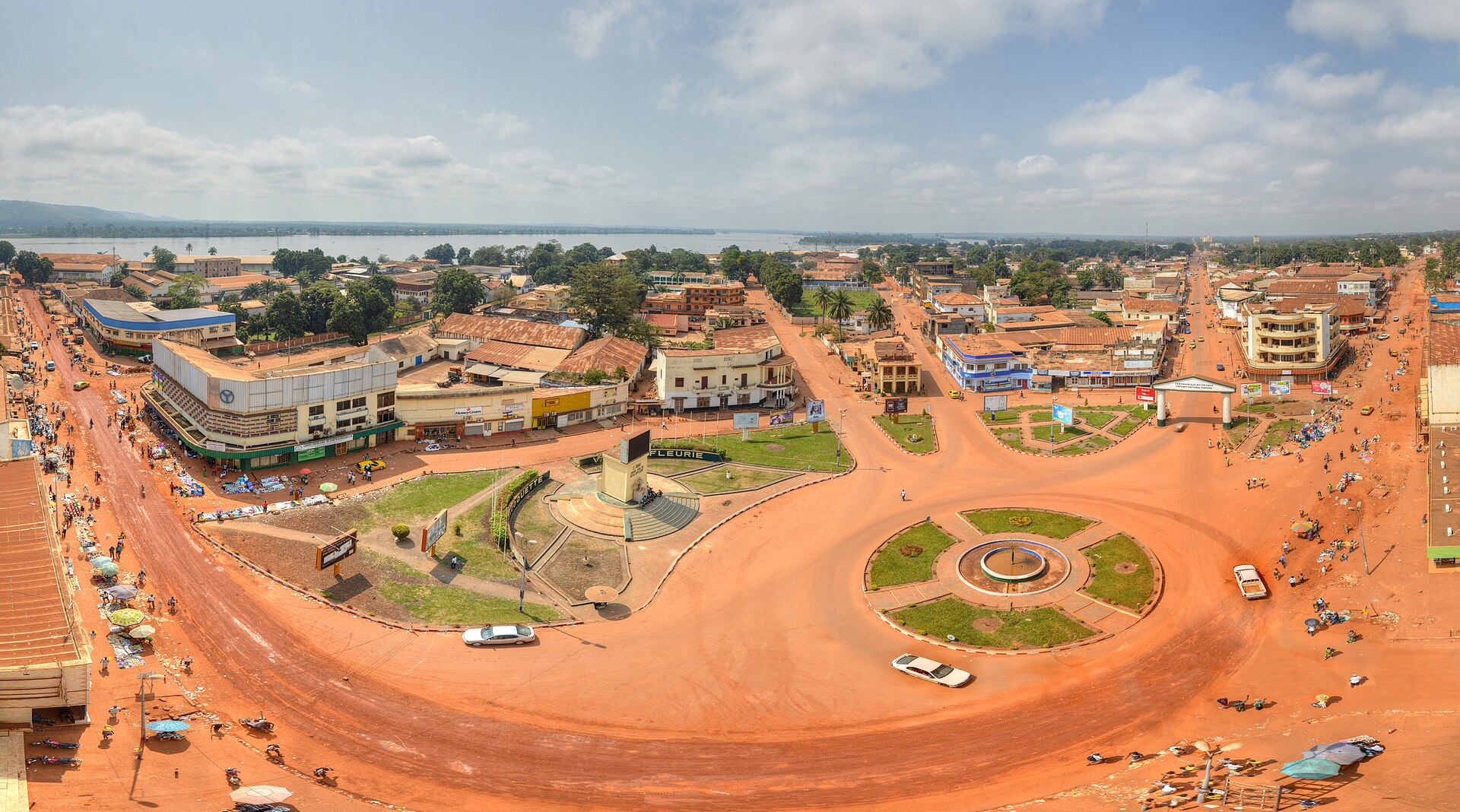
Founded in 1889 as a French trading post, Bangui is the capital and the largest city. Visitors read about the Notre-Dame Cathedral, dating from the colonial period, the central market and the Central Mosque. The river frontage on the Ubangi, which marks the border with the Democratic Republic of the Congo, is the city’s main natural feature. Allow one or two days for the city if you are there on essential business.
Cultural encounters
The reserve at Dzanga-Sangha arranges visits with BaAka forest communities through its own programmes. Choose only official arrangements, so income reaches local people and visits follow community rules.
Beaches and Food
There are no sea beaches because the country is landlocked. The Ubangi and Sangha rivers have sandbanks and shores, but swimming safety is not confirmed. For food, Bangui’s markets are the best place to see ingredients such as cassava leaves, smoked fish and palm oil. The dishes are described in the main country guide.
How Much Time Does Each Place Need?
| Place | Type | Time needed | Access note |
|---|---|---|---|
| Dzanga-Sangha | Nature | 4 to 5 nights suggested by operators | Remote; arranged through the reserve; check current conditions |
| Bangui | City | 1 to 2 days | FCDO: essential travel only |
| Boali Falls | Nature | Half a day | Outside Bangui; check security first |
| Manovo-Gounda St Floris | UNESCO park | Not applicable | Visitor access not confirmed |
Passes, Seasons and Closures
Permit costs and booking rules for Dzanga-Sangha are set by the reserve, so use its official website and do not rely on a third party for prices. Operators describe December to March as the best months to visit, though the reserve can be visited at other times. In the rainy season, laterite roads can become almost impassable, which matters for any overland plan. The best time to visit guide covers the seasons in detail. No attraction on this page was confirmed closed or under renovation at the time of checking, but conditions can change without notice.
Choose This Place If
- You want wildlife and can accept long, uncertain journeys: choose Dzanga-Sangha.
- You must be in the capital for work or family reasons: choose Bangui and keep movements minimal.
- You want to understand conservation history: read about Manovo-Gounda St Floris rather than plan a visit.
Common Mistakes
- Assuming wildlife areas are short trips from Bangui.
- Booking without confirming access, permits and evacuation arrangements.
- Relying on old tour listings for places that may be closed.
- Travelling overland in the wet season without checking road conditions.
Quick Checklist
- Read the US State Department advisory and the FCDO travel advice.
- Check the visa rules in the visa guide.
- Contact the reserve for current access and permits.
- Arrange insurance that covers evacuation.
Best Places FAQs
Is there anything to see in Bangui?
Bangui has a colonial-era cathedral, markets and the Ubangi riverfront. Because the FCDO advises against all but essential travel to the city, anyone there should limit movements and follow local security advice.
Can you see gorillas in the Central African Republic?
Western lowland gorillas can be tracked at Bai Hokou and Mongambe in Dzanga-Sangha, according to the reserve. Access is remote and evacuation options are very limited, so check current conditions with the reserve before making any plan.
Is Manovo-Gounda St Floris open to tourists?
No official source confirms visitor access. UNESCO has listed the park as in danger since 1997 because of poaching. Treat any tour that claims access with caution and ask for evidence from the managing authority.
Are there beaches?
No. The country is landlocked, so there is no sea coast. Rivers such as the Ubangi and Sangha are important for transport and fishing, but swimming safety has not been confirmed.