Safety notice: The US Department of State rates the Central African Republic Level 4, Do Not Travel (advisory issued 15 January 2026), citing unrest, crime, kidnapping, landmines, health risks and terrorism. The UK Foreign, Commonwealth and Development Office (FCDO) advises against all travel to the whole country except the capital, Bangui, and against all but essential travel to Bangui, including Bangui M’Poko International Airport. Consular help is severely limited. This guide is for information only and does not encourage travel.
Last checked: November 2026
The driest and most comfortable months in the Central African Republic run from December to February, when rain is rare and unpaved roads are easier to use. The wettest months fall between June and October. Weather is only one factor, and no season removes the risks in the government warnings above. For an overview of the country, see the Central African Republic travel guide.
When Is the Best Time to Visit the Central African Republic?
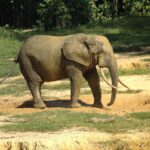
December is the best month for weather in the capital, with highs near 33°C, lows near 23°C and rain on only about 7 percent of days, according to a ten-year weather dataset. January and February are also dry but hotter. Operators describe December to March as the best window for the Dzanga-Sangha reserve. Wet months make roads difficult.
How Do the Seasons Work?
The country sits north of the equator and is hot all year. The south has a longer wet season, while the far north is drier and has a longer dry season. Climate sources disagree on exact start and end dates, so treat the months below as a guide. In the dry season, harmattan winds can bring Saharan dust, and river levels fall. In the rainy season, short, heavy storms can cause flooding, and the red laterite soil makes unpaved roads almost impassable.
Month-by-Month Weather in Bangui
| Month | What to expect |
|---|---|
| January | Peak dry season; highs around 36°C, lows near 22°C, rain on about 4 percent of days |
| February | Hot and dry; temperatures about 24 to 36°C, rain on about 10 percent of days |
| March | Heat continues and rain becomes more frequent as the dry season ends |
| April | Humid, with more rainy days than March |
| May | Temperatures about 24 to 31°C, rain on about 48 percent of days |
| June | Wet season; about 23 to 31°C, rain on about 60 percent of days |
| July | Wet season continues with frequent, heavy showers |
| August | Among the wettest months; reference data show about 245 mm of rain and 17 rainy days |
| September | Wet; about 22 to 30°C, rain on about 75 percent of days |
| October | Still wet; about 208 mm of rain and 17 rainy days in one reference table |
| November | Rain drops back sharply and conditions improve toward the dry season |
| December | Best month for weather; about 23 to 33°C, around 11 hours of sun, rain on about 7 percent of days |
Figures are averages from weather reference sites and vary by location. The far north is hotter and drier than Bangui, and the southwest forest around Dzanga-Sangha is wetter. Check a forecast close to any travel date, and read the US State Department advisory and the FCDO travel advice for current conditions.
Weather by Region
- Bangui and the south: humid, with a long wet season and a short dry season from about December to February.
- Southwest forest: equatorial climate with heavy rain in many months; operators advise December to March for the Dzanga-Sangha reserve, though it can be visited at other times.
- North and northeast: hotter and drier, with a rainy season of a little over four months in the far north.
Holidays and Events That Affect Travel
Independence Day on 13 August and National Day on 1 December are public holidays, along with Christmas, Easter Monday, Ascension and Pentecost Monday. Offices and banks close on those days, which matters if you need paperwork or cash. Ramadan moves about ten days earlier each year, and many Muslim residents fast during daylight, so some restaurants close in the daytime and business hours shift. No festival dates for the coming season were confirmed by an official source, so check the calendar with your host before travel.
Best Months by Type of Trip
- Wildlife in Dzanga-Sangha: December to March, based on operator advice and the reserve’s own seasonal notes.
- City stay in Bangui on essential business: December to February for lower rain and easier movement.
- Road travel: dry months only, because rain can close unpaved roads.
See the best places guide for access notes on each site.
What to Pack
- Lightweight, modest clothing that covers shoulders and knees.
- A waterproof jacket and sturdy shoes, even in the dry season.
- Insect repellent and a health kit, after speaking to a travel health clinic.
- Your yellow fever vaccination certificate, which border officials check.
- Copies of key documents kept separately from the originals.
Common Mistakes
- Planning overland travel for the wet season.
- Assuming the best weather means the safest conditions.
- Ignoring holiday closures for banks and offices.
- Choosing dates before the visa is approved, as explained in the visa guide.
Best Time to Visit FAQs
What is the rainiest month in the Central African Republic?
August is among the wettest months in reference data, with around 245 mm of rain in Bangui. September also has many rainy days. Roads suffer most in this period, so overland plans carry more risk.
Is the dry season safer?
Not necessarily. The government warnings apply all year. Dry months make roads easier to use and flights less affected by weather, but unrest, crime and kidnapping risks remain.
When can you see gorillas and elephants in Dzanga-Sangha?
Operators say December to March is best, although the reserve can be visited at any time of year. Check current access with the reserve before planning because remote travel conditions change.
How hot does it get?
Bangui is hot all year, with highs of about 29 to 36°C across the months. January and February are the hottest, and August is the coolest. The far north is hotter than the capital.