 Burundi
DESTINATION
Bahamas
Learn where the Bahamas is, how its history unfolded, what shapes its culture and which dishes to try, from Junkanoo to conch salad.
📅 Last updated:
Bahamas: Hotels · Flights · Visa Guide · Deals
🌍 Quick Facts

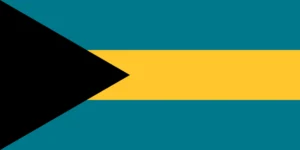
Bahamas at a glance
🏛️
Capital: Nassau
💱
Currency: Bahamian dollar (BSD)
💬
Language: English
👥
Population: About 398,000
🕒
Time zone: UTC-5 (Eastern Time, UTC-4 in summer)
📞
Calling code: +1 242
🌐
Internet domain: .bs
✈️
Main airport: Lynden Pindling International Airport (NAS)
★
Best time to visit: December to April
Food
- Conch salad
- Cracked conch
- Rock lobster
- Guava duff
- Peas and rice
Places
- Nassau and Paradise Island
- Exuma Cays
- Harbour Island
- Hope Town, Abaco
- Andros
- Grand Bahama
Weather
Warm all year, drier from December to April, hurricane season June to November
Culture
Junkanoo, Afro-Bahamian music, crafts and food
Cities
- Nassau
- Freeport
- George Town
- Marsh Harbour
- Dunmore Town
📍 Bahamas Map
📷 Photos of Bahamas
Explore Bahamas Travel Guides
Explore our detailed guides to plan every part of your Bahamas trip.
🗺️
Bahamas: Itineraries
Choose a 3, 5, 7 or 10 day Bahamas itinerary with realistic island-to-island travel advice, getting-around tips and common planning mistakes.
View Guide › 🛂Bahamas: Visa
Find out who needs a visa for the Bahamas, what to carry at the border and how to confirm the rules for...
View Guide › 📍Bahamas: Best Places
Compare the best places to visit in the Bahamas, from Nassau and Exuma to Harbour Island, Abaco and Andros, with how long...
View Guide › 🌤️Bahamas: Best Time to Visit
Plan the best time to visit the Bahamas with month-by-month weather, hurricane season dates, festivals and what to pack.
View Guide › ✈️Bahamas: Flights
Plan international flights to the Bahamas: main airports, airlines, getting from each airport to town, booking tips and a pre-flight checklist.
View Guide › 🚆Bahamas: Getting Around the
Get around the Bahamas by domestic flight, ferry, mailboat, taxi, jitney or rental car, with travel times, tips and common mistakes.
View Guide › 🛌Bahamas: Hotels
Find where to stay in the Bahamas, from Nassau and Paradise Island to Exuma, Eleuthera and Abaco, with stay types, family tips...
View Guide ›🖼️ Bahamas: Location, History, Culture & Food
✨ Complete Travel Guide
Where Is the Bahamas Located?
The Bahamas is an island country in the western Atlantic Ocean, east of Florida and north of Cuba. It’s an archipelago of about 700 islands and cays, and only around 30 of them have permanent residents. The capital, Nassau, sits on New Providence island.
Last checked: November 2026
This Bahamas travel guide covers the country’s location, history, culture and food. The islands aren’t in the Caribbean Sea. They lie in the Atlantic, which is why the Bahamas is grouped with the Caribbean by shared history and by its membership in the Caribbean Community (CARICOM) rather than by geography.
Florida lies to the west across the Straits of Florida, Cuba to the south, and the Turks and Caicos Islands to the southeast. The nearest Bahamian islands, such as Bimini, sit close to the Florida coast, so flights from Miami to Nassau are short. For airports and airlines, see our guide to flights to the Bahamas, and for moving between islands, read about getting around the Bahamas.
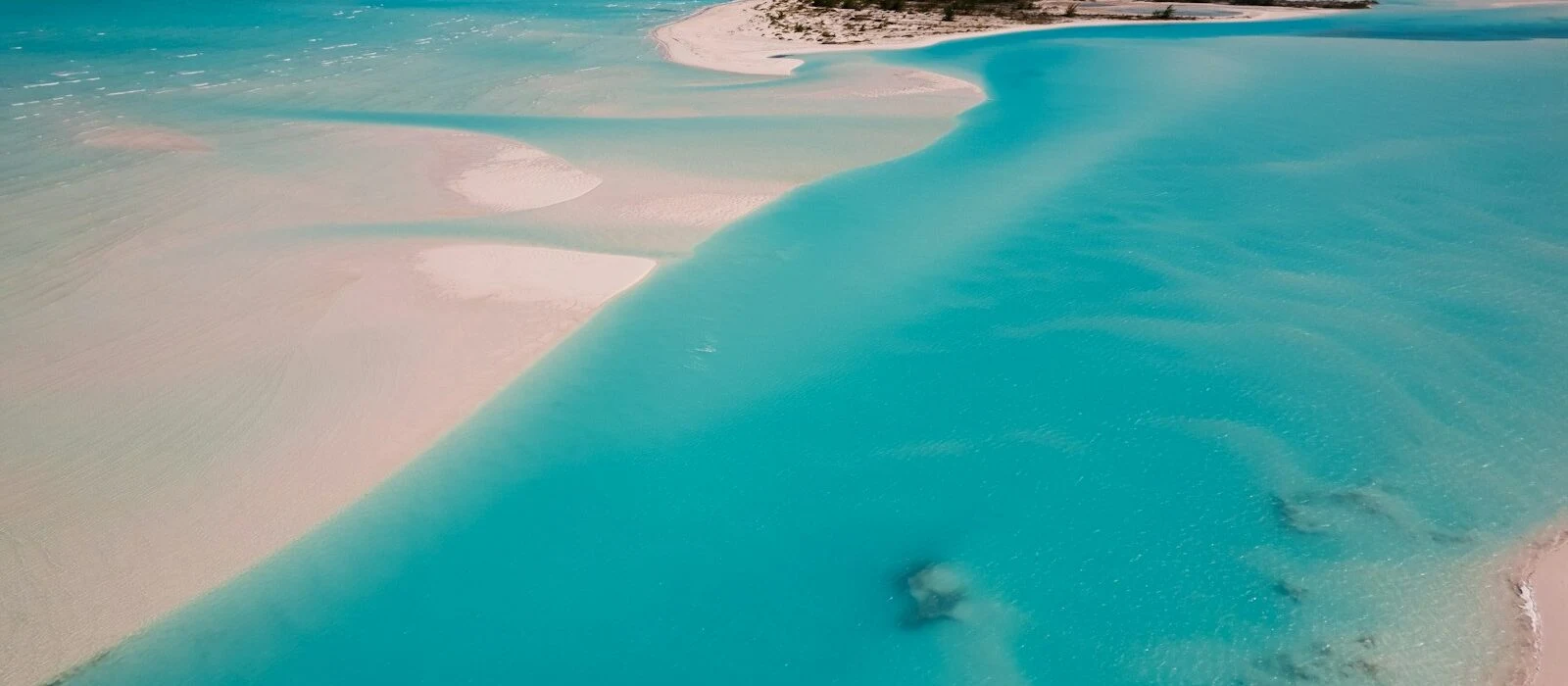
The islands are low and flat, built on limestone banks under shallow, pale-blue water, with deep channels between the banks. Andros is the largest island by area. The country has about 13,900 square kilometres of land spread across a far larger area of sea. The Bahamas uses Eastern Time, which is UTC-5, or UTC-4 during daylight saving time, the same as Miami and New York. If you’re choosing where to go, our best places to visit in the Bahamas guide groups the islands by trip type.
Bahamas Travel Guide: What Is the Country Known For?
The Bahamas is known for shallow turquoise water, sandy beaches, sailing and diving, and an economy built on tourism. It’s an independent parliamentary democracy and a Commonwealth realm, with English as its official language, the Bahamian dollar as its currency and Nassau as its capital. About 398,000 people lived in the country as of the 2022 census.
The Bahamas National Statistical Institute counted 398,165 people across the whole country on 4 April 2022, so that figure refers to the country, not to Nassau alone. Roughly three in four live on New Providence, which makes the capital island far busier than the rest of the archipelago. The official 2022 census results give the full national count and data highlights.
The head of state is the monarch, represented locally by a governor-general. An elected Parliament makes the laws, and a prime minister leads the government. The Bahamian dollar is pegged one to one with the US dollar, and US notes are widely accepted. Tourism and financial services are the main economic pillars.
A common misunderstanding is that the Bahamas is one resort island. In reality, Nassau and Paradise Island, Grand Bahama and the Family Islands (also called the Out Islands) feel very different from each other. Small settlements, fishing villages and long empty beaches are normal outside the main hubs. Entry rules depend on your passport, so check our Bahamas visa guide for tourists before you book. When you’re ready to plan, the Bahamas itineraries and the guide on where to stay in the Bahamas turn these basics into routes and bases.
A Short History of the Bahamas
The Bahamas was first settled by the Lucayan people, reached by Christopher Columbus in 1492 and colonised by English settlers from 1648. It later became a British Crown colony, ended slavery in 1834, gained majority rule in 1967 and became independent on 10 July 1973.
The Lucayans and the Spanish arrival
The Lucayans, a Taíno-speaking people, settled the islands several centuries before Europeans arrived. On 12 October 1492 Columbus made his first landfall in the Americas on an island the Lucayans called Guanahani. It’s most often identified as San Salvador, though historians still debate the exact island. Spain didn’t settle the Bahamas, but it took many Lucayans away for forced labour, and the Lucayan population had largely disappeared within a few decades.
English settlers, pirates and Nassau
The Eleutheran Adventurers, English settlers seeking religious freedom, reached Eleuthera in 1648. Settlers later founded a town on New Providence that was renamed Nassau in 1695. In the early 1700s pirates used Nassau as a base, until Woodes Rogers arrived as the first royal governor in 1718 and restored British authority.
Loyalists, slavery and emancipation
After the American Revolution, thousands of Loyalists moved to the islands from 1783, bringing enslaved Africans and starting cotton plantations on islands such as Abaco and Exuma. Britain banned the slave trade in 1807, and the Royal Navy later landed Africans freed from captured slave ships in the Bahamas. Slavery ended across the British Empire in 1834. Most Bahamians today have African ancestry, which shapes the country’s music, faith and food.
Independence and the modern country
During US Prohibition from 1920 to 1933, Nassau became a busy base for rum-running, and tourism grew steadily after the Second World War. Women won the vote in 1962. The country gained internal self-government in 1964, and the Progressive Liberal Party under Lynden Pindling won majority rule in 1967. The Bahamas became independent on 10 July 1973, with Pindling as its first prime minister. In September 2019, Hurricane Dorian struck Abaco and Grand Bahama as a Category 5 storm and caused severe damage, and rebuilding has continued since. Hurricanes remain part of island life, so our best time to visit the Bahamas guide explains the season.
Culture of the Bahamas: Language, Faith and Festivals
Bahamian culture blends African, British and American Loyalist influences. English is the everyday language, Christianity is the main faith, and life revolves around church, family, music and the sea. Junkanoo, the dawn street parade held on 26 December and 1 January, is the best-known cultural event.
Language
English is the official language. Bahamian English has its own rhythm and vocabulary, and people use the phrase ‘sip sip’ for gossip. Visitors rarely have trouble being understood, even on the smaller islands.
Religion
Christianity is the main religion, with Baptist, Anglican, Roman Catholic and Pentecostal congregations across the islands. Churches are central to community life, and Sunday services are well attended in many settlements. Smaller communities of other faiths also live in the country.
Festivals
Junkanoo parades start in the early hours, run to dawn and fill Bay Street in Nassau, with groups in handmade costumes, cowbells, whistles, horns and goatskin drums. Other islands hold their own versions. Independence Day on 10 July and Emancipation Day on the first Monday of August mark national history. The National Family Island Regatta, a race for traditional Bahamian sailing boats, is held in George Town, Exuma, usually in April. Confirm dates with the Bahamas Ministry of Tourism each year.
Etiquette
Greet people with a good morning or good afternoon before you ask for anything, since a greeting is part of polite conversation. Everyday clothing is light and casual, and people dress up for church. Swimwear is for the beach and pool, so cover up in town and in shops. Ask before photographing people. Tipping is customary in restaurants and for taxi drivers, and some restaurants add a service charge, so check your bill first.
Music and arts
Rake-and-scrape, a folk music from the Family Islands, uses a goatskin drum, an accordion and a saw scraped with a metal tool. Goombay and gospel music are also widely heard. Straw work is a long-standing craft: palm fibre is plaited into baskets, hats and bags, and you’ll find it at the Nassau Straw Market. Androsia batik fabric is made on Andros, and the National Art Gallery of The Bahamas in Nassau shows work by Bahamian artists.
Food in the Bahamas: What to Eat and Drink
Bahamian food is built on seafood, especially conch, plus pigeon peas and rice, johnny cake and fresh fish cooked with lime, onion and hot pepper. Meals lean on African, British and wider Caribbean traditions. Conch appears raw, fried, in chowder and in fritters, and it’s the dish most visitors try first.
Staples
Pigeon peas and rice is the most common side dish, often cooked with tomato, thyme and salt pork. Johnny cake, a dense, lightly sweet bread, comes with breakfast and stews. Fried plantains and coleslaw round out many plates. Seafood is central because the islands sit on shallow fishing banks.
Signature dishes
- Conch salad: raw conch chopped with onion, tomato, peppers and citrus juice.
- Cracked conch: tenderised conch, battered and deep-fried.
- Conch fritters: minced conch in a spiced batter, fried until golden.
- Conch chowder: a hearty soup of conch, vegetables and spices.
- Boil fish: fish simmered with onion, lime and peppers, often eaten at breakfast with johnny cake or grits.
- Stew fish: fish cooked down in a thick, savoury gravy and served with grits or rice.
- Souse: a lime-based broth with chicken, pork or sheep tongue, onion and hot pepper.
- Rock lobster: called crawfish locally, served grilled or in salads.
- Baked macaroni and cheese: a firm, sliceable bake served as a side.
Street food
Casual seafood stalls are the best place for local flavour. Potter’s Cay Dock, under the bridge to Paradise Island, is known for conch salad made to order, and the Arawak Cay area in Nassau has a row of small restaurants often called the Fish Fry. On the Family Islands, menus follow the day’s catch. Eleuthera is known for its pineapples.
Drinks
Kalik is the best-known local beer. Sky Juice mixes gin, coconut water and condensed milk, and the Bahama Mama is a rum cocktail with coconut and fruit juices. Switcha is a sweet, fresh limeade without alcohol, and bush teas made from local herbs are common at home. Alcohol-free options are easy to find in restaurants.
Desserts
Guava duff is a boiled dough roll filled with guava and served with a warm, buttery rum or cream sauce. Coconut tart, pineapple tart and benny cake, a sesame-seed sweet, are everyday treats. Look for them at bakeries and roadside stands.
Regional differences are real. Nassau offers the widest range of restaurants, while Out Island kitchens are smaller and more seasonal. If you eat halal or vegetarian food, larger resorts are the easiest places to ask for options in advance.
Explore Hotels & Flights
Search accommodation and flights for your destination with Expedia. Compare available options and continue to Expedia to complete your booking.
Affiliate partner · Globe Navo may earn a commission from qualifying bookings at no extra cost to you.
❓ Bahamas FAQ
Do I need a visa to visit the Bahamas?
It depends on your passport. Citizens of the United States, Canada and the United Kingdom do not need a visa for tourism, nor do most Commonwealth citizens, while some nationalities must apply first. The immigration officer sets your length of stay. Check the official Bahamas entry requirements for your passport before you book.
What is the best time to visit the Bahamas?
December to April is usually best, with milder weather, less rain and calm seas. It is also the busiest and most expensive period. Hurricane season runs from 1 June to 30 November, with the highest risk from August to October.
Is the Bahamas safe for tourists?
The US State Department lists the Bahamas at Level 2, exercise increased caution, mainly because of violent crime, most of it in Nassau and Freeport. The UK FCDO says the Family Islands have lower crime rates. Avoid unlit areas and use licensed water sports operators.
How many days do you need in the Bahamas?
Three days covers Nassau and Paradise Island. Five to seven days lets you add Exuma or Eleuthera. Ten days works for three islands, but inter-island flights and ferries take time, so avoid trying to see too many places.
How do I get around the Bahamas?
Most visitors fly into Nassau or Freeport, then use small planes, ferries and local boats between islands. Bahamasair connects most populated islands, and schedules change, so confirm the day before. In towns, licensed taxis are common, and drivers use the left side of the road.
Plan Your Trip to Bahamas
Your Next Adventure in Bahamas Awaits!
Explore Deals →🎁 Best deals for Bahamas
Offers from trusted travel stores for your Bahamas trip. Compare a few options before you book, and check each store's terms for the final price.
Browse by type: Hotel deals · Flight deals · Travel eSIM · Car rental
 KkdayFind current Kkday coupons and deals for tours, attraction tickets, transport and first app orders. See minimum spend, discount caps and exclusions before you book.
Get Coupon View Deal
 eSIMFOXeSIMFOX is a travel eSIM provider offering prepaid mobile data plans for single countries and wider regions, delivered digitally so you can connect as soon as you land.
Get Coupon View Deal
 QuibityQuibity is a travel eSIM provider that lets you buy a mobile data plan online and activate it on your phone, so you can get connected abroad without a physical SIM card.
Get Coupon View Deal
 ExpediaDiscover great deals on hotels, flights, vacation packages, car rentals, and activities with Expedia. Compare travel options and plan your next trip with convenient booking choices.
Get Coupon View Deal
 KlookKlook is a travel activities platform where you can book attraction tickets, tours, day trips, transport passes, airport transfers and local experiences in destinations worldwide.
Get Coupon View Deal
 Trip.comTrip.com is a global online travel platform for flights, hotels, train tickets, airport transfers, attraction tickets and travel packages, available on web and mobile app.
Get Coupon View Deal
 TourRadarTourRadar is an online marketplace for multi-day guided tours, small-group trips and tailor-made journeys offered by independent tour operators around the world.
Get Coupon View Deal