 Benin
DESTINATION
Burundi
Burundi is a small, landlocked East African country on Lake Tanganyika, known for royal drumming and highland scenery. Official advisories urge caution.
📅 Last updated:
Burundi: Hotels · Flights · Visa Guide · Deals
🌍 Quick Facts

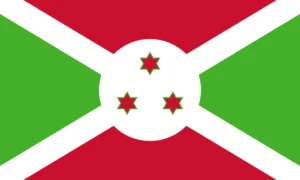
Burundi at a glance
🏛️
Capital: Gitega (political capital), Bujumbura (economic capital)
💱
Currency: Burundi franc (BIF)
💬
Language: Kirundi, French, English
👥
Population: About 13.6 million as of 2024
🕒
Time zone: Central Africa Time (UTC+2), no daylight saving
📞
Calling code: +257
🌐
Internet domain: .bi
✈️
Main airport: Melchior Ndadaye International Airport (BJM), Bujumbura
★
Best time to visit: June to August, with a shorter dry spell in December and January
Food
- Ibiharage (stewed beans)
- Ubugali (cassava and maize porridge)
- Isombe (cassava leaves)
- Mukeke (Lake Tanganyika fish)
- Brochettes (grilled skewers)
- Maharagwe (bean soup)
- Mandazi (fried sweet dough)
- Urwarwa (banana beer)
Places
- Gitega National Museum
- Gishora Drum Sanctuary
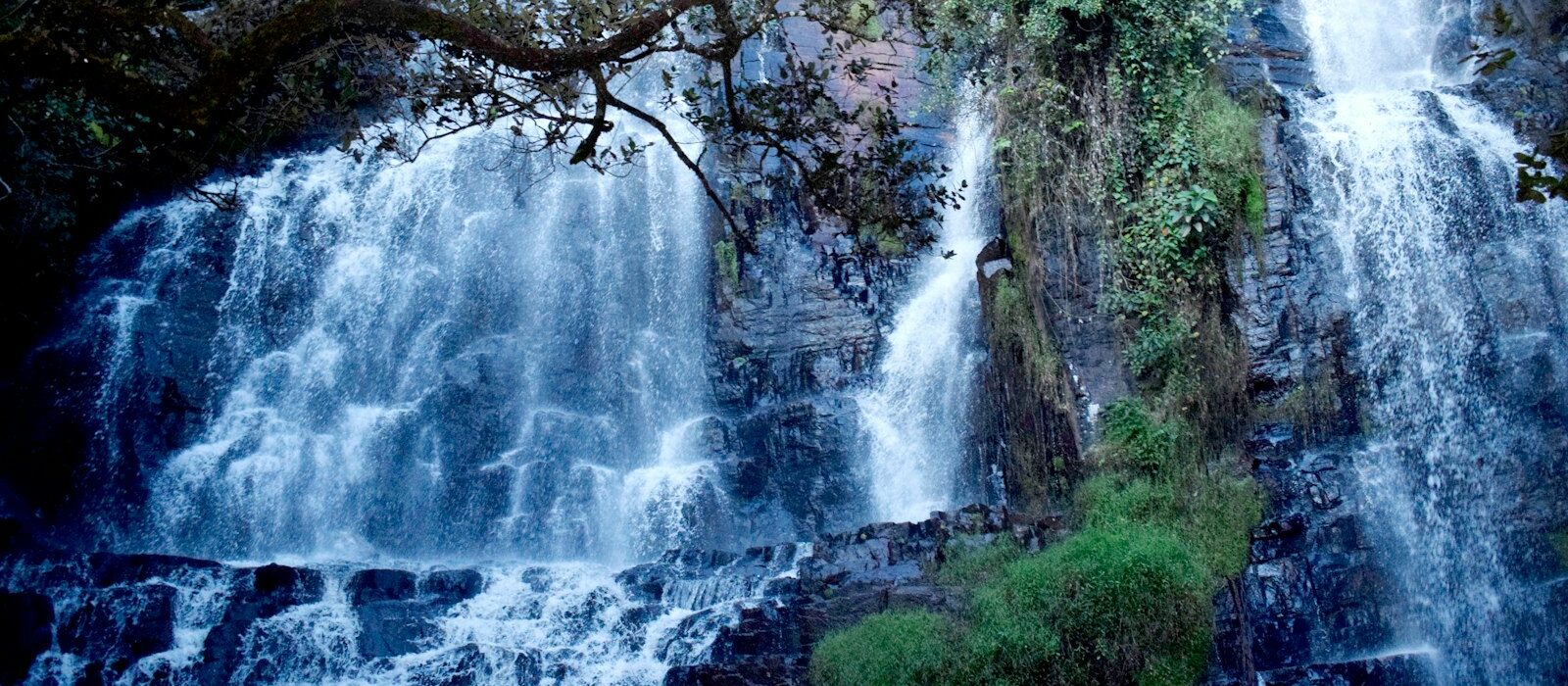
- Karera Falls
- Source of the Nile
- Lake Tanganyika shore
Weather
Tropical highland climate with moderate temperatures; cooler in the highlands than on the Lake Tanganyika shore
Culture
Royal drum tradition (UNESCO 2014), Kirundi language, hillside farming life
Cities
- Bujumbura
- Gitega
- Ngozi
📍 Burundi Map
📷 Photos of Burundi
Explore Burundi Travel Guides
Explore our detailed guides to plan every part of your Burundi trip.
📍
Burundi: Best Places
Gitega, the Gishora Drum Sanctuary, Lake Tanganyika, Karera Falls and the Source of the Nile are among the places visitors go, with...
View Guide › 🌤️Burundi: Best Time to Visit
The long dry season from June to August is the most popular time to visit Burundi, with a shorter dry spell in...
View Guide › 🗺️Burundi: Itineraries
Burundi itineraries for 3, 5, 7 and 10 days with real drive times between Bujumbura, Gitega, Karera Falls and the Source of...
View Guide › 🛂Burundi: Visa
Check who needs a visa for Burundi, how to apply, passport and yellow fever rules, and the safety advisories that affect your...
View Guide › ✈️Burundi: Flights
Burundi's only international airport is Melchior Ndadaye in Bujumbura. See airlines, hubs, land borders, time zone and a Before You Fly checklist.
View Guide › 🚆Burundi: Getting Around
Getting around Burundi is by road: shared minibuses, taxis and hired cars. See drive times, rules, fuel and safety limits before you...
View Guide › 🛌Burundi: Hotels
Most visitors base themselves in Bujumbura or Gitega. See how the areas compare, what types of stay exist and how to book...
View Guide ›🖼️ Burundi: Location, History, Culture & Food
✨ Complete Travel Guide
Safety notice: parts of Burundi
The UK Foreign, Commonwealth and Development Office (FCDO) advises against all travel to the communes of Mugina, Cibitoke, Bukinyayana, Bubanza and Mpanda in Bujumbura Province, because a rebel group is reported in Kibira National Park and armed incursions from the Democratic Republic of the Congo (DRC) are possible. It also advises against all travel to parts of Ntahangwa commune, specifically the RN5 road north of Melchior Ndadaye International Airport towards Cibitoke and the area west of the Rusizi river towards the DRC border, including Rusizi National Park. In Butanyerera Province it advises against all travel on the RN6 and RN10 roads running west from Kayanza through Kibira National Park. The FCDO page was still current on 5 November 2026.
The US State Department rates Burundi Level 3, Reconsider Travel. Its advisory lists Cibitoke and Bubanza provinces and Kibira National Park as Level 4, Do Not Travel, along with the former Central Market on Chaussee Prince Louis Rwagasore in Bujumbura. Canada advises avoiding non-essential travel to Burundi. The Rwanda border is closed, the DRC border area is unstable and fuel shortages are common.
Read the current US advisory, the UK travel advice and the Canadian advice before you plan anything. Travel insurance may not cover travel against official advice.
Where Is Burundi Located?
Burundi is a landlocked country in East Africa’s Great Lakes region, bordered by Rwanda to the north, Tanzania to the east and south, and the Democratic Republic of the Congo (DRC) to the west. This Burundi travel guide opens with its geography before moving on to history, culture and food.
Last checked: November 2026
The country covers about 27,830 square kilometres, according to the CIA World Factbook, and roughly 2,150 of those are water. The US State Department describes it as slightly smaller than Maryland. Most of the land is highland, with steep hills that Burundians call collines, and the west drops towards the Rusizi river plain and Lake Tanganyika.
Lake Tanganyika is shared with Tanzania, the DRC and Zambia. Bujumbura, the largest city, sits on its north-eastern shore. Gitega is the political capital after parliament voted in January 2019 to move the seat of government there, and Bujumbura stays the economic capital, according to the CIA World Factbook. The same source noted in 2022 that the move was still incomplete. Gitega is about 100 km from Bujumbura, according to the East African Community.
Burundi uses Central Africa Time (UTC+2) all year and does not observe daylight saving time. Travellers arrive through Melchior Ndadaye International Airport in Bujumbura, and the flights to Burundi guide covers airlines and routes, while the getting around Burundi guide explains travel inside the country.
Burundi Travel Guide: Introduction to the Country
Burundi is known for its royal drumming tradition, green highlands and Lake Tanganyika shoreline. Kirundi is the national language, French and English are also official, the currency is the Burundi franc (BIF), and the government is a presidential republic. About 13.6 million people lived there as of 2024, according to the CIA World Factbook.
That population figure covers the whole country, not a single city. Burundi is among the most densely populated countries in sub-Saharan Africa, with more than 489 people per square kilometre in 2021, according to World Bank data. Most people live on small hillside farms, and the CIA put the urban share at about 11 percent in 2010.
Agriculture, mainly coffee and tea, carries the economy, and few foreign tourists arrive. The Government of Canada notes that hotels, restaurants and transport are limited outside major cities. A common mix-up is the capital: the US Embassy and most airline links are in Bujumbura, even though Gitega holds the political seat of government.
The most visited places are Gitega, the Gishora Drum Sanctuary, the Bujumbura lakeshore, Karera Falls and the Source of the Nile, and the best places to visit in Burundi explains which ones sit outside the advised-against areas. Most visitors also need an entry permit and a yellow fever certificate, so read the Burundi visa guide for tourists before booking.
History of Burundi: From Kingdom to Republic
Burundi was a kingdom ruled by a king called the mwami from at least the 17th century. It became part of German East Africa in the 1890s, passed to Belgian administration after the First World War, and gained independence on 1 July 1962. A republic replaced the monarchy in 1966.
The Kingdom of Burundi
Reference works date the kingdom to the 17th century, and one summary says the monarchy lasted at least 300 years. The kingdom kept its independence from neighbouring states and was led by a mwami supported by princely families known as the Ganwa. The early relations among the Twa, Hutu and Tutsi are still debated by historians, so treat any simple account with care.
Colonial rule
Germany claimed the area in the 1890s as part of German East Africa but governed it indirectly through the mwami. Belgian forces from the Congo occupied Burundi and Rwanda by 17 June 1916. After the war, the League of Nations placed the two territories under Belgian administration as Ruanda-Urundi, and after the Second World War the arrangement became a United Nations trust territory.
Independence and the republic
Prince Louis Rwagasore, a leading independence figure, was assassinated in October 1961, and his death is still marked on 13 October. Burundi became independent on 1 July 1962 and kept its monarchy under Mwambutsa IV. In July 1966 his son Ntare V took power, and on 28 November 1966 Prime Minister Michel Micombero removed him, abolished the monarchy and declared a republic.
Conflict and recovery
Melchior Ndadaye, the first democratically elected president, was assassinated in October 1993 after about four months in office, and violence followed for more than a decade. The Arusha Peace and Reconciliation Agreement was signed on 28 August 2000, and a new constitution followed in 2005. Pierre Nkurunziza led the country from 2005, and Évariste Ndayishimiye has been president since 2020. Gitega, the former royal seat, now fits into a two-day trip in the Burundi itineraries for 3, 5, 7 and 10 days.
Culture of Burundi: Language, Religion, Festivals and Music
Burundian culture rests on the Kirundi language, a mostly Christian society, hillside farming life and the royal drum tradition that UNESCO inscribed in 2014. Shared meals, drumming and family gatherings mark most celebrations. Daily life still follows the farming year more than the city clock.
Language
Kirundi is the language of daily life and national identity. French is used in government, schools and business, and English is also an official language. Swahili is heard along Lake Tanganyika and around Bujumbura, according to the CIA World Factbook, which helps with trade links to Tanzania and the wider region.
Religion
Christianity is the main religion, and Roman Catholics are the largest group. Muslims form a minority of about 10 percent, according to a trade-information source. Church services shape Sunday life in many towns, and Eid al-Fitr and Eid al-Adha are public holidays.
Festivals and public holidays
Independence Day on 1 July, Unity Day on 5 February and Labour Day on 1 May are among the public holidays. A reference work on Burundian culture says the biggest celebration falls on New Year’s Day, with feasting, drumming and dancing. Islamic holiday dates shift each year, and the best time to visit Burundi guide lists the calendar and the weather by month.
Etiquette and everyday life
Cash is the normal way to pay, according to the US State Department, so small notes help in markets and on the road. The UK FCDO says showing affection in public may attract unwanted attention. Reports also say the government has set rules on who may perform the royal drum dance, so ask before filming or hiring performers.
Music and arts
The ritual dance of the royal drum combines synchronised drumming, dance, heroic poetry and traditional songs. A group of about a dozen drums usually stands in a semicircle around a central drum, while a few drummers step out to dance. In the past drums were sacred objects, and today performances mark national and local celebrations and welcome dignitaries. Visitors can see drummers at the Gishora Drum Sanctuary near Gitega.
Food and Drink in Burundi
Burundian food is built on beans, cassava, maize, plantains and sweet potatoes, with fish from Lake Tanganyika and grilled meat as common proteins. Meals are simple and filling. Beans appear almost daily, and the lakeshore and the highlands cook differently.
Staples
Beans, called ibiharage, are the backbone of the diet. Cassava and maize flour make the porridge served beside most stews, and bananas and plantains are boiled, fried or mashed. Sweet potatoes come in several colours and are widely grown.
Signature dishes
- Ibiharage: beans stewed or fried, often with onions and palm oil.
- Ubugali or umutsima: a thick porridge of cassava and maize flour, eaten with stews.
- Isombe: pounded cassava leaves cooked with groundnut paste and palm oil.
- Mukeke: a fish from Lake Tanganyika, often grilled.
- Brochettes: charcoal-grilled skewers of goat or other meat, a habit from the Belgian period.
- Nyama: a meat stew with tomato.
- Maharagwe: a bean soup.
- Plantains: boiled or fried and served beside grilled meat or fish.
- Roasted sweet potatoes: a filling snack or side dish.
Street food and sweet snacks
Grilled skewers are the classic evening meal at open-air eateries, often with fried plantains or chips. Mandazi, a fried sweet dough, and roasted or deep-fried sweet potatoes and plantains work as snacks and light desserts.
Drinks
A national brewery makes Primus and Amstel beer. At celebrations people drink urwarwa, a homemade banana beer, and impeke, a sorghum beer often shared through straws. The legal drinking age is 18, according to World Travel Guide. Coffee and tea are the crops the economy relies on most.
Regional differences
On the Bujumbura lakeshore, fish and grilled meat dominate, and beach restaurants serve them with plantains. In the highlands, family gardens supply beans, cassava and plantains for everyday plates. Menus are rarely labelled, so ask about ingredients if you avoid alcohol or certain meats, and check the where to stay in Burundi guide for bases in Bujumbura and Gitega with restaurants nearby.
Explore Hotels & Flights
Search accommodation and flights for your destination with Expedia. Compare available options and continue to Expedia to complete your booking.
Affiliate partner · Globe Navo may earn a commission from qualifying bookings at no extra cost to you.
Explore Burundi Tours
Browse guided tours that include Burundi and compare itineraries on TourRadar. Check the current government travel advisories above before you book any trip.
❓ Burundi FAQ
Is Burundi safe to visit?
The US rates Burundi Level 3, Reconsider Travel, and the UK FCDO advises against all travel to parts of Bujumbura and Butanyerera provinces, including the RN5 road north of the airport, Rusizi National Park and the roads through Kibira National Park. Checkpoints are common. Read the current advisories before you decide.
Do I need a visa for Burundi?
Most nationalities do. The UK says British travellers must have a visa, and East African Community citizens may enter without one, according to travel-information sites. Apply through an embassy or the official government portal, and confirm visa-on-arrival rules with the authorities before you fly.
Is a yellow fever certificate required for Burundi?
Yes. The UK government says you need a certificate to enter, and the US State Department says the vaccine is required for travellers aged nine months and older. Keep the certificate with your passport, not in checked luggage.
When is the best time to visit Burundi?
The main dry season runs from June to August, sometimes into September, and a shorter dry spell comes in December and January. Rains run from about February to May and from late September to November, so roads can be harder then.
What is the capital of Burundi?
Gitega is the political capital and Bujumbura is the economic capital, according to the CIA World Factbook. Most international flights arrive at Melchior Ndadaye International Airport in Bujumbura.
Plan Your Trip to Burundi
Your Next Adventure in Burundi Awaits!
Explore Deals →🎁 Best deals for Burundi
Offers from trusted travel stores for your Burundi trip. Compare a few options before you book, and check each store's terms for the final price.
Browse by type: Hotel deals · Flight deals · Travel eSIM · Car rental
 KkdayFind current Kkday coupons and deals for tours, attraction tickets, transport and first app orders. See minimum spend, discount caps and exclusions before you book.
Get Coupon View Deal
 eSIMFOXeSIMFOX is a travel eSIM provider offering prepaid mobile data plans for single countries and wider regions, delivered digitally so you can connect as soon as you land.
Get Coupon View Deal
 QuibityQuibity is a travel eSIM provider that lets you buy a mobile data plan online and activate it on your phone, so you can get connected abroad without a physical SIM card.
Get Coupon View Deal
 ExpediaDiscover great deals on hotels, flights, vacation packages, car rentals, and activities with Expedia. Compare travel options and plan your next trip with convenient booking choices.
Get Coupon View Deal
 KlookKlook is a travel activities platform where you can book attraction tickets, tours, day trips, transport passes, airport transfers and local experiences in destinations worldwide.
Get Coupon View Deal
 Trip.comTrip.com is a global online travel platform for flights, hotels, train tickets, airport transfers, attraction tickets and travel packages, available on web and mobile app.
Get Coupon View Deal
 TourRadarTourRadar is an online marketplace for multi-day guided tours, small-group trips and tailor-made journeys offered by independent tour operators around the world.
Get Coupon View Deal