 Argentina
DESTINATION
Antigua and Barbuda
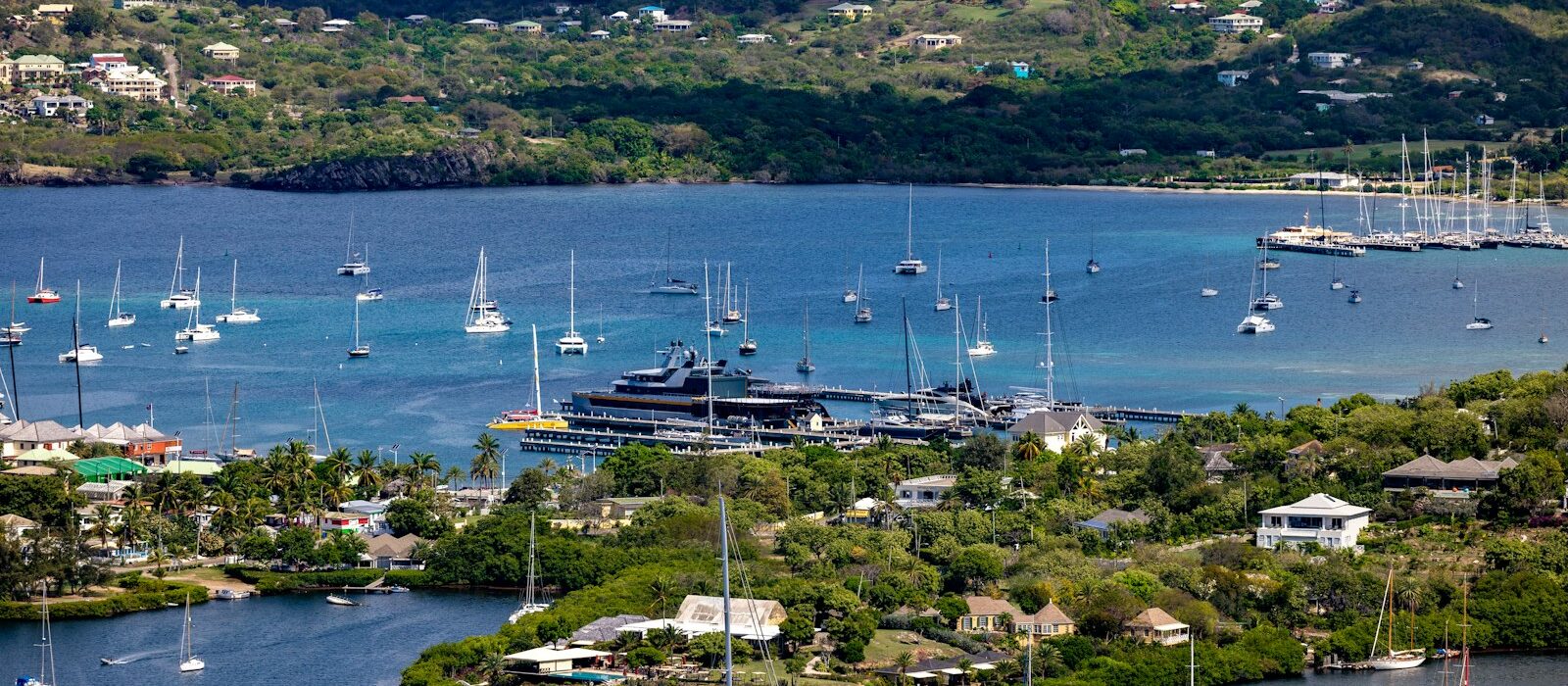
Antigua is the main island of the twin-island country Antigua and Barbuda, known for beaches, a UNESCO-listed naval dockyard and sailing.
📅 Last updated:
Antigua and Barbuda: Hotels · Flights · Visa Guide · Deals
🌍 Quick Facts

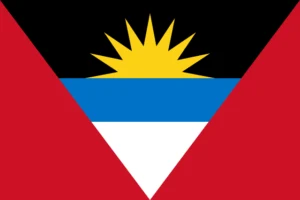
Antigua and Barbuda at a glance
🏛️
Capital: St. John's
💱
Currency: East Caribbean dollar (EC$, XCD)
💬
Language: English (official), Antiguan and Barbudan Creole
👥
Population: About 94,000
🕒
Time zone: Atlantic Standard Time (UTC-4)
📞
Calling code: +1 268
🌐
Internet domain: .ag
✈️
Main airport: V.C. Bird International Airport (ANU)
★
Best time to visit: Mid-December to mid-April (dry season)
Food
- Fungee and pepperpot (national dish)
- Ducana and saltfish
- Antigua Black pineapple
- Goat water
- Conch fritters
Places
- Nelson's Dockyard and English Harbour
- Shirley Heights
- Devil's Bridge National Park
- Half Moon Bay
- Dickenson Bay
- Frigate Bird Sanctuary, Barbuda
Weather
Warm and tropical all year; hurricane season runs June to November
Culture
Naval heritage at English Harbour, Carnival, steelpan, soca and sailing
Cities
- St. John's
- English Harbour
- Falmouth Harbour
- Jolly Harbour
- Codrington (Barbuda)
📍 Antigua and Barbuda Map
📷 Photos of Antigua and Barbuda
Explore Antigua and Barbuda Travel Guides
Explore our detailed guides to plan every part of your Antigua and Barbuda trip.
🗺️
Antigua and Barbuda: Itineraries
Realistic Antigua itineraries for 3, 5, 7 and 10 days, with real drive times, a Barbuda day trip and tips on cars,...
View Guide › 🛂Antigua and Barbuda: Visa
Check who needs a visa for Antigua, how the official eVisa route works, passport rules and the ArriveAntigua arrival form.
View Guide › 📍Antigua and Barbuda: Best Places
From Nelson's Dockyard and Devil's Bridge to Half Moon Bay and a Barbuda day trip, here are the best places to visit...
View Guide › 🌤️Antigua and Barbuda: Best Time to Visit
The dry season from mid-December to mid-April is the most popular time to visit Antigua. See weather, hurricane season, events and prices...
View Guide › ✈️Antigua and Barbuda: Flights
Most flights to Antigua land at V.C. Bird International Airport. See airlines, flight times, airport transfers and a Before You Fly checklist.
View Guide › 🚆Antigua and Barbuda: Getting Around Antigua
Get around Antigua and Barbuda by taxi, bus, rental car, ferry or small plane, with driving rules, travel times and a checklist.
View Guide › 🛌Antigua and Barbuda: Hotels
Compare Dickenson Bay, Jolly Harbour, English Harbour and quieter coasts to find the best area to stay in Antigua for your trip.
View Guide ›🖼️ Antigua and Barbuda: Location, History, Culture & Food
✨ Complete Travel Guide
Where Is Antigua and Barbuda Located?
Antigua and Barbuda is an island country in the eastern Caribbean, in the Leeward Islands chain of the Lesser Antilles. It has two main islands, Antigua and Barbuda, plus the small uninhabited rock of Redonda. The Atlantic Ocean lies to the east and the Caribbean Sea to the west.
Last checked: November 2026
This Antigua and Barbuda travel guide starts with the map, because geography shapes how people live and travel here. The country sits at roughly 17 degrees north. Its capital, St. John’s, is on the north-western edge of Antigua, and about 97% of the population lives on that island.
Antigua is the larger island, with about 280 square kilometres of land. Its coastline is deeply indented, which gives it many natural harbours and bays. The south-west rises into volcanic hills, and Boggy Peak, at 402 metres, is the highest point. The north-east is lower and made mostly of limestone. Fresh water has always been limited, which is one reason early Spanish and French settlement attempts failed.
Barbuda lies about 45 kilometres (28 miles) to the north. It is flat, built on coral, and far less developed, with a large lagoon on its western side. Nearly all of its residents live in the village of Codrington. Together, the three islands cover about 442 square kilometres, roughly two and a half times the size of Washington, D.C.
- Capital: St. John’s, on Antigua
- Time zone: UTC-4 all year, with no daylight saving time
- Nearest neighbours: Montserrat, Guadeloupe, Saint Kitts and Nevis, and Saint Martin
Most visitors arrive by air, and our guide to flights to Antigua explains the airport and main routes. Once on the ground, getting around Antigua and Barbuda covers buses, taxis, ferries and car rental. The country is small enough for a single base, and the where to stay in Antigua guide compares the main coastal areas.
Antigua and Barbuda Travel Guide: An Introduction to the Country
Antigua and Barbuda is a small, English-speaking Caribbean country known for its beaches, sailing and the UNESCO-listed naval dockyard at English Harbour. St. John’s is the capital, the Eastern Caribbean dollar is the currency, and the country is a parliamentary democracy and a constitutional monarchy within the Commonwealth.
English is the official language, and many people also speak Antiguan and Barbudan Creole at home. The Eastern Caribbean dollar is pegged to the US dollar at about EC$2.70 to US$1, and US dollars are widely accepted in tourist areas. As of November 2026, Gaston Browne is prime minister, and Sir Rodney Williams is governor-general, representing the monarch.
About 94,000 people live in the country as of 2025, according to United Nations estimates. Estimates differ by source, and national projections run above 100,000. The figure of roughly 21,000 for St. John’s refers to the capital only, not the whole country.
Tourism drives the economy, and sailing is the signature activity. English Harbour is a yachting hub, and the reef-fringed bays suit swimming and snorkelling. The popular line that Antigua has 365 beaches is a tourism slogan, not an official count. The Antigua Naval Dockyard and Related Archaeological Sites, listed in 2016, is the country’s only UNESCO World Heritage Site.
Entry rules depend on your passport, so read the Antigua visa guide for tourists before you book. The best time to visit Antigua page explains the dry season and the hurricane season.
History of Antigua and Barbuda: From the First Settlers to Independence
Antigua and Barbuda was first settled by Archaic-period peoples more than 4,000 years ago, later home to Arawak-speaking and Carib communities. England settled Antigua in 1632, sugar and slavery shaped the colony until abolition in 1834, and the country became independent within the Commonwealth on 1 November 1981.
Early settlers
The earliest inhabitants were Archaic hunter-gatherers. Carbon dating places their first settlements at about 3100 BC, although some sources give around 2400 BC. In Antigua they are often called the Siboney, but that label is a misnomer borrowed from Cuba. Arawak-speaking farmers from the Orinoco region of South America followed, and Island Caribs lived in the region when Europeans arrived. The Antigua Black pineapple is often traced to Arawak farming.
The colonial and sugar era
Christopher Columbus sighted the island in 1493, on his second voyage, and is said to have named it after an icon in Seville Cathedral, Santa María la Antigua. English colonists from Saint Kitts settled in 1632. Christopher Codrington established the first large sugar estate, Betty’s Hope, in 1674, and enslaved Africans did the work that made sugar the economic base. Barbuda was leased to the Codrington family, who held it until 1860.
The British navy developed English Harbour as a base in the 1700s. The dockyard later took Horatio Nelson’s name, although he served in Antigua only from 1784 to 1787. Slavery ended in 1834.
Emancipation to independence
Labour strikes and the trade union movement, in which V.C. Bird was a leading figure, helped push the colony toward self-rule. Antigua became an Associated State of the United Kingdom in 1967. Independence followed on 1 November 1981, with Bird as the first prime minister. Barbuda had campaigned for separate independence, but the two islands became one state.
Recent years
Hurricane Irma struck Barbuda in September 2017, and the island’s population was evacuated to Antigua. In 2026 the country marks 45 years of independence and hosts the Commonwealth Heads of Government Meeting in St. John’s from 1 to 4 November, making it the smallest country to host the event. To see these sites in person, the Antigua itineraries for 3 to 10 days turn them into day-by-day plans.
Culture of Antigua and Barbuda: Language, Faith, Festivals and Music
Culture in Antigua and Barbuda blends West African, British and wider Caribbean influences. English is the official language, Christianity is the main religion, and daily life revolves around church, cricket, music and food. Many traditions trace back to plantation-era life and the emancipation celebrations that followed.
Language
English is used in government, schools and the media. In everyday speech, many people switch to Antiguan and Barbudan Creole, an English-based creole with its own rhythm and vocabulary. Visitors can get by in English, but they may need a moment to tune in to the pace of local conversation.
Religion
Most people are Christian. Anglican, Moravian, Methodist, Seventh-day Adventist, Pentecostal and Roman Catholic congregations are all present, and St. John’s is the seat of both the Anglican and Roman Catholic churches. Sunday is for church and family meals, which is why the capital is so quiet then.
Festivals
Antigua Carnival is the biggest event of the year. The modern festival began in 1957 and fills St. John’s from late July to early August with J’ouvert, parades, soca competitions and steelpan. In 2026 it ran from 25 July to 4 August. The 70th edition is planned for late July to early August 2027, but reports give different start dates, so confirm them with the Festivals Commission. Antigua Sailing Week brings racing yachts to English Harbour in late April, and Independence Day falls on 1 November. The month-by-month guide lists the wider calendar.
Etiquette and clothing
People greet each other before asking for anything, so a “good morning” or “good afternoon” goes a long way. Beachwear belongs on the beach, so cover up in towns, restaurants and churches. Two rules are firm: according to the UK Foreign, Commonwealth and Development Office, nobody, including children, may wear camouflage clothing, and smoking in public places is illegal.
Music and arts
Calypso, soca and steelpan provide the soundtrack, and benna, a folk song tradition, has long commented on local events. Hell’s Gate Steel Orchestra and the soca band Burning Flames both marked major anniversaries in 2025. Cricket sits at the centre of everyday life, and Sir Vivian Richards is a national hero. The novelist Jamaica Kincaid, born in St. John’s, wrote about the island in A Small Place. The best places to visit in Antigua include the Museum of Antigua and Barbuda in the capital.
Food and Drink in Antigua and Barbuda
The national dish of Antigua and Barbuda is fungee and pepperpot: a cornmeal and okra dumpling served with a thick stew. Cooking draws on West African, British and Caribbean traditions, with saltfish, root vegetables, goat, conch and fresh seafood at the centre of the table. Barbuda is known for its lobster.
Staples
Everyday meals rely on saltfish, cornmeal, rice and sweet potato, plus other root vegetables that locals call provisions. Butter bread, a soft loaf, and johnny cakes appear on many tables. Menus are not always labelled, so ask about ingredients if you follow a halal, vegetarian or other special diet.
Signature dishes
- Fungee and pepperpot: a cornmeal and okra dumpling beside a stew of greens, okra, aubergine and salted meat.
- Ducana: grated sweet potato, coconut, sugar and spices, steamed in a banana leaf.
- Saltfish: salted fish stewed with onions and peppers, often eaten with ducana or fungee.
- Goat water: a spiced goat stew with cloves, thyme and hot pepper.
- Conch water: a seasoned broth of tender conch, and a seafood alternative to goat water.
- Conch fritters: fried batter parcels with chopped conch.
- Seasoned rice: a one-pot dish of rice cooked with meat and spices.
- Souse: pork pieces served cold with onion, garlic and lime.
- Barbuda lobster: the island’s best-known seafood, usually grilled.
- Antigua Black pineapple: a small, very sweet pineapple with low acidity.
Street food
Barbecue chicken, grilled fish and rotis are sold around St. John’s and English Harbour, along with meat turnovers and pastries filled with Antigua Black pineapple. English Harbour and the south also mix local dishes with international menus.
Drinks
Wadadli beer, named after the island’s original name, is brewed locally. English Harbour Rum and Cavalier are the best-known Antiguan rums. Ginger beer, rum punch and fresh juices from pineapple, coconut, guava and tamarind are easy to find.
Desserts
Sugar cake, a coconut sweet often tinted pink, and tamarind balls are common treats. Black fruit cake, soaked in rum, is a Christmas and wedding tradition. For more detail on local dishes, read the tourism authority’s guide to traditional cuisine.
Explore Hotels & Flights
Search accommodation and flights for your destination with Expedia. Compare available options and continue to Expedia to complete your booking.
Affiliate partner · Globe Navo may earn a commission from qualifying bookings at no extra cost to you.
❓ Antigua and Barbuda FAQ
Do I need a visa to visit Antigua?
It depends on your passport. The Antigua and Barbuda Immigration Department lists most EU countries, the UK and many Commonwealth countries as visa-exempt, and other government pages name the US, Canada and Japan. If your passport is not exempt, apply through the official eVisa portal.
When is the best time to visit Antigua?
The dry season from mid-December to mid-April has the lowest chance of rain but the highest prices. May and November are good shoulder months. Hurricane season runs from 1 June to 30 November, and August to October is usually the wettest.
Is Antigua safe for tourists?
The US State Department rates Antigua and Barbuda Level 1, Exercise Normal Precautions, as of 20 May 2026. The UK FCDO notes that crime including armed robbery has occurred. Use taxis after dark, secure valuables and check current advice before you travel.
What currency is used in Antigua?
The official currency is the Eastern Caribbean dollar (EC$), pegged to the US dollar at about EC$2.70. Many tourist businesses also accept US dollars and cards, but carry some EC$ for small vendors and check the rate you are given.
How do I get to Barbuda from Antigua?
The high-speed ferry from St. John's takes about 90 minutes each way, according to Visit Antigua and Barbuda. Small planes also fly between the islands. Most visitors make a full-day trip, and the Frigate Bird Sanctuary needs a licensed boat operator.
Plan Your Trip to Antigua and Barbuda
Your Next Adventure in Antigua and Barbuda Awaits!
Explore Deals →🎁 Best deals for Antigua and Barbuda
Offers from trusted travel stores for your Antigua and Barbuda trip. Compare a few options before you book, and check each store's terms for the final price.
Browse by type: Hotel deals · Flight deals · Travel eSIM · Car rental
 KkdayFind current Kkday coupons and deals for tours, attraction tickets, transport and first app orders. See minimum spend, discount caps and exclusions before you book.
Get Coupon View Deal
 eSIMFOXeSIMFOX is a travel eSIM provider offering prepaid mobile data plans for single countries and wider regions, delivered digitally so you can connect as soon as you land.
Get Coupon View Deal
 QuibityQuibity is a travel eSIM provider that lets you buy a mobile data plan online and activate it on your phone, so you can get connected abroad without a physical SIM card.
Get Coupon View Deal
 ExpediaDiscover great deals on hotels, flights, vacation packages, car rentals, and activities with Expedia. Compare travel options and plan your next trip with convenient booking choices.
Get Coupon View Deal
 KlookKlook is a travel activities platform where you can book attraction tickets, tours, day trips, transport passes, airport transfers and local experiences in destinations worldwide.
Get Coupon View Deal
 Trip.comTrip.com is a global online travel platform for flights, hotels, train tickets, airport transfers, attraction tickets and travel packages, available on web and mobile app.
Get Coupon View Deal
 TourRadarTourRadar is an online marketplace for multi-day guided tours, small-group trips and tailor-made journeys offered by independent tour operators around the world.
Get Coupon View Deal