 Bahrain
DESTINATION
Andorra
Andorra is a small Pyrenean country between France and Spain, known for skiing, hiking, thermal spas and Romanesque churches. This guide covers where to go, when to visit and how to get there.
📅 Last updated:
Andorra: Hotels · Flights · Visa Guide · Deals
🌍 Quick Facts

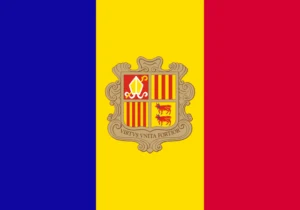
Andorra at a glance
🏛️
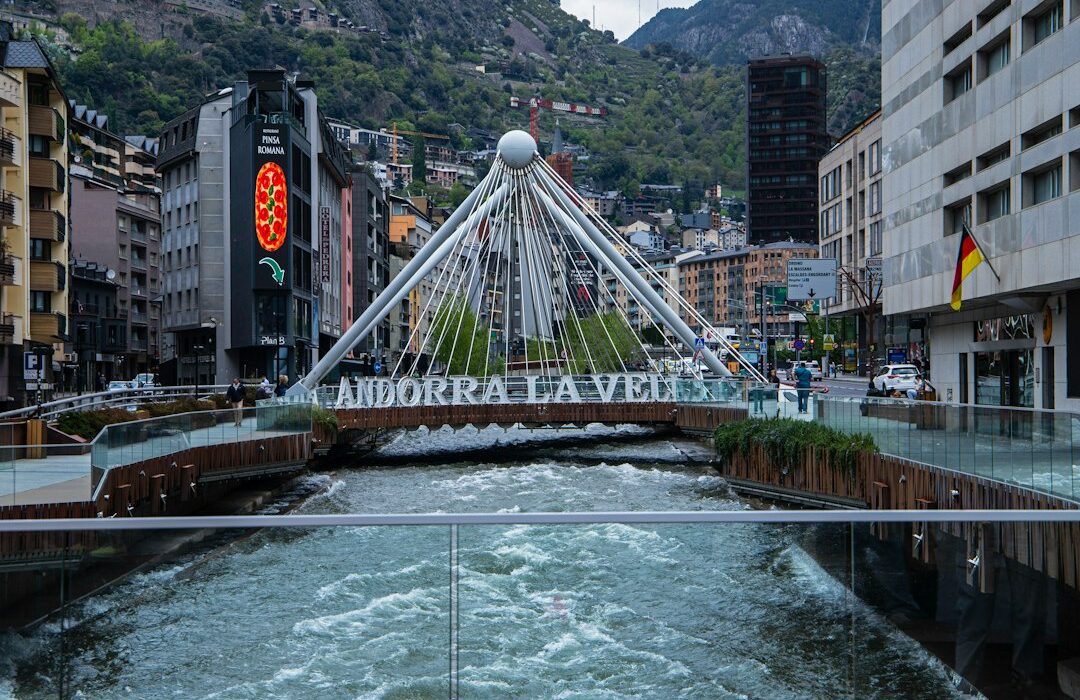
Capital: Andorra la Vella
💱
Currency: Euro (EUR)
💬
Language: Catalan (official); Spanish, French and Portuguese widely spoken
👥
Population: About 89,000
🕒
Time zone: CET (UTC+1), CEST (UTC+2) in summer
📞
Calling code: +376
🌐
Internet domain: .ad
✈️
Main airport: None in Andorra. Nearest: La Seu d’Urgell (LEU), Toulouse (TLS), Barcelona (BCN)
★
Best time to visit: December to March and June to September
Food
- Escudella (winter stew)
- Trinxat (cabbage and potato)
- Cargols (oven-roasted snails)
- Grilled trout with ham
- Crema andorrana
Places
- Caldea thermal spa
- Casa de la Vall
- Sant Joan de Caselles church
- Madriu-Perafita-Claror Valley
- Grandvalira ski area
- La Cortinada
Weather
Mountain climate: cold, snowy winters and mild summers
Culture
Andorra is known for mountain traditions, Romanesque churches and hearty Catalan-style food. Catalan is the official language, so a simple Bon dia is a friendly start. Dress in layers, because mountain weather changes quickly.
Cities
- Andorra la Vella
- Escaldes-Engordany
- Canillo
- Soldeu
- Ordino
- La Massana
- Pas de la Casa
📍 Andorra Map
📷 Photos of Andorra
Explore Andorra Travel Guides
Explore our detailed guides to plan every part of your Andorra trip.
🗺️
Andorra: Itineraries
Plan 3, 5 or 7 days in Andorra with realistic travel times, winter and summer options, and tips for getting around without...
View Guide › 🛂Andorra: Visa
Who needs a visa for Andorra, how the Schengen route through Spain or France works, which documents to carry and what to...
View Guide › 📍Andorra: Best Places
The best places to visit in Andorra by type: historic churches, UNESCO mountain scenery, ski areas and the Caldea spa, with how...
View Guide › 🌤️Andorra: Best Time to Visit
When to visit Andorra for skiing, hiking, spa days or quiet trips, with weather by altitude, a month-by-month table and packing tips.
View Guide › ✈️Andorra: Flights
How to fly to Andorra: which airports to use, how to reach the country by road from Barcelona, Toulouse or La Seu...
View Guide › 🚆Andorra: Getting Around
How to get around Andorra by bus, taxi or car, with travel times between towns, winter road rules from 1 November and...
View Guide › 🛌Andorra: Hotels
Where to stay in Andorra by trip type: the capital, Escaldes-Engordany, ski bases like Soldeu and Pas de la Casa, and quieter...
View Guide ›🖼️ Andorra: Location, History, Culture & Food
✨ Complete Travel Guide
Where Is Andorra Located?
Andorra is a small landlocked country in the eastern Pyrenees, between France to the north and east and Spain to the south and west. This Andorra travel guide starts with the map because location shapes every trip: the capital, Andorra la Vella, has no airport or railway station, so visitors arrive by road from Spain or France.
Last checked: November 2026
The country covers about 468 square kilometres, according to the CIA World Factbook, and almost all of it is steep mountain valley. The land runs from a low point of 840 metres to Coma Pedrosa at 2,946 metres. The capital sits at about 1,000 metres. The Valira del Nord and the Valira d’Orient meet near Escaldes-Engordany, and the combined river flows on into Spain. The nearest coast is on the Mediterranean, a few hours away by road.
Andorra follows Central European Time, which is UTC+1 in winter and UTC+2 in summer, the same as Spain and France. A common mix-up is to treat Andorra as part of Spain or France, or as a European Union member. It’s a separate country with its own parliament and government, and it uses the euro without being in the EU. For the practical side, see our guides to flights to Andorra and getting around Andorra.
Andorra Travel Guide: What Is the Country Known For?
Andorra is known for skiing, hiking, shopping, Romanesque churches and the Caldea thermal spa. It is a parliamentary co-principality, with the President of France and the Bishop of Urgell as co-princes. Catalan is the official language, the capital is Andorra la Vella, and the currency is the euro.
About 89,000 people live in Andorra, according to the national Department of Statistics, which counted 89,058 residents on 31 December 2025. That figure covers the whole country. The parish of Andorra la Vella, which contains the capital, had about 24,800 of them. The co-princes play a limited, largely ceremonial role, and an elected General Council makes the laws.
Three things set the country apart:
- Catalan is the only official language, and Andorra is the only country where that’s true.
- Ski slopes, hiking trails and a thermal spa sit within a short drive of each other.
- Andorra la Vella, at about 1,000 metres, is often called the highest capital city in Europe.
Most visitors focus on a few of the seven parishes: Andorra la Vella, Escaldes-Engordany, Encamp, Canillo, Ordino, La Massana and Sant Julià de Lòria. Our guide to the best places to visit in Andorra sorts them by interest, and the guide on where to stay in Andorra compares the main bases. Entry is through France or Spain, so read the Andorra visa guide for tourists before you book.
A Short History of Andorra
People used Andorra’s valleys thousands of years ago, and the first written mention of the territory dates from 843. A feudal agreement in 1278 made the Bishop of Urgell and the Count of Foix co-lords, and a constitution approved in 1993 turned the country into a parliamentary democracy.
Early Settlement to the Middle Ages
The oldest known traces of people are at Balma de la Margineda, a rock shelter dated to around 9000 to 8000 BC, according to the Enciclopèdia Catalana. Later groups herded animals, worked metal and farmed terraces in the high valleys, and the Madriu-Perafita-Claror Valley still shows that pattern of land use. The UNESCO World Heritage Centre listed it as a cultural landscape in 2004.
A popular legend credits Charlemagne with creating Andorra, but written records start later. In 843, the Carolingian king Charles the Bald granted land that included Andorra to Sunifred, Count of Urgell. The counts ruled until 988, when the territory passed to the Diocese of Urgell.
The Paréage and the Co-Princes
A dispute between the Bishop of Urgell and the Count of Foix ended in 1278 with a paréage, a feudal agreement that shared sovereignty between them. A second paréage in 1288 added details. Through later marriages, the Count of Foix’s title passed to the French crown, which is why the French head of state is a co-prince today. In 1419 the valleys’ leaders formed the Consell de la Terra, an assembly that grew into the General Council, now the national parliament. Casa de la Vall in Andorra la Vella, built in the late 16th century, housed that parliament from 1702 to 2011.
The 20th Century to Today
On 12 July 1934, an adventurer named Boris Skossyreff proclaimed himself Boris I, sovereign prince of Andorra, and declared war on the Bishop of Urgell. He was arrested and expelled soon afterwards and was never recognised as a ruler. Women gained the vote in 1970. A referendum on 14 March 1993 approved the first written constitution, and Andorra joined the United Nations the same year.
The historic buildings from these periods are easy to visit. Our guide to the best places to visit in Andorra lists the churches, Casa de la Vall and the UNESCO valley, with the time to allow at each.
Andorran Culture: Language, Festivals and Etiquette
Andorran culture is Catalan at its core, shaped by mountain farming, Catholic traditions and close ties to Spain and France. Catalan is the only official language, Spanish, French and Portuguese are widely spoken, and two of the best-known celebrations are Our Lady of Meritxell Day on 8 September and the Sant Joan fire festivals around 23 June.
Language
You’ll hear Spanish and French in shops, hotels and restaurants, and Portuguese is common because of the Portuguese community in the country. A few Catalan words go a long way. Bon dia means good morning, and gràcies means thank you.
Religion
Roman Catholicism is the predominant religion, according to the CIA World Factbook, and the Bishop of Urgell is one of the two co-princes. Our Lady of Meritxell is the country’s patron saint. Other faiths are practised as well. Dress modestly in churches and keep quiet during services.
Festivals
The main dates follow the Catholic calendar and the seasons:
- 14 March: Constitution Day, a national holiday.
- Around 23 June: Sant Joan, when people light falles (fire torches) and bonfires to mark the shortest night of the year. UNESCO added the Pyrenean summer solstice fire festivals, including Andorra’s falles, to its Intangible Cultural Heritage list in 2015.
- 8 September: Our Lady of Meritxell Day, the national day.
Each parish also holds its own festa major, and the dates vary. The best time to visit Andorra guide shows how these events fit the seasons. The official tourism site explains the falles tradition in more detail.
Etiquette
Greet staff when you enter a shop or restaurant, and use a simple bon dia or bona tarda. Outside the capital, wear practical layers and stay on marked trails, because paths cross grazing land and protected areas. Ask before photographing people.
Music and Arts
Romanesque art is Andorra’s best-known artistic tradition. Sant Joan de Caselles in Canillo dates from the 11th to 12th century and has painted scenes inside. Traditional music and popular dances accompany the falles night and other local festivals.
Andorran Food: What to Eat and Drink
Andorran food is mountain cooking with Catalan and French influences. Expect hearty stews, potatoes, cabbage, local sausages, cheese, mushrooms and river trout. Escudella, a winter stew, and trinxat, a cabbage and potato dish, are the two dishes most often named as typical, and some are served in bordes, old storehouses turned restaurants.
Staples
The pantry is built from what mountain households could store through winter: potatoes, winter cabbage, pulses such as white beans and chickpeas, pork, cured sausages called embotits, mountain cheese and, in autumn, wild mushrooms. Pork appears in many traditional dishes, including stews and trinxat, so travellers who avoid pork should ask before ordering. Menus change with the season. Stews belong to winter, and some restaurants build autumn menus around mushrooms.
Signature Dishes
- Escudella i carn d’olla: a winter stew of meat, sausages, pulses and vegetables, often served with large pasta shells at Christmas.
- Trinxat de muntanya: winter cabbage, potatoes, garlic and bacon fried into a thick pancake.
- Cargols a la llauna: snails roasted in a tin, often served with aioli.
- Truites de carreroles: a mushroom omelette made with eggs, butter, scallions, tarragon and grated cheese.
- Trout a l’andorrana: river trout cooked and served with cured ham.
- Embotits: cured sausages and cold cuts, served as starters or sandwich fillings.
- Local cheeses: mountain cheeses, often served as a starter or with bread.
- Rice with mushrooms: an autumn dish built around wild mushrooms.
- Andorran-style cod: salted cod, a dish from the days when sea fish reached the mountains only preserved.
Street Food
Andorra has no strong street-food tradition. Bakeries and cafés in the towns sell sandwiches and pastries, and the ski resorts run restaurants for quick midday meals.
Drinks
Wines from neighbouring regions are common on menus, and some restaurants offer ratafia, a traditional liqueur, after the meal.
Desserts
Crema andorrana is a custard-style dessert. Torrijas, sweet fried bread, are traditional during Lent and Easter.
Our Andorra itineraries show how many valleys fit into three, five or seven days, which helps when you plan where to eat.
Explore Hotels & Flights
Search accommodation and flights for your destination with Expedia. Compare available options and continue to Expedia to complete your booking.
Affiliate partner · Globe Navo may earn a commission from qualifying bookings at no extra cost to you.
❓ Andorra FAQ
Do I need a visa to visit Andorra?
Andorra has no tourist visa of its own, but you enter through Spain or France, so Schengen rules apply. Visa-exempt travellers need a passport. If you need a Schengen visa, ask for a two-entry or multiple-entry one and confirm with the embassy.
Does Andorra have an airport?
Andorra has no airport with international service. Most visitors fly to Barcelona or Toulouse and continue by bus or car. A small airport at La Seu d’Urgell, just over the border in Spain, has limited flights to Madrid and Palma.
Is Andorra safe for tourists?
The US State Department rates Andorra Level 1, Exercise Normal Precautions, and describes the crime rate as low. Mountain weather and winter roads are the bigger risks, so check forecasts and carry travel insurance. The Europe-wide emergency number is 112.
What language and currency are used in Andorra?
Catalan is the official language, and Spanish, French and Portuguese are also common. The currency is the euro. Andorra isn’t in the EU, so check roaming and health-card rules with your provider before you travel.
When is the best time to visit Andorra?
Winter, from December to March, suits skiing. Summer, from June to September, suits hiking. May and October are quieter. The Caldea spa works in any season, but mountain weather changes quickly, so pack layers.
Plan Your Trip to Andorra
Your Next Adventure in Andorra Awaits!
Explore Deals →🎁 Best deals for Andorra
Offers from trusted travel stores for your Andorra trip. Compare a few options before you book, and check each store's terms for the final price.
Browse by type: Hotel deals · Flight deals · Travel eSIM · Car rental
 KkdayFind current Kkday coupons and deals for tours, attraction tickets, transport and first app orders. See minimum spend, discount caps and exclusions before you book.
Get Coupon View Deal
 eSIMFOXeSIMFOX is a travel eSIM provider offering prepaid mobile data plans for single countries and wider regions, delivered digitally so you can connect as soon as you land.
Get Coupon View Deal
 QuibityQuibity is a travel eSIM provider that lets you buy a mobile data plan online and activate it on your phone, so you can get connected abroad without a physical SIM card.
Get Coupon View Deal
 ExpediaDiscover great deals on hotels, flights, vacation packages, car rentals, and activities with Expedia. Compare travel options and plan your next trip with convenient booking choices.
Get Coupon View Deal
 KlookKlook is a travel activities platform where you can book attraction tickets, tours, day trips, transport passes, airport transfers and local experiences in destinations worldwide.
Get Coupon View Deal
 Trip.comTrip.com is a global online travel platform for flights, hotels, train tickets, airport transfers, attraction tickets and travel packages, available on web and mobile app.
Get Coupon View Deal
 TourRadarTourRadar is an online marketplace for multi-day guided tours, small-group trips and tailor-made journeys offered by independent tour operators around the world.
Get Coupon View Deal