 KazakhstanExplore Kazakhstan, the vast Central Asian country of steppe, mountains and Silk Road heritage,…
DESTINATION
Moldova
Discover Moldova, a landlocked Eastern European country of rolling vineyards, medieval monasteries, Orthodox traditions and hearty Romanian-rooted cooking.
📅 Last updated:
🌍 Quick Facts

Moldova at a glance
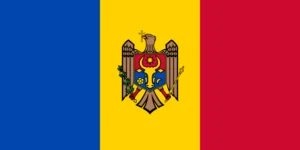
Capital: Chișinău
Currency: Moldovan leu (MDL)
Language: Romanian (official); Russian widely spoken; Gagauz, Ukrainian and Bulgarian in some regions
Population: About 2.4 million (2024 census)
Time zone: UTC+2 (EET); UTC+3 in summer (EEST)
Calling code: +373
Internet domain: .md
Main airport: Chișinău International Airport (RMO)
Best time to visit: May to June and September to early October; the best time varies by region
📍 Moldova Map
🖼️ Moldova: Location, History, Culture & Food
✨ Complete Travel Guide
Where Is Moldova Located?
Moldova is a small landlocked country in Eastern Europe, squeezed between Romania to the west and Ukraine to the north, east and south. Its capital, Chișinău, sits near the centre at about 47°N and 29°E, and the Prut and Dniester rivers shape much of the country’s geography.
Last checked: November 2026
The country covers roughly 33,800 square kilometres, making it one of the smaller states in Europe, and had about 2.4 million inhabitants at its 2024 census. Its western border with Romania follows the Prut River, while the Dniester River runs through the east. A narrow strip of land on the left bank of the Dniester, known as Transnistria, is outside the control of the Moldovan government, and the southern region of Gagauzia has special autonomous status within Moldova.
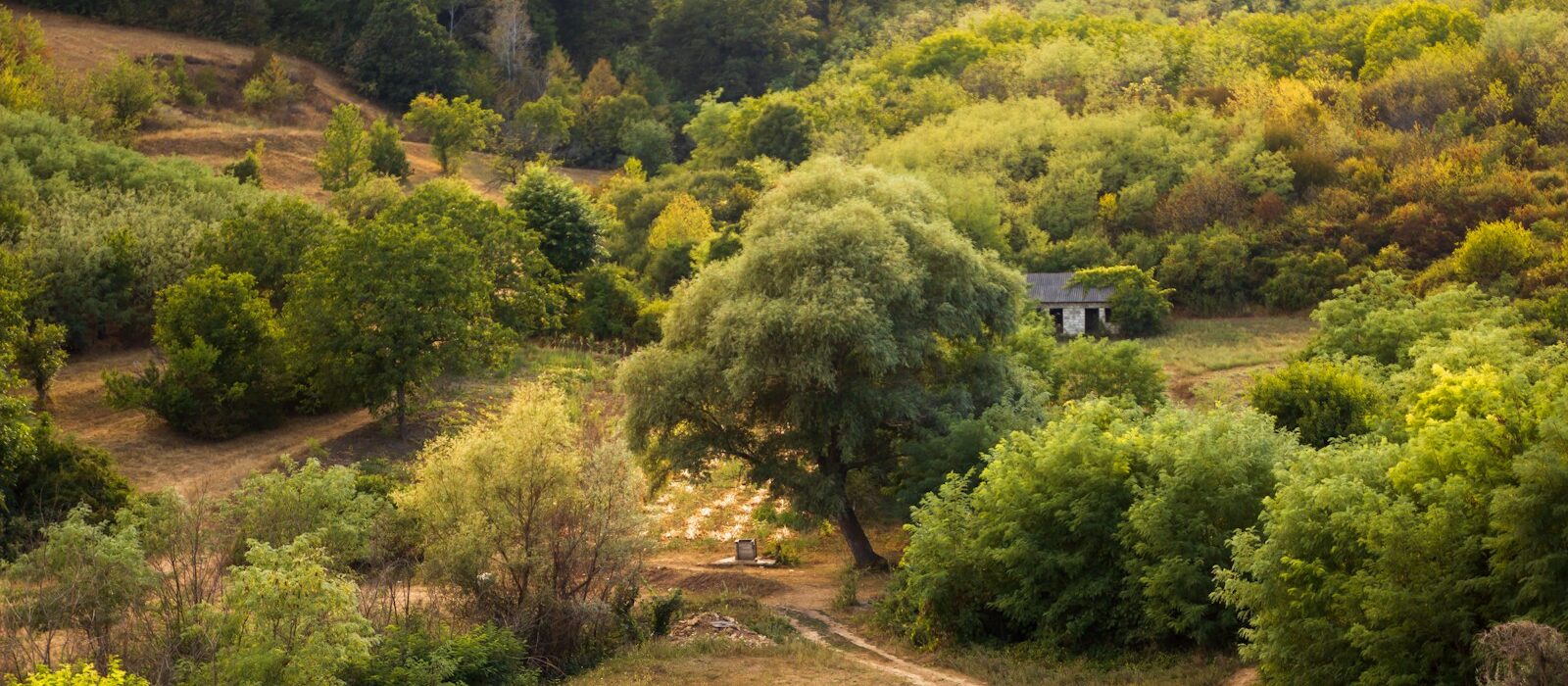
Most of the terrain is gently rolling hills and fertile plains rather than mountains. The central Codri uplands are covered with oak and beech forest, the north is a landscape of farmland and open plateaus, and the highest point rises only a little above 400 metres. Moldova also owns a very short stretch of Danube shoreline at Giurgiulești in the far south, which gives the landlocked country a small river port.
Inside the country it helps to think in regions: the north around Bălți and Soroca, the centre around Chișinău and the Codri forest, the south with Gagauzia and Cahul, and the eastern Dniester valley. Each has its own landscape and character, shaped by local farming, wine growing and history.
Introduction to Moldova
Moldova is a compact, welcoming country best known for its wine, its rural traditions and its medieval monasteries. It is one of Europe’s least-visited destinations, which means quiet villages, cellar tours and cultural sights without the crowds, and it has been an official European Union candidate country since June 2022.
Last checked: November 2026
The official language is Romanian, which is also what most people speak at home, while Russian remains widely understood, especially among older generations and in the capital. Smaller communities speak Gagauz, Ukrainian and Bulgarian. The national currency is the Moldovan leu, and Chișinău, with around 600,000 residents, is the political, cultural and commercial centre.
Travellers come mainly for three things. The first is wine: family cellars and large estates alike open for tours, and the underground cellars of Cricova and Mileștii Mici are among the most unusual in the world. The second is the countryside, with the cliffside monasteries and archaeological landscape of Orheiul Vechi, the fortress at Soroca on the Dniester and quiet villages with home-cooked meals. The third is the mix of Romanian, Slavic and Soviet-era heritage that shapes everyday life.
Chișinău itself is a green, low-rise city of parks, markets, cafés and wide boulevards, with the National Museum of History and Archaeology and several Orthodox churches in the centre. Outside the capital, rural hosts traditionally welcome guests with bread, cheese, wine and a long meal, and many guesthouses are family-run. English is spoken in tourist-facing places in the capital but is less common in villages, where Romanian or Russian are more useful.
History of Moldova
Moldova’s story runs from prehistoric farming cultures to the medieval Principality of Moldavia, a long period under Ottoman and Russian influence, a brief union with Romania, Soviet rule, and independence on 27 August 1991. Its borders today reflect those layers of history, which is why the country feels both close to Romania and distinctly its own.
Last checked: November 2026
The land between the Prut and the Dniester was home to the Cucuteni–Trypillia farming culture thousands of years before the Common Era, and later to Dacian tribes. The Principality of Moldavia, traditionally dated to 1359, grew into a regional power under rulers such as Stephen the Great (1457–1504), who defended the principality against Ottoman expansion and left a legacy of fortresses and monasteries across the wider Moldavian region.
From the sixteenth century Moldavia paid tribute to the Ottoman Empire. In 1812 the eastern half of the principality, between the Prut and the Dniester, was annexed by the Russian Empire and became known as Bessarabia. After the First World War Bessarabia united with Romania in 1918, and in 1940, following the Molotov–Ribbentrop Pact, the Soviet Union took the region and formed the Moldavian Soviet Socialist Republic.
Moldova declared independence in 1991 as the Soviet Union dissolved. In 1992 a war with separatist forces in Transnistria ended in a ceasefire, the dispute remains unresolved, and Russian troops are still stationed there. A 1994 law granted the Gagauz region autonomy, and since then the country has pursued closer ties with the European Union, receiving candidate status in 2022.
Today the Soviet period is visible in apartment blocks, memorials and the grid of central Chișinău, which was largely rebuilt after the damage of the Second World War. Alongside it you will find older churches, manor houses and village landscapes that tell a longer story.
Culture and Traditions of Moldova
Moldovan culture blends Romanian heritage with Slavic, Gagauz and Turkic influences, held together by Orthodox Christianity, folk music, handmade textiles and a deep wine-making tradition. Festivals follow the farming and church calendar, and hospitality at the table is central to everyday life, especially in villages.
Last checked: November 2026
Folk music and dance remain part of weddings, village festivals and national celebrations. The hora, a circle dance, and lively ensemble tunes played on violin, accordion and the nai, a traditional panpipe, are staples of celebrations.
Several Moldovan traditions are recognised by UNESCO as intangible cultural heritage shared with neighbouring countries. They include the Mărțișor, the red-and-white string given on 1 March to welcome spring; the ia, the embroidered traditional blouse; and the craft of woven wall carpets. Visitors can find embroidery and carpets at craft markets and museums.
Most Moldovans are Orthodox Christians, and monasteries such as Căpriana, Curchi and Țipova are active places of worship. Village patron-saint days, known as hram, and Easter bring families together for church services and shared meals. The Gagauz community in the south keeps its own Turkic-language traditions within the same Orthodox faith.
Wine is woven into national identity. National Wine Day, held each year in early October, fills Chișinău with tastings, music and food stalls, and many families still make their own wine at home. If you visit a monastery, dress modestly, and if you are invited to a home, expect to be offered food and drink more than once.
Language is part of the conversation too. Romanian is the official language under current law, although many people still call it Moldovan, and Russian continues to be widely used in daily life. Being polite and curious about language is appreciated and usually gets a warm response.
Food and Cuisine of Moldova
Moldovan food is hearty, rustic and closely related to Romanian cooking, built on cornmeal, pork, sheep’s cheese, seasonal vegetables and fresh herbs. Signature dishes include mămăligă, plăcinte, sarmale, zeamă and mici, and meals are almost always served with local wine, bread and pickles.
Last checked: November 2026
Home cooking and village guesthouses are the best places to taste the traditional kitchen, though restaurants in Chișinău also serve modern interpretations. These ten dishes are among the most recognised across the country.
- Mămăligă – a thick cornmeal porridge served with sheep’s cheese and sour cream, often as a side for stews and grilled meat.
- Plăcinte – baked or fried pastries filled with cheese, potato, cabbage, pumpkin or cherries.
- Sarmale – minced meat and rice rolled in cabbage or vine leaves, simmered slowly and served with sour cream.
- Zeamă – a clear chicken noodle soup soured with lemon or borș, often made with homemade noodles.
- Mici – grilled skinless sausages of seasoned minced meat, popular at barbecues and festivals.
- Tochitură – a pork stew with sausages, usually served over mămăligă with a fried egg and pickles.
- Colțunași – small dumplings filled with cheese, potato or cherries.
- Ardei umpluți – peppers stuffed with meat and rice in a tomato sauce.
- Zacuscă – a spread of roasted aubergine, peppers and tomatoes, usually eaten on bread.
- Cozonac – a sweet braided yeast bread with walnut, poppy seed or cocoa filling, baked for holidays.
Wine is the natural partner to this food. Local grapes such as Fetească Albă, Fetească Neagră and Rară Neagră are widely used, and the country also makes a brandy called divin. Many guesthouses pour their own wine alongside meals.
Vegetarian options exist through cheese, vegetable and pastry dishes, though menus outside the capital can be meat-focused, so it helps to ask in advance. Meals are generous, shared and unhurried, and soup, bread and pickles often arrive before the main dish.
Planning a trip? Start with the Moldova visa requirements, browse the best places to visit in Moldova, check the best time to visit Moldova, follow a ready-made Moldova itinerary, compare where to stay in Moldova, look up flights to Moldova and learn how to get around Moldova.
Safety Notice: Transnistria
The UK Foreign, Commonwealth & Development Office advises against all travel to Transnistria, a region outside the control of the Moldovan government, citing widespread military activity in Ukraine close to some Moldovan borders. The US State Department rates Moldova at Level 2 (Exercise increased caution) overall, with Level 3 (Reconsider travel) for Transnistria, and notes a risk of unexploded ordnance in some areas. This notice concerns Transnistria only, not the rest of Moldova. Check the latest advice before you travel.
Last checked: November 2026
Explore Moldova Travel Guides
Explore our detailed guides to plan every part of your Moldova trip.
Moldova: Best Places
A guide to the best places to visit in Moldova, from Chișinău and Orheiul Vechi to Cricova, Soroca Fortress and village monasteries,...
View Guide ›Moldova: Best Time to Visit
Plan your trip with Moldova's seasons in mind: spring blooms, hot summers, harvest-season autumn and cold winters, plus festivals and packing tips.
View Guide ›Moldova: Flights
Flying to Moldova: Chișinău Airport, main airlines and routes, arrival tips, a before-you-fly checklist and quick answers to common flight questions.
View Guide ›Moldova: How to Get Around
How to get around Moldova by train, minibus, trolleybus, taxi and car, with ride-hailing tips, driving rules and the best option for...
View Guide ›Moldova: Itineraries
Four realistic Moldova itineraries for 3, 5, 7 and 10 days, built around Chișinău day trips, wine cellars, monasteries and the Dniester...
View Guide ›Moldova: Visa
Find out who can enter Moldova visa-free, who needs an e-visa, which documents to carry and how long you can stay, with...
View Guide ›Moldova: Hotels
Where to stay in Moldova: the best areas in Chișinău, countryside guesthouses near Orheiul Vechi and wine regions, with booking tips for...
View Guide ›Explore Moldova Tours
Discover guided tours and adventures in Moldova. Compare itineraries, prices and traveller reviews on TourRadar before you book.
Guided tours & deals
Affiliate partner · Globe Navo may earn a commission from qualifying bookings at no extra cost to you.
❓ Moldova FAQ
Where is Moldova located?
Moldova is a small landlocked country in Eastern Europe, bordered by Romania to the west and Ukraine to the north, east and south. Its capital, Chișinău, lies near the centre, and the Prut and Dniester rivers shape much of its geography.
What is the capital of Moldova?
The capital and largest city is Chișinău, home to around 600,000 people. It is the political, cultural and commercial centre of the country and the main base for day trips to wineries, monasteries and the Orheiul Vechi landscape.
What languages are spoken in Moldova?
Romanian is the official language and the one most people speak at home. Russian is widely understood, especially in Chișinău and among older people, while Gagauz, Ukrainian and Bulgarian are spoken in some communities. English is common mainly in tourist-facing places in the capital.
What currency does Moldova use?
Moldova uses the Moldovan leu (MDL), with one leu divided into 100 bani. Cash is useful in villages and markets, while cards are accepted in many shops and restaurants in Chișinău. Check current exchange rates before you travel.
What is traditional Moldovan food?
Traditional food is hearty and close to Romanian cooking. Signature dishes include mămăligă, plăcinte, sarmale, zeamă and mici, usually served with local wine, bread and pickles. Many family guesthouses cook these dishes for visitors.
Plan Your Trip to Moldova
Your Next Adventure in Moldova Awaits!
Explore Deals →🎁 Best deals for Moldova
Offers from trusted travel stores for your Moldova trip. Compare a few options before you book, and check each store's terms for the final price.
Browse by type: Hotel deals · Flight deals · Travel eSIM · Car rental
More destinations to explore
KazakhstanExplore Kazakhstan, the vast Central Asian country of steppe, mountains and Silk Road heritage,…
 IraqDiscover Iraq: where it is, its history, culture and traditions, and signature dishes, with…
 Equatorial GuineaDiscover Equatorial Guinea: where it is, its history, Spanish and African culture, and the…