 ArmeniaArmenia travel guide covering where the country is, its history, culture and food, plus…
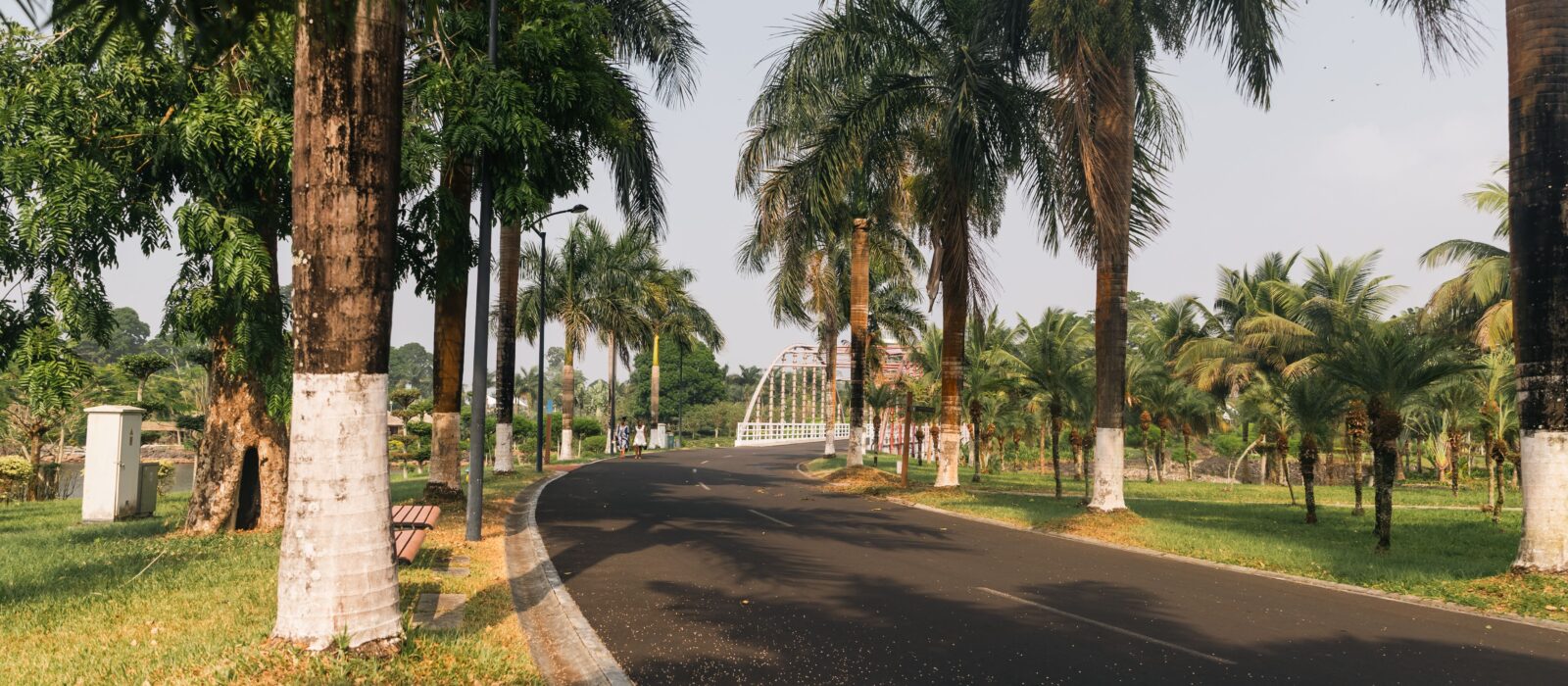
DESTINATION
Equatorial Guinea
Discover Equatorial Guinea: where it is, its history, Spanish and African culture, and the signature dishes worth trying.
📅 Last updated:
🌍 Quick Facts

Equatorial Guinea at a glance
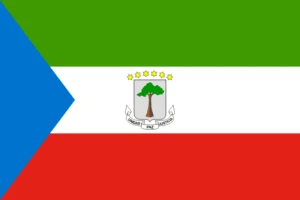
Capital: Malabo
Currency: Central African CFA franc (XAF)
Language: Spanish, French, Portuguese
Population: About 1.7 to 1.9 million (estimates vary)
Time zone: West Africa Time (UTC+1)
Calling code: +240
Internet domain: .gq
Main airport: Malabo International Airport (SSG), Bata Airport (BSG)
Best time to visit: Dec to Feb on Bioko; Jun to Aug on the mainland
📍 Equatorial Guinea Map
🖼️ Equatorial Guinea: Location, History, Culture & Food
✨ Complete Travel Guide
Where Is Equatorial Guinea Located?
Equatorial Guinea is a small country on the Gulf of Guinea in west-central Africa. It has a mainland region, Río Muni, bordered by Cameroon to the north and Gabon to the east and south, plus several islands, including Bioko, where Malabo sits, and far-off Annobón.
Last checked: November 2026
The country is split into two main parts that are not connected by land. Río Muni, also called the continental region, holds the largest city, Bata, and most of the country’s rainforest. Bioko is a volcanic island that lies roughly 40 kilometres off the coast of Cameroon, and it is home to Malabo, the capital city most references list today.
Several smaller islands complete the map. Corisco and the two Elobey islands sit in Corisco Bay near the Gabon border, while Annobón lies hundreds of kilometres to the southwest, closer to São Tomé and Príncipe than to the mainland. Despite the name, no part of the national territory actually touches the equator, which runs a little to the south.
The total area is about 28,000 square kilometres. Bioko’s Pico Basilé, at 3,011 metres, is the highest point in the country and often catches storm clouds above Malabo. A planned administrative capital, Ciudad de la Paz, is under construction on the mainland, which is why some references list it as the capital; Malabo is still the city most visitors meet first, through its international airport. The mainland is reached through Bata, which has its own airport.
Introduction to Equatorial Guinea
Equatorial Guinea is a small, oil-producing republic in Central Africa where Spanish is one of three official languages, alongside French and Portuguese. Visitors find volcanic island scenery, rainforest national parks, Spanish colonial architecture and a blend of Fang, Bubi and other local cultures in a country that sees few tourists.
Last checked: November 2026
Population estimates range from roughly 1.7 to 1.9 million people, depending on the source and year. Most people live in Bata, Malabo and a handful of mainland towns. The economy has long been shaped by oil and gas, which began to transform the country from the mid-1990s onward, so modern buildings and wide new roads sit beside quiet villages and dense forest.
Practical basics are easy to remember. The currency is the Central African CFA franc (XAF), the international calling code is +240, the time zone is West Africa Time (UTC+1), and traffic drives on the right. The country’s internet domain is .gq. Cash matters, because card payments and ATMs are not dependable outside the two main cities.
Travel here rewards planning. Start with our Equatorial Guinea visa guide to understand entry rules, then browse the best places to visit and check the best time to visit for each region. If you want a ready-made route, our sample itineraries cover trips from three to ten days. For logistics, see where to stay in the hotels guide, how to reach the country in the flights guide, and how to move between regions in the getting around guide.
Climate, wildlife and landscape also set this country apart. Much of the mainland is covered by rainforest, and large areas of Río Muni have been set aside as protected zones, including Monte Alén National Park. On Bioko, volcanic slopes rise steeply behind Malabo, which gives the capital a green, misty backdrop that is unusual among African capitals.
History of Equatorial Guinea
Equatorial Guinea was a Spanish colony for nearly two centuries and became independent on 12 October 1968. Before and during that period, the Bubi of Bioko, the Fang and other peoples of the mainland, and Portuguese, British and Spanish powers all left marks on the territory.
Last checked: November 2026
Bioko was inhabited long before Europeans arrived, and the Bubi people are regarded as its indigenous inhabitants. The Portuguese navigator Fernão do Pó sighted the island around 1472 and called it Formosa, “beautiful”. Portugal later handed its claims in the region to Spain through the Treaty of El Pardo in 1778, which is generally treated as the start of Spanish Guinea.
Spanish control was patchy at first. Britain used Bioko as a base in the 1820s and 1830s, and Spain restored its sovereignty in 1844. On the mainland, Río Muni became a Spanish protectorate in 1885, and the Treaty of Paris in 1900 fixed the small continental enclave that Spain kept. In 1926 the island and mainland were joined as the colony of Spanish Guinea, whose economy rested on cocoa and coffee plantations and on timber.
After the Second World War the status of the territory changed several times, moving from colony to province and then to an autonomous community in the 1960s. Independence followed on 12 October 1968, and Francisco Macías Nguema became the first president. He created a single-party state in 1970, and the early independence years were harsh and widely documented as such. Teodoro Obiang Nguema Mbasogo has held the presidency since 1979, according to the World Travel Guide. Oil discoveries in the 1990s later changed the country’s finances and the look of its main cities.
Culture and Traditions of Equatorial Guinea
Equatorial Guinean culture combines indigenous traditions, mainly Fang, Bubi and coastal communities, with Spanish language and Catholic heritage. Spanish is the most widely spoken language, while Fang, Bubi and other local languages remain important in family life, storytelling and community events.
Last checked: November 2026
The Fang are the largest ethnic group and live mainly on the mainland. The Bubi are associated with Bioko, and visitors can learn about their ways in the Moka valley in the southern highlands. Smaller communities, including coastal groups and the people of Annobón, keep their own languages and customs, so the country is more diverse than its small size suggests.
Spanish colonial history is visible in daily life. Spanish is widely spoken, Catholic churches shape the skyline of Malabo and Bata, and Spanish dishes sit on many menus. French and Portuguese gained official status more recently and reflect regional and international ties. Among local languages, Fang and Bubi are the best known, and Bissio is spoken by a few thousand people on the mainland.
For a taste of the arts, Malabo has an Equatoguinean cultural centre and a museum of contemporary and traditional African art, and the capital’s seafront and parks are popular for weekend gatherings. Music and dance accompany family and community celebrations, and Christmas and New Year are widely celebrated, especially in Malabo.
Social life is generally conservative, and the UK government notes that open discussion of sexual identity can lead to discrimination. Dress modestly in towns and villages, greet people politely before asking questions, and ask permission before photographing individuals.
Food and Cuisine of Equatorial Guinea
Equatorial Guinean food is built on fish, cassava, plantain, palm oil, peanuts and chili, with Spanish and Cameroonian influences added over time. Its best-known dish is pepesup, a spicy fish soup, while succotash is often described as the national dish.
Last checked: November 2026
Because fishing is a way of life along the coast, fish appears in many meals, often grilled, stewed or served in a sauce. Jungle herbs and wild game add flavour in the forested mainland. Main dishes usually come with rice, boiled or fried yuca, malanga or plantain, and many dishes are cooked wrapped in banana leaves. Recipes vary from one community to another, so the dishes below are best treated as signposts rather than strict rules.
- Pepesup (pepper soup): a spicy, warming fish soup with onions, peppers and herbs, widely cited as the country’s signature dish.
- Succotash: a stew often described as the national dish; versions combine beans, corn or cassava leaves with tomatoes, peppers or palm oil.
- Peanut sauce with chicken or fish: onions and tomatoes fried and enriched with ground peanuts.
- Pescado con tres salsas: fish served with three sauces, commonly spinach, avocado and peanut.
- Envueltos and fufu: parcels wrapped in leaves, filled with peanut sauce, manioc or meat, or served as a starchy side.
- Pescado asado: simply grilled fresh fish, often eaten with plantain or yuca.
- Pissoj: a yuca bread associated with Annobón.
- Ndolé: a bitterleaf-and-nut stew adopted from neighbouring Cameroon.
- Spanish tortilla: the potato omelette that arrived with Spanish settlers and remains a familiar snack.
- Buñuelos: fried dough fritters introduced during the Spanish period.
Meals are often shared and unhurried, and hospitality matters: visitors invited to a home are usually offered food first. Chili heat varies, so ask for sauces on the side if you prefer milder flavours. Stick to freshly cooked dishes and bottled water, as travel-health advisers recommend in tropical regions.
To drink, try malamba, a lightly sweet palm wine made from palm sap. For dessert, baked bananas are a simple local finish. Markets and street stalls in Malabo and Bata are the easiest places to sample everyday cooking, while restaurants in the main cities add Spanish and international dishes.
Explore Equatorial Guinea Travel Guides
Explore our detailed guides to plan every part of your Equatorial Guinea trip.
Equatorial Guinea: Visa
Equatorial Guinea entry rules: eVisa, passport validity, yellow fever proof and what to confirm with official sources before you travel.
View Guide ›Equatorial Guinea: Best Places
The best places to visit in Equatorial Guinea: Malabo, Bata, Pico Basilé, Arena Blanca and Monte Alén, with time needed and who...
View Guide ›Equatorial Guinea: Best Time to Visit
When to visit Equatorial Guinea: Bioko is driest December to February, the mainland June to August, with rainfall, heat and packing advice.
View Guide ›Equatorial Guinea: Itineraries
Sample Equatorial Guinea itineraries for 3, 5, 7 and 10 days covering Malabo, Bioko, Bata and Monte Alén, with practical planning notes.
View Guide ›Equatorial Guinea: Hotels
Where to stay in Equatorial Guinea: best areas in Malabo, Bata and Luba, budget levels, what to check and how to pay.
View Guide ›Equatorial Guinea: Flights
Flights to Equatorial Guinea: Malabo and Bata airports, airlines reported on the routes, arrival tips and a Before You Fly checklist.
View Guide ›Equatorial Guinea: Getting Around
Getting around Equatorial Guinea: Malabo to Bata flights, driving rules, checkpoints, taxis, minibuses and the best option for each journey.
View Guide ›Explore Equatorial Guinea Tours
Discover guided tours and adventures in Equatorial Guinea. Compare itineraries, prices and traveller reviews on TourRadar before you book.
Guided tours & deals
Affiliate partner · Globe Navo may earn a commission from qualifying bookings at no extra cost to you.
❓ Equatorial Guinea FAQ
Where is Equatorial Guinea located?
Equatorial Guinea lies on the Gulf of Guinea in west-central Africa. The mainland region, Río Muni, borders Cameroon and Gabon, while the capital Malabo is on Bioko Island, roughly 40 kilometres off the coast of Cameroon. Annobón is a far-off island to the southwest.
Which languages are spoken in Equatorial Guinea?
Spanish, French and Portuguese are official languages, and Spanish is the most widely spoken. Local languages such as Fang and Bubi remain important in family life and community events, and smaller languages like Bissio are spoken by a few thousand people on the mainland.
What currency does Equatorial Guinea use?
The Central African CFA franc (XAF) is the currency. Cash is important because card payments and ATMs are not dependable outside Malabo and Bata, so carry enough francs for transport, meals and small purchases, and ask hotels about payment methods in advance.
What is the national dish of Equatorial Guinea?
Pepesup, a spicy fish soup, is widely cited as the signature dish, while succotash is often described as the national dish. Other staples include peanut sauce with chicken or fish, grilled fish, and rice, yuca or plantain served alongside stews.
When did Equatorial Guinea become independent?
Equatorial Guinea became independent from Spain on 12 October 1968, after nearly two centuries of Spanish colonial presence that began with the Treaty of El Pardo in 1778. Francisco Macías Nguema became the first president, and Teodoro Obiang Nguema Mbasogo has led the country since 1979.
Plan Your Trip to Equatorial Guinea
Your Next Adventure in Equatorial Guinea Awaits!
Explore Deals →🎁 Best deals for Equatorial Guinea
Offers from trusted travel stores for your Equatorial Guinea trip. Compare a few options before you book, and check each store's terms for the final price.
Browse by type: Hotel deals · Flight deals · Travel eSIM · Car rental
 SimOptionsFind the latest SimOption promo code and coupon code for travel eSIM data plans. See how to apply an offer at checkout, fix common code errors and stay connected abroad.
Get Coupon View Deal
 KkdayFind current Kkday coupons and deals for tours, attraction tickets, transport and first app orders. See minimum spend, discount caps and exclusions before you book.
Get Coupon View Deal
 eSIMFOXeSIMFOX is a travel eSIM provider offering prepaid mobile data plans for single countries and wider regions, delivered digitally so you can connect as soon as you land.
Get Coupon View Deal
 QuibityQuibity is a travel eSIM provider that lets you buy a mobile data plan online and activate it on your phone, so you can get connected abroad without a physical SIM card.
Get Coupon View Deal
 ExpediaDiscover great deals on hotels, flights, vacation packages, car rentals, and activities with Expedia. Compare travel options and plan your next trip with convenient booking choices.
Get Coupon View Deal
 KlookKlook is a travel activities platform where you can book attraction tickets, tours, day trips, transport passes, airport transfers and local experiences in destinations worldwide.
Get Coupon View Deal
 Trip.comTrip.com is a global online travel platform for flights, hotels, train tickets, airport transfers, attraction tickets and travel packages, available on web and mobile app.
Get Coupon View Deal
 TourRadarTourRadar is an online marketplace for multi-day guided tours, small-group trips and tailor-made journeys offered by independent tour operators around the world.
Get Coupon View Deal
More destinations to explore
ArmeniaArmenia travel guide covering where the country is, its history, culture and food, plus…
 MaltaMalta is a Mediterranean island nation known for Valletta's Baroque streets, ancient temples, village…

 Central African RepublicLocation, history, culture and food of the Central African Republic, with official safety advice…