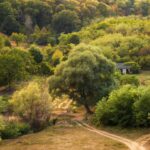
The best places to visit in Moldova are Chișinău, the cave monastery landscape of Orheiul Vechi, the underground wine cellars of Cricova and Mileștii Mici, Soroca Fortress on the Dniester and a handful of village monasteries. Most of them lie within a day trip of the capital, so Chișinău works well as a base.
Last checked: November 2026
Moldova is small, and its highlights are spread across a gently rolling countryside rather than concentrated in one place. The list below groups places by what they offer so you can pick the mix that suits your interests. Visiting hours, tour languages and ticket rules change, so confirm access directly with each site before you go.
Major Cities
Chișinău
Why visit: Chișinău is Moldova’s capital and largest city, and the easiest place to understand the country’s mix of Romanian, Russian and Soviet influences. Its wide, tree-lined streets, parks and markets make it a relaxed city to explore on foot.
Main attractions: the National Museum of History and Archaeology, the central Orthodox cathedral and its park, the Central Market and cafés and wine bars around the main boulevard.
Time needed: one to two days. Best for: first-time visitors, food lovers and anyone using the city as a base for day trips.
Cultural and Historic Places
Orheiul Vechi
Why visit: Orheiul Vechi is an open-air archaeological and cultural landscape set in a dramatic bend of the Răut River, roughly 47 kilometres from Chișinău. It combines a cave monastery, remains of earlier settlements and traditional villages.
Main attractions: the cliffside cave monastery, the rural village of Butuceni with its ethnographic museum and walking paths with views over the river valley.
Time needed: half a day to a full day. Best for: history lovers, walkers and photographers.
Soroca Fortress
Why visit: Soroca Fortress is a round stone fortress on the right bank of the Dniester River, built in 1499 during the rule of Stephen the Great. It is one of the best-preserved medieval fortifications in the country.
Main attractions: the circular bastioned walls, the museum inside and views across the river toward Ukraine.
Time needed: one to two hours at the site, though the trip from Chișinău takes much of a day. Best for: medieval history and river-valley scenery.
Curchi Monastery
Why visit: Curchi is a historic Orthodox monastery complex set among the central Codri hills, and it is frequently visited together with Orheiul Vechi.
Main attractions: the main church, the monastery grounds and the surrounding countryside.
Time needed: one to two hours. Best for: visitors interested in Orthodox architecture and quiet settings. Dress modestly and check visiting rules on site.
Saharna and Țipova
Why visit: The Dniester valley near Rezina is known for monastic sites in the cliffs and forests. Saharna is associated with a monastery and a waterfall walk, while Țipova is known for a cave monastery above the river.
Main attractions: the monastery complexes, forest paths and river views.
Time needed: half a day for both with a car or driver. Best for: nature walkers and travellers who want a quieter side of Moldova.
Food and Wine Destinations
Cricova
Why visit: Cricova is a state-owned winery about 18 kilometres north of Chișinău, with limestone tunnels that serve as wine cellars. It is best known for sparkling wine aged underground.
Main attractions: guided cellar tours, tasting rooms and the large wine collection stored in the tunnels.
Time needed: two to three hours including the trip from the capital. Best for: wine lovers and anyone curious about unusual underground sites.
Mileștii Mici
Why visit: Mileștii Mici is a wine complex about 21 kilometres south of Chișinău, housed in former limestone quarries. It holds a Guinness World Record, awarded in 2005, for the largest wine collection, with estimates of between 1.5 and 2 million bottles.
Main attractions: the tunnel tour, tasting sessions and the stored collection.
Time needed: two to three hours. Best for: wine enthusiasts and travellers who enjoy record-setting sights. Tours usually need advance booking.
Purcari
Why visit: Château Purcari is a well-known winery in the south-east of the country, in wine country near the lower Dniester valley.
Main attractions: vineyards, wine tastings and the estate’s winemaking heritage.
Time needed: half a day with transport from Chișinău. Best for: visitors who want to see wine country beyond the underground cellars.
Planning Notes
- Public transport reaches most of these places, but day tours or a private driver are often simpler for Orheiul Vechi, Cricova and the monasteries.
- Opening days, tour languages and ticket rules are not guaranteed, so book wine cellar tours in advance and confirm access before you travel. The Wine of Moldova national promotion site lists wineries and wine regions that can help you choose where to go.
Frequently Asked Questions
What are the top places to visit in Moldova?
Most travellers prioritise Chișinău, Orheiul Vechi, Cricova or Mileștii Mici and Soroca Fortress. Adding a village monastery or a winery in the south gives a good picture of the country.
Can I visit these places on day trips from Chișinău?
Yes. Orheiul Vechi, Cricova, Mileștii Mici and Curchi are all within a short drive of the capital. Soroca, Saharna and Purcari take longer and suit a full day.
Do I need to book winery tours in advance?
It is wise to book, particularly at Cricova and Mileștii Mici, where tours run on set schedules and group sizes can be limited. Confirm times and languages directly with the winery.