 GreeceGreece sits at the southern tip of the Balkan Peninsula in Southeastern Europe, surrounded…
DESTINATION
Malawi
A landlocked country in southeastern Africa shaped by Lake Malawi and the Great Rift Valley, with warm hospitality, rich traditions and lakeside food.
📅 Last updated:
🌍 Quick Facts

Malawi at a glance
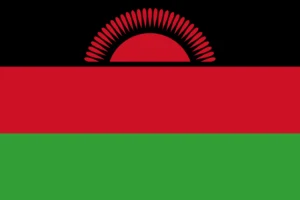
Capital: Lilongwe
Currency: Malawian kwacha (MWK)
Language: English (official) and Chichewa (widely spoken)
Population: About 17.6 million (2018 census)
Time zone: UTC+2 (Central Africa Time)
Calling code: +265
Internet domain: .mw
Main airport: Lilongwe (LLW), Blantyre (BLZ)
Best time to visit: May to October
📍 Malawi Map
🖼️ Malawi: Location, History, Culture & Food
✨ Complete Travel Guide
Where Is Malawi Located?
Malawi is a landlocked country in southeastern Africa, bordered by Zambia to the northwest, Tanzania to the northeast and Mozambique to the east, south and west. Its capital, Lilongwe, lies in the central region, and Lake Malawi runs along most of the country’s eastern edge.
Last checked: November 2026
Malawi covers about 118,484 square kilometres, of which roughly 94,080 square kilometres is land and 24,404 square kilometres is water. Its land borders total about 2,857 kilometres: 1,498 km with Mozambique, 847 km with Zambia and 512 km with Tanzania. The country has no coastline, so it is a long, narrow strip that stretches from north to south.
The Great Rift Valley runs through Malawi from north to south. In this deep trough lies Lake Malawi, also called Lake Nyasa, which is about 580 kilometres long and is shared with Mozambique and Tanzania. The Shire River flows out of the southern end of the lake and later joins the Zambezi River in Mozambique. To the east and west of the Rift Valley the land rises into high plateaus, while the far south drops to only a few dozen metres above sea level.
Malawi lies entirely within the tropics. The south is hotter and lower, and the northern highlands are cooler. The largest cities are Lilongwe, the capital, and Blantyre, the main commercial centre.
Administratively, Malawi is divided into three regions: the Northern Region, centred on the city of Mzuzu, the Central Region, which includes the capital, and the Southern Region, which includes Blantyre and the old colonial town of Zomba. Zomba was the capital until the government moved to Lilongwe in the 1970s, and the three regions differ in climate, landscape and cultural traditions.
Introduction to Malawi
Malawi, officially the Republic of Malawi, is a presidential republic in southeastern Africa with about 17.6 million people at the 2018 census. Lilongwe is the capital, English is the official language, Chichewa is widely spoken, and the currency is the Malawian kwacha. The country is often called the Warm Heart of Africa.
Last checked: November 2026
The name Malawi means “flames” in Chichewa and Chitumbuka. The country became independent from Britain on 6 July 1964, when the former Nyasaland took its new name, and it became a republic on 6 July 1966. Independence Day on 6 July is a public holiday, and the national motto is “Unity and Freedom”.
Malawi is one of Africa’s smaller countries and one of its more densely populated. Most people live in rural areas, with the highest population density south of Lake Malawi, and agriculture is the main source of livelihoods. Lilongwe is the seat of government, while Blantyre is the main commercial centre.
Tobacco is the country’s most important export, followed by crops such as tea, sugar and groundnuts, which gives much of the countryside its character. Visitors usually find a quiet, friendly country where the lake, the highlands and the wildlife reserves can be combined in a single trip.
Two places are on the UNESCO World Heritage List: Lake Malawi National Park, listed in 1984, and the Chongoni Rock Art Area, listed in 2006. You can browse the official record on the UNESCO page for Malawi.
- Official name: Republic of Malawi
- Capital: Lilongwe
- Languages: English (official) and Chichewa (widely spoken)
- Currency: Malawian kwacha (MWK)
- Calling code and domain: +265 and .mw
History of Malawi
Bantu-speaking groups settled the area around the 10th century, and by about 1500 the Maravi kingdom had formed. Britain declared a protectorate in 1891, later called Nyasaland. After the Federation of Rhodesia and Nyasaland ended in 1963, Malawi became independent on 6 July 1964.
Last checked: November 2026
Early peoples and the Maravi kingdom
The area now called Malawi had a small population of hunter-gatherers before waves of Bantu peoples arrived from the north from about the 10th century. By around 1500 a Maravi kingdom had formed, stretching from north of what is now Nkhotakota to the Zambezi River, and the name Malawi is linked to the Maravi. Rock art at the Chongoni Rock Art Area records the long human history of the central highlands.
Livingstone and the British protectorate
The Scottish missionary and explorer David Livingstone reached Lake Malawi, then Lake Nyasa, in 1859. Missions followed, including stations at Cape Maclear in 1875 and Livingstonia in 1894. Britain proclaimed a protectorate over the Shire Highlands in 1889 and extended it to most of present-day Malawi in 1891 as the British Central Africa Protectorate, which was renamed Nyasaland in 1907.
Resistance and the Federation
In January 1915 the preacher John Chilembwe led an armed uprising against colonial rule and labour conditions, and British forces crushed it within weeks. He is remembered as a pioneer of Malawian nationalism. In 1953 Britain joined Nyasaland with Northern and Southern Rhodesia in the Federation of Rhodesia and Nyasaland, which many Africans opposed, and Hastings Kamuzu Banda returned from abroad in 1958 to lead the campaign against it.
Independence and democracy
The Federation was dissolved on 31 December 1963, and Nyasaland gained internal self-government with Banda as prime minister. Malawi became fully independent on 6 July 1964 and a republic on 6 July 1966, with Banda as its first president in a one-party state. The current constitution dates from 18 May 1994, when Malawi moved to multi-party politics. Bakili Muluzi won the first multi-party presidential election in 1994, and Malawi has held regular elections since then, so the country is now usually described as a multi-party democracy.
Culture and Traditions of Malawi
Malawian culture is shaped by more than ten ethnic groups, strong community and family ties, and a long tradition of masked dance, music and storytelling. Chewa, Tumbuka, Ngoni, Yao and Lomwe communities each keep their own ceremonies, while Chichewa and English link the country together.
Last checked: November 2026
People, language and faith
The 2018 census recorded Chewa as the largest ethnic group, followed by Lomwe, Yao, Ngoni and Tumbuka. Chichewa is the most widely spoken local language, and English is used in government and education. About 82 percent of people are Christian and about 14 percent are Muslim, with the Yao community in the south and along the lakeshore closely linked to Islam.
Masked dances and ceremonies
The best-known tradition is Gule Wamkulu, the great dance of the Chewa, performed by initiated men of the Nyau society in animal and spirit masks. It accompanies initiation ceremonies, weddings, funerals and the installation of chiefs, and UNESCO recognises it as intangible cultural heritage; read more on the UNESCO page for Gule Wamkulu. Other traditions include the Vimbuza healing dance of the Tumbuka in the north, the ingoma dance of the Ngoni and the manganje ceremonies of the Yao. The Nyau ceremonies are sacred, so visitors should ask permission and follow local guidance before taking photos.
Music and festivals
Drumming, choral singing and modern Malawian music are part of daily life, and the Lake of Stars festival on the shores of Lake Malawi has helped bring Malawian and international artists together. Check the organisers for current dates before planning around any festival. Independence Day on 6 July is the main national holiday, marked by official ceremonies and celebrations.
Crafts are also an important part of Malawian culture. Woodcarving, basketry, pottery and textiles are made in many regions, and carvings and baskets are sold at craft markets and roadside stalls across the country. Greetings matter in daily life, so take a moment to greet people properly before asking a question, and use your right hand, or both hands, when giving or receiving something. Football is the most followed sport, and matches draw crowds in towns and villages alike.
Food and Cuisine of Malawi
Malawian food is built around nsima, a thick maize porridge eaten at almost every meal with a relish called ndiwo. Fresh fish from Lake Malawi, especially chambo, leafy greens, groundnuts and fried snacks such as mandasi complete the national table.
Last checked: November 2026
Nsima is eaten with the right hand: a small piece is rolled into a ball and used to scoop up the relish. The ndiwo changes with the season, the region and the household, and may be greens, beans, fish, chicken or beef. Along the lakeshore, fish is the most common protein, while in the north cassava porridge replaces maize in some homes.
- Nsima: the national staple, a thick porridge of maize flour and water.
- Chambo: a prized tilapia-type fish from Lake Malawi, often grilled or fried and served with nsima.
- Usipa: small sardine-like lake fish, often dried or fried and served as ndiwo.
- Ndiwo: the relish served beside nsima, from vegetable and bean stews to fish and meat.
- Kondowole: a cassava-flour porridge from northern Malawi, eaten like nsima.
- Kachumbari: a fresh tomato and onion salad served as a side dish.
- Mpiru: mustard greens, usually boiled with tomatoes and onions as a vegetable relish.
- Thobwa: a creamy, lightly fermented drink made from maize with millet or sorghum.
- Mandasi: fried dough pieces like unsweetened doughnuts, often eaten with tea.
- Zitumbuwa: fried banana fritters, eaten as a breakfast or snack.
Maize is the staple crop, and groundnuts, beans, cassava, sweet potatoes and bananas are also widely grown, which is why they appear so often in home cooking. Phala, a thin maize porridge, is a common breakfast, while many people eat nsima for lunch and dinner. Meals are often shared from common dishes, and washing hands before and after eating is customary.
Tea is usually served hot, sweet and with milk. Street vendors sell thobwa in reused bottles, so choose busy stalls with good hygiene, and ask locally about drinking water in your area.
Plan your trip with our guides to Malawi visa requirements, the best places to visit in Malawi, the best time to visit Malawi, a Malawi itinerary for 3 to 10 days, where to stay in Malawi, flights to Malawi and how to get around Malawi.
Explore Malawi Travel Guides
Explore our detailed guides to plan every part of your Malawi trip.
Malawi: Best Places
A guide to Malawi's top destinations, from Lake Malawi's beaches and islands to safari parks, highland hikes, rock art and city stops.
View Guide ›Malawi: Best Time to Visit
Month-by-month guidance on Malawi's dry and rainy seasons, regional climate differences, holidays and the best months for safari, hiking and the lake.
View Guide ›Malawi: Flights
Which airports and airlines serve Malawi, how most travellers connect via Addis Ababa, Nairobi or Johannesburg, and what to prepare before you...
View Guide ›Malawi: How to Get Around
A practical guide to travelling inside Malawi by bus, minibus, car, domestic flight, lake ferry and train, with driving rules and common...
View Guide ›Malawi: Itineraries
Four realistic Malawi itineraries for 3, 5, 7 and 10 days, with routes, overnight stops, estimated road times and practical pacing tips.
View Guide ›Malawi: Visa
How Malawi's e-visa and entry rules work, with official portals, fee figures that differ between sources, processing times and what to check...
View Guide ›Malawi: Hotels
Where to base yourself in Malawi, from Lilongwe and Blantyre to lakeside lodges and safari camps, with tips for families, budgets and...
View Guide ›Explore Malawi Tours
Discover guided tours and adventures in Malawi. Compare itineraries, prices and traveller reviews on TourRadar before you book.
Guided tours & deals
Affiliate partner · Globe Navo may earn a commission from qualifying bookings at no extra cost to you.
❓ Malawi FAQ
What is the capital of Malawi?
Lilongwe is the capital of Malawi and its largest city. It lies in the central region and replaced the colonial town of Zomba as the seat of government in the 1970s. Blantyre, in the south, is the main commercial centre.
What language is spoken in Malawi?
English is the official language and is used in government and education. Chichewa is the most widely spoken local language, and other languages such as Chitumbuka, Yao and Lomwe are spoken in different regions.
What currency does Malawi use?
Malawi uses the Malawian kwacha, abbreviated MWK. Exchange rates and the availability of cash and cards change, so check current rates before you travel and carry a backup way to pay.
What is Malawi known for?
Malawi is often called the Warm Heart of Africa because of its friendly people. It is known for Lake Malawi, its colourful lake fish, the Gule Wamkulu masked dance, and food built around nsima and fresh chambo.
Is Malawi a landlocked country?
Yes. Malawi has no coastline and is bordered by Zambia, Tanzania and Mozambique. Its main water feature is Lake Malawi, a long lake in the Great Rift Valley that is shared with Mozambique and Tanzania.
Plan Your Trip to Malawi
Your Next Adventure in Malawi Awaits!
Explore Deals →🎁 Best deals for Malawi
Offers from trusted travel stores for your Malawi trip. Compare a few options before you book, and check each store's terms for the final price.
Browse by type: Hotel deals · Flight deals · Travel eSIM · Car rental
More destinations to explore
GreeceGreece sits at the southern tip of the Balkan Peninsula in Southeastern Europe, surrounded…
 Central African RepublicLocation, history, culture and food of the Central African Republic, with official safety advice…
 MexicoA guide to Mexico as a destination: where it sits in North America, its…