What Are the Best Places to Visit in Malawi?
The best places to visit in Malawi are Lake Malawi, especially Cape Maclear and Nkhata Bay, wildlife areas such as Liwonde National Park and Majete Wildlife Reserve, the hiking country of Mount Mulanje, Zomba Plateau and Nyika, and cultural sites like the Chongoni Rock Art Area.
Last checked: November 2026
Malawi is small but varied, and a good trip usually combines the lake with one or two inland highlights. The places below are grouped by type of experience. The time suggestions are our own planning guides, not official figures, and conditions can change, so confirm access, fees and any closures with the park, lodge or operator before you travel.
Lake Malawi and the Lakeshore
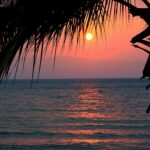
Lake Malawi, also called Lake Nyasa, is about 580 kilometres long and shapes most travel in the country. Sandy beaches, clear water and colourful cichlid fish make it popular for swimming, kayaking, sailing and freshwater diving.
Cape Maclear and Lake Malawi National Park
Why visit: Cape Maclear sits on the Nankumba Peninsula inside Lake Malawi National Park, which protects part of the southern lakeshore, nearby hills and several offshore islands. The park was listed by UNESCO in 1984. Main attractions: snorkelling, diving, kayaking and boat trips to the islands. Time needed: 2 to 3 nights. Best for: beach lovers, divers and backpackers.
Nkhata Bay
Why visit: A small lakeside town on the northern shore with a relaxed atmosphere and a long reputation among backpackers. Main attractions: diving, swimming from lodge jetties and local markets. Time needed: 2 to 3 nights. Best for: independent travellers and divers.
Likoma Island
Why visit: An island in the lake, reached by ferry or air, with a few boutique stays and a quiet pace. Time needed: 2 nights or more, because getting there takes planning. Best for: travellers who want seclusion.
Wildlife and National Parks
Malawi has several national parks and wildlife reserves, and conservation work by African Parks has helped restock some of them. Over 680 bird species are recorded in the country.
Liwonde National Park
Why visit: Just south of Lake Malawi, it is the country’s best-known safari destination. Boat safaris on the Shire River are a highlight, and black rhino, lion and cheetah have been reintroduced. Time needed: 2 nights. Best for: first-time safari visitors and birdwatchers.
Majete Wildlife Reserve
Why visit: A conservation success story in the south and a place to look for the Big Five. Time needed: 2 nights. Best for: wildlife enthusiasts.
Nyika National Park
Why visit: Malawi’s largest and oldest park, at about 3,250 square kilometres, in the northern highlands. Zebra, reedbuck, eland and roan antelope are among the large mammals. Time needed: 2 to 3 nights. Best for: hikers, cyclists and people who want wide, quiet landscapes.
Nkhotakota Wildlife Reserve
Why visit: A reserve in the central lakeshore region where visitors can kayak the Bua River. Time needed: 1 to 2 nights. Best for: adventurous travellers.
Mountains and Highlands
Mount Mulanje
Why visit: A dramatic massif in the deep south, popular for hiking and scrambling. Time needed: 2 to 4 days, depending on the route. Best for: experienced hikers, preferably with a local guide.
Zomba Plateau
Why visit: A cool highland above the historic town of Zomba, crossed by hiking trails and known for birdlife, with more than 300 species reported. Time needed: 1 to 2 nights. Best for: walkers and birdwatchers.
Cities and Cultural Sites
Lilongwe
Why visit: The capital is a relaxed base for travel to the lake and the wildlife areas, with markets and restaurants. Time needed: 1 night. Best for: arrival, shopping and onward connections.
Blantyre
Why visit: The main commercial centre, in the Shire Highlands, useful for the south. Time needed: 1 night. Best for: access to Mulanje and Zomba.
Chongoni Rock Art Area
Why visit: A UNESCO World Heritage site listed in 2006, with rock art that records the long human history of the central highlands. Read the official record on the UNESCO page for Malawi. Time needed: a half day to a full day. Best for: culture and history lovers.
Livingstonia
Why visit: A historic mission settlement on an escarpment in the north with wide views, founded in 1894. Time needed: 1 night. Best for: history and scenery.
Food Destinations
Fresh chambo, grilled or fried and served with nsima, is easiest to find along the lakeshore at places like Cape Maclear and Nkhata Bay. In cities, markets and tea rooms sell mandasi and other snacks. See the main Malawi guide for the dishes worth trying.
How to Choose Where to Go
- Beach and water: Cape Maclear, Nkhata Bay and Likoma Island.
- Safari: Liwonde and Majete.
- Hiking: Mulanje, Zomba and Nyika.
- Culture: Chongoni, Livingstonia and local markets.
Check current safety advice before you plan overland routes. The U.S. Department of State advisory rates Malawi at Level 2 because of crime and unrest.
Best Places FAQs
What is the best place in Malawi for first-time visitors?
Cape Maclear is a common first stop because it combines lake activities, a UNESCO-listed park and easy access from the south. Pair it with Liwonde National Park for a safari to see both sides of the country.
Where can I see wildlife in Malawi?
Liwonde National Park and Majete Wildlife Reserve are the best-known safari areas, while Nyika offers highland scenery and antelope. Check the current status of each park with the operator before you book.
Is Malawi good for hiking?
Yes. Mount Mulanje, Zomba Plateau and Nyika National Park all have hiking routes. Go with a local guide on the mountain routes, and check the weather before you set out.
How many days do I need in Malawi?
Many travellers spend one to two weeks, combining the lake with one or two inland areas. Travel in Malawi is slow, so choose a few places rather than trying to see them all.
Related Guides
Continue planning with the main Malawi travel guide, the visa requirements guide, the best time to visit, the itinerary guide, the guide to where to stay, the guide to flights to Malawi and the guide to getting around Malawi.