 KenyaKenya travel guide: where Kenya is, its history, culture and food, with a safety…
DESTINATION
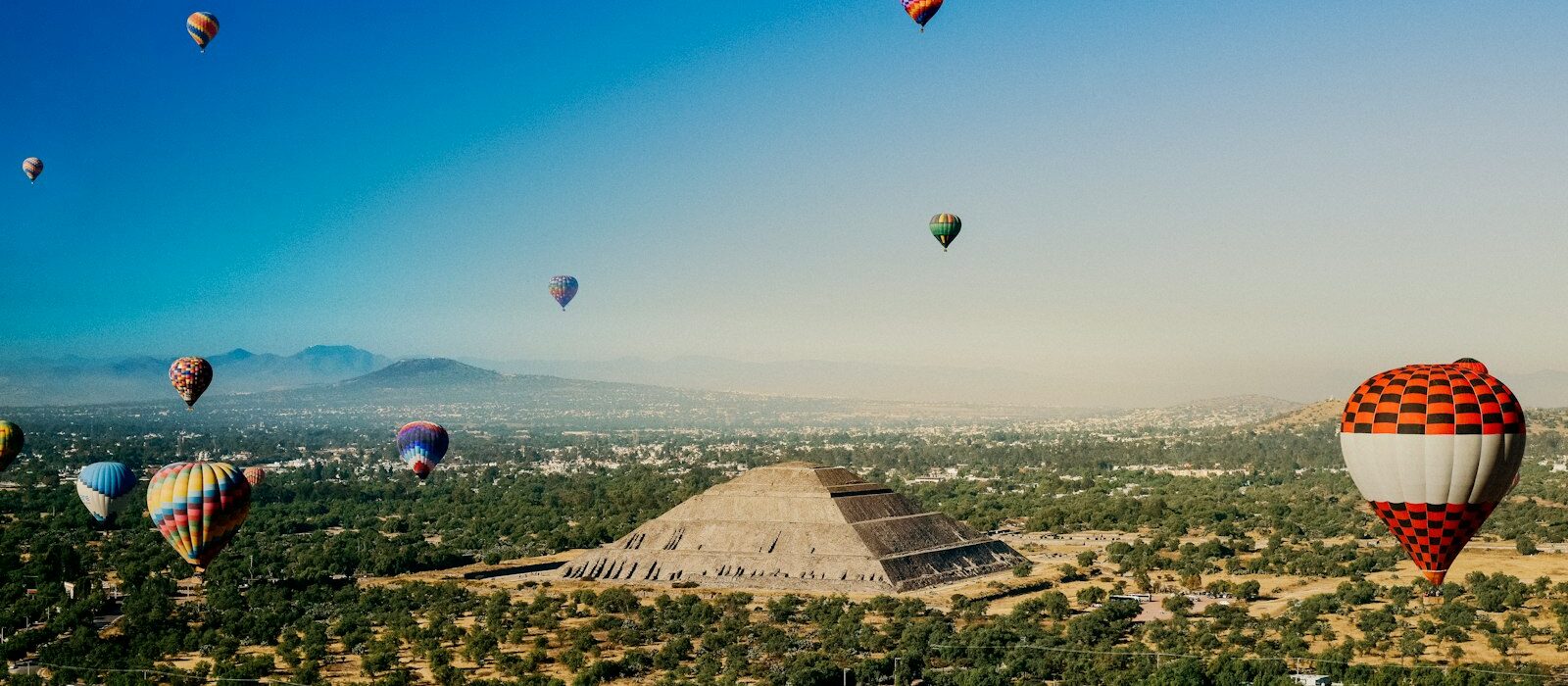
Mexico
A guide to Mexico as a destination: where it sits in North America, its Indigenous and Spanish heritage, living traditions and signature regional food.
📅 Last updated:
🌍 Quick Facts

Mexico at a glance
Capital: Mexico City
Currency: Mexican peso (MXN)
Language: Spanish (plus 68 recognised Indigenous languages)
Population: About 130 million
Time zone: CST (UTC-6) in most of the country; zones range from UTC-8 to UTC-5
Calling code: +52
Internet domain: .mx
Main airport: Mexico City International Airport (MEX)
Best time to visit: November to April (dry season); the best time varies by region
📍 Mexico Map
🖼️ Mexico: Location, History, Culture & Food
✨ Complete Travel Guide
Safety Notice: The US State Department rates Mexico overall at Level 2, “Exercise increased caution”, because of terrorism, crime and kidnapping (advisory issued 29 May 2026, checked November 2026). Risk varies by state: Colima, Guerrero, Michoacán, Sinaloa, Tamaulipas and Zacatecas are listed at Level 4, “Do not travel”, and other states, including Baja California and Jalisco, are at Level 3, “Reconsider travel”. These warnings apply to specific states, not the whole country, so read the full state-by-state advisory before you book.
Where Is Mexico Located?
Mexico is a country in southern North America. It borders the United States to the north and Guatemala and Belize to the south, with the Pacific Ocean and the Gulf of California on its west and the Gulf of Mexico and the Caribbean Sea on its east. Its capital, Mexico City, lies on a high plateau in the centre of the country.
Last checked: November 2026
Mexico covers about 1,964,375 square kilometres, which makes it slightly less than three times the size of Texas. Its longest land border is with the United States, at a little over 3,100 kilometres, while the borders with Guatemala and Belize are roughly 960 and 275 kilometres. The coastline runs for about 9,330 kilometres, split between the Pacific side and the Gulf of Mexico and Caribbean side.
Much of the country is high ground. Rugged mountain ranges, high plateaus and desert make up a large share of the land, with low coastal plains along the sea, and the climate ranges from tropical to desert. The average elevation is about 1,111 metres, the highest point is the volcano Pico de Orizaba at 5,636 metres, and the lowest point is Laguna Salada, about 10 metres below sea level.
Two bodies of water shape the map in useful ways. The Gulf of California separates the long Baja California peninsula from the mainland, and the Yucatán Channel lies between Mexico and Cuba. Mexico also sits on the Pacific Ring of Fire, so volcanoes and earthquakes are part of the landscape.
Introduction to Mexico
Mexico, officially the United Mexican States, is a federal republic of 31 states and Mexico City, its capital. About 130 million people live there, which makes it the most populous Spanish-speaking country in the world. The currency is the Mexican peso, and Spanish is the main language alongside 68 recognised Indigenous languages.
Last checked: November 2026
Mexico City is also the largest city, and roughly a quarter of the population lives in and around it. More than four in five Mexicans live in urban areas, and most people live in the middle of the country, between the states of Jalisco and Veracruz. The north and the far south are far less densely settled.
Spanish is the de facto national language and the first language of the great majority of Mexicans. A 2003 law also recognises 68 Indigenous languages as national languages, among them Nahuatl and Yucatec Maya, and many Mexicans speak some English as well. Learning a few Spanish phrases before you travel is still the most useful preparation.
To plan your trip, start with our guides to Mexico visa requirements, the best places to visit in Mexico and the best time to visit Mexico. Then see our Mexico itineraries, where to stay in Mexico, flights to Mexico and how to get around Mexico.
A few practical facts help when you plan. The currency is the Mexican peso (MXN), the international calling code is +52, the internet domain is .mx, and traffic drives on the right. Mexico spans several time zones, from UTC-8 in Baja California to UTC-5 in Quintana Roo, with most of the country on UTC-6, so check the offset for the region you are visiting.
History of Mexico
Mexico’s history stretches back thousands of years through the Olmec, Maya, Zapotec and Aztec civilizations. Spain conquered the Aztec capital Tenochtitlan in 1521 and ruled the territory as New Spain for about three centuries. Mexico won independence in 1821, and the revolution that began in 1910 led to the 1917 Constitution, which is still in force.
Last checked: November 2026
People have lived in the area for many thousands of years, and a series of advanced societies grew up long before Europeans arrived. The Olmec are among the earliest, and the Maya, Zapotec, Toltec and the builders of Teotihuacan followed. The Aztecs, also called the Mexica, founded Tenochtitlan on an island in Lake Texcoco in 1325 and came to dominate central Mexico.
The Spaniard Hernán Cortés reached the coast in 1519. After a long siege and with the help of Indigenous allies, he took Tenochtitlan in 1521, and Mexico City was later built on the ruins of the Aztec capital. The colony of New Spain that followed lasted until 1821, and rich silver mines at Zacatecas and Guanajuato made it one of the most important mining centres in the world.
The War of Independence began in 1810 with the call to arms of Father Miguel Hidalgo, and Mexicans still celebrate 16 September as the start of that struggle. Independence was completed on 27 September 1821, and the new country went through decades of political upheaval, including constitutions in 1824 and 1857. The long rule of Porfirio Díaz, from 1876, ended when the Mexican Revolution broke out in 1910, and the civil war that followed produced the 1917 Constitution, which remains the country’s current constitution.
Culture and Traditions of Mexico
Mexican culture blends Indigenous and Spanish traditions, and food, music and festivals are among its best-known expressions. The Day of the Dead, mariachi music and traditional Mexican cuisine are all on UNESCO’s Representative List of the Intangible Cultural Heritage of Humanity. Independence Day, on 16 September, is marked with celebrations across the country.
Last checked: November 2026
The Day of the Dead is the tradition visitors hear about most. UNESCO inscribed the Indigenous festivities dedicated to the dead in 2008, describing them as a time when the souls of deceased relatives are believed to return to Earth for a short while. Families prepare offerings that include everyday foods such as tortillas and tamales, so the festival is closely tied to Mexican cooking as well as to remembrance.
Music is just as central. Mariachi, the combination of string music, song and trumpet, was inscribed by UNESCO in 2011, and its repertoire grew from traditional songs about rural life to include rancheras, boleros and even cumbia. Other recognised traditions include the Parachicos festival held each January in Chiapa de Corzo, in Chiapas, the pirekua songs of the P’urhépecha people of Michoacán, and the Papantla Flyers.
Religious and civic celebrations add to the calendar. Each year on 12 October, a pilgrimage honouring the Virgin of Zapopan takes place in Jalisco, a tradition that dates back to 1734. Mexico’s heritage is also protected on a broad scale, with about a dozen elements on UNESCO’s intangible heritage list, so many of the festivals you can attend are traditions the country works to safeguard. Dates for local fiestas change from year to year, so check with local tourism offices before you plan around one.
Food and Cuisine of Mexico
Mexican food is built on corn and chiles and changes sharply from region to region. UNESCO recognises traditional Mexican cuisine as part of humanity’s intangible cultural heritage. Signature dishes include tacos al pastor, mole poblano, chiles en nogada, pozole and tamales, along with regional favourites such as cochinita pibil from Yucatán.
Last checked: November 2026
Corn runs through almost every part of the cuisine, from tortillas and tamales to soups and street snacks. Chiles are used mostly for flavour rather than heat, and the dishes you find in the north, the centre and the Yucatán Peninsula can look very different from one another. Here are ten signature dishes to look for:
- Tacos al Pastor: marinated pork cooked on a spit and served in tortillas with pineapple, a Mexico City favourite adapted from Lebanese shawarma in the 1930s.
- Mole Poblano: a deep, complex sauce from Puebla, often served at celebrations such as Christmas and the Day of the Dead.
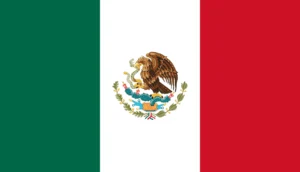
- Chiles en Nogada: a poblano chile stuffed with meat, fruit and spices, covered in a walnut cream sauce and pomegranate seeds, in the colours of the flag.
- Pozole: a soup of large corn kernels and pork, served white, red or green, with roots in the Nahua cultures of central Mexico.
- Tamales: corn dough with a filling, wrapped in corn husks or banana leaves and steamed, found in every Mexican state.
- Cochinita Pibil: Yucatán pork marinated in achiote and sour orange juice and slow cooked in banana leaves, served with pickled onion.
- Chilaquiles: tortilla pieces in salsa, often topped with eggs, cream and cheese, and a classic breakfast.
- Barbacoa: slow-cooked meat traditionally prepared in an underground pit, sold at street stalls and in restaurants.
- Elote: grilled or boiled street corn, one of the most popular snacks in Mexico City.
- Cabrito: roasted young goat, the signature dish of northern Mexico, often cooked on a spit.
Some dishes are seasonal. Chiles en nogada, for example, are traditionally served only in the late summer, around Independence Day, when the pomegranates ripen. Street stalls and markets are the easiest places to sample most of these dishes, but if you have food allergies or avoid pork, ask about ingredients, because many dishes use lard or pork.
Explore Mexico Travel Guides
Explore our detailed guides to plan every part of your Mexico trip.
Mexico: Best Places
A grouped list of Mexico's top places, from historic cities and Maya ruins to beaches, canyons and food towns, with time needed...
View Guide ›Mexico: Best Time to Visit
When to go to Mexico depends on the region. This guide covers dry and rainy seasons, hurricane risk, festivals, crowds and what...
View Guide ›Mexico: Flights
Which airports serve international visitors to Mexico, which airlines to check, what to expect on arrival and a short checklist to complete...
View Guide ›Mexico: Getting Around
How to travel inside Mexico by Tren Maya, long-distance bus, domestic flight, rental car, taxi and Metro, with tips on choosing the...
View Guide ›Mexico: Itineraries
Four realistic Mexico routes for 3, 5, 7 and 10 days, covering Mexico City, Oaxaca and the Yucatán, with pacing tips and...
View Guide ›Mexico: Visa
Who can visit Mexico without a visa, how the FMM tourist permit works, what documents to carry and where to check the...
View Guide ›Mexico: Hotels
The best areas to stay in Mexico City, Oaxaca, the Caribbean coast and Pacific resorts, with hotel types for each budget and...
View Guide ›Explore Mexico Tours
Discover guided tours and adventures in Mexico. Compare itineraries, prices and traveller reviews on TourRadar before you book.
Guided tours & deals
Affiliate partner · Globe Navo may earn a commission from qualifying bookings at no extra cost to you.
❓ Mexico FAQ
Where is Mexico located?
Mexico is in southern North America, bordering the United States to the north and Guatemala and Belize to the south. It has Pacific coasts to the west and Gulf of Mexico and Caribbean coasts to the east. Its capital, Mexico City, sits on a high plateau in the centre of the country.
What language is spoken in Mexico?
Spanish is the main language and the first language of most Mexicans. The country also recognises 68 Indigenous languages as national languages, including Nahuatl and Yucatec Maya. Many Mexicans speak some English, but learning a few Spanish phrases before you travel is still very useful.
What currency does Mexico use?
Mexico uses the Mexican peso (MXN). The international calling code is +52 and the internet domain is .mx. Exchange rates change daily, so check the current rate before you travel and ask your bank how your cards work abroad.
What is Mexico known for?
Mexico is known for its Indigenous and Spanish heritage, ancient civilizations such as the Maya and Aztecs, the Day of the Dead and mariachi music. UNESCO also recognises traditional Mexican cuisine, so food and festivals are a big part of any trip.
What are the most popular Mexican dishes?
Tacos al pastor, mole poblano, chiles en nogada, pozole and tamales are among the signature dishes, along with cochinita pibil from Yucatán. Corn and chiles are central to the cuisine, and each region has its own specialties, so try local markets and street stalls.
Plan Your Trip to Mexico
Your Next Adventure in Mexico Awaits!
Explore Deals →🎁 Best deals for Mexico
Offers from trusted travel stores for your Mexico trip. Compare a few options before you book, and check each store's terms for the final price.
Browse by type: Hotel deals · Flight deals · Travel eSIM · Car rental
More destinations to explore
KenyaKenya travel guide: where Kenya is, its history, culture and food, with a safety…
 BelizeBelize is an English-speaking Central American country on the Caribbean coast, known for the…
 Equatorial GuineaDiscover Equatorial Guinea: where it is, its history, Spanish and African culture, and the…