 Cabo VerdeCabo Verde is an Atlantic island country known for beaches, volcanoes and morna music.…
DESTINATION
Greece
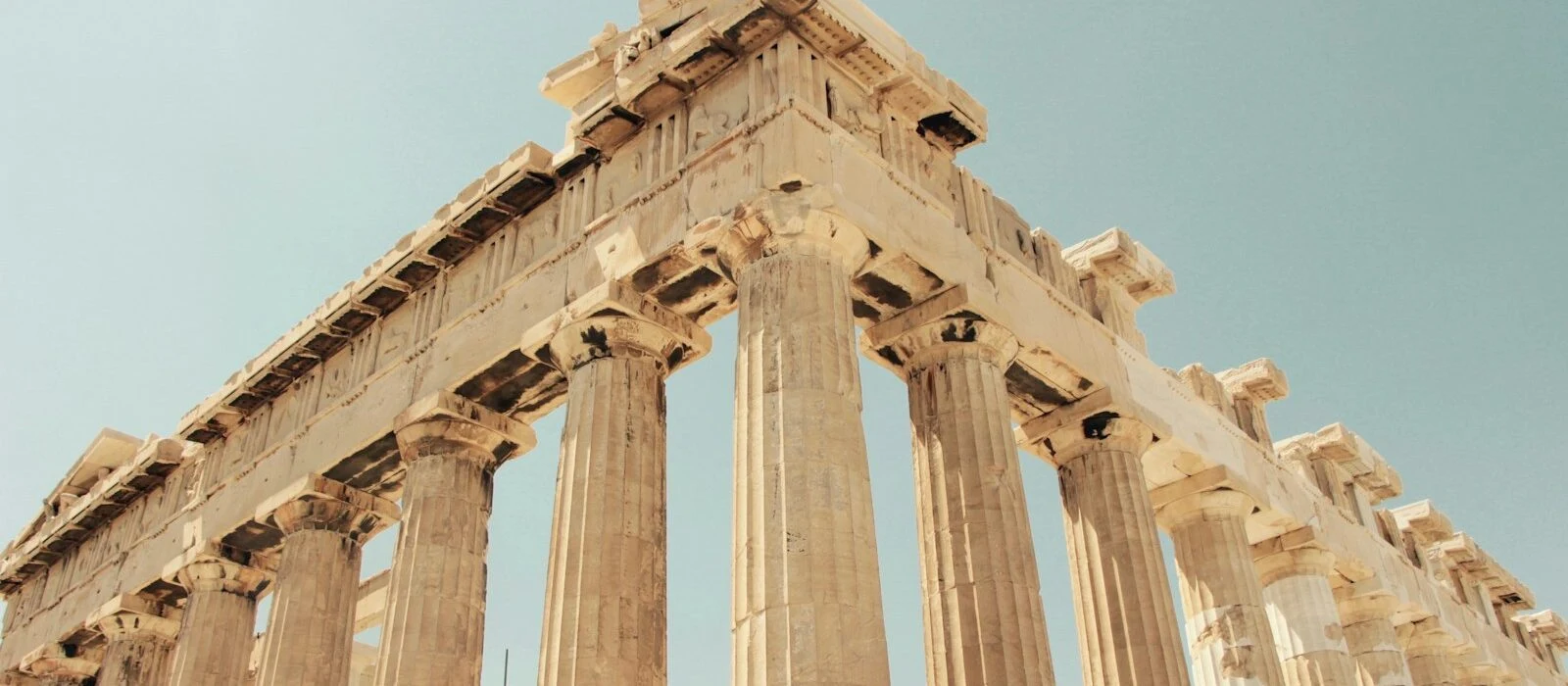
Greece sits at the southern tip of the Balkan Peninsula in Southeastern Europe, surrounded by the Ionian, Aegean and Mediterranean seas.
📅 Last updated:
🌍 Quick Facts

Greece at a glance
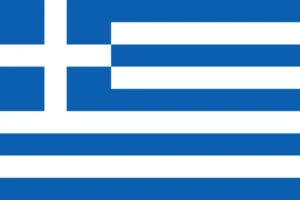
Capital: Athens
Currency: Euro (EUR)
Language: Greek
Population: About 10.4 million
Time zone: UTC+2 (Eastern European Time), UTC+3 in summer
Calling code: +30
Internet domain: .gr
Main airport: Athens International Airport Eleftherios Venizelos (ATH)
Best time to visit: April to June and September to October (swimming is best from June to early autumn)
📍 Greece Map
🖼️ Greece: Location, History, Culture & Food
✨ Complete Travel Guide
Where Is Greece Located?
Greece is a country in Southeastern Europe, at the southern end of the Balkan Peninsula. It borders Albania, North Macedonia and Bulgaria to the north and Turkey to the northeast, with the Ionian Sea to the west, the Aegean Sea to the east and the Mediterranean Sea to the south.
Last checked: November 2026
The mainland is only part of the picture. Two large peninsulas hang off it: the Peloponnese in the south and Chalkidiki in the north, the latter ending in three narrow fingers of land. Beyond the coast, Greece spreads across thousands of islands and islets, grouped into familiar clusters such as the Ionian Islands, the Cyclades, the Dodecanese, the Sporades and the North Aegean Islands, with Crete forming the largest island of all.
The country covers about 132,000 square kilometres and has a coastline of roughly 13,700 kilometres, one of the longest in Europe. That is why almost every part of Greece feels close to the sea. At the same time, most of the land is mountainous. The Pindus range runs down the western side of the mainland, the Rhodope Mountains form much of the border with Bulgaria, and Mount Olympus, the highest peak, rises to about 2,900 metres.
Greece is divided into 13 administrative regions, from Attica around the capital, Athens, to Crete in the far south. It is a member of the European Union and the Schengen Area, and it uses Eastern European Time (UTC+2), which moves to UTC+3 in summer. Its position between Europe, the Balkans and the eastern Mediterranean has shaped its trade, its history and the way people move across it.
Introduction to Greece
Greece, officially the Hellenic Republic, is a parliamentary republic in southeastern Europe with roughly 10.4 million people. Its capital and largest city is Athens, its official language is Greek and its currency is the euro. The country is known for its ancient heritage, island scenery and a relaxed Mediterranean way of life.
Last checked: November 2026
Greeks call their country Ellada, and the name Greece is the one most of the world uses. Around four in five people live in towns and cities, and the Athens urban area alone is home to about 3.2 million people, close to a third of the population. Thessaloniki, in the north, is the second city with around 815,000 residents. Smaller island towns and mountain villages keep a very different rhythm from the capital.
Greece joined what is now the European Union in 1981, became part of the Schengen Area in 2000 and adopted the euro in 2001. Those milestones matter to visitors because they shape everyday life, from the currency in your wallet to the way borders work with neighbouring EU countries. The international dialling code is +30 and the national internet domain is .gr.
For a country of this size, the contrasts are striking. In one trip you can walk among marble ruins in Athens, cross a mountain pass in the Pindus, and spend a slow afternoon in a fishing harbour on an island. Hospitality is a point of pride here, and a shared table, a long coffee or an evening stroll is treated as part of the day rather than a pause in it. Greek is the language you will hear almost everywhere, though English is widely understood in the places most visitors go.
When you are ready to plan, start with the Greece visa guide, browse the best places to visit in Greece and check the best time to visit Greece. Our Greece itineraries, where to stay in Greece, flights to Greece and getting around Greece guides cover the rest.
History of Greece
Greek history stretches back thousands of years, from the Bronze Age Minoan and Mycenaean civilizations through classical Athens, Alexander the Great, Roman and Byzantine rule, and about four centuries under the Ottomans. The modern state grew out of the War of Independence that began in 1821, with independence recognised in 1830.
Last checked: November 2026
The earliest great civilization in the region developed on Crete, where the Minoans built palaces and traded across the eastern Mediterranean. Their influence reached the mainland, where the Mycenaeans flourished at sites such as Mycenae, Tiryns and Pylos. The Mycenaeans left behind Linear B tablets, an early form of Greek writing that was deciphered in 1952.
The Classical period followed the Greek city-states’ successful resistance to Persian invasion between 490 and 479 BC. In this era, Athens developed democracy and the Greek world gave the West theatre, philosophy and the Olympic Games. Later, Philip II and his son Alexander the Great of Macedonia carried Greek language and culture eastward as far as the Indus River. Rome took control of Greece in 146 BC, yet Greek culture continued to shape the Roman world.
In 324 AD Emperor Constantine moved the imperial capital to Constantinople, and the Eastern Roman or Byzantine Empire became a largely Greek-speaking, Orthodox Christian state. It lasted until Constantinople fell to the Ottomans in 1453. Under Ottoman rule, the Orthodox Church was one of the few institutions that preserved a shared Greek identity.
The uprising began on 25 March 1821, a date still celebrated as Greece’s national day, and the new state recognised in 1830 covered only a small part of today’s territory. It expanded gradually over the following century. The 20th century brought the Second World War, a civil conflict and a military dictatorship from 1967 to 1974, after which democracy was restored. Greece joined the European Economic Community in 1981, hosted the Olympic Games in Athens in 2004, and then went through a deep economic crisis that began around 2008.
Culture and Traditions of Greece
Greek culture is built around the Orthodox Christian faith, family, music and shared meals. Visitors meet it in village festivals called panigiria, name-day celebrations, Easter customs and live folk music, as well as in UNESCO-recognised traditions such as rebetiko and the marble craftsmanship of Tinos.
Last checked: November 2026
The Greek Orthodox Church has shaped both the calendar and the character of the country. Easter is the most important festival of the year, with midnight services, candlelit processions and a long family meal. On 15 August, the feast of the Dormition of the Virgin Mary, churches and villages across the country hold services and celebrations. Many Greeks also mark a name day, the feast day of the saint they are named after, often with as much enthusiasm as a birthday.
In summer, villages hold panigiria, festivals linked to a local saint, with food, live music and dancing in the village square. Two national holidays stand out: Independence Day on 25 March, and Ochi Day on 28 October, which remembers Greece’s rejection of an Italian ultimatum in 1940 and is marked with parades and school ceremonies.
Music is part of everyday life. Rebetiko, often called the Greek blues, was added to UNESCO’s Representative List of the Intangible Cultural Heritage of Humanity in 2017, and the bouzouki is the instrument most people link with it. UNESCO also recognises the marble craftsmanship of Tinos, the cultivation of mastic on Chios and the Momoeria New Year celebrations in villages around Kozani.
Hospitality, known as philoxenia or friendship toward guests, is a core value. Visitors are often offered a sweet or a small drink at the end of a meal, and refusing politely is perfectly fine. When you visit churches and monasteries, cover your shoulders and knees as a sign of respect.
Food and Cuisine of Greece
Greek cuisine is built on olive oil, vegetables, herbs, cheese, seafood and grilled meat, and it changes from region to region and island to island. Signature dishes include moussaka, souvlaki, spanakopita, Greek salad and baklava, usually shared at a long, unhurried table.
Last checked: November 2026
Olive oil is the foundation of the cooking, joined by tomatoes, aubergines, lemons, oregano and fresh seasonal vegetables. Greece is one of the countries behind the Mediterranean diet, which UNESCO added to its Representative List of the Intangible Cultural Heritage of Humanity in 2013. Feta, a brined white cheese protected by an EU designation of origin, appears on almost every table.
These ten dishes are a good place to start:
- Moussaka: layers of aubergine, spiced minced meat and creamy bechamel, baked until golden.
- Souvlaki: small skewers of grilled meat, served on a plate or wrapped in pita.
- Gyros: sliced rotisserie meat in pita with tomato, onion and sauce.
- Spanakopita: a crisp filo pie filled with spinach and feta.
- Horiatiki: the village salad of tomato, cucumber, onion, olives and a slab of feta.
- Tzatziki: a cool dip of strained yoghurt, cucumber and garlic.
- Pastitsio: baked pasta with a meat sauce and bechamel topping.
- Gemista: tomatoes and peppers stuffed with rice and herbs.
- Dolmades: vine leaves wrapped around rice and herbs.
- Loukoumades: fried dough balls drizzled with honey.
Coastal and island menus lean toward grilled fish, octopus and calamari, while mountain regions favour pies, roasted lamb and local cheeses. Crete is known for dakos, a barley rusk topped with tomato and soft cheese. Small plates called mezedes are often paired with ouzo or tsipouro, and a strong Greek coffee ends many meals.
Meals in Greece are social. Dishes are placed in the middle of the table to share, dinner often starts late, and an evening can easily last for hours. Vegetarians do well here, since many traditional dishes are built on beans, greens and vegetables, and several are cooked without meat during fasting periods of the Orthodox calendar.
Explore Greece Travel Guides
Explore our detailed guides to plan every part of your Greece trip.
Greece: Best Places
The best places to visit in Greece, grouped by historic sites, nature, islands, cities and food, with time needed and who each...
View Guide ›Greece: Best Time to Visit
When to visit Greece by month, region and travel style, with weather, meltemi winds, festivals, public holidays, peak and low seasons and...
View Guide ›Greece: Flights
Main airports and airlines for flights to Greece, how to get from Athens airport to the city, a Before You Fly checklist...
View Guide ›Greece: Getting Around
How to get around Greece, starting with driving: licence rules for visitors, hiring a car or moped, road safety and emergency numbers.
View Guide ›Greece: Itineraries
Realistic Greece itineraries for 3, 5, 7 and 10 days, with routes, overnight bases, travel time notes and practical planning advice.
View Guide ›Greece: Visa
Who needs a visa for Greece, passport rules, Schengen visa fees and steps, EES checks at the border and the latest ETIAS...
View Guide ›Greece: Hotels
The best areas to stay in Athens, Santorini, Crete, Corfu, Rhodes and Meteora, with stay types, the nightly climate resilience fee and...
View Guide ›Explore Greece Tours
Discover guided tours and adventures in Greece. Compare itineraries, prices and traveller reviews on TourRadar before you book.
Guided tours & deals
Affiliate partner · Globe Navo may earn a commission from qualifying bookings at no extra cost to you.
❓ Greece FAQ
Where is Greece located?
Greece is in Southeastern Europe at the southern end of the Balkan Peninsula. It borders Albania, North Macedonia, Bulgaria and Turkey, and is surrounded by the Ionian, Aegean and Mediterranean seas, with thousands of islands scattered along its long coastline.
What is the capital of Greece?
The capital and largest city of Greece is Athens. The Athens urban area is home to about 3.2 million people, close to a third of the national population. Thessaloniki, in the north, is the second largest city.
What currency and language are used in Greece?
Greece uses the euro, adopted in 2001, and the official language is Greek. English is widely understood in the places most visitors go, such as major cities, popular islands and tourist areas, though Greek is spoken almost everywhere.
What are the most famous Greek dishes?
Well-known Greek dishes include moussaka, souvlaki, gyros, spanakopita, horiatiki salad, tzatziki, pastitsio, gemista, dolmades and loukoumades. Olive oil, feta, fresh vegetables and grilled meat or seafood are the foundation of much of the cooking.
What are the main Greek national holidays?
Greece celebrates Independence Day on 25 March, which marks the start of the 1821 uprising, and Ochi Day on 28 October, which remembers the rejection of an Italian ultimatum in 1940. Easter is the most important religious festival of the year.
Plan Your Trip to Greece
Your Next Adventure in Greece Awaits!
Explore Deals →🎁 Best deals for Greece
Offers from trusted travel stores for your Greece trip. Compare a few options before you book, and check each store's terms for the final price.
Browse by type: Hotel deals · Flight deals · Travel eSIM · Car rental
 TourRadarTourRadar is an online marketplace for multi-day guided tours, small-group trips and tailor-made journeys offered by independent tour operators around the world.
Get Coupon View Deal
More destinations to explore
Cabo VerdeCabo Verde is an Atlantic island country known for beaches, volcanoes and morna music.…
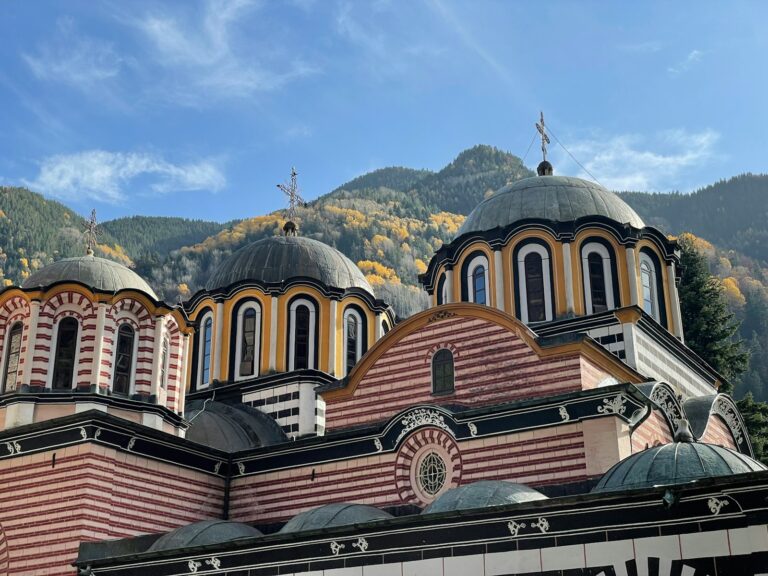 BulgariaPlan a trip to Bulgaria with top destinations, UNESCO sites, the best time to…
 GrenadaDiscover Grenada, the Spice Isle of the southeastern Caribbean: its location, history, culture and…