 Italy
DESTINATION
Pakistan
📅 Last updated:
Pakistan: Hotels · Flights · Visa Guide · Deals
🌍 Quick Facts

Pakistan at a glance
🏛️
Capital: Islamabad
💱
Currency: Pakistani Rupee (PKR)
💬
Language: Urdu and English (also Punjabi, Sindhi, Pashto, Balochi)
👥
Population: About 241 million
🕒
Time zone: PKT (UTC+5)
📞
Calling code: +92
🌐
Internet domain: .pk
✈️
Main airport: Islamabad International Airport (ISB)
★
Best time to visit: September to November
Food
- Chicken Karahi Nihari Biryani Seekh Kebab Haleem Halwa Puri
Places
- Badshahi Mosque, Lahore Lahore Fort Faisal Mosque, Islamabad Taxila Rohtas Fort Hunza Valley Fairy Meadows Mohenjo-daro
Weather
Pakistan has very different climates by region. The plains, including Lahore and the south, are very hot in summer, often above 40°C, with a monsoon from about July to September. Winters in the plains are cool and pleasant. The northern mountains have mild summers and cold, snowy winters, and many high roads close from late autumn. September to November and March to April are the most comfortable seasons for most trips, so check the specific region before you go.
Culture
Pakistan is a majority-Muslim country where hospitality is a point of pride, and guests are often offered tea or food. Dress modestly, with loose clothing that covers shoulders and knees, and women should carry a scarf for mosques. Remove your shoes before entering a mosque or a home, use your right hand for eating and giving, and avoid public displays of affection. A greeting of Assalam-o-Alaikum is always welcome. Ask before photographing people, and avoid photographing military sites.
Cities
- Islamabad Lahore Karachi Rawalpindi Multan Faisalabad
📍 Pakistan Map
📷 Photos of Pakistan
Explore Pakistan Travel Guides
Explore our detailed guides to plan every part of your Pakistan trip.
🛂
Pakistan: Visa
Who needs a visa for Pakistan, how the online e-Visa works, which documents to prepare and the mistakes to avoid.
View Guide › 📍Pakistan: Best Places
The best places to visit in Pakistan by type, from Lahore and Taxila to Hunza and Skardu, with how long to spend...
View Guide › 🌤️Pakistan: Best Time to Visit
Pakistan's seasons month by month, which regions to visit when, and how Ramadan, Eid, the monsoon and winter smog change your trip.
View Guide › 🗺️Pakistan: Itineraries
Day-by-day Pakistan itineraries for 5, 7, 10 and 14 days, built around Islamabad, Lahore and Multan, with an optional northern extension.
View Guide › 🛌Pakistan: Hotels
The best areas to stay in Islamabad, Lahore, Karachi, Hunza and Skardu, with hotel types, typical prices and booking tips.
View Guide › ✈️Pakistan: Flights
Pakistan's main airports, tips for finding a better fare, how to get into the city and what to know about domestic and...
View Guide ›🖼️ Pakistan: Location, History, Culture & Food
✨ Complete Travel Guide
Pakistan Travel Guide: Mountains, Cities and Culture
Pakistan is one of the most varied and least-visited countries in Asia, and this Pakistan travel guide covers what you actually need before you plan. It sits in South Asia and borders India, China, Afghanistan and Iran, with a coastline on the Arabian Sea. Islamabad is the capital, Lahore is the cultural heart, and Karachi is the huge port city on the coast.
The landscape changes fast. In the north, the Karakoram, Himalaya and Hindu Kush ranges hold five of the world’s fourteen 8,000-metre peaks, including K2 at 8,611 metres. Further south you find the green plains of Punjab, the Indus River, the deserts of Sindh and Balochistan, and warm beaches near Karachi. Culture means poetry, Sufi shrines, truck art, bazaars, and hospitality that visitors mention more than anything else.
Pakistan is best known for K2 and the Karakoram Highway, the Mughal monuments of Lahore, ancient sites such as Mohenjo-daro and Taxila, and a food scene that deserves its own trip. It also needs more planning than most destinations, because entry rules and official safety advice change often. We cover both below.
A Short History for Your Pakistan Travel Guide
The Indus Valley Civilization built cities here around 2500 BCE, and the ruins of Mohenjo-daro and Harappa still show planned streets and drainage that were far ahead of their time. Later, the Gandhara region around Taxila became a centre of Buddhist learning and art, and its monasteries and stupas can still be visited.
Over the centuries the area was ruled by many powers, including the Persians, Greeks, Turkic dynasties and, from the 1500s, the Mughals. Lahore was one of their great capitals, and the Badshahi Mosque (completed in 1673), Lahore Fort and the Shalimar Gardens are some of the finest examples of Mughal architecture in the region.
The British ruled the subcontinent until 1947. Pakistan became an independent country on 14 August 1947, and Islamabad was built as the new capital in the 1960s. Knowing this makes every fort, shrine and old bazaar in this Pakistan travel guide more meaningful.
Pakistan Visa Requirements: Entry Rules for 2026
Rules depend on your passport and change often, so treat this as general guidance and confirm it on the official site before you pay for anything.
- Most travelers need a visa in advance. Pakistan’s free Visa Prior to Arrival scheme, which covered 126 countries, has been suspended since 1 January 2026. Visitors from those countries now apply for a standard paid e-Visa through the Pakistan Online Visa System (POVS) at visa.nadra.gov.pk. Our Pakistan visa guide walks through the application.
- Cost and time: The fee depends on your nationality and is calculated inside the application, and reports put processing at about 7 to 10 working days, so apply well before you book non-refundable travel. A tourist e-Visa is usually single-entry for a stay of up to three months.
- Documents: Expect to upload your passport, a photo and details of where you will stay or an invitation. Check the official site for the exact list.
- Some nationalities have special arrangements or must apply through an embassy, so check your own passport’s page.
- Gilgit-Baltistan: All foreign nationals must register with the local authorities when visiting.
- Border zones: Foreigners are generally not allowed near Pakistan’s international borders except at official crossings.
Always confirm entry rules with the official government website or the Pakistani embassy in your country, and compare flights, hotels and travel insurance in the deals section below.
Is Pakistan Safe? Travel Advisories Explained
This is the question most visitors ask, and the honest answer is that it depends on where you go. Several governments advise caution in parts of the country. As of mid-2026:
- The US State Department rates Pakistan at Level 3, “Reconsider Travel”, and advises against travel to Balochistan, Khyber Pakhtunkhwa and areas near the Line of Control.
- The UK FCDO advises against all travel to Balochistan, to parts of Khyber Pakhtunkhwa and to areas close to the Afghan border, and against all but essential travel to Azad Jammu and Kashmir and to northern Sindh. It issued an “all but essential travel” warning for Gilgit-Baltistan in March 2026 and removed it in April 2026. Advice changes quickly, so read the current FCDO page before you book.
- Canada advises against all travel to Balochistan, most of Khyber Pakhtunkhwa and Pakistan-administered Kashmir.
Cities such as Islamabad and Lahore and the main tourist areas of Punjab are visited far more often than the advisory regions, but conditions can change quickly. Before you decide, read the latest advice from your own government, register with your embassy if it offers that, and check your insurance. Many travel insurance policies do not cover regions your government advises against, so read the policy wording first. Hire a local, licensed operator for the mountains, and avoid the areas listed above.
Top Places to Visit in Pakistan
Choosing the best places in Pakistan for a visit depends on your style and the current advisories. These are the most famous. For a longer list, see our best places to visit in Pakistan.
Lahore. Spend time in the Walled City, the Badshahi Mosque, Lahore Fort and the Shalimar Gardens, then eat at Food Street. Go in the cooler months.
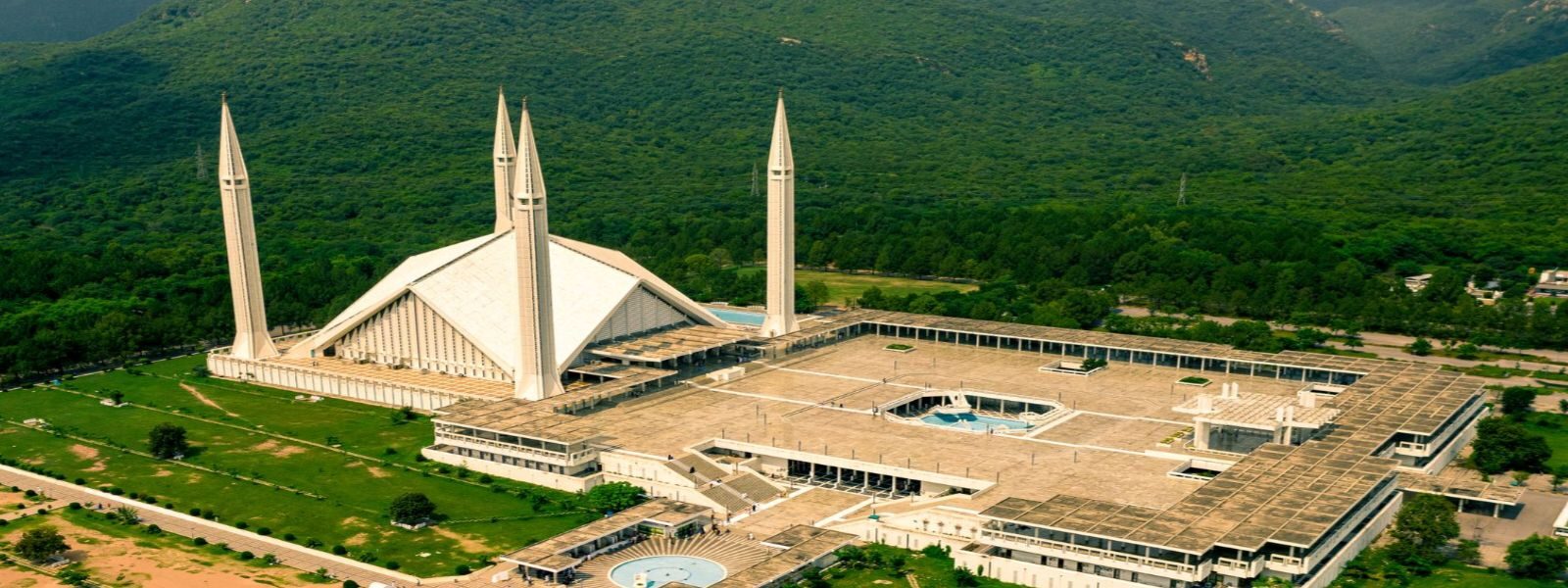
Islamabad. A green, calm capital with the Faisal Mosque, the Margalla Hills trails and the old village of Saidpur. It is also the base for day trips to Taxila.
Taxila. A UNESCO World Heritage site with Buddhist monasteries and a good museum, about an hour from Islamabad.
Rohtas Fort. A huge 16th-century fort near Jhelum that sits neatly on the road between Islamabad and Lahore.
Hunza Valley and Skardu (Gilgit-Baltistan). This is the Pakistan of famous photos: Karimabad, Baltit Fort, Attabad Lake and the Karakoram peaks. Check the latest advisories before planning, and read the safety section above.
Fairy Meadows and Nanga Parbat. A trek with views of the world’s ninth-highest mountain, best from late spring to early autumn and only with a local guide.
Mohenjo-daro. The ruins of an Indus Valley city in Sindh, a UNESCO World Heritage site.
Karachi. A big, busy port city with beaches, markets and some of the country’s best food.
Best Time to Visit Pakistan
Pakistan is large, so the best season depends on the region. Our best time to visit Pakistan guide goes deeper.
- March to May: Pleasant in the plains at first, then hot, and the northern valleys open up as the snow melts. Apricot and cherry blossom in Hunza usually appear in spring.
- June to August: Very hot in Lahore, Karachi and the south, often above 40°C. This is the main season for trekking and the high northern roads. The monsoon, usually July to September, can bring floods and landslides and close roads such as the Karakoram Highway.
- September to November: Often the best overall season: clearer skies in the mountains, autumn colours in Hunza and comfortable weather returning to the plains.
- December to February: Cool and pleasant in Lahore, Islamabad and the south, which is the best time for city sightseeing. The north is very cold, and many high passes and roads are closed by snow.
Ramadan moves about 11 days earlier each year, and in 2027 it is expected to begin around early February. Daytime eating in public is discouraged, many restaurants open only after sunset, and evenings are lively.
How Much Does a Trip to Pakistan Cost?
Pakistan is generally cheap for international visitors, although inflation and the exchange rate move prices. These are rough daily budgets per person in Pakistani rupees (PKR), not counting flights. Check the current exchange rate before you travel, and treat these as a guide.
- Budget (about 8,000 to 15,000 rupees a day): a simple guesthouse, local meals, buses and ride-hailing.
- Mid-range (about 20,000 to 40,000 rupees a day): a comfortable hotel, restaurant meals, domestic flights now and then and a private driver for some days.
- Luxury (about 60,000 rupees a day and up): five-star hotels, private vehicles and guided tours.
Typical prices to help you plan:
- Simple meal at a local restaurant or dhaba: roughly 500 to 1,500 rupees.
- Main course in a mid-range restaurant: roughly 1,500 to 3,000 rupees.
- Budget hotel room: roughly 4,000 to 8,000 rupees a night. Mid-range hotels often cost 12,000 to 25,000 rupees.
- Intercity coach between big cities: usually a few thousand rupees. Domestic flights cost more and vary a lot by date.
Costs people forget: A licensed guide or driver for the mountains, permits and registration in Gilgit-Baltistan, travel insurance that covers the regions you will visit, and a local SIM card. Carry some cash in rupees, because card payments are not accepted everywhere and ATMs can run out. Compare flights, hotels and travel insurance in the deals section below.
Getting Around Pakistan: Transportation
Flights: Domestic airlines link Islamabad, Lahore, Karachi and other cities, and flights to mountain airports such as Skardu and Gilgit depend heavily on the weather and are often cancelled, so leave a spare day.
Buses: Comfortable intercity coaches, such as Daewoo and Faisal Movers, connect the major cities and are a good value. Book in advance for busy dates.
Trains: Pakistan Railways runs long-distance routes, for example between Karachi and Lahore, which are slower but memorable. Book the best class you can.
In cities: Ride-hailing apps such as Careem and inDrive are widely used and safer and simpler than bargaining with street taxis. Islamabad, Rawalpindi and Lahore also have modern bus lines.
In the mountains: The Karakoram Highway is spectacular but long, and landslides can close it. Many travelers hire a driver with a 4×4 for several days, and a local operator can arrange this together with registration in Gilgit-Baltistan.
Airports: Islamabad International (ISB) is the main gateway for the capital, and Lahore (LHE) and Karachi (KHI) are the other big international airports. Check the visa rules before you book a flight. Our flights to Pakistan guide covers airports and airlines.
Phone and internet: A local SIM from a company such as Jazz, Zong or Ufone is cheap, and you need your passport to register it. Coverage in the mountains is patchy.
Where to Stay in Pakistan
In Islamabad, sectors F-6, F-7 and E-7 are quiet, central and close to restaurants. In Lahore, stay near the Walled City for sightseeing or in Gulberg for a modern base with more restaurants. In Hunza, Karimabad has guesthouses with mountain views, and heritage hotels fill up in the peak season. In Skardu, the lakes around Upper Kachura have lodges and resorts.
Book ahead for the spring and autumn peak seasons in the north and for any trip during national holidays. Choose accommodation with a reliable generator or backup power, because power cuts can happen. For hotels, check the latest deals below, and read our where to stay in Pakistan guide.
Best Food in Pakistan: What to Eat
Food is a reason to come. Meals are generous and spicy, and the cooking changes from region to region. These are worth trying:
- Biryani: fragrant spiced rice with meat, best in Karachi and Lahore.
- Nihari: a slow-cooked beef or lamb stew, traditionally a breakfast dish.
- Karahi: chicken or mutton cooked in a wok with tomatoes, ginger and green chilies.
- Chapli kebab: spiced minced-meat patties from the Peshawar region, popular across the country.
- Haleem: a thick stew of lentils, grains and meat.
- Lassi and chai: sweet or salted yogurt drinks, and tea with milk, everywhere.
- Gulab jamun, kheer and kulfi: desserts that are easy to love.
Halal and dietary needs: Almost all meat in Pakistan is halal. Alcohol is restricted, and you will not find it in ordinary restaurants. Vegetarian dishes such as daal, chana and sabzi are easy to find, although some are cooked with meat stock or ghee, so ask. Drink bottled or filtered water, and choose busy street-food stalls with a high turnover.
7-Day Pakistan Itinerary: Islamabad, Lahore and Heritage Sites
This route stays in the capital area and Punjab, which are easier to reach than the mountains, and it works best between October and March. For more routes, see our Pakistan itineraries.
- Day 1, Islamabad: Arrive, rest, and walk to the Faisal Mosque and Daman-e-Koh viewpoint for sunset.
- Day 2, Islamabad: Hike a Margalla Hills trail in the morning, visit Saidpur village and the Lok Virsa heritage museum, and try a local restaurant for dinner.
- Day 3, Taxila: Take a day trip to the Buddhist monasteries and the museum, then return to Islamabad.
- Day 4, Rohtas Fort and Lahore: Drive to Rohtas Fort in the morning, then continue to Lahore, about four hours on the motorway.
- Day 5, Lahore: Explore the Walled City, the Badshahi Mosque and Lahore Fort. Eat at Food Street in the evening.
- Day 6, Lahore: Visit the Shalimar Gardens and the Lahore Museum, then shop in the old bazaars.
- Day 7, depart: Fly home from Lahore, leaving a comfortable buffer before your flight.
Tip: Compare flights, hotels and eSIMs in the deals section below.
10-Day Pakistan Itinerary: Punjab and Southern Heritage
Ten days lets you add Multan and slow the pace, without long road trips on difficult roads.
- Days 1 to 3: Follow the first three days of the 7-day plan in Islamabad and Taxila.
- Day 4, Rohtas Fort and Lahore: Visit the fort in the morning, then drive on to Lahore.
- Days 5 and 6, Lahore: The Walled City, the Badshahi Mosque, Lahore Fort, the Shalimar Gardens and Food Street.
- Day 7, Multan: Travel by motorway or train to Multan, the city of shrines and blue tilework. Visit the shrine of Bahauddin Zakariya in the afternoon.
- Day 8, Multan: Explore the old city and bazaars, and try the local sweets, especially sohan halwa.
- Day 9, return: Go back to Lahore or Islamabad, depending on your flight.
- Day 10, depart: Fly home and keep a buffer before your flight.
Northern option: If the advisories for Gilgit-Baltistan allow and your insurance covers it, you can swap Days 7 to 10 for Hunza or Skardu with a licensed local operator. The best months are May to October. Leave spare days for weather delays, and check the security situation again just before you go.
Tips by Traveler Type
Couples: Hunza in autumn, Lahore’s old city at night, a quiet lodge by a mountain lake.
Families: Islamabad’s parks and museums, Lahore’s gardens, and comfortable coach travel between cities.
Trekkers and climbers: Fairy Meadows, Concordia and the Baltoro region need a licensed operator and proper permits. Do not go without a guide.
Solo travelers and women: Many solo and women travelers have positive experiences, but plan with care. Dress modestly, use trusted ride-hailing apps and hotels with good reviews, and avoid walking alone at night.
What to Pack
Loose, long, lightweight clothing for both men and women, a scarf for women (useful at mosques and shrines), comfortable walking shoes, sun protection and a power bank. For the north, add layers and a warm jacket, because nights are cold even in summer. Bring a Type C/D plug adapter, any medicines you need with a copy of the prescription, and water purification tablets or a filter bottle. Check that your phone is unlocked so you can use a local SIM.
Things to Avoid in Pakistan: Safety, Scams and Etiquette
- Don’t ignore government travel advisories, and don’t travel to Balochistan, to much of Khyber Pakhtunkhwa or near the Afghan border.
- Don’t travel without insurance that covers the regions you plan to visit.
- Don’t go to the mountains without a licensed local guide or operator, especially for treks.
- Don’t take photos of military sites, checkpoints, government buildings or airports. Ask before photographing people, especially women.
- Don’t wear revealing clothing. Cover your shoulders and knees, and cover your head where required at mosques and shrines.
- Don’t show affection in public, and don’t criticize religion, the military or national figures in public or online.
- Don’t bring or buy alcohol or drugs. Penalties can be severe.
- Don’t use unlicensed taxis or accept rides from strangers. Use ride-hailing apps or arrange transport through your hotel.
- Don’t drink tap water or ice made from it.
- Don’t plan to eat in public during daylight hours in Ramadan.
For emergencies, call 15 for police and 1122 for rescue and ambulance in many areas, and keep the number of your embassy on you.
How to Save Money
Travel outside the peak summer and holiday periods, take intercity coaches instead of private cars where you can, and eat where locals eat. Book domestic flights early, use ride-hailing apps instead of unmetered taxis, and share a vehicle and driver in the mountains. For current hotel and flight prices, check the latest deals below.
Explore Hotels & Flights
Search accommodation and flights for your destination with Expedia. Compare available options and continue to Expedia to complete your booking.
Affiliate partner · Globe Navo may earn a commission from qualifying bookings at no extra cost to you.
❓ Pakistan FAQ
Do I need a visa for Pakistan?
Most travelers do. The free Visa Prior to Arrival scheme, which covered 126 countries, has been suspended since 1 January 2026, so visitors from those countries now apply for a paid e-Visa through the Pakistan Online Visa System at visa.nadra.gov.pk. The fee depends on your nationality, so confirm with the Pakistani embassy before booking.
Is Pakistan safe for tourists?
It depends on where you go. Several governments advise against travel to parts of the country, including Balochistan, parts of Khyber Pakhtunkhwa and areas near the borders and the Line of Control. Cities such as Islamabad and Lahore are visited far more often, but conditions can change quickly. Read your own government advice, check that your insurance covers the regions you plan to visit, and use a licensed local operator in the mountains.
What is the best time to visit Pakistan?
September to November is often the best overall season, with clear mountain skies, autumn colours and comfortable weather returning to the plains. For city sightseeing in Lahore and Islamabad, December to February is cool and pleasant. Summer is very hot in the south, and the monsoon from about July to September can close roads.
How much does a trip to Pakistan cost?
Pakistan is generally cheap for international visitors. As a rough guide, budget travelers spend about 8,000 to 15,000 rupees a day, mid-range travelers about 20,000 to 40,000 rupees, and luxury travel starts around 60,000 rupees a day, not counting flights. Prices move with inflation and the exchange rate, so check before you travel.
What currency is used in Pakistan, and should I carry cash?
The currency is the Pakistani rupee (PKR). Carry some cash, because card payments are not accepted everywhere and ATMs can run out. Check the current exchange rate before you travel.
Is food in Pakistan halal, and what should I try?
Meat sold in Pakistan is halal, and there are plenty of vegetarian dishes such as daal and vegetable curries. Popular dishes include chicken karahi, nihari, biryani, seekh kebab, haleem and halwa puri for breakfast.
Can I visit Hunza and Skardu?
Yes, many visitors do. Gilgit-Baltistan is the region of the famous mountain scenery. The UK government advised against all but essential travel there in March 2026 and removed that warning in April 2026, but advice can change quickly, so check your own government current advice before you book. Foreign visitors must register with the local authorities, and a licensed local operator can arrange this.
Plan Your Trip to Pakistan
Your Next Adventure in Pakistan Awaits!
Explore Deals →🎁 Best deals for Pakistan
Offers from trusted travel stores for your Pakistan trip. Compare a few options before you book, and check each store's terms for the final price.
Browse by type: Hotel deals · Flight deals · Travel eSIM · Car rental
 KkdayFind current Kkday coupons and deals for tours, attraction tickets, transport and first app orders. See minimum spend, discount caps and exclusions before you book.
Get Coupon View Deal
 eSIMFOXeSIMFOX is a travel eSIM provider offering prepaid mobile data plans for single countries and wider regions, delivered digitally so you can connect as soon as you land.
Get Coupon View Deal
 QuibityQuibity is a travel eSIM provider that lets you buy a mobile data plan online and activate it on your phone, so you can get connected abroad without a physical SIM card.
Get Coupon View Deal
 ExpediaDiscover great deals on hotels, flights, vacation packages, car rentals, and activities with Expedia. Compare travel options and plan your next trip with convenient booking choices.
Get Coupon View Deal
 KlookKlook is a travel activities platform where you can book attraction tickets, tours, day trips, transport passes, airport transfers and local experiences in destinations worldwide.
Get Coupon View Deal
 Trip.comTrip.com is a global online travel platform for flights, hotels, train tickets, airport transfers, attraction tickets and travel packages, available on web and mobile app.
Get Coupon View Deal
 TourRadarTourRadar is an online marketplace for multi-day guided tours, small-group trips and tailor-made journeys offered by independent tour operators around the world.
Get Coupon View Deal