 MyanmarMyanmar is a Southeast Asian country between India, China and Thailand, with a long…
DESTINATION
Haiti
Discover Haiti: where it is, its revolutionary history, Creole culture and traditions, and signature dishes, with a clear safety notice and links to every travel guide.
📅 Last updated:
🌍 Quick Facts

Haiti at a glance
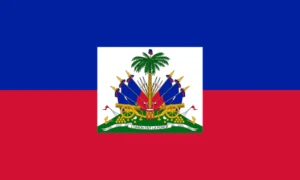
Capital: Port-au-Prince
Currency: Haitian gourde (HTG)
Language: Haitian Creole and French
Population: About 11.9 million (approximate)
Time zone: Eastern Time (UTC-5), UTC-4 in summer
Calling code: +509
Internet domain: .ht
Main airport: Toussaint Louverture International Airport (PAP); Cap-Haïtien International Airport (CAP)
Best time to visit: November to March (dry season)
📍 Haiti Map
🖼️ Haiti: Location, History, Culture & Food
✨ Complete Travel Guide
Safety Notice: Do Not Travel Advisory for Haiti
The US State Department rates Haiti Level 4, “Do not travel”, for the whole country. Its advisory, last updated on 10 July 2026, cites crime, terrorism, kidnapping, unrest and limited health care, and notes that Haiti has been under a national state of emergency since March 2024. This is a countrywide advisory, not one limited to a single region. Read the full text on travel.state.gov and check your own government’s latest advice before making any plans. Last checked: November 2026.
Where Is Haiti Located?
Haiti is a Caribbean country that occupies the western part of the island of Hispaniola, roughly three-eighths of it. The Dominican Republic lies to the east, the Caribbean Sea to the south and west, and the North Atlantic Ocean to the north. Cuba is a short sea crossing to the northwest. For trip planning, see our guides to flights to Haiti and getting around Haiti.
Last checked: November 2026
Haiti covers about 27,750 square kilometres, with a coastline of roughly 1,770 kilometres and a land border of around 360 kilometres with the Dominican Republic. Its capital, Port-au-Prince, sits on the Gulf of Gonâve on the central west coast. The Windward Passage, a strait of about 80 kilometres, separates Haiti from Cuba, and the Jamaica Channel separates Hispaniola from Jamaica to the southwest.
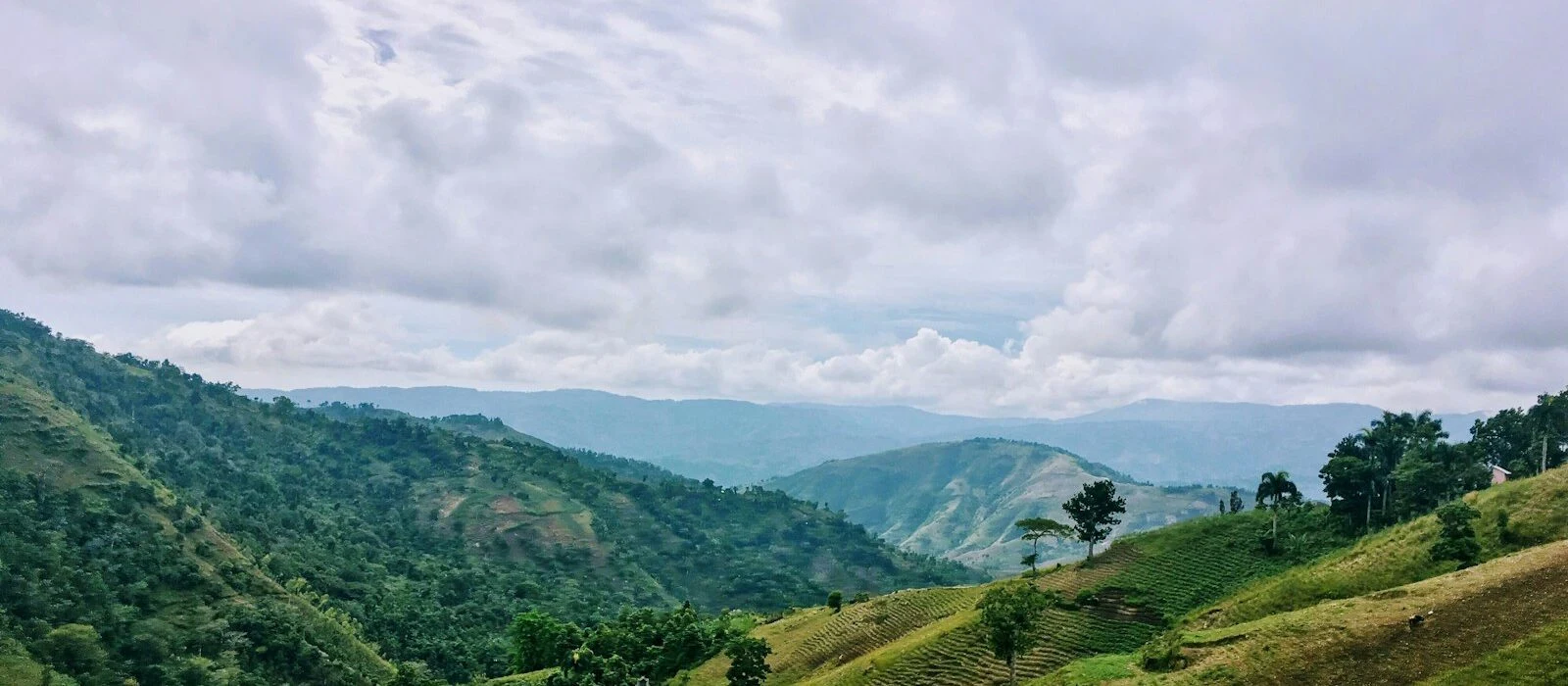
The terrain is mostly rugged and mountainous. Two main ranges, the Massif de la Hotte and the Massif de la Selle, form the spine of the southern peninsula and continue across the border as the Sierra de Bahoruco in the Dominican Republic. Pic la Selle, at roughly 2,680 metres, is the country’s highest point, and the Artibonite is its longest river. Étang Saumâtre, near the Dominican border, is the largest lake.
Haiti also includes several offshore islands. Gonâve, in the gulf of the same name, is the largest at about 743 square kilometres, and Tortuga lies off the northwest coast. Together with the mountains, the long coastline and the fertile Artibonite plain, these islands give the country a varied geography for its modest size.
Introduction to Haiti
Haiti, officially the Republic of Haiti, is a Caribbean nation of roughly 11.9 million people. Its capital and largest city is Port-au-Prince, its currency is the Haitian gourde (HTG), and its official languages are Haitian Creole and French. In 1804 it became the first independent Black-led republic in the world.
Last checked: November 2026
Most conversations in Haiti take place in Haitian Creole, known locally as Kreyòl, while French remains the language of formal documents, schooling and ceremony. The international calling code is +509, the internet domain is .ht, and the country uses Eastern time, which is UTC-5 and moves to UTC-4 in summer. Traffic drives on the right.
Haiti is known for the strength of its cultural identity. Its painting, metalwork, music, storytelling and cooking are admired well beyond the island, and the country’s revolutionary history is a source of national pride. Many Haitians also live abroad, and the diaspora is an important part of family life and the economy.
Haiti is also facing serious security and humanitarian challenges. Anyone reading this guide for planning purposes should first read the Safety Notice at the top of this page. The sections below cover the country’s history, culture and food, and each one is checked against current sources. For practical planning, read our Haiti visa requirements, the best places to visit in Haiti, the best time to visit Haiti, our Haiti itineraries and our guide on where to stay in Haiti.
History of Haiti
Haiti’s history runs from the Indigenous Taíno, through Spanish and French colonial rule, to a revolution led by enslaved Africans that ended with independence on 1 January 1804. Since then the country has faced foreign debt, occupation, dictatorship, natural disasters and recurring political instability.
Last checked: November 2026
The Taíno called the island Ayiti, meaning mountainous land, and Haiti takes its name from that word. Christopher Columbus reached the island in December 1492, and Spain colonised it. In 1697 Spain formally ceded the western third of Hispaniola to France, and the French colony of Saint-Domingue grew into one of the most profitable in the world, built on sugar and coffee grown by hundreds of thousands of enslaved Africans.
A large uprising began in 1791 and developed into a full revolution, in which leaders such as Toussaint Louverture and later Jean-Jacques Dessalines defeated French forces. Dessalines declared independence on 1 January 1804. In 1825 France recognised Haiti in return for a large indemnity, a debt that weighed on the young state for generations.
The 20th century brought a United States occupation from 1915 to 1934 and the Duvalier family dictatorship from 1957 to 1986. A powerful earthquake struck near Port-au-Prince on 12 January 2010, and President Jovenel Moïse was assassinated in July 2021. Ongoing insecurity since then is the reason for the current travel advisory.
Culture and Traditions of Haiti
Haitian culture blends West African, French and Indigenous Taíno influences. Haitian Creole, Vodou, vivid painting, kompa music, Carnival and rara processions express a strong national identity shaped by independence, family and community.
Last checked: November 2026
Religion is central to daily life. Roman Catholicism and Protestant churches are widespread, and Vodou, a religion with African roots, has been officially recognised since 2003 and often blends with Catholic imagery. Many Haitians see no conflict between the two, and ceremonies, music and drumming are an important part of community life.
Music and festivals set the rhythm of the year. Kompa is the best-known dance music, and rara bands parade through the streets in the weeks around Easter with drums, bamboo trumpets and costumes. Kanaval, the Carnival season before Lent, brings parades, satire and brightly painted floats. Haiti’s visual art is equally distinctive, from colourful paintings of markets and landscapes to sculptures cut from recycled oil drums in Croix-des-Bouquets.
Haiti’s most famous historic landmark is the National History Park in the north, which includes the Citadelle Laferrière and the ruins of Sans-Souci Palace and is listed by UNESCO as a World Heritage Site. Proverbs, folktales and riddles are still shared widely, and the national motto, Union makes strength, is a reminder of how important solidarity is in Haitian life.
Food and Cuisine of Haiti
Haitian cuisine combines African, French, Indigenous and Caribbean flavours into bold, spiced dishes. Griot, rice and beans, fried plantain and joumou soup are the best-known meals, and a spicy pickled slaw called pikliz is served with many of them.
Last checked: November 2026
Rice, beans, root vegetables, plantain, corn and seafood are everyday staples, and cooks rely on garlic, scotch bonnet pepper, thyme, citrus and a seasoning paste known as epis. Food also carries meaning. On New Year’s Day, which is also Independence Day, families traditionally share soup joumou, a pumpkin soup that UNESCO added to its Representative List of the Intangible Cultural Heritage of Humanity in 2021.
Signature Haitian dishes
- Soup joumou: a pumpkin soup with beef, vegetables and pasta, served on 1 January.
- Griot: marinated pork cubes, simmered and then fried until crisp.
- Diri ak djon djon: rice cooked with dried black mushrooms.
- Diri ak pwa: rice and beans, a daily staple.
- Pikliz: a spicy pickled cabbage and pepper relish.
- Bannann peze: twice-fried green plantain slices.
- Akra: crisp fritters made from grated malanga.
- Tasso: fried, seasoned goat or beef.
- Legim: a thick vegetable stew with meat or seafood.
- Lambi: conch stewed in a spicy creole sauce.
- Pâté kodé: a flaky savoury pastry filled with meat or fish.
- Akasan: a warm, thick corn drink flavoured with spices.
Popular drinks include fresh fruit juices, strong Haitian coffee and Barbancourt rum, a well-known local brand. Street food and home cooking are central to Haitian eating, so the best meals are usually the ones shared with family and friends.
Explore Haiti Travel Guides
Explore our detailed guides to plan every part of your Haiti trip.
Haiti: Best Places
Explore the best places to visit in Haiti, including the UNESCO-listed Citadelle Laferriere near Milot, Jacmel, coastal beaches and interior waterfalls, with...
View Guide ›Haiti: Best Time to Visit
Find the best time to visit Haiti with dry and wet seasons, hurricane risk and regional and altitude differences, and when conditions...
View Guide ›Haiti: Flights
Check flights to Haiti: airports, airlines and routes including services to Cap-Haitien, plus arrival tips, a before-you-fly checklist and current advisories.
View Guide ›Haiti: Getting Around
Get around Haiti with this guide to domestic flights, roads and local transport options and their main risks, plus practical tips and...
View Guide ›Haiti: Itineraries
Plan a Haiti trip with itineraries for 3, 5, 7 and 10 days covering Cap-Haitien, the Citadelle area, the north coast and...
View Guide ›Haiti: Visa
Check Haiti visa requirements by nationality, the 90-day visa-free stay, passport rules and official entry sources before you plan a trip.
View Guide ›Haiti: Hotels
Find where to stay in Haiti, from Cap-Haitien and Milot to Jacmel and the Les Cayes area, with area tips, booking advice...
View Guide ›Explore Haiti Tours
Discover guided tours and adventures in Haiti. Compare itineraries, prices and traveller reviews on TourRadar before you book.
Guided tours & deals
Affiliate partner · Globe Navo may earn a commission from qualifying bookings at no extra cost to you.
❓ Haiti FAQ
Where is Haiti located?
Haiti occupies the western part of the island of Hispaniola in the Caribbean, sharing a land border with the Dominican Republic to the east. The Caribbean Sea lies to the south and west, the North Atlantic Ocean to the north, and Cuba is across the Windward Passage.
What languages are spoken in Haiti?
Haitian Creole and French are the two official languages. Almost everyone speaks Haitian Creole, known locally as Kreyòl, in daily life, while French is mainly used in formal documents, schooling, the media and ceremonies.
What currency does Haiti use?
Haiti uses the Haitian gourde (HTG). US dollars are also widely accepted in many business transactions, but prices are often quoted in gourdes, so it helps to check which currency is meant before you pay for anything.
What is the current travel advisory for Haiti?
The US State Department rates Haiti Level 4, Do not travel, in an advisory updated on 10 July 2026, citing crime, kidnapping, unrest and limited health care. Check your own government latest advice and the official advisory text before making any plans.
What is Haiti most famous dish?
Soup joumou, a pumpkin soup with beef, vegetables and pasta, is Haiti best-known dish. Families traditionally share it on 1 January, Independence Day, and UNESCO added the tradition to its Intangible Cultural Heritage list in 2021.
Plan Your Trip to Haiti
Your Next Adventure in Haiti Awaits!
Explore Deals →🎁 Best deals for Haiti
Offers from trusted travel stores for your Haiti trip. Compare a few options before you book, and check each store's terms for the final price.
Browse by type: Hotel deals · Flight deals · Travel eSIM · Car rental
More destinations to explore
MyanmarMyanmar is a Southeast Asian country between India, China and Thailand, with a long…
 LibyaA guide to Libya's location, history, culture and cuisine, from the Mediterranean coast to…

 ChadSafety notice: official advisories warn against travel to Chad. The US Department of State…