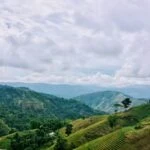
What are the best places to visit in Haiti? The most celebrated are the UNESCO-listed Citadelle Laferrière and Sans-Souci Palace near Milot, the arts town of Jacmel, the beaches of the north and south coasts, and the waterfalls and pools of the interior. Every place below must be weighed against a Level 4 “Do not travel” advisory.
Last checked: November 2026
Haiti’s attractions are spread across a rugged country, and access varies sharply by region. This guide groups places by type and explains why each matters, how much time it usually takes, and who it suits. We have not invented rankings or opening hours, and where we could not verify access we say so. Use it to understand the country, and check current official advice before acting on any of it.
Safety Notice
The US State Department rates all of Haiti Level 4, “Do not travel”, citing crime, terrorism, kidnapping, unrest and limited health care, and the UK FCDO advises against all travel. Reports describe gangs controlling main roads around Port-au-Prince and spreading into rural areas, including Kenscoff above the capital. Check travel.state.gov and your own government’s advice before planning. Last checked: November 2026.
Historic Sites
National History Park: Citadelle, Sans-Souci and Ramiers
This is Haiti’s only UNESCO World Heritage Site, inscribed in 1982. It lies in the Nord department near Milot and includes the vast Citadelle Laferrière fortress, the ruins of Sans-Souci Palace and the buildings at Ramiers. UNESCO describes the monuments as universal symbols of liberty, built soon after independence. Allow a full day, and expect a steep climb or ride up to the fortress. It suits history lovers and photographers. We could not verify current opening hours or access conditions, so confirm locally.
Cap-Haïtien and the north
Cap-Haïtien is the gateway to the national park and has a historic cathedral and colonial-era streets. It is also the city served by most scheduled international flights at present, which makes it the most practical base in the country for visitors who go. Allow a day in town and one or two for the nearby sites.
Beaches and Coast
Labadee
Labadee, on the north coast, is a sheltered peninsula best known as a cruise destination. Its bays suit travellers who want calm water and simple beach time. Access is usually arranged through the operators that run the site, so check with them for current arrangements.
Île à Vache
This small island off the southern tip of Haiti is popular for quiet beaches and rural scenery, without the traffic of the mainland. Allow two to three days if you want to slow down. It is reached by boat from the south coast, and we could not verify current crossing arrangements.
Obama Beach and Wahoo Bay
Obama Beach on the west coast and Wahoo Bay are known for sea views, with the mountains rising behind. Treat them as day-trip areas and ask locally about current access, as we have no verified information on facilities or conditions.
Cities and Culture
Jacmel
Jacmel, on the south coast, is known as Haiti’s artistic and cultural capital. It is famous for its Carnival season, which in 2026 began with a launch parade on 18 January, and for craft workshops and colonial-era architecture. Allow two days. It suits culture and art travellers.
Port-au-Prince
The capital is the centre of Haitian art, music and food, but it is also the epicentre of the security crisis. Reports describe gangs controlling many roads, and the airport has had repeated closures. Visiting is not advised under current government warnings.
Croix-des-Bouquets and metal art
The town is known for sculpture cut from recycled oil drums. As it lies in the Port-au-Prince area, treat it as an area covered by the same warnings.
Nature and the Outdoors
Bassin Bleu
This chain of turquoise pools near Jacmel is among the best-known natural attractions in the south. Plan a half day, and bring water shoes. It suits active travellers who can cope with walking and uneven ground.
Saut-d’Eau
The waterfall near Mirebalais draws a large Vodou and Catholic pilgrimage every year from 14 to 16 July, and visitors can go at other times of year, road conditions allowing. It is a spiritual site first, so go with respect and ask before photographing ceremonies.
Mountains and national parks
Haiti’s highest point, Pic la Selle, rises to roughly 2,680 metres in the Massif de la Selle, and La Visite National Park is known for pine forest and hiking. We could not verify current access, and the mountains above the capital have seen gang activity, so do not plan trekking here without current local advice.
Food Destinations
Haitian food is best understood in markets, roadside stalls and family kitchens rather than in a single place. Cap-Haïtien and Jacmel are the easiest places to sample dishes such as griot, rice with djon djon mushrooms and fried plantain. Our Haiti overview lists the signature dishes in full.
Official Sources to Check
- UNESCO: National History Park – Citadel, Sans Souci, Ramiers
- US State Department: Haiti travel advisory
- UK FCDO: Haiti travel advice
Best Places FAQs
What is Haiti’s most famous attraction?
The Citadelle Laferrière, part of the UNESCO-listed National History Park near Milot, is the best-known landmark. It is a huge mountaintop fortress built after independence, and it appears throughout Haitian art and national symbolism.
Which part of Haiti is best for beaches?
The north coast around Labadee, the west coast near Obama Beach and the southern island of Île à Vache are all known for their coastlines. Verify current access and security before choosing any of them.
How many days do I need to see the highlights?
Allow a day for the Citadelle and Sans-Souci, two days for Jacmel, and extra time for any island or waterfall trip. Travel between regions can be slow and unpredictable, so plan generous margins.
Are Haiti’s attractions open to visitors now?
We could not verify opening hours or access for individual sites. Conditions change with the security situation, so rely on current official advice and local contacts rather than older travel guides.