 LiechtensteinLiechtenstein is an Alpine principality between Switzerland and Austria, known for Vaduz Castle, Alemannic…
DESTINATION
Germany
Germany travel guide: where the country is, its history, culture and food.
📅 Last updated:
🌍 Quick Facts

Germany at a glance
Capital: Berlin
Currency: Euro (EUR)
Language: German
Population: About 83.5 million
Time zone: UTC+1 (Central European Time), UTC+2 in summer
Calling code: +49
Internet domain: .de
Main airport: Frankfurt (FRA) Munich (MUC) Berlin Brandenburg (BER)
Best time to visit: May, June and September; December for Christmas markets
📍 Germany Map
🖼️ Germany: Location, History, Culture & Food
✨ Complete Travel Guide
Where Is Germany Located?
Germany is a country in west-central Europe that stretches from the Alps in the south, across the North European Plain, to the North Sea and the Baltic Sea in the north. It shares land borders with nine neighbours, more than almost any other European state, and its capital is Berlin.
Last checked: November 2026
Denmark lies to the north, Poland and Czechia to the east, Austria and Switzerland to the south, and France, Luxembourg, Belgium and the Netherlands to the west. Two seas shape the northern edge: the North Sea in the northwest and the Baltic Sea in the northeast. The Kiel Canal links them and carries heavy international shipping.
With roughly 357,000 square kilometres, Germany is the seventh largest country in Europe, so distances are manageable but varied. Geographers usually divide the land into four broad zones: the flat North German Plain, the Central Uplands, the Southern German Scarplands and the Bavarian Alps. The Zugspitze, at about 2,962 metres, is the highest peak and sits on the Austrian border.
Rivers give the country much of its character. The Rhine, Elbe, Weser and Oder flow generally northward, while the Danube begins in the Black Forest and travels east towards the Black Sea. Lake Constance, shared with Austria and Switzerland, is the largest lake. In the Baltic, islands such as Rügen and Usedom are known for their beaches and nature reserves. The country is divided into 16 federal states, which is why regional identity feels so strong from one part of Germany to the next.
Introduction to Germany
Germany, officially the Federal Republic of Germany, is a federal parliamentary republic of about 83.5 million people and the most populous country in the European Union. Berlin is the capital and largest city, German is the official language, and the euro is the currency.
Last checked: November 2026
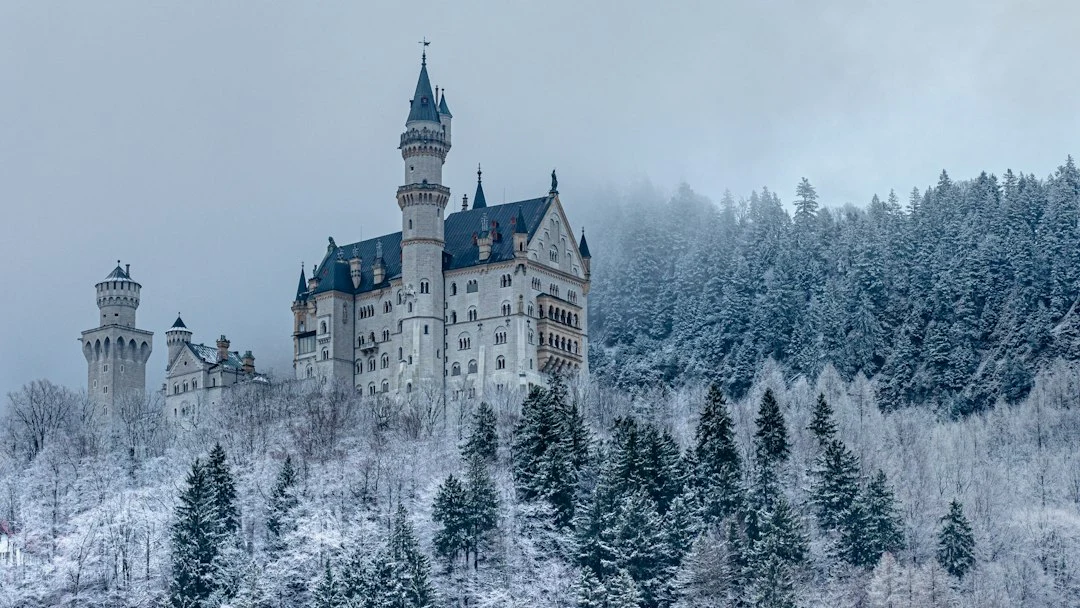
Travellers come for an unusually wide mix: big-city culture in Berlin, Hamburg and Munich, fairy-tale castles, medieval old towns, wine valleys along the Rhine and Moselle, the Black Forest, and the Bavarian Alps. Germany has more than 50 UNESCO World Heritage sites, among them Cologne Cathedral, Museum Island in Berlin and the Würzburg Residence, as well as 16 national parks.
The country is a founding member of the European Union and part of the Schengen Area, so once you are inside, borders with most neighbours are easy to cross. Politically, power is shared between the federal government and the 16 Länder, three of which are city-states: Berlin, Bremen and Hamburg. Each state keeps its own government and a good deal of responsibility, including culture and education, which helps explain why dialects, festivals and even school holidays differ across regions.
Germany is also Europe’s largest economy, known for engineering, cars, machinery and chemicals. For visitors, that translates into reliable infrastructure, a dense rail network and widely available information in English in tourist areas. It remains a country where punctuality, recycling and quiet Sundays are taken seriously, and knowing that in advance makes the first days much smoother.
History of Germany
Germany’s history runs from medieval kingdoms and the Holy Roman Empire, through unification in 1871, two world wars and four decades of division, to reunification on 3 October 1990. The modern federal republic is therefore both an old cultural region and a relatively young nation-state.
Last checked: November 2026
The Holy Roman Empire, traditionally dated from Otto I’s imperial coronation in 962, tied together hundreds of German-speaking territories until Napoleon ended it in 1806. During that long period the region produced the printing press, the Reformation sparked by Martin Luther in 1517, and powerful trading cities of the Hanseatic League. Because power stayed so scattered, local capitals built their own palaces, universities and opera houses, a legacy still visible in many mid-sized cities today.
In 1871, Otto von Bismarck led the unification of most German states into the German Empire under Prussian leadership. Defeat in the First World War brought the end of the monarchy in 1918 and the short-lived Weimar Republic. The Nazi dictatorship that followed from 1933 launched the Second World War and carried out the Holocaust, the genocide of six million Jews. Germany today treats this period seriously, and memorials, museums and documentation centres in Berlin and elsewhere are an important part of how the country remembers it.
After 1945 the country was occupied by the four Allied powers and, in 1949, split into the Federal Republic in the west and the communist German Democratic Republic in the east. Berlin was divided by a wall from 1961. Mass protests across East Germany led to the opening of the border on 9 November 1989, and the two states reunited the following October. Berlin was voted the seat of government in 1991, and Germany has since been a founding member of the euro area and a central voice in European affairs.
Culture and Traditions of Germany
German culture blends a deep classical heritage in music, literature and philosophy with strong regional customs, seasonal festivals and everyday habits such as quiet Sundays, careful recycling and a love of football. Because the country is a federation, traditions change noticeably from Bavaria to the Rhineland to the Baltic coast.
Last checked: November 2026
Music is a good starting point. Johann Sebastian Bach, Ludwig van Beethoven, Johannes Brahms and Richard Wagner all came from German lands, and cities such as Leipzig and Bonn keep their legacies alive through museums, historic houses and festivals. Literature and thought follow a similar pattern, with Goethe and Schiller in the classical canon and Luther’s Bible translation shaping the written language itself.
The festival calendar is just as distinctive. Advent wreaths, Christmas trees and the Weihnachtsmärkte, or Christmas markets, are closely tied to German tradition, and almost every town sets up its own version in the weeks before Christmas. Munich’s Oktoberfest, which began in 1810, is the best-known beer festival, while carnival, or Karneval, is celebrated most loudly in Cologne and the wider Rhineland. Many smaller towns also hold wine festivals, harvest fairs and local Volksfeste through summer and autumn.
Daily life has its own rhythm. Sunday is traditionally a day of rest, so most shops close and noisy chores are avoided, which means planning groceries on Saturday. Recycling is taken seriously, and returnable bottles carry a deposit, known as Pfand. Football is a national passion, with the Bundesliga drawing large crowds at weekends. German dialects vary widely, yet standard German is understood everywhere, and English is common in cities and tourist areas. Visitors often notice a direct, practical communication style that is meant to be clear rather than unfriendly.
Food and Cuisine of Germany
German cuisine is hearty and strongly regional, built around bread, sausages, potatoes, meat, dumplings and noodles, with beer and wine as classic partners. There is no single national dish, so the best way to eat in Germany is to try each region’s own specialities as you travel.
Last checked: November 2026
Bakeries are a daily habit, with thousands of bread varieties recognised as part of the country’s heritage and the knotted Brezel as a national symbol. Sausages come in countless regional styles, and potatoes appear baked, fried, mashed, as dumplings or in salads. Many restaurants also serve seasonal menus, such as white asparagus in spring and game or cabbage dishes in autumn and winter. Vegetarian and vegan options are now easy to find in cities, even though traditional menus lean heavily on meat.
These eleven signature dishes are a good place to start:
- Brezel: a salted, knot-shaped bread that is especially associated with Bavaria and Baden-Württemberg.
- Bratwurst: grilled or pan-fried sausage, eaten at markets, festivals and street stands across the country.
- Currywurst: sliced sausage with curry-spiced ketchup, a Berlin street-food icon usually served with chips or a bread roll.
- Schnitzel: a breaded cutlet, in Germany most often made from pork, served with potatoes, salad or Spätzle.
- Sauerbraten: beef marinated for days in vinegar or wine, then braised and served with red cabbage and dumplings.
- Rouladen: thin beef slices rolled around mustard, onion, pickle and bacon, then slow-braised.
- Käsespätzle: soft Swabian egg noodles layered with melted cheese and crispy onions, the German answer to macaroni and cheese.
- Maultaschen: large filled pasta pockets from Baden-Württemberg, served in broth or fried in butter.
- Königsberger Klopse: meatballs in a creamy caper sauce, popular in Berlin, Brandenburg and the north and east.
- Labskaus: a northern sailors’ dish of mashed potato, cured meat and beetroot, often topped with a fried egg.
- Dresdner Stollen: a dense, fruit-filled Christmas bread from Dresden, traditionally dusted with sugar.
To drink, Germany is famous for beer in styles that change from city to city, from Munich’s Helles to Cologne’s Kölsch, and for white wines from the Rhine and Moselle valleys.
Planning a trip? Start with our Germany visa and entry guide, browse the best places to visit in Germany, check the best time to visit, and follow a ready-made Germany itinerary. You can also compare where to stay, find flights to Germany and learn how to get around once you arrive.
Explore Germany Travel Guides
Explore our detailed guides to plan every part of your Germany trip.
Germany: Best Places
Best places to visit in Germany: major cities, castles, historic towns, the Rhine, the Black Forest, the Alps and the Baltic coast,...
View Guide ›Germany: Best Time to Visit
When to visit Germany: seasons, regional climate differences, festivals, public holidays, peak and low season, and what to pack.
View Guide ›Germany: Flights
Flights to Germany: main international airports, airlines, direct and connecting options, arrival tips, time zone and a Before You Fly checklist.
View Guide ›Germany: Getting Around
How to get around Germany: trains, buses, domestic flights, car rental, driving rules, city transport, tickets and the best option for each...
View Guide ›Germany: Hotels
Where to stay in Germany: best areas in major cities, luxury, mid-range and budget options, family tips, accommodation taxes and booking advice.
View Guide ›Germany: Itineraries
Germany itineraries for 3, 5, 7 and 10 days with realistic routes, overnight bases, train travel times and practical tips.
View Guide ›Germany: Visa
Germany visa and entry guide: who can enter visa-free, who needs a Schengen visa, the 90/180-day rule, passport rules, the Entry/Exit System...
View Guide ›Explore Germany Tours
Discover guided tours and adventures in Germany. Compare itineraries, prices and traveller reviews on TourRadar before you book.
Guided tours & deals
Affiliate partner · Globe Navo may earn a commission from qualifying bookings at no extra cost to you.
❓ Germany FAQ
Where is Germany located?
Germany is in west-central Europe, between the Alps in the south and the North Sea and Baltic Sea in the north. It borders Denmark, Poland, Czechia, Austria, Switzerland, France, Luxembourg, Belgium and the Netherlands, and its capital is Berlin.
What are the capital, currency and language of Germany?
Berlin is the capital and largest city of Germany. The official currency is the euro (EUR), and German is the official language. English is widely understood in cities and tourist areas, which makes travelling easier for international visitors.
How many federal states does Germany have?
Germany is a federal republic made up of 16 federal states, called Länder. Three of them are city-states: Berlin, Bremen and Hamburg. Each state has its own government and responsibility for areas such as culture and education, so regional traditions vary.
What is Germany famous for?
Germany is known for classical music, medieval old towns, castles, Christmas markets, Oktoberfest, bread and sausages, and beer and wine. It also has more than 50 UNESCO World Heritage sites and 16 national parks, so there is plenty for travellers to explore.
What are the most popular traditional dishes in Germany?
Popular German dishes include Brezel, Bratwurst, Currywurst, Schnitzel, Sauerbraten and Käsespätzle. Each region has its own specialities, so it is worth trying local food as you travel, from Swabian Maultaschen in the south to Labskaus in the north.
Plan Your Trip to Germany
Your Next Adventure in Germany Awaits!
Explore Deals →🎁 Best deals for Germany
Offers from trusted travel stores for your Germany trip. Compare a few options before you book, and check each store's terms for the final price.
Browse by type: Hotel deals · Flight deals · Travel eSIM · Car rental
 TourRadarTourRadar is an online marketplace for multi-day guided tours, small-group trips and tailor-made journeys offered by independent tour operators around the world.
Get Coupon View Deal
More destinations to explore
LiechtensteinLiechtenstein is an Alpine principality between Switzerland and Austria, known for Vaduz Castle, Alemannic…
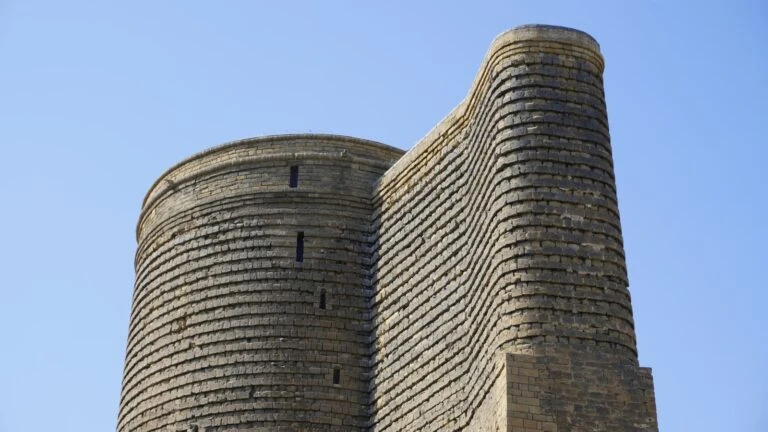 AzerbaijanAzerbaijan is a South Caucasus country on the Caspian Sea, known for Baku’s Old…
 Antigua and BarbudaAntigua is the main island of the twin-island country Antigua and Barbuda, known for…