Germany rewards travellers who mix cities with landscapes. This guide groups the best places to visit by type, explains why each is worth the trip, and suggests how much time to allow and who will enjoy it most. Time suggestions are our own planning estimates, not official figures.
Quick Answer: What Are the Best Places to Visit in Germany?
First-time visitors usually start with Berlin, Munich, Hamburg, Cologne and Dresden for cities, Neuschwanstein and the Bavarian Alps for castles and scenery, the Rhine Valley for river views and wine towns, and the Black Forest for nature. Which is best depends on your interests, season and available time.
Last checked: November 2026
Major Cities
Berlin
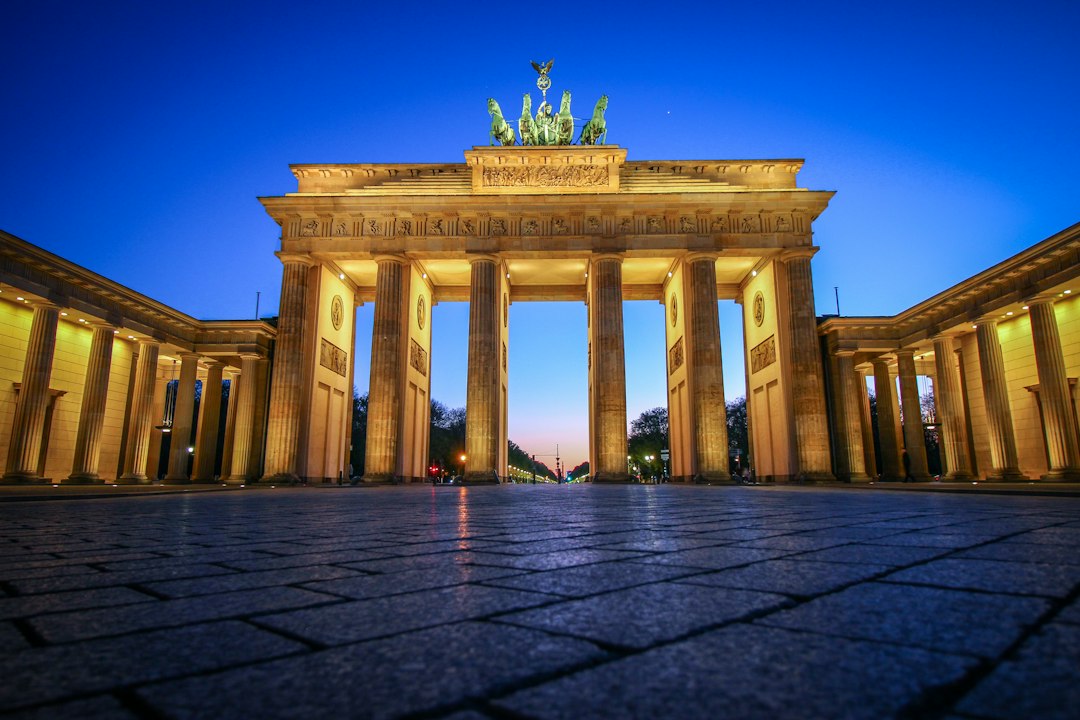
The capital combines recent history with art, nightlife and green spaces. Main attractions include the Brandenburg Gate, the Reichstag building, the Berlin Wall Memorial and Museum Island, a UNESCO-listed ensemble of five museums. Allow three to four days, with a full day for Museum Island alone. Best for history lovers, museum fans and first-time visitors.
Munich
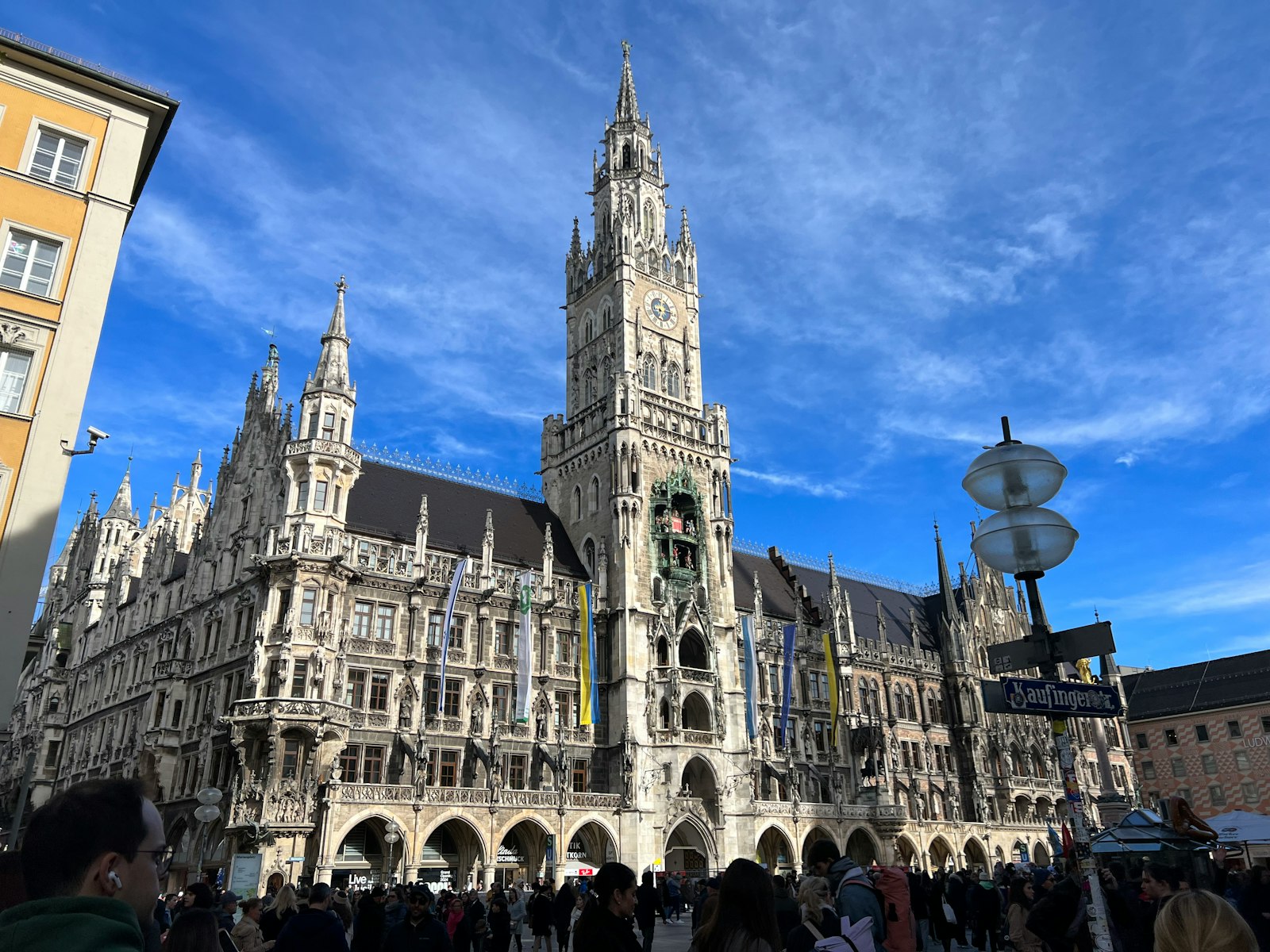
The Bavarian capital is known for beer halls and gardens, Oktoberfest and an easy base for the Alps. Allow two to three days. Best for food lovers, festival visitors and travellers who want city life with mountains nearby.
Hamburg
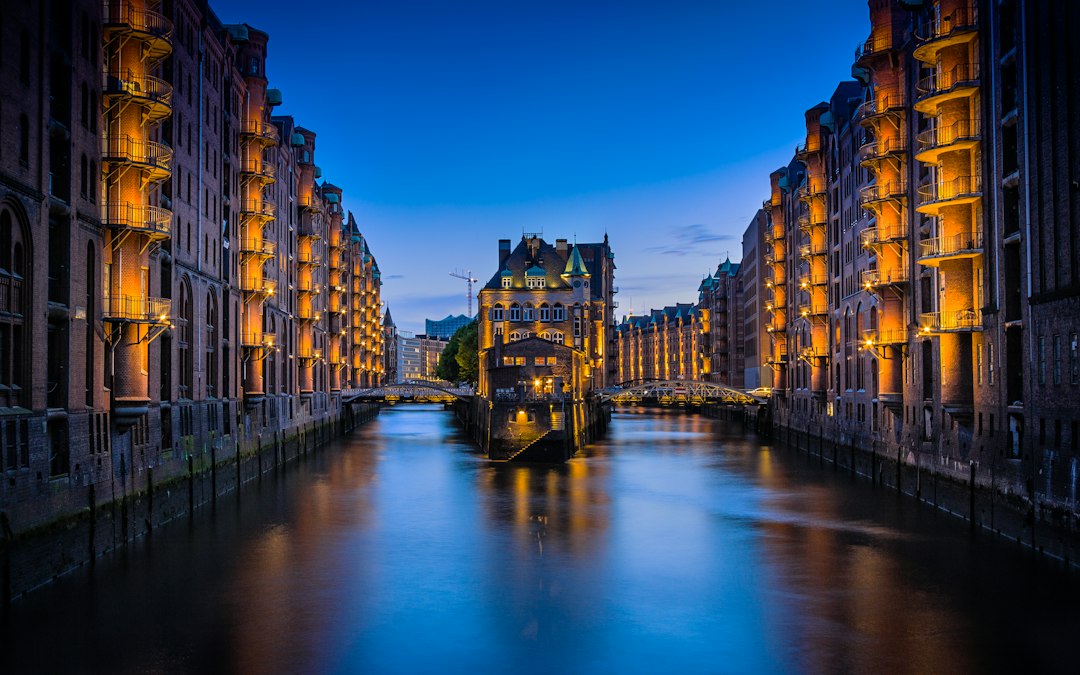
This major port city offers harbour atmosphere, the Speicherstadt warehouse district and Miniatur Wunderland, described by Guinness World Records as the world’s largest model railway layout. Allow two days. Best for travellers who like waterfronts, modern architecture and nightlife.
Cologne
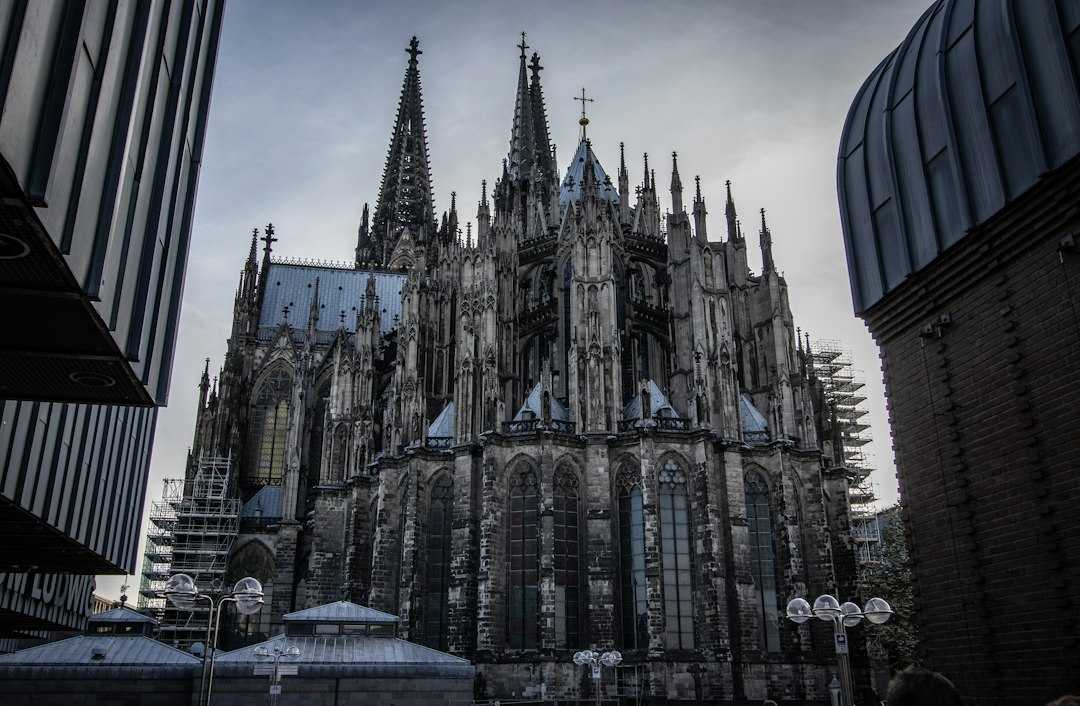
Cologne is dominated by its Gothic cathedral, a UNESCO World Heritage site, and is also known for Roman history, museums and its own beer style. Allow one to two days. Best for architecture fans and as a stop on a Rhine itinerary.
Dresden
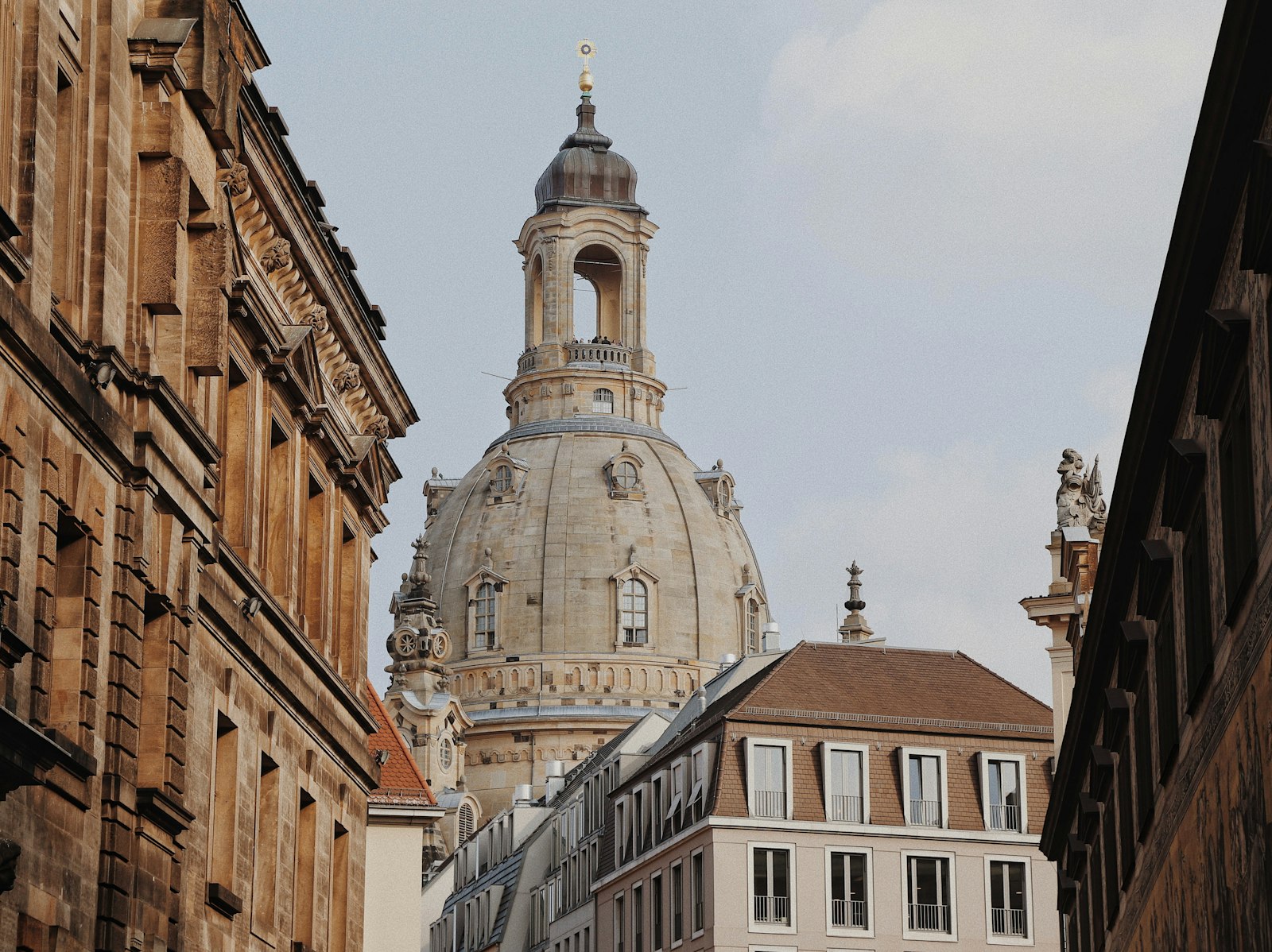
Heavily destroyed in the Second World War and later rebuilt, Dresden is valued for baroque architecture and art collections. Allow one to two days. Best for art and history lovers, and as a base for Saxon Switzerland.
Historic Towns and Castles
Heidelberg
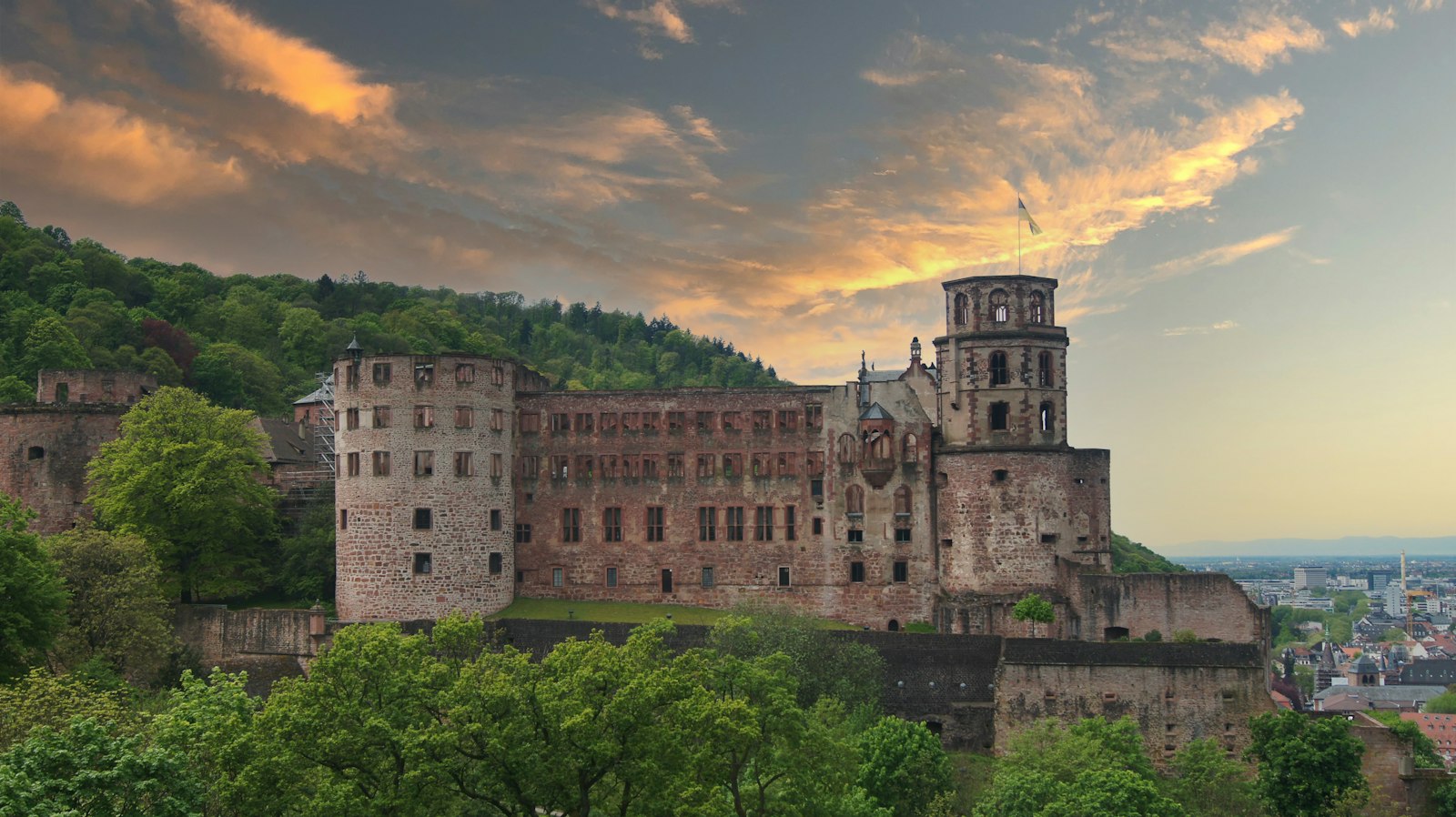
Heidelberg’s ruined hilltop castle and old town on the Neckar make it one of the most popular small cities. Allow one day. Best for couples and travellers who enjoy walkable historic centres.
Rothenburg ob der Tauber
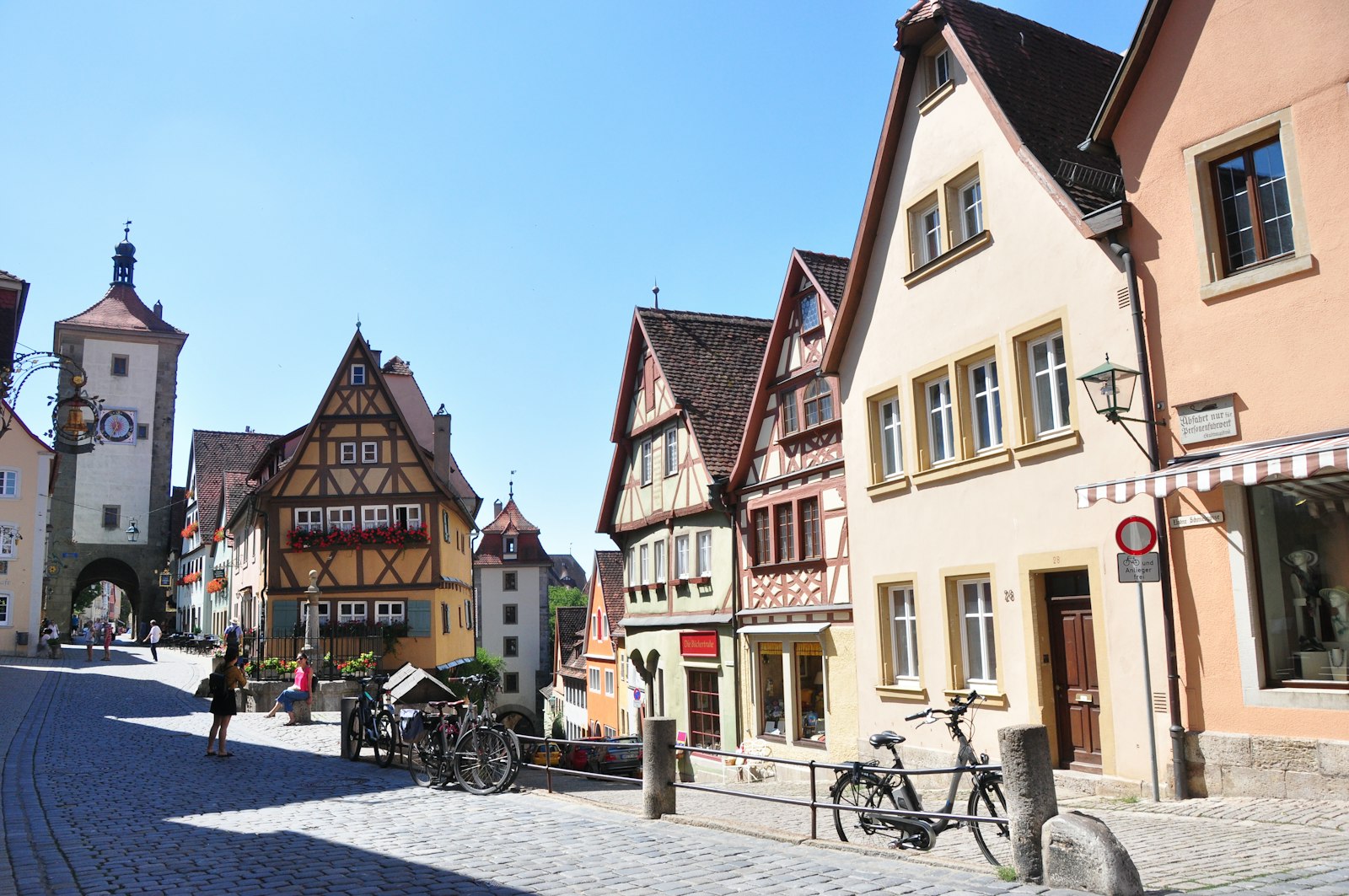
This small walled town on the Romantic Road is a favourite for medieval streets and half-timbered houses. Allow half a day to one day. Best for photographers and slow travellers.
Neuschwanstein Castle
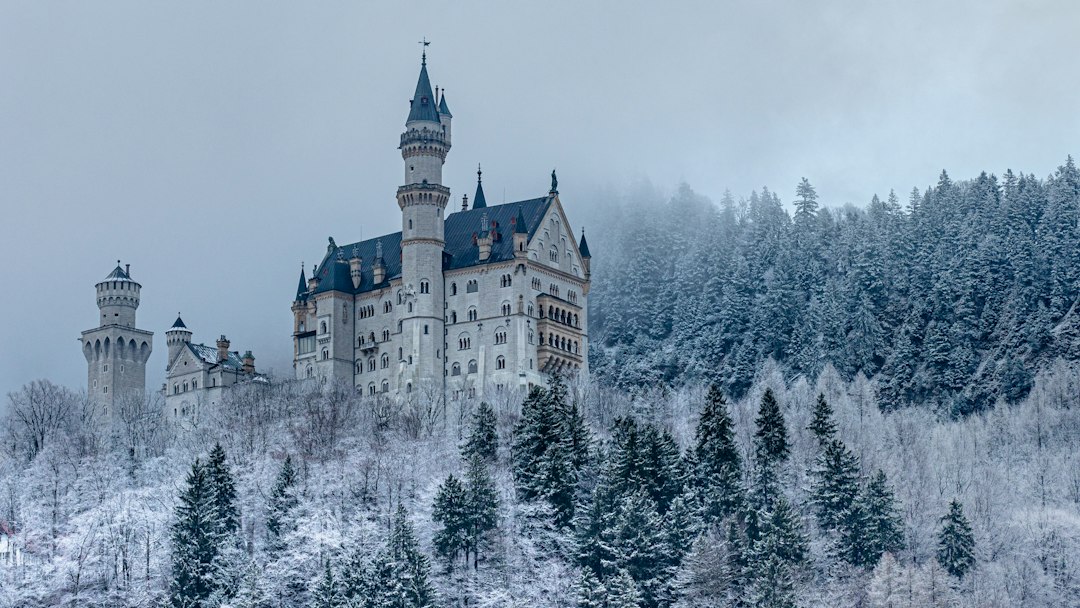
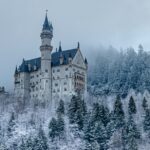
Set in the Bavarian Alps near Schwangau, this fairy-tale castle is among the most visited sights in the country. Nearby, King Ludwig’s Hohenschwangau, Linderhof and Herrenchiemsee palaces can also be visited. Allow one day from Munich. Best for families and first-time visitors. Check the official ticket and opening information before you go, because castle visits usually need advance planning.
Rivers, Forests and Mountains
Upper Middle Rhine Valley
This UNESCO-listed stretch of the Rhine is lined with castles, vineyards and small towns. The Loreley rock rises about 132 metres above the river. Allow one to two days, by boat, train or car. Best for wine lovers and scenic-travel fans.
Black Forest
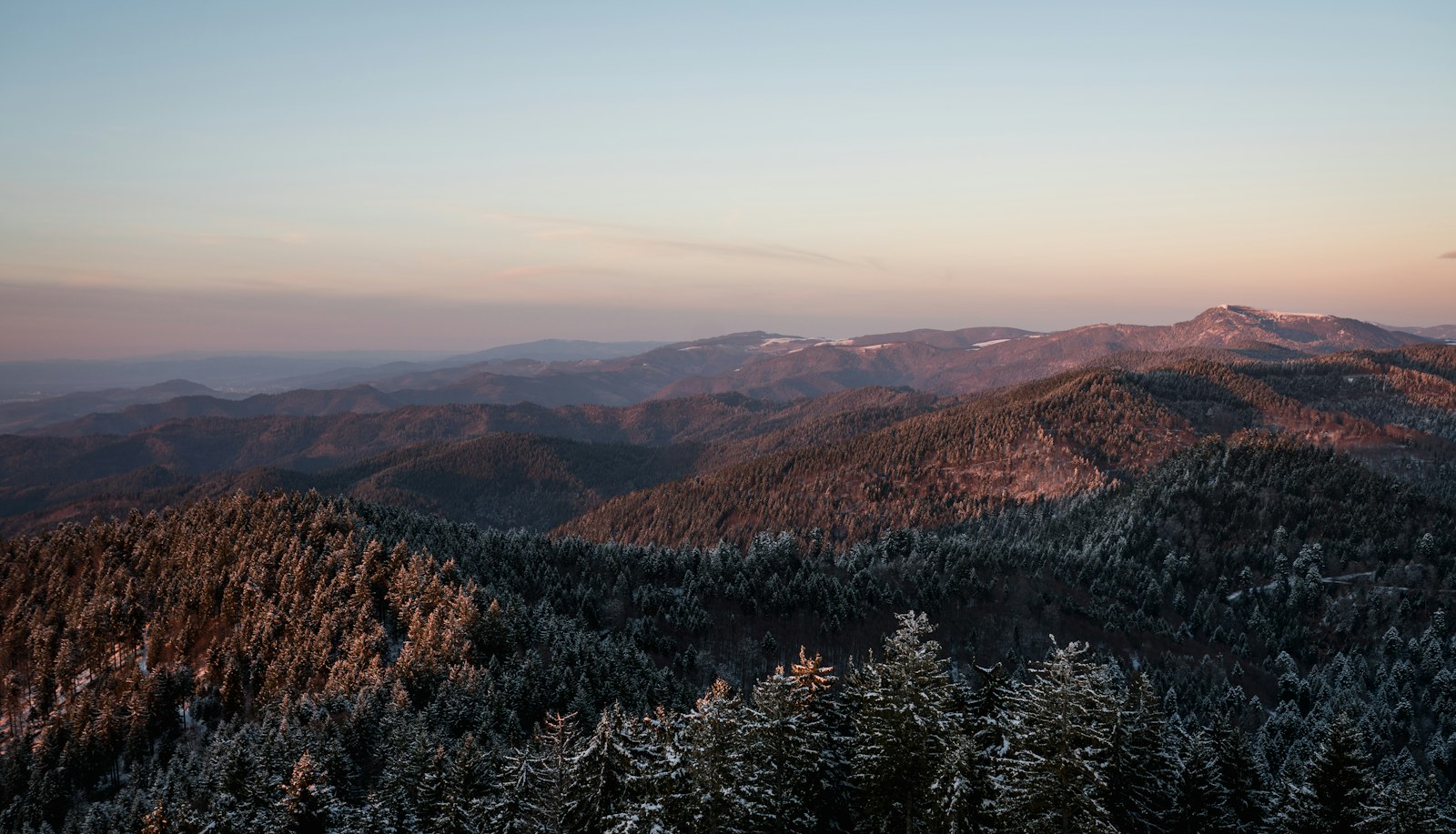
A mountainous region in the southwest, known for dense evergreen forests, traditional villages, cuckoo clocks, Triberg Falls and Black Forest cake. Allow two to three days. Best for hikers, nature lovers and road-trippers, with May to October the usual season for walking.
Bavarian Alps
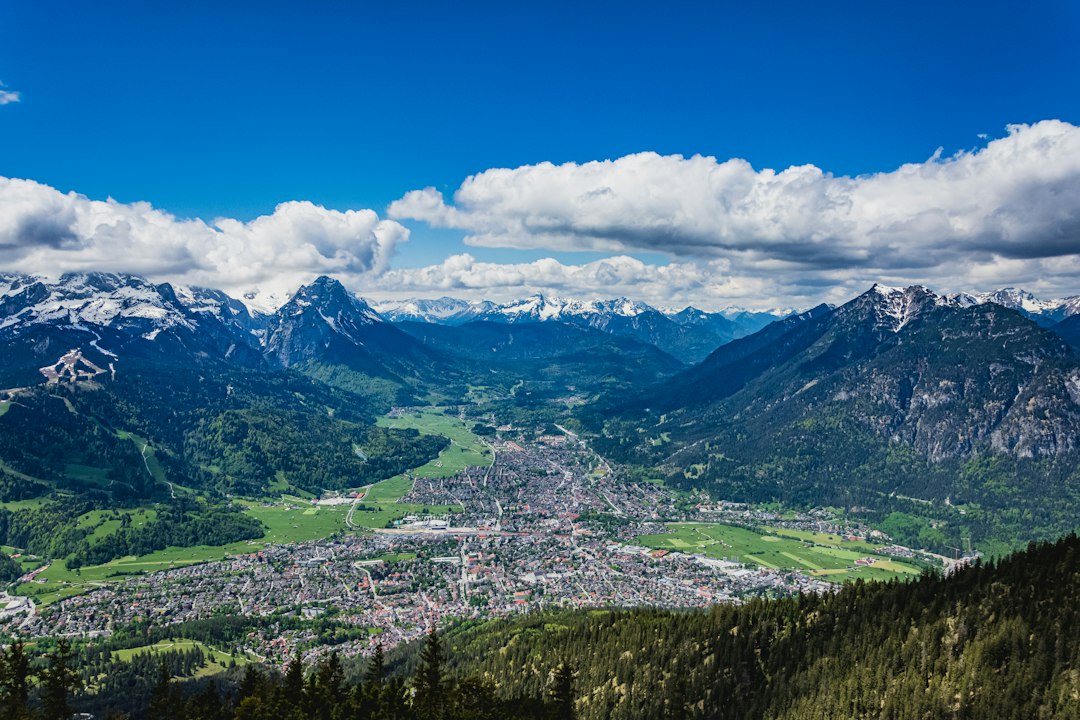
The country’s highest mountain, the Zugspitze, sits here on the Austrian border. Allow two to three days. Best for hiking and mountain scenery, and for winter sports in the cold months.
Saxon Switzerland National Park
This sandstone landscape near Dresden is known for rock formations and viewpoints such as the Bastei. Allow one day. Best for walkers and photographers.
Beaches and Coast
Rügen Island
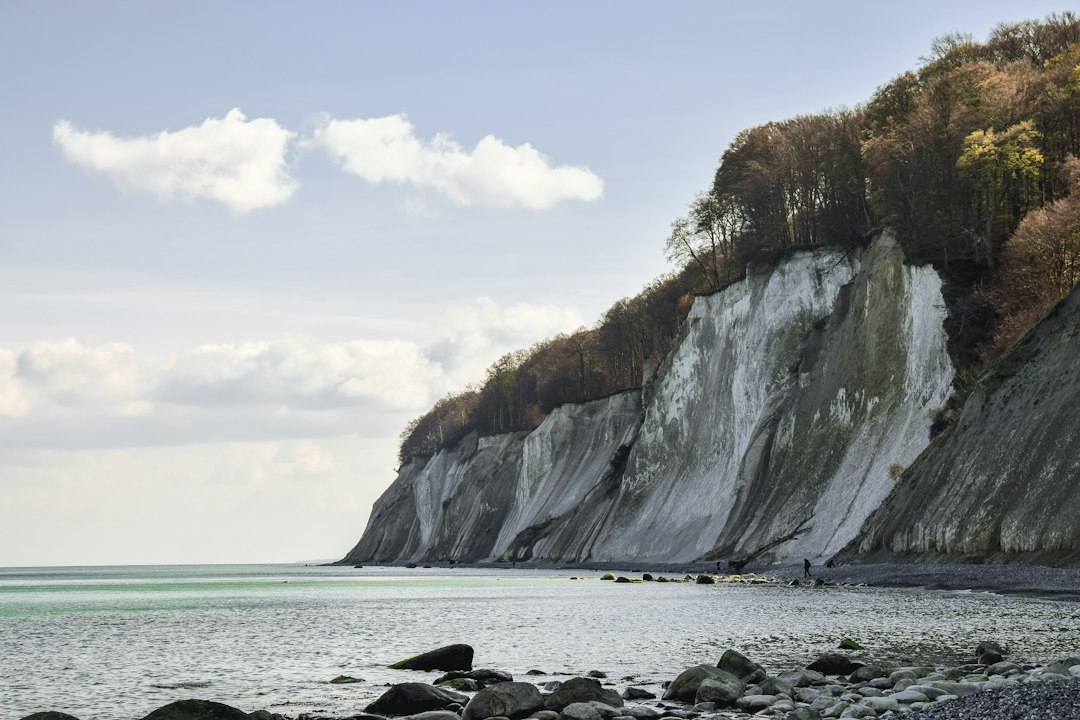
Germany’s largest island, on the Baltic Sea, has Jasmund National Park with the Königsstuhl chalk cliffs, resorts such as Binz and Sellin with its pier, and the lighthouse at Cape Arkona. Allow two to three days. Best for summer beach trips and coastal walks.
Choosing by Travel Style
- History and museums: Berlin, Dresden, Cologne.
- Food and festivals: Munich, Cologne, the Rhine wine towns.
- Outdoors and national parks: Black Forest, Bavarian Alps, Saxon Switzerland, Jasmund on Rügen.
- Short city breaks: Hamburg, Heidelberg, Rothenburg ob der Tauber.
Opening hours, ticket rules and any temporary closures change often. No closures were verified for this guide, so check each site’s official page before travelling. For wider trip planning, see the German National Tourist Board at germany.travel and the federal portal deutschland.de.
Frequently Asked Questions
What is the best city to visit first in Germany?
Berlin suits history and culture, while Munich suits Bavarian traditions and easy trips to the Alps. If you only have a short trip, pick one of these and add a nearby region instead of trying to cover everything.
How many days do I need for Germany?
A week allows two or three bases, such as Berlin plus Munich and a day trip. Ten days gives room for the Rhine or the Black Forest. Distances are manageable, but trying to see every region quickly is tiring.
Are the castles worth visiting?
Yes, particularly Neuschwanstein, the Rhine castles and Heidelberg. Popular castles can be crowded, so book tickets in advance where the official site allows it and arrive early in the day.
Where can I find natural scenery?
The Black Forest, the Bavarian Alps, Saxon Switzerland National Park and Rügen’s Jasmund National Park offer the best-known landscapes. Germany has 16 national parks in total, according to the German National Tourist Board.