 AzerbaijanAzerbaijan is a South Caucasus country on the Caspian Sea, known for Baku’s Old…
DESTINATION
Estonia
📅 Last updated:
🌍 Quick Facts

Estonia at a glance
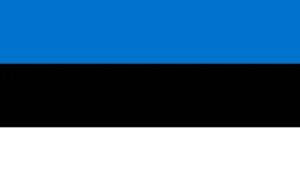
Capital: Tallinn
Currency: Euro (EUR)
Language: Estonian
Population: 1,360,745 (1 January 2026)
Time zone: EET (UTC+2), EEST (UTC+3) in summer
Calling code: +372
Internet domain: .ee
Main airport: Tallinn Lennart Meri Airport (TLL)
Best time to visit: Late May to early September, especially June and early September
📍 Estonia Map
🖼️ Estonia: Location, History, Culture & Food
✨ Complete Travel Guide
Where Is Estonia Located?
Estonia is a country in Northern Europe on the eastern shore of the Baltic Sea. It shares land borders with Latvia to the south and Russia to the east, while the Gulf of Finland separates it from Finland to the north. Its capital and largest city, Tallinn, sits on the northern coast.
Last checked: November 2026
The country covers roughly 45,000 square kilometres, making it one of the smaller nations in Europe. Most of the landscape is low and gently rolling, with forests covering around half of the territory. The highest point, Suur Munamägi in the southeast, rises only about 318 metres above sea level, so Estonia feels open and spacious rather than mountainous.
Estonia also has a long, indented coastline and more than 2,000 islands and islets. The two largest, Saaremaa and Hiiumaa, lie off the west coast and have their own distinct island character. Estonia keeps Eastern European Time (UTC+2), which moves to UTC+3 in summer.
Introduction to Estonia
Estonia is a small, digitally advanced Baltic nation of about 1.36 million people. It is known for the medieval Old Town of Tallinn, deep forests, bogs and island coastlines. The country is a member of the European Union and NATO and uses the euro as its currency.
Last checked: November 2026
According to Statistics Estonia, the population stood at 1,360,745 on 1 January 2026. Estonians make up the majority, alongside a sizeable Russian-speaking community and people of more than 200 other ethnic backgrounds. The official language is Estonian, a Finnic language that is closely related to Finnish rather than to Latvian or Russian. English is widely spoken in cities, especially among younger people.
Estonia has built a global reputation for technology. Public services such as voting, tax filing and prescriptions are largely online, and the country was home to the engineers who created Skype. Yet this modern image sits comfortably beside a deep respect for nature. Many Estonians spend weekends picking berries and mushrooms or relaxing in a sauna by a lake.
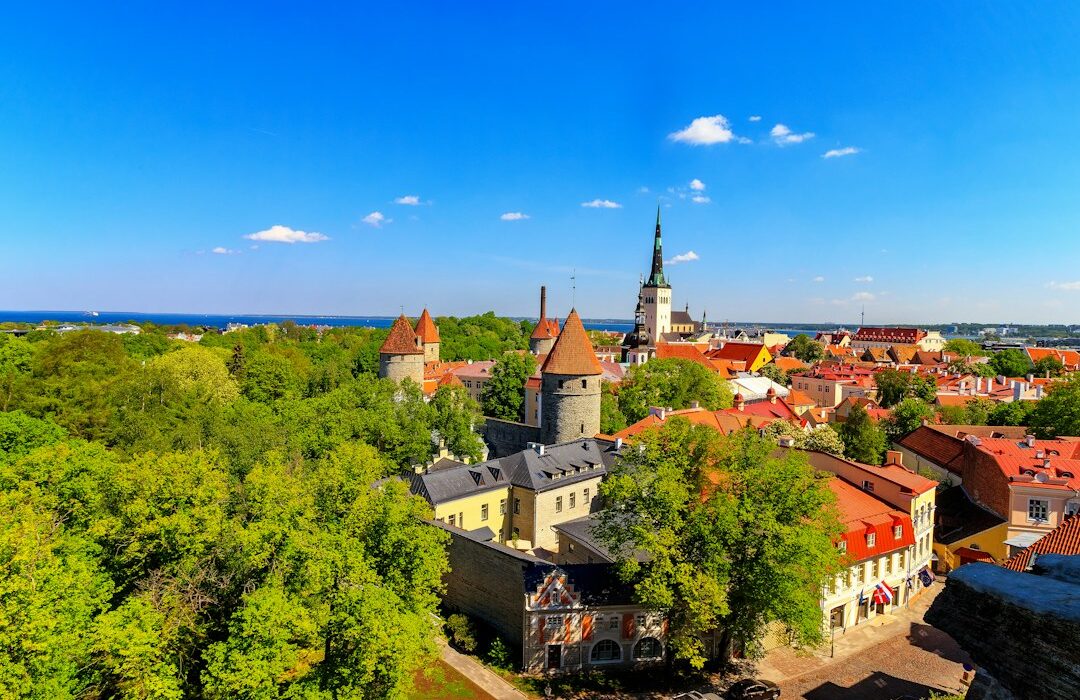
For travellers, the country offers a rare mix of Hanseatic architecture, Nordic design, quiet national parks and a relaxed pace. Tallinn’s Old Town is a UNESCO World Heritage Site, while Tartu, the university city, adds a youthful and intellectual atmosphere. Its country calling code is +372 and its internet domain is .ee.
History of Estonia
Estonia’s history runs from prehistoric settlement through medieval rule by Danes, Germans and Swedes, then Russian imperial control. It first became independent in 1918, endured Soviet occupation from 1940, and restored its independence on 20 August 1991.
Last checked: November 2026
People have lived in the area for thousands of years, and the ancestors of today’s Estonians were among the last in Europe to be Christianised. In the early 13th century, crusading orders and the Danish crown conquered the region. Tallinn, then known as Reval, grew wealthy as a member of the Hanseatic League, and its merchant houses, guild halls and town walls still define the Old Town. Sweden took control in the 16th and 17th centuries, introducing schools and the University of Tartu in 1632, before Russia won the territory in the Great Northern War.
A national awakening in the 19th century strengthened Estonian language and culture. The first national song festival took place in 1869, and the movement helped lead to the declaration of independence on 24 February 1918. After a War of Independence, the young republic was recognised internationally and developed rapidly.
The Second World War brought lasting hardship. The Soviet Union annexed Estonia in 1940, followed by German occupation from 1941 and a second Soviet occupation from 1944. In the late 1980s, mass singing gatherings became a peaceful form of protest known as the Singing Revolution. In 1989, about two million people across Estonia, Latvia and Lithuania joined hands in the Baltic Way. Independence was restored in 1991, and Estonia joined the EU and NATO in 2004, the Schengen Area in 2007 and the eurozone in 2011.
Culture and Traditions of Estonia
Estonian culture is shaped by nature, choral singing and a calm Nordic temperament. Its best-known traditions include the song festivals, Midsummer bonfires, the smoke sauna and a strong everyday bond with forests, bogs and the sea.
Last checked: November 2026
Singing sits at the heart of national identity. The Estonian Song Festival, held roughly every five years at the Song Festival Grounds in Tallinn, gathers tens of thousands of singers and an even larger audience. The Baltic song and dance celebrations are recognised by UNESCO as intangible cultural heritage. Smaller local choirs perform throughout the year, and many families pass folk songs from one generation to the next.
Midsummer, called Jaaniöö or St John’s Night, is celebrated around 23 and 24 June. Families leave the cities for the countryside, light bonfires and stay up through the short northern night. The sauna is equally important. The Võru smoke sauna tradition in the south is a UNESCO-listed practice, and sauna visits remain a social ritual for friends and relatives.
Estonia also preserves living regional traditions. The Seto people in the southeast keep a unique polyphonic singing style known as leelo, and the island of Kihnu is known for its women’s colourful striped skirts and handicrafts. Estonians value privacy and quiet conversation, so visitors will notice that people keep a polite personal distance. Public access to nature is generous, and the custom of walking and foraging in forests is widely respected as long as people take care of the land.
Food and Cuisine of Estonia
Estonian cuisine is hearty and seasonal, built on rye bread, pork, potatoes, Baltic fish, dairy and wild berries and mushrooms. Traditional recipes reflect a farming heritage, while modern chefs in Tallinn and Tartu give them a lighter, Nordic touch.
Last checked: November 2026
Dark rye bread, called leib, is the national staple and appears at almost every meal. Many visitors also try a sprat sandwich, kiluvoileib, which combines rye bread with marinated sprats, egg and herbs. Dairy plays a big role as well, from sour cream to fresh curds, and forest ingredients such as lingonberries, blueberries, chanterelles and juniper add distinctive flavour.
Eleven dishes and flavours worth looking for include:
- Leib: dense, slightly sweet rye bread.
- Kama: a fine flour of roasted grains, usually mixed with kefir or buttermilk.
- Verivorst: blood sausage, traditionally served at Christmas with lingonberry jam.
- Mulgipuder: a creamy porridge of potatoes and barley, topped with pork-fat sauce.
- Sült: jellied pork, often eaten with mustard or horseradish.
- Kiluvoileib: open sprat sandwich on rye bread.
- Rosolje: a pink salad of beetroot, potato, pickles and herring.
- Kohuke: a glazed sweet curd snack, popular as a dessert.
- Pirukad: small baked pastries filled with meat, cabbage or carrot.
- Hapukapsas: slow-cooked sauerkraut and pork stew.
- Vana Tallinn: a sweet rum-based liqueur that is often poured into coffee or over ice cream.
The craft beer scene has grown quickly, and local producers also make berry wines and ciders. Markets sell smoked fish, honey, cheeses and seasonal produce, giving travellers an easy way to taste the country at a relaxed pace.
Ready to plan your trip? Read our guide to Estonia visa and entry requirements, explore the best places to visit in Estonia, check the best time to visit Estonia, follow an Estonia itinerary for 3 to 10 days, compare where to stay in Estonia, book flights to Estonia and learn about getting around Estonia.
Explore Estonia Travel Guides
Explore our detailed guides to plan every part of your Estonia trip.
Explore Estonia Tours
Discover guided tours and adventures in Estonia. Compare itineraries, prices and traveller reviews on TourRadar before you book.
Guided tours & deals
Affiliate partner · Globe Navo may earn a commission from qualifying bookings at no extra cost to you.
❓ Estonia FAQ
Where is Estonia located?
Estonia is in Northern Europe on the eastern shore of the Baltic Sea. It borders Latvia to the south and Russia to the east, and the Gulf of Finland separates it from Finland to the north.
What is the capital and official language of Estonia?
The capital and largest city is Tallinn, on the northern coast. The official language is Estonian, a Finnic language closely related to Finnish. English is widely spoken in cities, especially among younger people and in tourism.
Is Estonia in the EU and does it use the euro?
Yes. Estonia joined the European Union and NATO in 2004, the Schengen Area in 2007 and the eurozone in 2011, so the euro is its official currency. This makes travel within the region simple for many visitors.
What is Estonian food known for?
Estonian cuisine is hearty and seasonal, built on dark rye bread, pork, potatoes, Baltic fish, dairy and wild berries. Well-known dishes include kama, verivorst, mulgipuder, sült and the sprat sandwich called kiluvoileib.
What was the Singing Revolution?
The Singing Revolution was the peaceful movement of the late 1980s in which mass singing gatherings became a form of protest against Soviet rule. It helped lead to Estonia restoring its independence on 20 August 1991.
Plan Your Trip to Estonia
Your Next Adventure in Estonia Awaits!
Explore Deals →🎁 Best deals for Estonia
Offers from trusted travel stores for your Estonia trip. Compare a few options before you book, and check each store's terms for the final price.
Browse by type: Hotel deals · Flight deals · Travel eSIM · Car rental
 SimOptionsFind the latest SimOption promo code and coupon code for travel eSIM data plans. See how to apply an offer at checkout, fix common code errors and stay connected abroad.
Get Coupon View Deal
 TourRadarTourRadar is an online marketplace for multi-day guided tours, small-group trips and tailor-made journeys offered by independent tour operators around the world.
Get Coupon View Deal
More destinations to explore
AzerbaijanAzerbaijan is a South Caucasus country on the Caspian Sea, known for Baku’s Old…
 CyprusCyprus travel guide covering where the island is, how it is governed, its history,…