Estonia packs medieval towns, vast bogs, island castles and sandy coastlines into a country small enough to explore in a week. This guide groups the best places to visit by interest, with notes on why each is worth your time, how long to allow and who it suits best.
Quick Answer: What Are the Best Places to Visit in Estonia?
The essential places are Tallinn’s UNESCO-listed Old Town, Lahemaa National Park, the university city of Tartu, the island of Saaremaa with Kuressaare Castle, and the bogs of Soomaa. Pärnu adds a classic seaside stop. Together they cover history, nature and coast in one trip.
Last checked: November 2026
Historic Places
Tallinn Old Town
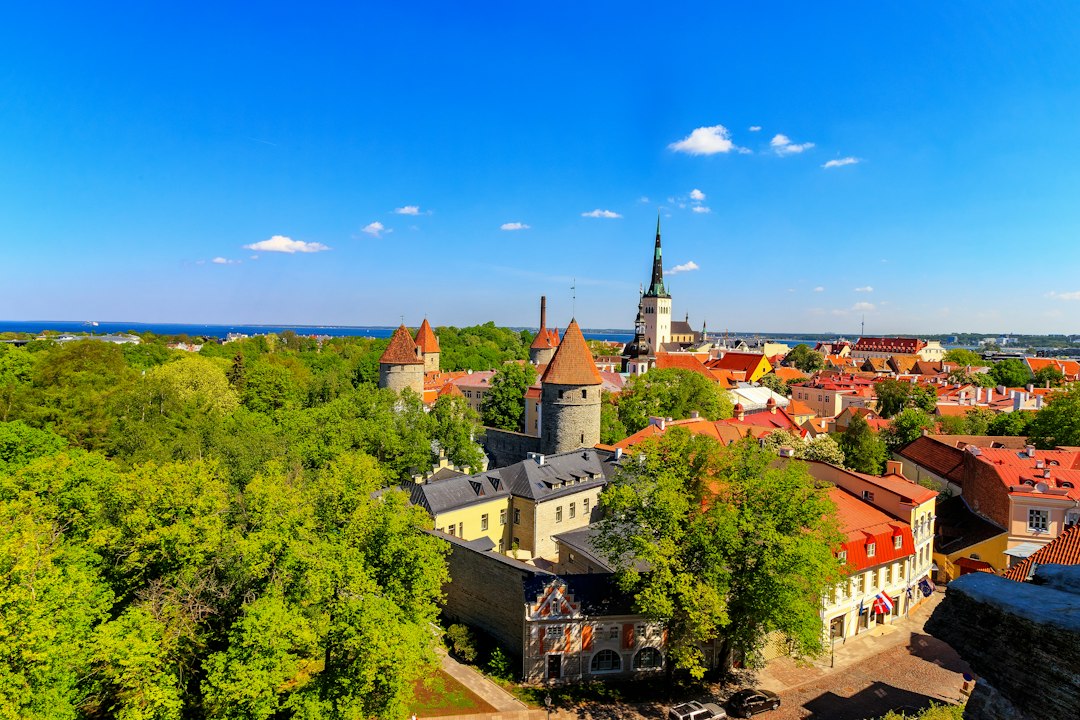
Why visit: It is a UNESCO World Heritage Site and among the best-preserved medieval cities in Europe. Main attractions: Town Hall Square, St Nicholas’ Church, the town walls and towers, Toompea Castle (home of the Estonian Parliament) and Alexander Nevsky Cathedral. Time needed: one full day, or two if you add museums. Best for: first-time visitors, history lovers and photographers. Access: The streets are open all year, but opening hours of churches and museums vary by season, so check each site before you go.
Narva and Hermann Castle
Why visit: Narva sits on the Russian border, and its riverside fortress is one of the most striking in the country. Time needed: half a day. Best for: castle fans and travellers interested in border history. Access: Because Narva lies on the eastern border, check current border conditions and official travel advice before heading there.
Haapsalu
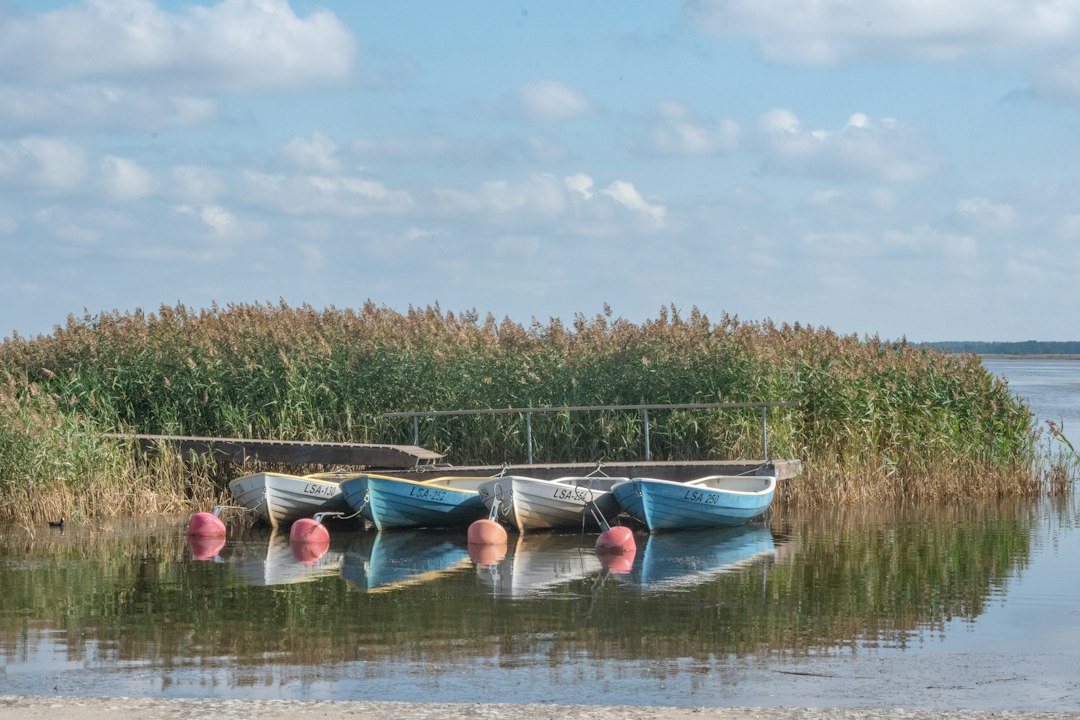
Why visit: This coastal town has a 13th-century castle beside Haapsalu Bay and a church with an unusual wooden interior. Time needed: half a day to a full day. Best for: couples and travellers who enjoy slow, seaside towns. Access: Opening hours are seasonal.
Major Cities
Tallinn
Beyond the Old Town, Tallinn offers Kadriorg Park and Palace, the creative Telliskivi district and a lively waterfront. Allow two to three days. It suits culture seekers, families and anyone who enjoys walking a compact capital.
Tartu
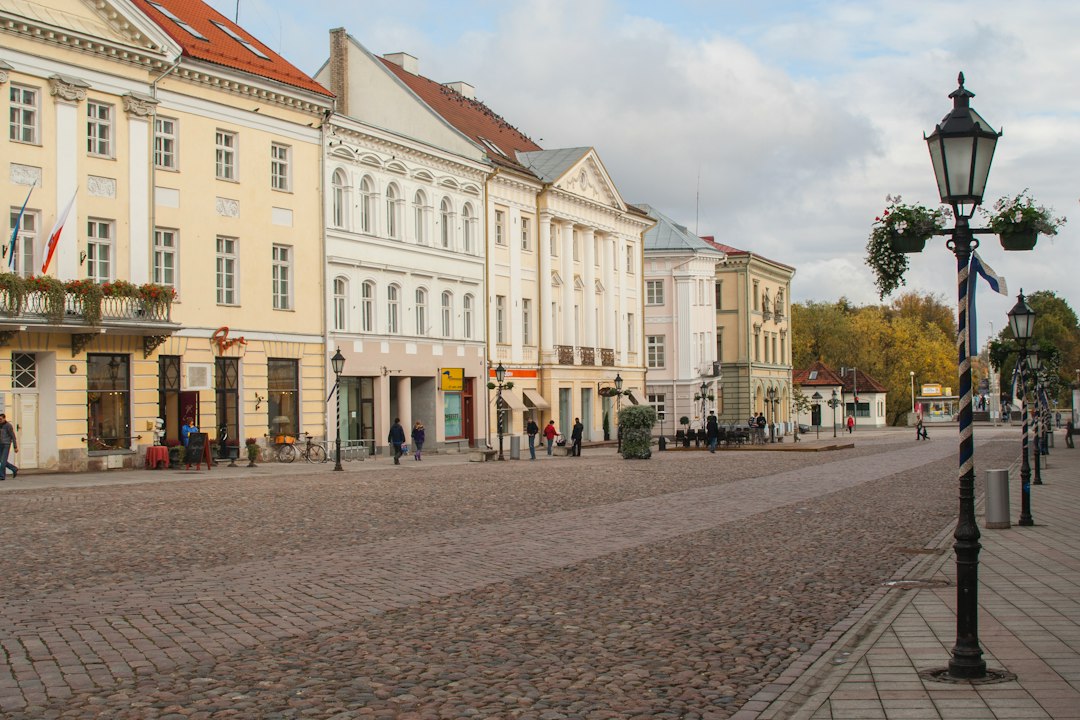
Why visit: Estonia’s university city has a youthful atmosphere, riverside parks and Town Hall Square. Main attractions: the University of Tartu, the Estonian National Museum, the AHHAA science centre and the Aparaditehas creative campus. Time needed: one to two days. Best for: museum lovers, families and students of culture. Access: Check museum opening days, because some close on Mondays.
National Parks and Outdoor Destinations
Lahemaa National Park
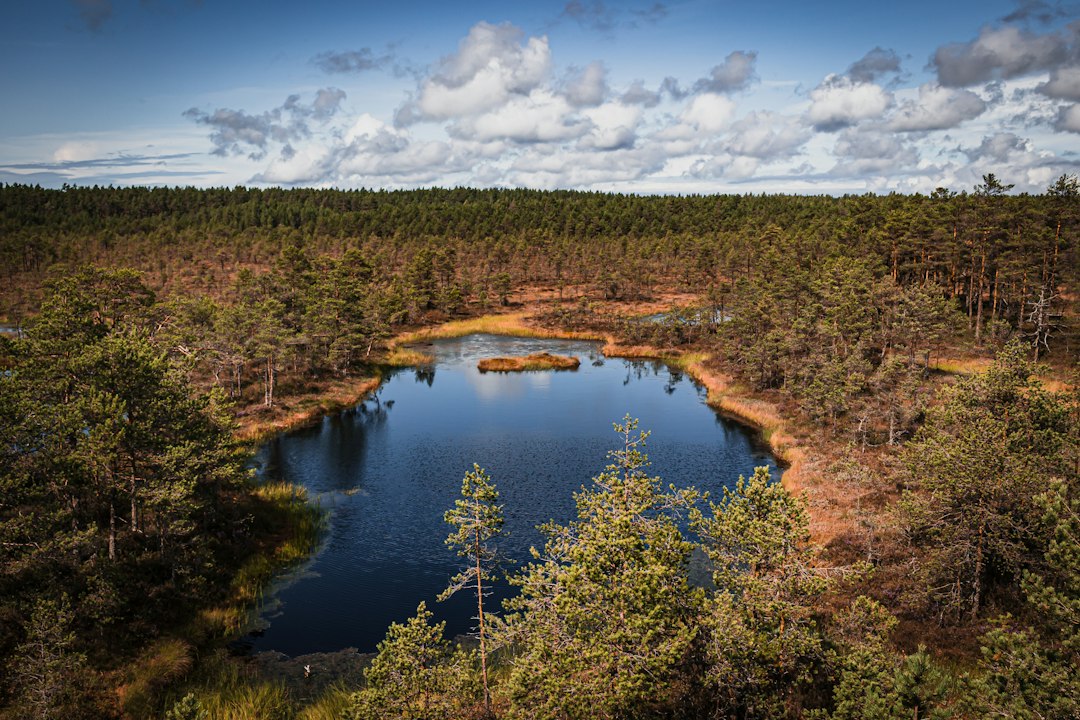
Why visit: It is the oldest and largest national park in Estonia, covering about 725 square kilometres, and it lies roughly an hour from Tallinn. Main attractions: forests, rocky coastline, historic manor houses such as Palmse and Sagadi, and the Viru Bog boardwalk with a lookout tower. Time needed: one full day, or two with an overnight stay. Best for: hikers, cyclists and anyone who wants nature close to the capital. Access: Boardwalks are open year-round, but conditions can be wet or icy, so wear suitable footwear.
Soomaa National Park
Why visit: Over 80 per cent of this park is covered by bogs, and in spring the rivers flood the forests during the so-called fifth season. Main attractions: canoeing on flooded rivers, bog walks and the visitor centre. Time needed: one to two days. Best for: adventurous travellers and nature photographers. Access: The flood season changes every year, so confirm conditions with local guides before you plan canoe trips.
Matsalu and Vilsandi
Matsalu National Park is a wetland known for bird migration, especially cranes, and Vilsandi National Park on the western island of Vilsandi has large numbers of nesting seabirds. Allow half a day to a full day each. They suit birdwatchers. Peak activity is seasonal, so check migration times with the park authorities.
Beaches and Coast
Pärnu
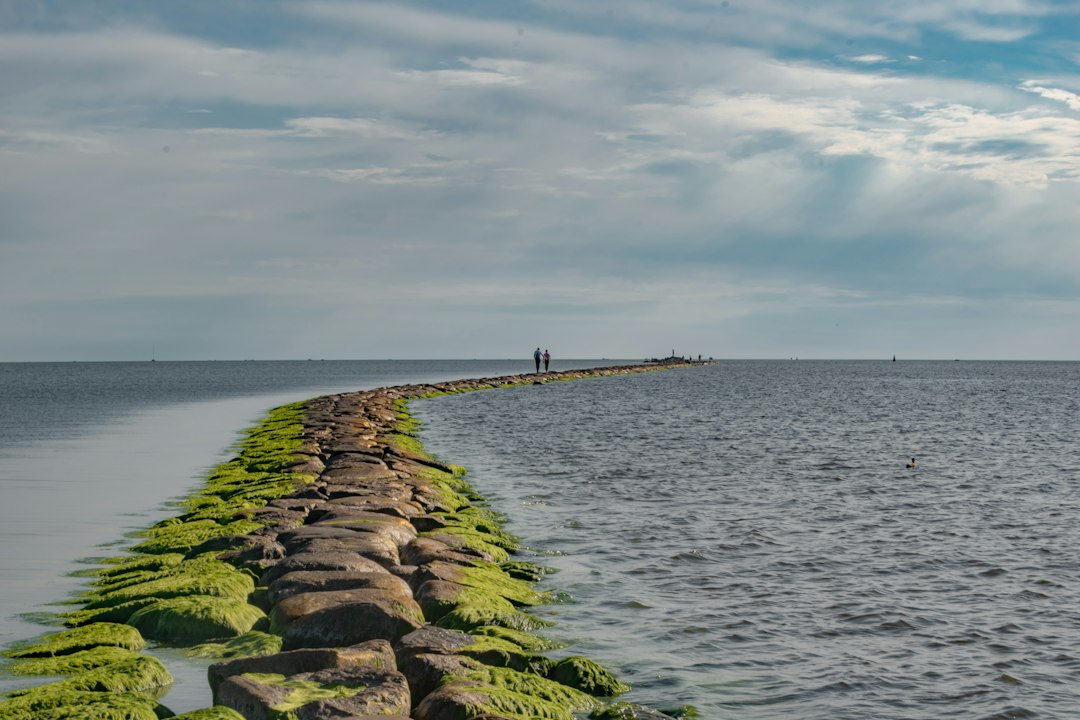
Why visit: Pärnu is Estonia’s best-known seaside resort, with kilometres of Baltic beach, a promenade and a compact old town. Time needed: one to two days. Best for: families and summer travellers who enjoy beaches and spas. Access: Beach weather is best from late June to August, and many seaside venues reduce hours outside summer.
Islands and Cultural Destinations
Saaremaa
Why visit: Estonia’s largest island has windswept coastline, villages and lighthouses. Main attractions: Kuressaare Castle, a well-preserved fortress from the 13th century, which contains a museum; the Kaali meteorite crater field, thought to be at least 4,000 years old; the Panga Cliffs; and Mändjala Beach. Time needed: two to three days. Best for: road-trippers, couples and nature fans. Access: A ferry connects the mainland with Muhu, which links to Saaremaa, and summer slots for cars sell out, so book ahead.
Hiiumaa and Kõpu Lighthouse
Estonia’s second-largest island is quieter and more remote than Saaremaa, with forests, beaches and the historic Kõpu Lighthouse. Allow two days. It is best for peaceful, slow travel. Ferry timetables vary with the season.
Kihnu
This small island off the west coast is known for living traditions, especially women’s handicrafts and costumes, and its cultural space is recognised by UNESCO. Allow a day trip or an overnight stay. It suits travellers interested in folk culture. Crossings are weather-dependent, so check schedules before you go.
Food and Creative Districts
For cafés, markets and local restaurants, spend an evening in the creative districts of Telliskivi in Tallinn and Aparaditehas in Tartu. Both are popular with locals as well as visitors, and both suit travellers who like relaxed dining and design shops. Opening hours depend on the venue.
Official Sources
For current opening hours, events and regional information, use the official tourism sites: Visit Estonia, Visit Tallinn and Visit South Estonia.
Frequently Asked Questions
What is the most popular place in Estonia?
Tallinn’s Old Town is the country’s most visited attraction. Its medieval walls, merchant houses and churches earned it a UNESCO listing, and it is easy to explore on foot in a day or two.
Which national park is best for first-time visitors?
Lahemaa is the easiest choice. It is about an hour from Tallinn, offers forest, coast, manor houses and an accessible bog boardwalk, and works well as a day trip by car or organised tour.
Is Saaremaa worth visiting?
Yes, if you have at least two days. Kuressaare Castle, the Kaali craters and the island’s coastline make it one of the most rewarding trips outside the mainland, particularly between June and August.
What is the fifth season in Soomaa?
It is the local name for the spring floods, when rivers overflow into the forests and bogs. Visitors can canoe between the trees, but flood timing and depth vary each year.