 AlbaniaFrom Skanderbeg to Bunk'Art, and from besa to byrek, this Albania travel guide introduces…
DESTINATION
Mali
A guide to Mali's place in West Africa, its history, culture and food, with a safety notice based on current US and UK travel advisories.
📅 Last updated:
🌍 Quick Facts

Mali at a glance
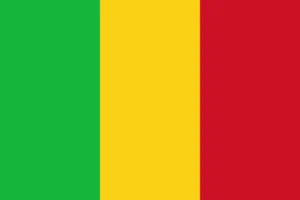
Capital: Bamako
Currency: West African CFA franc (XOF)
Language: Bambara and 12 other national languages; French is the working language
Population: About 22 million
Time zone: UTC+0 (GMT)
Calling code: +223
Internet domain: .ml
Main airport: Modibo Keita International Airport (BKO)
Best time to visit: November to February for cooler, dry weather; the rainy season runs from June to September
📍 Mali Map
🖼️ Mali: Location, History, Culture & Food
✨ Complete Travel Guide
Where Is Mali Located?
Mali is a landlocked country in West Africa. It shares borders with seven neighbours: Algeria, Mauritania, Senegal, Guinea, Côte d’Ivoire, Burkina Faso and Niger. Its capital and largest city, Bamako, lies in the far south-west of the country.
Last checked: November 2026
Covering roughly 1.24 million square kilometres, Mali is one of the largest countries in Africa. Its northern half reaches deep into the Sahara Desert, while the south is greener and far more densely settled, with most people living along the Niger and Senegal river valleys. Because the country has no coastline, international visitors and goods have traditionally arrived through Bamako’s airport or by road from neighbouring states.
That geography shapes everything from climate to culture. The Sahel belt in the middle acts as a transition zone between desert and savannah, and Mali’s position at the crossroads of trans-Saharan and West African trade routes is the reason cities such as Timbuktu and Djenné grew into centres of commerce and learning.
The Niger River is the country’s lifeline. It flows through Bamako, Ségou and Mopti before bending north towards Timbuktu and Gao, and the seasonal floods of its inland delta around Mopti support farming, fishing and herding. In the west, Kayes lies on the Senegal River system. Away from the rivers, the Bandiagara Escarpment rises as a long sandstone cliff in the centre-east, and the far north is mostly sand and rock desert with few permanent settlements. Mali’s borders with Algeria and Mauritania run through the Sahara, while those with Guinea, Côte d’Ivoire and Burkina Faso lie in greener savannah country.
Introduction to Mali
Mali is a West African country of roughly 22 million people, known for its medieval empires, mud-brick mosques and a deep musical tradition. Its capital is Bamako, its currency is the West African CFA franc, and Bambara is the most widely spoken language, with French used as the working language.
Last checked: November 2026
The population is made up of many communities, including the Bambara, Fulani, Songhai, Tuareg, Dogon and others, and around nine in ten Malians are Muslim. Thirteen national languages are recognised, so a traveller moving between Bamako, the Niger River towns and the desert north will hear very different languages and greetings.
Mali has four UNESCO World Heritage sites: the Old Towns of Djenné and Timbuktu (both inscribed in 1988), the Cliff of Bandiagara in Dogon Country (1989) and the Tomb of Askia in Gao (2004). UNESCO placed Timbuktu and the Tomb of Askia on its List of World Heritage in Danger in 2012, and the Old Towns of Djenné were added in 2016. Today the country is governed by a military-led transitional authority, and its security situation is the main factor for anyone considering a visit, as explained in the Safety Notice at the end of this page.
History of Mali
Mali’s history runs from the Ghana Empire through the Mali and Songhai empires, which controlled trans-Saharan trade in gold and salt, to French colonial rule from the 1890s. French Sudan became the independent Republic of Mali on 22 September 1960, with Modibo Keïta as its first president.
Last checked: November 2026
The Mali Empire was founded by Sundiata Keita around 1230 and reached its height in the 14th century under Mansa Musa, who ruled from about 1312 to 1337. His 1324 pilgrimage to Mecca, during which he gave away so much gold that it disrupted prices in Cairo, made the empire famous far beyond Africa. Timbuktu became a centre of Islamic learning during this period.
As Mali weakened, the Songhai Empire rose with its capital at Gao and became the largest state in West African history, before collapsing after a Moroccan invasion in 1591. France took control of the region in the 1890s and ruled it as French Sudan. In 1959 French Sudan joined Senegal in the Mali Federation, which became independent on 20 June 1960. Senegal withdrew that August, and the Sudanese Republic then proclaimed itself the Republic of Mali.
The decades since independence have included periods of military rule, and since 2012 armed conflict has affected the north and centre of the country. Since 2021 Mali has been led by a military-led transitional government.
Culture and Traditions of Mali
Malian culture blends Mande traditions, Islam and Sahelian village life, expressed through music, oral storytelling, mud-brick architecture and shared meals. Bambara, Fulani, Songhai, Tuareg and Dogon communities each add their own customs, so dress, festivals and crafts differ widely between regions.
Last checked: November 2026
Architecture is one of Mali’s most distinctive traditions. The Great Mosque of Djenné is among the largest mud-brick buildings in the world, and each year the community repairs the rain damage to its plaster in a shared festival. In Timbuktu, the Djinguereber, Sankore and Sidi Yahia mosques recall the city’s golden age. The Dogon people of the Bandiagara Escarpment are known for their cliffside villages and their own cultural and religious practices.
Music and film are also central to Malian identity; the country is widely admired for its musicians, and director Souleymane Cissé’s film Yeelen (1987) is one of the best-known works of West African cinema. Hospitality is a strong value: meals are often shared from a common bowl, and offering food to visitors is a sign of respect and friendship.
Oral history carries particular weight in Mande culture. Griots, called jali or jeli in Mande languages, are hereditary poet-musicians who preserve genealogies, epics and community memory, often accompanied by instruments such as the kora, balafon and ngoni. Everyday social life has its own rituals too. Green tea, known as ataya, is prepared over a small charcoal stove and served in three rounds among friends or guests, with the oldest person present receiving the first glass. Accepting a glass is a simple way of showing respect.
Food and Cuisine of Mali
Malian food is built on millet, sorghum, rice and fonio, served with peanut, okra and leaf sauces. The best-known dish is tigadèguèna, a peanut stew often called Mali’s national dish, while tô porridge and riz au gras are everyday and festive staples across the country.
Last checked: November 2026
Cooking follows the geography. Grains such as millet and sorghum dominate in the drier regions, rice is common along the Niger River, and the river itself supplies fresh fish. Meals are usually shared and eaten with the right hand or a spoon from a communal bowl. Signature dishes include:
- Tigadèguèna: a thick peanut stew with meat or fish and vegetables, served with rice or tô.
- Tô: a firm millet, sorghum or maize porridge eaten with okra or other sauces.
- Riz au gras: tomato-based one-pot rice cooked with meat and vegetables, often served at celebrations.
- Fonio: a fine, quick-cooking wild grain served like couscous.
- Capitaine: freshwater fish from the Niger River, often grilled or served in sauce.
- Dégué: a sweetened yogurt and millet dessert or porridge.
- Saga saga: meat cooked in a sweet potato leaf sauce.
- Sauce gombo: a thick okra sauce served over tô or rice.
- Dibi: grilled meat, a popular street-food favourite.
Drinks are part of the meal as well. Djablani, a cold juice made from ginger, lemon and mint, is sold by street vendors and is often drunk after a heavy meal. Bissap is a tart hibiscus drink, and baobab juice has a tangy, citrus-like flavour. Because most Malians are Muslim, pork and alcohol are typically avoided, and chicken, goat, mutton and fish are the main proteins.
Planning to enter the country? Read our Mali visa guide for tourists for entry rules and the current restrictions.
Continue with our other Mali guides: the best places to visit in Mali, the best time to visit Mali, our Mali itinerary guide, where to stay in Mali, flights to Mali and how to get around Mali.
Safety Notice: The US Department of State rates Mali Level 4: Do Not Travel, citing crime, terrorism, kidnapping, unrest and health risks. The UK Foreign, Commonwealth & Development Office advises against all travel to Mali, and warns that overland routes to neighbouring countries are dangerous and that support for British nationals is severely limited. Advisories change often, so read the latest wording before making any plans. Last checked: November 2026.
Explore Mali Travel Guides
Explore our detailed guides to plan every part of your Mali trip.
Mali: Best Places
A look at Mali's UNESCO heritage sites, river towns, cities and landscapes, with notes on what we could and could not verify...
View Guide ›Mali: Best Time to Visit
A season-by-season look at Mali’s climate, from the cool dry months to the hot spring and the summer rains, with notes on...
View Guide ›Mali: Flights
How air travel to Mali works: the main airport, reported airline links, what to check before booking and what to expect on...
View Guide ›Mali: Getting Around
A practical overview of moving around Mali: road and driving conditions, taxis, unverified domestic options and safety limits on overland travel.
View Guide ›Mali: Itineraries
Why GlobeNavo does not offer day-by-day Mali routes right now, how the regions fit together, and the steps to take before planning...
View Guide ›Mali: Visa
How Mali's visa system works for tourists: who needs a visa, the document checklist, validity, e-visa uncertainty and the US citizen restrictions.
View Guide ›Mali: Hotels
A cautious guide to accommodation in Mali: why Bamako is the main base, the kinds of stay reported, and what to check...
View Guide ›Explore Mali Tours
Discover guided tours and adventures in Mali. Compare itineraries, prices and traveller reviews on TourRadar before you book.
Guided tours & deals
Affiliate partner · Globe Navo may earn a commission from qualifying bookings at no extra cost to you.
❓ Mali FAQ
Where is Mali located?
Mali is a landlocked country in West Africa. It borders Algeria, Mauritania, Senegal, Guinea, Côte d’Ivoire, Burkina Faso and Niger. The capital, Bamako, is in the south-west, while the northern half of the country stretches into the Sahara Desert.
What is the capital of Mali?
The capital and largest city of Mali is Bamako, on the Niger River in the south-west. The country has about 22 million people and uses the West African CFA franc. Other major towns include Sikasso, Ségou, Kayes, Mopti, Gao and Timbuktu.
Which languages are spoken in Mali?
Bambara is the most widely spoken language, and French is the working language of government and education. Thirteen national languages are recognised, including Fula, Soninke, Songhai and Tamasheq, so the language you hear changes noticeably from region to region.
What is the national dish of Mali?
Tigadèguèna, a peanut stew cooked with meat or fish and vegetables, is often described as the national dish of Mali. It is usually served with rice or tô, a firm millet or sorghum porridge, and eaten from a shared bowl.
Which UNESCO World Heritage sites are in Mali?
Mali has four: the Old Towns of Djenné and Timbuktu, the Cliff of Bandiagara in Dogon Country and the Tomb of Askia in Gao. UNESCO lists Timbuktu and the Tomb of Askia as in danger since 2012, and the Old Towns of Djenné since 2016.
Plan Your Trip to Mali
Your Next Adventure in Mali Awaits!
Explore Deals →🎁 Best deals for Mali
Offers from trusted travel stores for your Mali trip. Compare a few options before you book, and check each store's terms for the final price.
Browse by type: Hotel deals · Flight deals · Travel eSIM · Car rental
More destinations to explore
AlbaniaFrom Skanderbeg to Bunk'Art, and from besa to byrek, this Albania travel guide introduces…
 MyanmarMyanmar is a Southeast Asian country between India, China and Thailand, with a long…
 FijiWhere Is Fiji Located? Fiji is an island nation in the South Pacific Ocean,…