 Dominican RepublicWhere Is Dominican Republic Located? The Dominican Republic is a Caribbean country that occupies…
DESTINATION
Cyprus
Cyprus travel guide covering where the island is, how it is governed, its history, culture, traditions and food, from Nicosia to the Troodos Mountains and the coast.
📅 Last updated:
🌍 Quick Facts

Cyprus at a glance
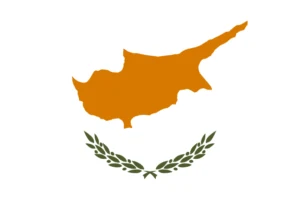
Capital: Nicosia (Lefkosia)
Currency: Euro (EUR)
Language: Greek and Turkish (official); English widely spoken
Population: Under 1 million in the government-controlled area (2021 census; check CYSTAT for current figures)
Time zone: EET (UTC+2); EEST (UTC+3) from late March to late October
Calling code: +357
Internet domain: .cy
Main airport: Larnaca International Airport (LCA)
📍 Cyprus Map
🖼️ Cyprus: Location, History, Culture & Food
✨ Complete Travel Guide
Safety Notice: We found no official advice against all travel to Cyprus, but regional tensions affected the area in 2026. The US State Department raised its Cyprus advisory to Level 3 in March 2026, and news reports say it returned to Level 1 on 1 June 2026, with extra caution advised for the Turkish Cypriot-administered north. The UK FCDO also reports regional tensions, a high wildfire risk from April to October, and limited consular help in the north. Advice changes, so check the US State Department and UK FCDO pages before you travel.
Where Is Cyprus Located?
Cyprus is an island country in the eastern Mediterranean Sea, south of Türkiye and close to the coasts of Syria and Lebanon. It is one of the largest islands in the Mediterranean and a member of the European Union. The Republic of Cyprus governs the southern part, while a UN-patrolled buffer zone separates it from the Turkish Cypriot-administered north.
Last checked: November 2026
The island covers about 9,250 square kilometres, which makes it roughly the third-largest in the Mediterranean after Sicily and Sardinia. Its position where Europe, Asia and Africa meet explains much of its long and layered history. Today most visitors arrive by air, and you can compare arrival options in our Cyprus flights guide.
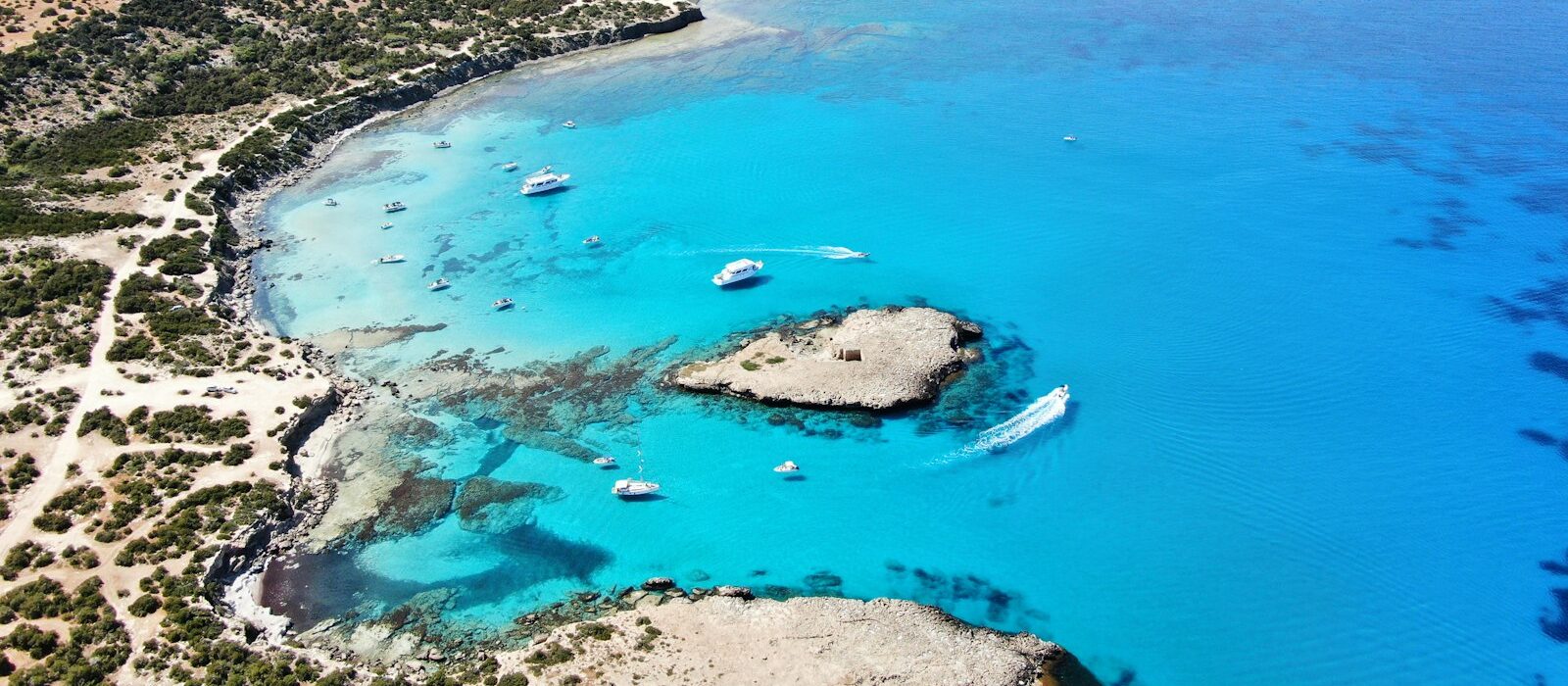
Two mountain ranges shape the landscape. The Troodos Mountains rise across the south-west and centre, with Mount Olympus reaching about 1,950 metres, while the narrow Kyrenia Range runs along the northern coast. Between them lies the wide, dry Mesaoria plain, where the capital, Nicosia, sits. The coastline alternates between sandy bays, rocky coves and sea cliffs, and wilder stretches include the Akamas Peninsula in the west and the Karpas Peninsula in the north-east.
The main towns of the Republic are Nicosia, Limassol, Larnaca and Paphos, each with its own character. The walled town of Famagusta and the harbour of Kyrenia lie in the north. Two British Sovereign Base Areas, at Akrotiri and Dhekelia, also occupy parts of the island. To decide where to spend your time, read our guide to the best places to visit in Cyprus.
Introduction to Cyprus
Cyprus is a Mediterranean island republic with a population of fewer than one million in the area it controls, and its capital is Nicosia. Greek and Turkish are the official languages, English is widely understood, and the currency is the euro. The island is known for beaches, ancient ruins, mountain villages and a sunny climate.
Last checked: November 2026
Cyprus gained independence from Britain in 1960 and joined the European Union in 2004. It adopted the euro in 2008. It is a presidential republic, although since 1974 the government has not controlled the northern third of the island, where Turkish Cypriot authorities run a separate administration that only Türkiye recognises.
Tourism is a major part of the economy, and the island suits very different travellers. Families and couples head to the resort coasts around Ayia Napa, Protaras, Limassol and Paphos. Walkers and history lovers prefer the Troodos villages, painted churches and archaeological sites, and food lovers come for village taverns and wine routes. Summers are hot and dry and winters are mild, so the right season depends on your plans, as explained in our guide to the best time to visit Cyprus.
Practical planning matters on an island with an unresolved political division. Entry rules depend on your nationality and can change, so read our Cyprus visa and entry guide before you book. Accommodation ranges from large resort hotels to small village guesthouses, covered in our Cyprus hotels guide. If you are short of time, our Cyprus itinerary ideas show how to combine the coast, the mountains and the cities.
History of Cyprus
Cyprus has been inhabited for more than 10,000 years and has been ruled by Mycenaean Greeks, Phoenicians, Persians, Romans, Byzantines, Franks, Venetians, Ottomans and the British. It became an independent republic in 1960. Conflict in 1974 left the island divided, a situation that remains unresolved today.
Last checked: November 2026
The earliest permanent settlements date to the Neolithic period. The village of Choirokoitia, now a UNESCO World Heritage Site, shows how people lived in round stone houses thousands of years before the pyramids. In the Bronze Age, the island became a major source of copper, and the name Cyprus is often linked to that metal. From around the second millennium BC, Greek-speaking settlers arrived, and city-kingdoms such as Salamis, Kition, Kourion and Paphos grew rich on trade across the sea.
Assyrians, Egyptians and Persians each held power in turn, and Alexander the Great’s successors, the Ptolemies, ruled until Rome took the island in 58 BC. Christianity arrived early, and the apostles Paul and Barnabas are traditionally linked with the island, which later became part of the Byzantine Empire. Its position made it a frequent target, and Richard the Lionheart captured it in 1191 on the Third Crusade. The Lusignan dynasty then ruled until 1489, leaving Gothic churches and castles that still stand in Nicosia, Famagusta and Kyrenia.
Venice took control in 1489 and built the great star-shaped walls around Nicosia, but the Ottomans conquered the island in 1571 after the siege of Famagusta. Ottoman rule lasted until 1878, when Britain assumed administration, and Cyprus became a British Crown colony in 1925. The Greek Cypriot majority and the Turkish Cypriot minority negotiated independence in 1960, but tension between the communities led to violence in the 1960s and to a UN peacekeeping force from 1964.
In July 1974, a coup in Nicosia and a Turkish military intervention followed, and the island was divided along a line patrolled by the UN. The north declared itself the Turkish Republic of Northern Cyprus in 1983, which only Türkiye recognises. The Republic of Cyprus joined the EU in 2004, and negotiations on reunification have continued without a settlement.
Culture and Traditions of Cyprus
Cypriot culture blends Greek and Turkish influences with Orthodox Christian faith, strong family ties and a deep tradition of hospitality. Village festivals, church feasts and long shared meals are central to everyday life, and local crafts such as Lefkara lace reflect centuries of Mediterranean exchange.
Last checked: November 2026
Most Greek Cypriots belong to the Greek Orthodox Church, and most Turkish Cypriots are Muslim. Small Maronite, Armenian and Latin communities add to the mix. Church feast days, known as panigiria, bring villages together for music, dancing and food, and Orthodox Easter is the most important holiday of the year, with midnight services, candles and family lunches.
One of the most distinctive celebrations is Kataklysmos, the Festival of the Flood, held around Pentecost. Families gather by the sea, especially in Larnaca, for water games, music and street food. Limassol is known for its carnival season before Lent and for wine festivals in late summer. Traditional music often features the violin and the laouto, a type of lute, and dances such as the syrtos and the tsifteteli are still performed at weddings and village events.
Craftsmanship remains part of village life. Lefkara lace and silverwork, from the village of Lefkara in the Larnaca district, is inscribed on UNESCO’s list of intangible cultural heritage. Potters, weavers, basket makers and icon painters keep older techniques alive, and Commandaria, a sweet wine produced in the Troodos foothills, is among the oldest named wines still made anywhere in the world.
Visitors will find Cypriots warm and talkative, and a visit to a village coffee shop, the kafeneio, is a good way to see everyday life. When entering churches and monasteries, cover your shoulders and knees and speak quietly. Lunch is often late, and shops in smaller towns may close in the afternoon during summer. Many village traditions are easiest to reach by car, and our Cyprus getting around guide explains the options.
Food and Cuisine of Cyprus
Cypriot cuisine is Mediterranean, built on grilled meats, fresh vegetables, olive oil, herbs and the island’s famous halloumi cheese. Meals are often shared as meze, a long series of small dishes. Greek, Turkish and Levantine influences meet here, and food is usually served slowly, generously and with plenty of conversation.
Last checked: November 2026
The best way to taste the island is to order a meze in a village tavern, where dishes keep arriving until you say stop. Fish tavernas on the coast serve grilled sea bream, sea bass and calamari, and bakeries sell cheese pies and sesame bread. Meals end with strong Cypriot coffee, served in small cups, and many visitors try zivania, a clear grape spirit, or Commandaria as an after-dinner drink.
These are some of the signature dishes to look for:
- Halloumi (hellim): a firm, brined cheese, usually grilled or fried, with protected status in the European Union.
- Meze: a sequence of dips, salads, grilled meats and seafood shared at the table.
- Souvlaki: charcoal-grilled pork or chicken skewers, often served in warm pita bread.
- Sheftalia: seasoned minced meat parcels, traditionally wrapped in caul fat and grilled.
- Kleftiko: lamb or goat cooked slowly in a sealed oven until it falls from the bone.
- Afelia: pork braised in red wine with crushed coriander seeds.
- Koupepia: vine leaves stuffed with rice, herbs and sometimes minced meat.
- Cypriot moussaka: layers of potato, aubergine, minced meat and béchamel sauce.
- Kolokasi: a winter stew of taro root, often cooked with pork or chicken and celery.
- Loukoumades: small fried dough balls served with honey syrup and cinnamon.
- Glyko tou koutaliou: spoon sweets of preserved fruit, nuts or blossoms, served with water.
Vegetarians can eat well on the island, because many meze dishes are based on pulses, vegetables, cheese and olives, and dishes prepared for Orthodox fasting periods contain no meat or dairy. Pork is very common in traditional cooking, so travellers who avoid it should ask about ingredients before ordering. Seasonal produce is a highlight, from spring wild greens to summer figs, grapes, citrus and carob products.
Explore Cyprus Travel Guides
Explore our detailed guides to plan every part of your Cyprus trip.
Cyprus: Best Places
Best places to visit in Cyprus, grouped by type: ancient sites, beaches, mountain villages, cities and food, with time needed and who...
View Guide ›Cyprus: Best Time to Visit
Best time to visit Cyprus: seasons, month-by-month weather, sea temperatures, festivals, holidays, peak and low seasons and what to pack.
View Guide ›Cyprus: Itineraries
Cyprus itinerary ideas for 3, 5, 7 and 10 days, with routes, overnight bases, main activities and practical tips for planning your...
View Guide ›Cyprus: Visa
Cyprus visa and entry guide: who can enter visa-free, who needs a visa, passport rules, border checks, stays over 90 days and...
View Guide ›Cyprus: Flights
Flights to Cyprus: Larnaca and Paphos airports, airlines, routes, arrival tips, time zone and a Before You Fly checklist for international travellers.
View Guide ›Cyprus: Getting Around
Getting around Cyprus: intercity and city buses, taxis, car rental, driving on the left, crossing to the north and a practical transport...
View Guide ›Cyprus: Hotels
Where to stay in Cyprus: best areas, accommodation by region and budget, family and halal-friendly tips, and practical hotel booking advice.
View Guide ›Explore Cyprus Tours
Discover guided tours and adventures in Cyprus. Compare itineraries, prices and traveller reviews on TourRadar before you book.
Guided tours & deals
Affiliate partner · Globe Navo may earn a commission from qualifying bookings at no extra cost to you.
❓ Cyprus FAQ
Where is Cyprus located?
Cyprus is an island in the eastern Mediterranean Sea, south of Türkiye and close to Syria and Lebanon. It is a member of the European Union, and a UN-patrolled buffer zone separates the Republic-controlled south from the Turkish Cypriot-administered north.
What is the capital of Cyprus?
The capital is Nicosia, known locally as Lefkosia. It sits on the central Mesaoria plain and is divided by the UN buffer zone, with the southern part under the Republic of Cyprus and the northern part under Turkish Cypriot administration.
What language and currency are used in Cyprus?
Greek and Turkish are the official languages, and English is widely understood in tourist areas. The Republic of Cyprus uses the euro, which it adopted in 2008. Carry some cash for small purchases in villages.
What is Cyprus famous for?
Cyprus is known for its beaches, ancient sites such as Paphos and Kourion, Troodos mountain villages with painted churches, halloumi cheese, Commandaria wine and the mythology of Aphrodite. Its mix of history and sunshine attracts visitors all year.
What are the traditional foods of Cyprus?
Traditional dishes include halloumi, meze, souvlaki, sheftalia, kleftiko, afelia, koupepia and loukoumades. Meals are often shared, and a village meze lets you taste many dishes in one sitting. Pork is common, so ask about ingredients if you avoid it.
Plan Your Trip to Cyprus
Your Next Adventure in Cyprus Awaits!
Explore Deals →🎁 Best deals for Cyprus
Offers from trusted travel stores for your Cyprus trip. Compare a few options before you book, and check each store's terms for the final price.
Browse by type: Hotel deals · Flight deals · Travel eSIM · Car rental
 SimOptionsFind the latest SimOption promo code and coupon code for travel eSIM data plans. See how to apply an offer at checkout, fix common code errors and stay connected abroad.
Get Coupon View Deal
 TourRadarTourRadar is an online marketplace for multi-day guided tours, small-group trips and tailor-made journeys offered by independent tour operators around the world.
Get Coupon View Deal
More destinations to explore
Dominican RepublicWhere Is Dominican Republic Located? The Dominican Republic is a Caribbean country that occupies…
 MoldovaDiscover Moldova, a landlocked Eastern European country of rolling vineyards, medieval monasteries, Orthodox traditions…
 DenmarkDenmark travel guide: where the country is, its history, culture and food.