 DenmarkDenmark travel guide: where the country is, its history, culture and food.
DESTINATION
Dominican Republic
📅 Last updated:
🌍 Quick Facts

Dominican Republic at a glance
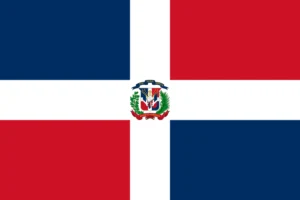
Capital: Santo Domingo
Currency: Dominican peso (DOP)
Language: Spanish
Population: About 11 million (approximate)
Time zone: AST (UTC-4), no daylight saving time
Calling code: +1 (area codes 809, 829, 849)
Internet domain: .do
Main airport: Punta Cana International Airport (PUJ) and Las Americas International Airport (SDQ)
Best time to visit: December to April
📍 Dominican Republic Map
🖼️ Dominican Republic: Location, History, Culture & Food
✨ Complete Travel Guide
Where Is Dominican Republic Located?
The Dominican Republic is a Caribbean country that occupies the eastern two-thirds of the island of Hispaniola, which it shares with Haiti. Its capital, Santo Domingo, lies on the south coast. The Atlantic Ocean borders the country to the north and the Caribbean Sea to the south.
Last checked: November 2026
Hispaniola is the second-largest island in the Caribbean after Cuba, and the Dominican Republic covers roughly 48,000 square kilometres of it. To the west it shares a land border with Haiti, while the Mona Passage to the east separates it from Puerto Rico. The country sits in the Atlantic hurricane belt, so its geography shapes both its scenery and its weather.
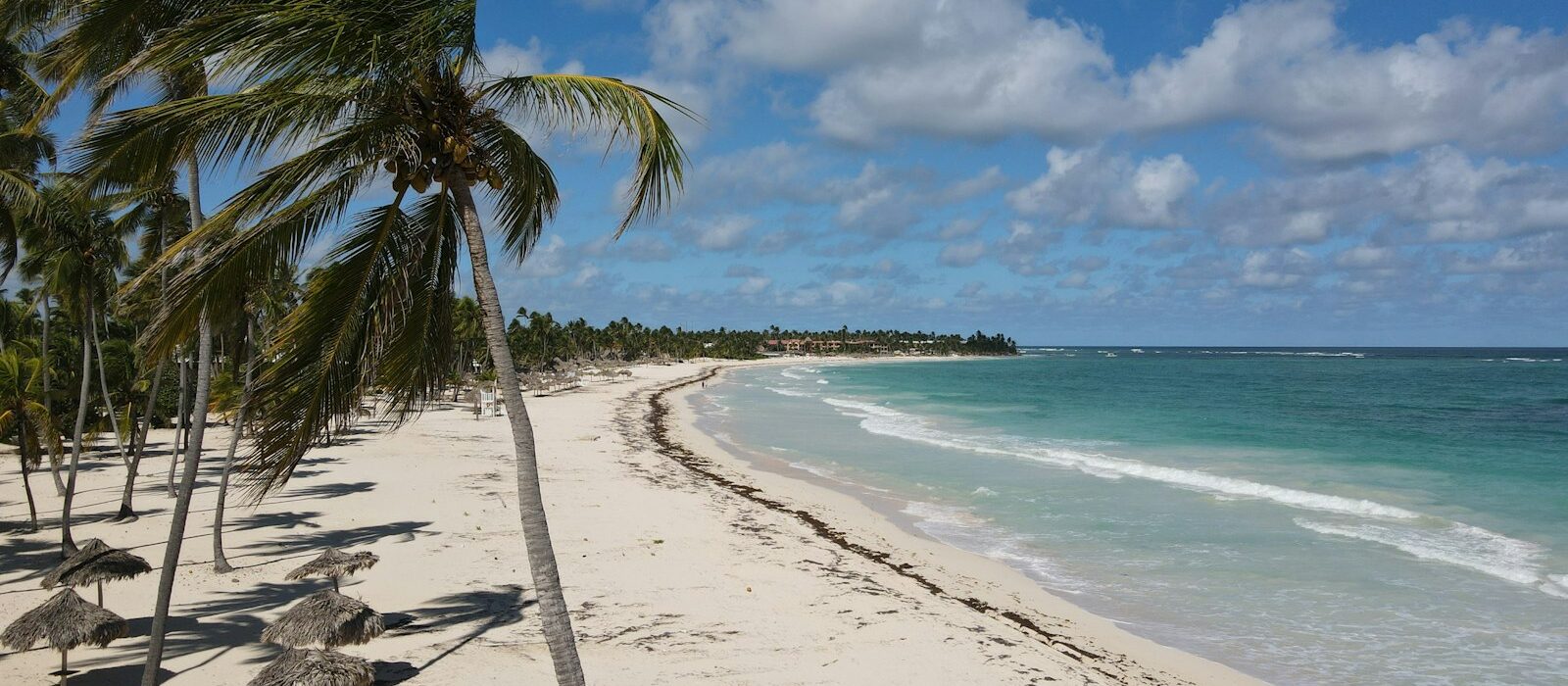
The landscape is far more varied than the beach-resort image suggests. The Cordillera Central rises inland and includes Pico Duarte, the highest peak in the Caribbean at about 3,098 metres. In the southwest, the salt lake of Lago Enriquillo lies below sea level and is among the lowest points in the Caribbean. Along the coast you will find the long beaches of the east around Punta Cana, the Samaná Peninsula in the north-east, and the Atlantic shoreline near Puerto Plata. Our guide to the best places in the Dominican Republic explains which regions suit which kind of traveller.
The country uses Atlantic Standard Time (UTC-4) all year and does not change its clocks for daylight saving. Most international visitors arrive by air, and our page on flights to the Dominican Republic covers the main airports and arrival basics. Once you are on the ground, the guide to getting around the Dominican Republic explains how people move between regions.
Introduction to Dominican Republic
The Dominican Republic is a Spanish-speaking Caribbean nation of roughly eleven million people, known for its beaches, colonial heritage, mountains and music. Santo Domingo is the political and cultural centre, while resort areas such as Punta Cana draw most international visitors. The official currency is the Dominican peso.
Last checked: November 2026
Tourism is one of the pillars of the national economy, and the country is among the most visited in the Caribbean. Visitors come for very different reasons: some want all-inclusive beach holidays, others want whale watching in Samaná, hiking in the central mountains, surfing and kitesurfing on the north coast, or walking through the oldest colonial streets in the Americas. Because the country is large and varied, it rewards travellers who plan their regions carefully rather than trying to see everything in one trip.
Spanish is the official language, and Dominican Spanish is fast, rhythmic and full of local expressions. English is commonly spoken in resort areas and tourist businesses, but a few Spanish phrases go a long way elsewhere. Dominicans are widely known for their hospitality, and greetings, small talk and family are a central part of daily life.
Before you travel, check the rules that apply to your nationality in our Dominican Republic visa guide. If you are deciding when to go, the best time to visit the Dominican Republic page compares seasons and regions. To turn ideas into a route, see our Dominican Republic itineraries, and for places to stay, browse the Dominican Republic hotels guide.
History of Dominican Republic
The island was home to the Taíno people before Christopher Columbus arrived in 1492. Santo Domingo, founded in 1496, became the first permanent European settlement in the Americas. The country declared independence from Haiti on 27 February 1844 and has been a republic ever since.
Last checked: November 2026
Spanish colonisation began soon after Columbus landed, and Santo Domingo became the base from which Spain expanded into the wider Americas. The Taíno population declined sharply under colonial rule, and enslaved Africans were later brought to the island. Their legacy, together with Taíno and Spanish influences, forms the foundation of modern Dominican identity. The Colonial City of Santo Domingo is a UNESCO World Heritage Site and preserves some of the earliest churches, fortifications and streets built by Europeans in the Americas.
The nineteenth century was turbulent. After a period of Haitian rule, independence was won in 1844, an achievement associated with the national hero Juan Pablo Duarte. The country returned briefly to Spanish control in 1861, and the Restoration War of the mid-1860s restored its sovereignty. In the twentieth century, the United States occupied the country from 1916 to 1924, and Rafael Trujillo ruled as a dictator from 1930 until his assassination in 1961. A civil conflict and foreign intervention followed in 1965, after which the country gradually moved towards regular multiparty elections.
Today the Dominican Republic is a democratic republic with one of the larger economies in the Caribbean. Many historic sites are easy to visit, and the best places guide highlights those worth building a trip around.
Culture and Traditions of Dominican Republic
Dominican culture blends Taíno, Spanish and African influences. Music and dance are central: merengue and bachata both originated here and are recognised by UNESCO as intangible cultural heritage. Baseball is the national passion, and most Dominicans are Roman Catholic, with religious festivals shaping the calendar.
Last checked: November 2026
Merengue is the national dance, with a fast two-step rhythm played on accordion, tambora drum and güira scraper. Bachata began in working-class neighbourhoods and has become one of the most popular Latin music styles worldwide. You can hear both live in bars, plazas and beach towns, and many hotels and dance schools offer lessons for beginners.
Carnival, held across the country in February and culminating around Independence Day on 27 February, is the biggest cultural celebration. It features elaborate costumes and masks that vary by town; the festivities in La Vega and Santiago are among the best known. Religious observances, especially Holy Week and the feast of Our Lady of Altagracia in January, are also widely marked. Dominicans also take baseball very seriously, and the country has produced a long line of Major League Baseball players, so catching a local game can be a memorable cultural experience.
Everyday customs are warm and sociable. People usually greet one another with a handshake or a kiss on the cheek, family gatherings are important, and Sunday meals are often long. Visitors are generally welcomed warmly, and modest dress away from the beach and polite greetings are appreciated in towns and churches.
Food and Cuisine of Dominican Republic
Dominican cuisine is hearty, home-style and built around rice, beans, plantains, root vegetables and slow-cooked meat or fish. The classic everyday meal is La Bandera, made of white rice, red beans and stewed meat. Flavours are savoury and seasoned rather than very spicy.
Last checked: November 2026
The food reflects the same mix as the culture: Taíno staples such as cassava, Spanish techniques, and African-influenced one-pot cooking. Lunch is traditionally the main meal, and many local restaurants serve a set plate of rice, beans, a side and a protein. Coastal areas add plenty of fresh fish and seafood, often cooked in coconut sauce.
Signature dishes worth looking for include:
- La Bandera – rice, red beans and stewed meat, the national everyday plate.
- Sancocho – a thick stew of several meats and root vegetables, often served on special occasions.
- Mangú – mashed green plantain, usually eaten at breakfast with fried onions, eggs, cheese or salami.
- Mofongo – fried plantain mashed with garlic and pork cracklings.
- Chivo guisado – slow-stewed goat.
- Pescado con coco – fish cooked in coconut sauce, popular on the north coast.
- Tostones – twice-fried green plantain slices.
- Pastelón de plátano – a layered sweet-plantain and meat casserole.
- Moro de guandules – rice cooked with pigeon peas.
- Quipe – fried bulgur-and-meat croquettes, a Lebanese-influenced street snack.
For dessert and drinks, try habichuelas con dulce, a sweet bean dessert traditionally made around Lent, and fresh tropical juices. Local beer, rum and the herbal spirit mamajuana are popular, though travellers who avoid alcohol will find plenty of fruit-based alternatives. Many travellers plan meals around the places they visit, so our Dominican Republic itinerary guide is a good starting point for building food stops into your route.
Explore Dominican Republic Travel Guides
Explore our detailed guides to plan every part of your Dominican Republic trip.
Dominican Republic: Best Places
View Guide ›Dominican Republic: Best Time to Visit
View Guide ›Dominican Republic: Itineraries
View Guide ›Dominican Republic: Visa
View Guide ›Dominican Republic: Flights
View Guide ›Dominican Republic: Getting Around the
View Guide ›Dominican Republic: Hotels
View Guide ›Explore Dominican Republic Tours
Discover guided tours and adventures in Dominican Republic. Compare itineraries, prices and traveller reviews on TourRadar before you book.
Guided tours & deals
Affiliate partner · Globe Navo may earn a commission from qualifying bookings at no extra cost to you.
❓ Dominican Republic FAQ
Where is the Dominican Republic located?
The Dominican Republic occupies the eastern two-thirds of the Caribbean island of Hispaniola, which it shares with Haiti. The Atlantic Ocean lies to the north and the Caribbean Sea to the south, and the capital, Santo Domingo, is on the south coast.
What language is spoken in the Dominican Republic?
Spanish is the official language and is spoken everywhere. English is commonly used in resorts and tourist businesses, but it is less common elsewhere, so a few basic Spanish phrases are useful and appreciated when you travel outside the main tourist areas.
What currency does the Dominican Republic use?
The official currency is the Dominican peso (DOP). Many tourist businesses also quote prices in US dollars, but you will usually get a better deal paying in pesos. Check current exchange rates and carry some small notes for local shops and transport.
What is Dominican food like?
Dominican food is hearty and home-style, built around rice, beans, plantains, root vegetables and stewed meat or fish. Typical dishes include La Bandera, sancocho, mangu and mofongo. Flavours are savoury and seasoned rather than very spicy, and coastal areas serve fresh seafood.
What music is the Dominican Republic known for?
The country is the birthplace of merengue and bachata, both recognised by UNESCO as intangible cultural heritage. You can hear them live in bars, plazas and beach towns, and many hotels and dance schools offer lessons for beginners who want to try.
Plan Your Trip to Dominican Republic
Your Next Adventure in Dominican Republic Awaits!
Explore Deals →🎁 Best deals for Dominican Republic
Offers from trusted travel stores for your Dominican Republic trip. Compare a few options before you book, and check each store's terms for the final price.
Browse by type: Hotel deals · Flight deals · Travel eSIM · Car rental
 SimOptionsFind the latest SimOption promo code and coupon code for travel eSIM data plans. See how to apply an offer at checkout, fix common code errors and stay connected abroad.
Get Coupon View Deal
 TourRadarTourRadar is an online marketplace for multi-day guided tours, small-group trips and tailor-made journeys offered by independent tour operators around the world.
Get Coupon View Deal
More destinations to explore
DenmarkDenmark travel guide: where the country is, its history, culture and food.
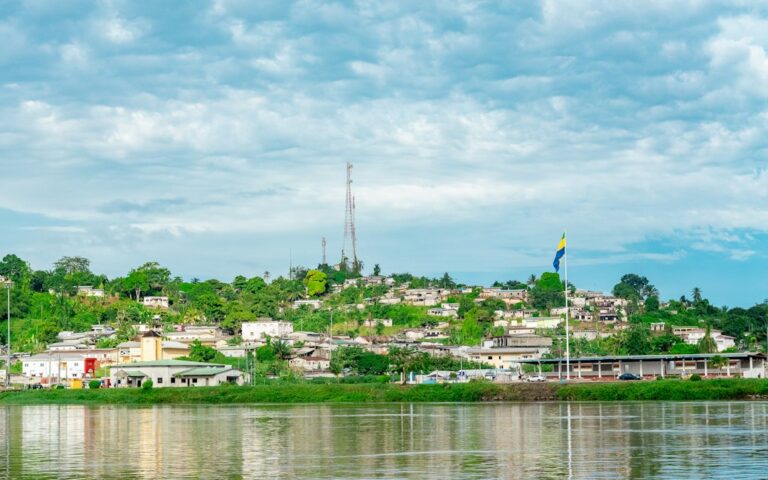 GabonGabon is a rainforest and Atlantic-coast country in Central Africa. Learn where it is,…
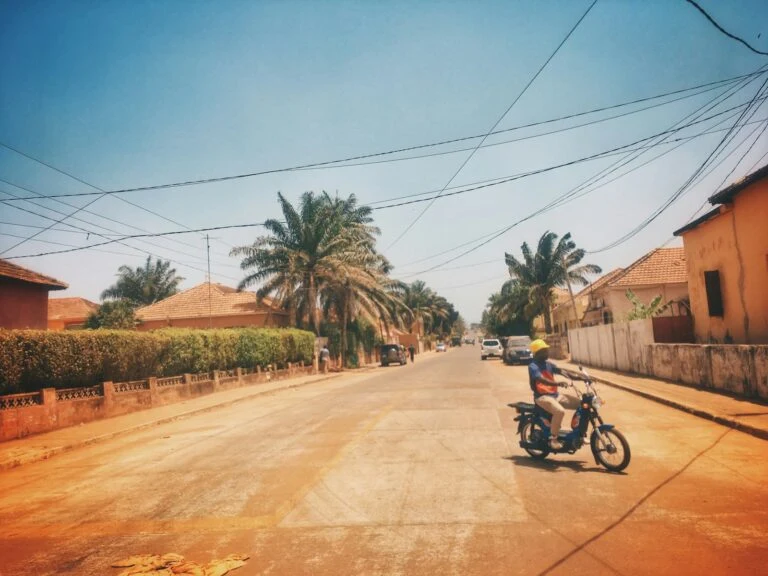 Guinea-BissauDiscover Guinea-Bissau: where this small West African country sits on the Atlantic coast, plus…