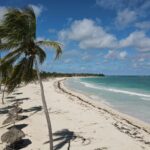
The Dominican Republic has a tropical climate, so you can travel at almost any time of year, but conditions differ by season and region. This guide explains the main seasons, month-by-month patterns, regional differences and what to pack. For where to go, see our best places guide, and for the country background, the Dominican Republic overview.
Quick Answer: When Is the Best Time to Go?
For most travellers, the drier months from roughly December to April offer the most settled weather for beaches and sightseeing. May to November is hotter, wetter and falls within the Atlantic hurricane season, but it is also quieter and often cheaper. The best month depends on your region and travel style.
Last checked: November 2026
The patterns below are general guidance based on the country’s typical climate, not forecasts. Weather varies from year to year, so check current forecasts from the national meteorological office and your home country’s travel advice shortly before departure.
Seasons at a Glance
Dry season (roughly December to April)
This is the most popular period. Days are warm and generally sunny, humidity is more bearable, and sea conditions are good for most activities. It is also peak season for hotels, so rooms and flights are more expensive and busier, particularly around Christmas, New Year and Easter. Humpback whales visit Samaná Bay in the early part of the year, which makes January to March a highlight for wildlife lovers.
Wet and hot season (roughly May to November)
Expect higher humidity, afternoon showers and hotter days. Rain is often short and heavy rather than all-day, and many travellers still have good beach days. This period overlaps with the Atlantic hurricane season, which officially runs from 1 June to 30 November, with activity usually most likely in the later part of that window. You should buy flexible bookings and travel insurance, and follow official weather warnings.
Shoulder periods
Late April to June and November to early December can offer a balance of fewer crowds and lower prices, though conditions are less predictable. Many travellers like this window for city sightseeing and cultural trips.
Month-by-Month Overview
- January–February: dry, pleasant and busy; whale watching in Samaná; Carnival builds up in February.
- March–April: warm and mostly dry; Holy Week is a very busy domestic holiday period.
- May–June: getting hotter and wetter; lower crowds; hurricane season begins on 1 June.
- July–August: hot and humid; school holidays bring many family and diaspora visitors.
- September–October: often the most weather-risky months for tropical storms; best for flexible, budget-minded travellers.
- November: storms become less likely later in the month and the high season starts to return.
- December: dry-season conditions return and festive demand is strong, so book early.
Regional Climate Differences
The country’s mountains and its position relative to prevailing winds create clear regional differences. The north coast, including Puerto Plata and Samaná, generally receives more rain, especially in the cooler months. The south and southwest are typically drier, with desert-like areas around Lago Enriquillo. The east, including Punta Cana, is popular because of its beach conditions for much of the year. In the central mountains around Jarabacoa and Constanza, temperatures are noticeably cooler, and nights can be cold in winter.
Coastal areas are generally hot all year, so the practical difference between seasons is mostly rain, humidity and storm risk rather than big temperature swings. We have not listed precise rainfall or temperature figures here because we have not verified them against official data for this draft; consult the national meteorological office for averages.
Festivals and Public Holidays
Major national dates include New Year’s Day, Our Lady of Altagracia on 21 January, Independence Day on 27 February, Good Friday, Restoration Day on 16 August, Our Lady of Mercedes on 24 September, Constitution Day on 6 November and Christmas Day. Some holidays are moved to a nearby Monday, so confirm dates for your trip year. Carnival takes place in February across the country, and Holy Week brings heavy domestic travel to beaches and rivers. Ramadan does not significantly affect travel in the Dominican Republic, since the country is predominantly Christian, though school holidays in July and August and Christmas can increase demand.
Best Time for Different Travel Styles
- Beach holidays: December to April for the most settled weather.
- Whale watching: typically the early months of the year in Samaná Bay.
- Hiking and mountains: the drier months, with warm layers for cool nights.
- Budget travel: the wetter months, balanced against storm risk.
- Culture and festivals: February for Carnival, or Holy Week for local atmosphere.
What to Pack
Pack light, breathable clothing, swimwear, sun protection, insect repellent and comfortable walking shoes. Add a light rain jacket for the wetter months and a warm layer if you plan to visit the mountains. A reusable water bottle and a small dry bag are helpful on boat trips. Our itinerary guide and getting around guide can help you decide what else to bring.
Planning Around the Season
Book flights and hotels early for the dry season. In hurricane season, choose flexible rates and read cancellation terms carefully; see the hotels guide and the flights guide. Also review the entry rules in the visa guide.
Official Resources
- U.S. National Hurricane Center
- ONAMET: Dominican national meteorological office
- U.S. State Department: Dominican Republic travel advisory
Frequently Asked Questions
What is the best month to visit the Dominican Republic?
For dry, sunny weather, many travellers choose between January and April. February and March are especially popular but busy and more expensive. If you prefer fewer crowds and lower prices, consider late April, May or November, accepting less predictable conditions.
When is hurricane season?
The Atlantic hurricane season runs from 1 June to 30 November. Most severe storms usually affect the region in the later part of that period. Travel is still possible, but you should buy flexible bookings, insurance and monitor official forecasts.
Is it too hot to visit in summer?
Summer is hot and humid, with afternoon showers. Many visitors manage well by planning outdoor activities for the morning, using shade and air conditioning, and drinking plenty of water. Beaches remain popular, though crowds and prices can be affected by school holidays.
When can I see humpback whales?
Whale watching in Samaná Bay is typically offered in the early months of the year, roughly January to March. Exact dates vary by season and operator, so confirm availability and choose licensed operators that follow local rules.