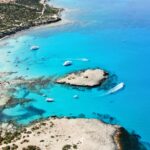
Cyprus is small enough to explore in a week, yet it packs in Roman mosaics, Byzantine churches, mountain villages, wild peninsulas and some of the warmest sea in the Mediterranean. This guide groups the island’s most worthwhile places by type and explains why each is worth a visit, how long to allow and who it suits. Time estimates are our own planning suggestions rather than official figures, and we do not claim that any place is officially the best.
Quick Answer: Where Should You Go in Cyprus?
For a first visit, most travellers combine Paphos for ancient mosaics and coast, the Troodos Mountains for painted churches and villages, and Nicosia for the old town. Beach lovers add Ayia Napa or Protaras, and nature lovers add the Akamas Peninsula. Choose a base by your interests, not by distance alone.
Last checked: November 2026
Historic Places
Paphos Archaeological Park and Tombs of the Kings
Paphos is a UNESCO World Heritage Site and one of the island’s richest historic areas. Visitors come for the Roman-era floor mosaics, the remains of villas and the monumental rock-cut tombs near the coast. Allow half a day for the main archaeological park and a couple of hours for the tombs. It suits history lovers and families with older children, and summer visits are best early in the morning.
Kourion
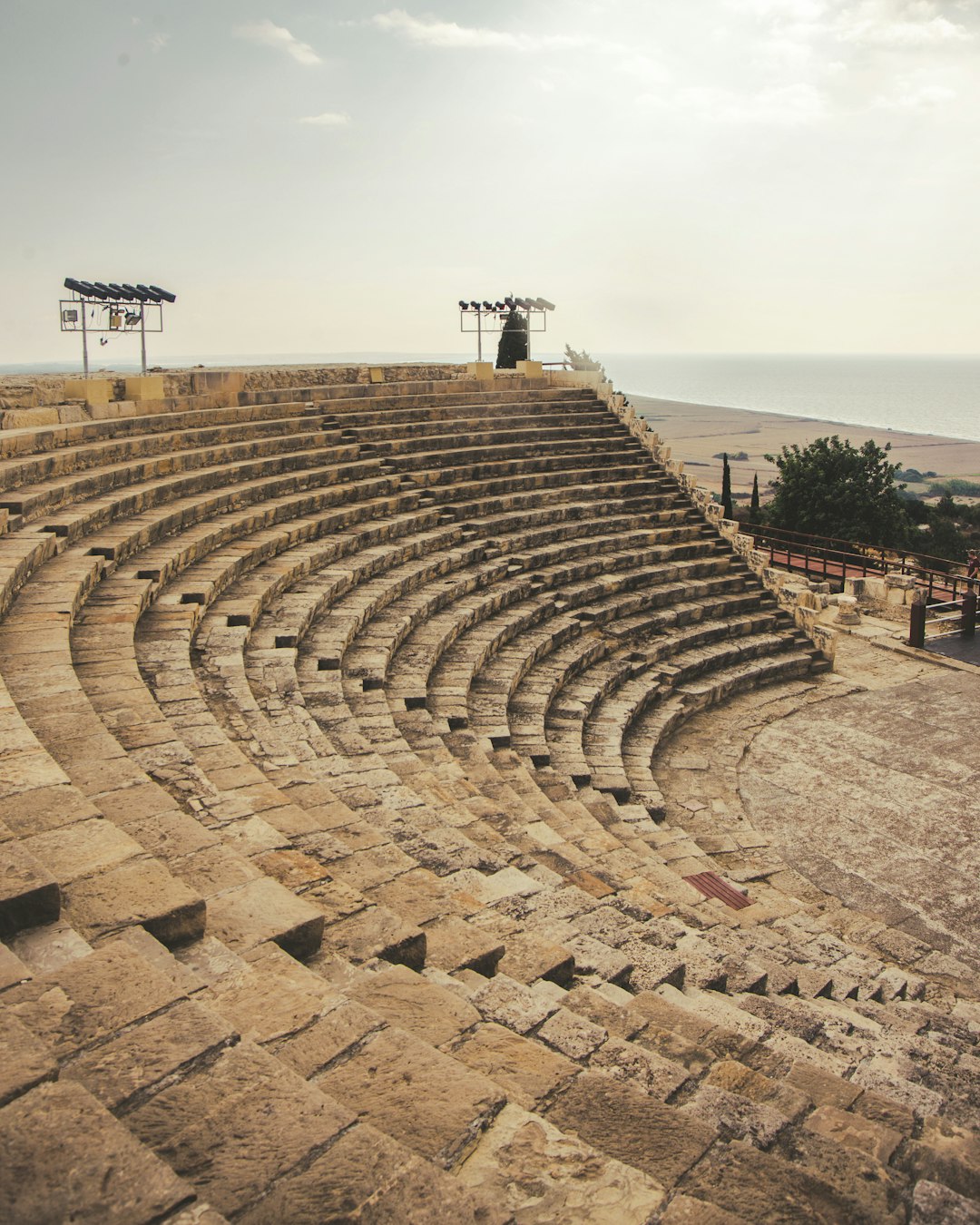
Kourion sits on a cliff above the sea west of Limassol. It has a Greco-Roman theatre, mosaics and views over the coast. Allow two to three hours. It suits anyone who wants an ancient site with a strong sense of place, and it combines well with a Limassol or Paphos base.
Choirokoitia
This UNESCO-listed Neolithic settlement shows round stone dwellings from thousands of years ago, set on a hillside inland between Limassol and Larnaca. Allow about one to two hours. It is best for curious travellers who enjoy early history and works well as a stop between two coastal bases.
Mountains, Villages and Monasteries
Troodos Painted Churches
A group of small Byzantine and post-Byzantine churches in the Troodos Mountains is inscribed by UNESCO for its wall paintings. They are scattered among pine forests and villages, so allow a full day, preferably with a car. Opening arrangements for individual churches can change, so check before you set out. This area suits culture lovers and drivers who enjoy winding mountain roads.
Omodos and Wine Villages
Omodos is a stone village with a monastery, narrow lanes and family wineries, in the wine region above Limassol. Allow half a day. It suits couples and food lovers, and it is a good place to try Commandaria, the island’s sweet wine.
Lefkara
Lefkara is known for lace and silverwork, and UNESCO has recognised the lace tradition as intangible cultural heritage. The village is easy to reach from Larnaca, and two to three hours is enough. It suits travellers who want crafts and a calm village visit, but expect souvenir shops and tour groups in the middle of the day.
Kykkos Monastery
Kykkos is one of the most important Orthodox monasteries on the island and has richly decorated interiors. Allow one to two hours. Dress modestly, covering shoulders and knees, and treat it as a place of worship rather than only a sight.
Natural Attractions and Outdoor Experiences
Akamas Peninsula
The Akamas Peninsula, in the far west, is one of the island’s wildest areas, with coastal trails, gorges and quiet beaches. Allow a full day, and wear proper footwear and carry water because there is little shade. It suits walkers, nature lovers and confident drivers. Dirt tracks can be rough, so check your rental car’s rules before leaving paved roads.
Troodos Trails and Mount Olympus
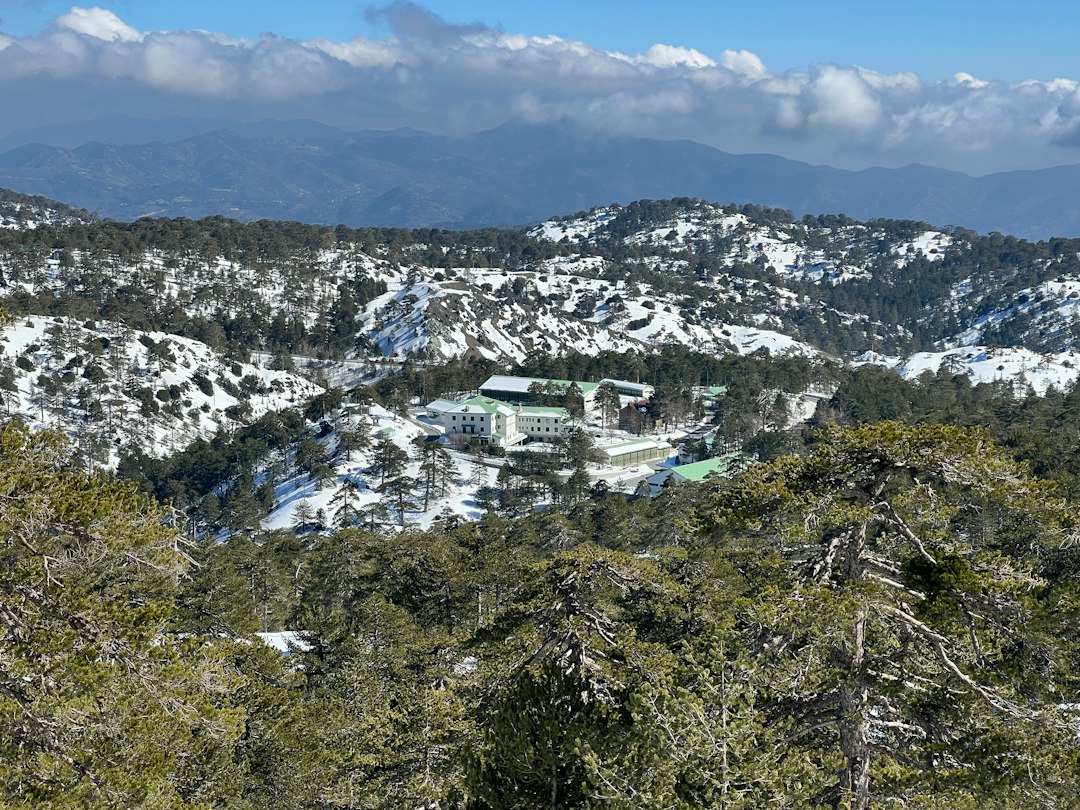
The pine forests around Mount Olympus offer shady walks, particularly in summer when the coast is hot. Allow a half day to a full day. In winter, conditions in the mountains can be cold, so check the weather before you go.
Larnaca Salt Lake
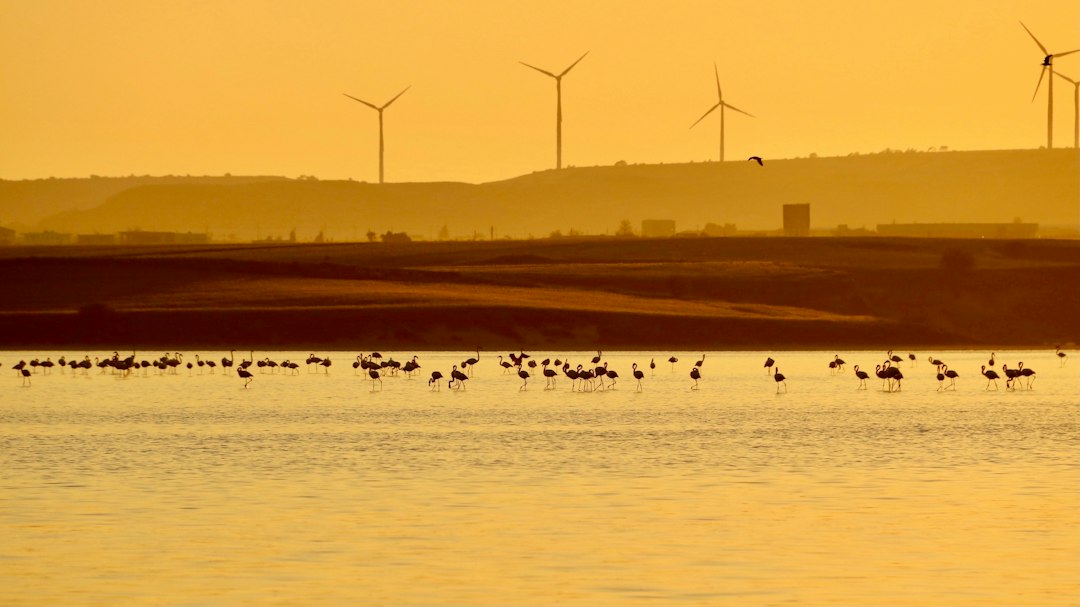
This seasonal salt lake near Larnaca Airport attracts birds, including flamingos at certain times of year, and has a nearby mosque and shrine complex. Allow one to two hours. It suits birdwatchers and travellers on a short stopover.
Petra tou Romiou (Aphrodite’s Rock)
Legend places the birth of Aphrodite at this sea stack on the Paphos coast. Allow thirty to sixty minutes. It is a classic roadside stop between Limassol and Paphos, and it is busiest around sunset.
Beaches and Coastal Destinations
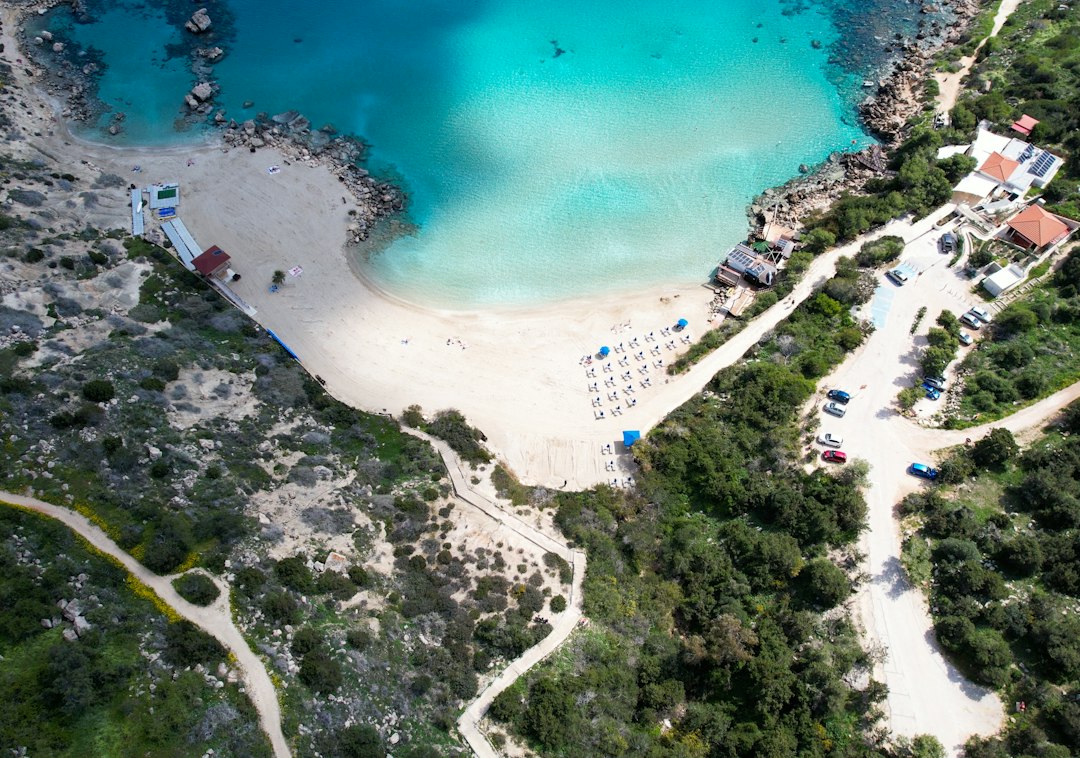
Ayia Napa and Protaras, on the south-east coast, have some of the island’s best-known sandy beaches, including Nissi Beach and Fig Tree Bay, and a lively resort atmosphere in summer. Cape Greco, between them, has sea caves and coastal paths. Allow a day or more. Families and groups of friends often prefer this area, while quieter beaches are easier to find outside July and August. Water quality, services and lifeguard cover differ by beach, so check local information before you swim.
Major Cities
Nicosia (Lefkosia)
The capital is the last divided capital in Europe, with Venetian walls, museums, cafés and a pedestrian crossing point between the two sides. Allow a full day. It suits travellers interested in history, politics and everyday city life. If you cross to the north, use official checkpoints and carry your passport.
Limassol
Limassol combines a restored old port, a medieval castle, a long seafront and a modern marina district. Allow a day. It suits travellers who want restaurants, nightlife and easy day trips to the villages and Kourion.
Larnaca
Larnaca has a palm-lined seafront, the Church of Saint Lazarus and easy access from the airport. Allow half a day to a full day. It suits short stays, families and travellers who want a relaxed base.
Paphos
Paphos pairs a harbour town with extensive archaeology. It suits couples and history lovers, and it makes a good base for the Akamas Peninsula and the western villages.
The North: Famagusta, Salamis and Kyrenia
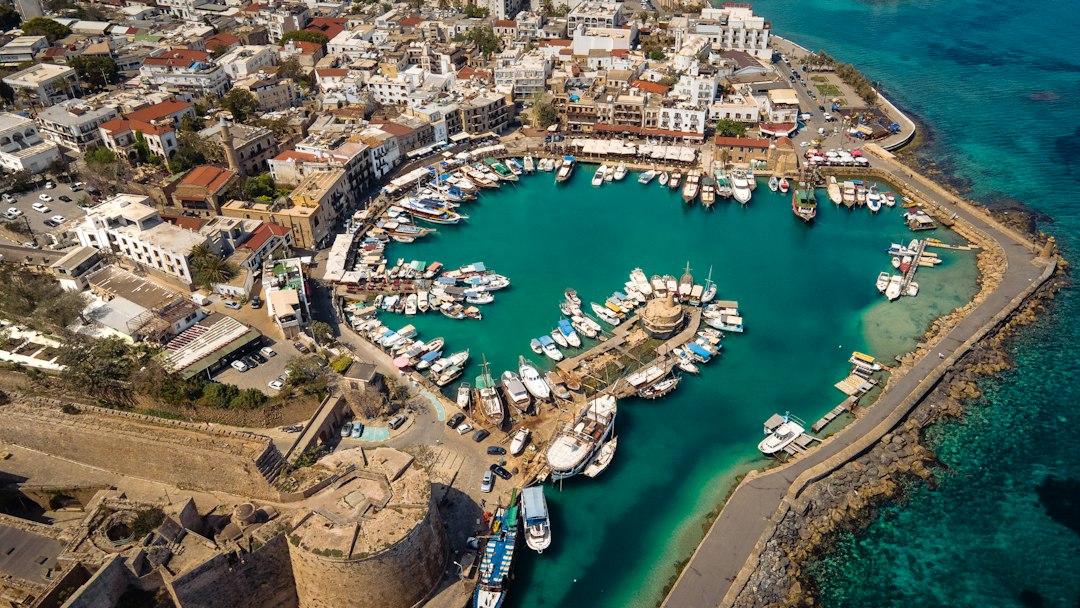
The Turkish Cypriot-administered north includes the old city of Famagusta, the ancient site of Salamis and the harbour town of Kyrenia. Foreign visitors can cross at recognised checkpoints, but entry and exit rules, insurance and consular help differ from the south. The US State Department notes that its embassy has limited ability to help in this area, so read our Cyprus visa and entry guide before you cross.
Food Destinations
For food, look to village tavernas in the Troodos foothills, fish restaurants along the coast and the old town of Nicosia. Wine villages around Limassol give a taste of local grapes, and halloumi is made across the island. Booking is rarely needed for a village lunch, but popular restaurants in resort areas fill up in summer.
Cyprus Best Places FAQs
What is the best place to stay in Cyprus for a first visit?
Paphos and Limassol suit first-time visitors who want history, beaches and good restaurants, while Larnaca is convenient for short stays near the airport. Ayia Napa and Protaras fit beach holidays. The best base depends on your interests and the season you travel.
How many days do you need in Cyprus?
Five to seven days is enough for a first visit that mixes the coast, the Troodos Mountains and one or two cities. A weekend can cover Larnaca or Paphos, and longer stays allow slower village travel and day trips to the north.
Which UNESCO sites can you visit in Cyprus?
In the area controlled by the Republic, the three World Heritage Sites are Paphos, the Painted Churches in the Troodos Region and Choirokoitia. Check opening times and any conservation closures with the official tourism portal before travelling.
Is Cyprus good for a beach holiday?
Yes. Cyprus has a long swimming season and many sandy bays, especially around Ayia Napa, Protaras, Limassol and Paphos. Beaches are busiest in July and August, and spring and autumn are quieter, though sea temperatures vary by month.