 DominicaDiscover Dominica, the Nature Isle of the Eastern Caribbean: its location, history, Creole culture…
DESTINATION
Chile
Chile country guide covering where the country is, its people, history, culture and food, from the Atacama Desert to Patagonia and Easter Island.
📅 Last updated:
🌍 Quick Facts

Chile at a glance
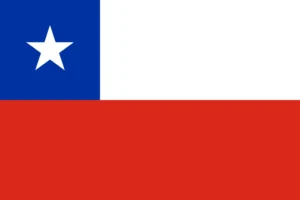
Capital: Santiago
Currency: Chilean Peso (CLP)
Language: Spanish
Population: About 18.5 million (2024 census, INE: 18,480,432 counted)
Time zone: Mainland UTC-4 (UTC-3 in summer); Aysen and Magallanes UTC-3 all year; Easter Island UTC-6 (UTC-5 in summer)
Calling code: +56
Internet domain: .cl
Main airport: Santiago Arturo Merino Benitez International Airport (SCL)
📍 Chile Map
🖼️ Chile: Location, History, Culture & Food
✨ Complete Travel Guide
Where Is Chile Located?
Chile is a long, narrow country on the Pacific coast of South America, between the Andes mountains and the ocean. It borders Peru to the north, Bolivia to the northeast and Argentina to the east, and stretches about 4,300 kilometres from the Atacama Desert in the north to Tierra del Fuego in the far south.
Last checked: November 2026
Chile averages only about 175 kilometres from east to west, yet it covers roughly 756,000 square kilometres in total. Its eastern wall is the Andes, which form the long border with Argentina and rise to Ojos del Salado, at 6,893 metres the highest volcano in the world. To the west lies the Pacific Ocean, along a coastline of more than 6,000 kilometres.
The country changes dramatically from north to south. The north holds the Atacama Desert, one of the driest places on Earth, with salt flats, geysers and copper mines. Central Chile has a Mediterranean climate and is home to Santiago, the capital, the port city of Valparaíso and many of the country’s vineyards. Further south come lakes, volcanoes and temperate forests, followed by the fjords, glaciers and windswept steppe of Patagonia.
Chile also reaches far into the ocean. Easter Island, known as Rapa Nui, lies about 3,500 kilometres west of the mainland, and the Juan Fernández Islands sit in the Pacific off the central coast. Chile claims a sector of Antarctica, although the Antarctic Treaty freezes all territorial claims on the continent. The country lies on the Pacific Ring of Fire, so earthquakes and volcanic activity are part of life, and the 1960 Valdivia earthquake remains the strongest ever recorded. Because distances are so large, it helps to read our guides to flights to Chile and getting around Chile before you choose a route.
Introduction to Chile
Chile is a presidential republic with its capital in Santiago, Spanish as its official language and the peso as its currency. Its 2024 census counted about 18.5 million people, mostly in the central regions, in a country that stretches from desert to glacier.
Last checked: November 2026
Most Chileans live in cities, and the Santiago Metropolitan Region is the most populous part of the country. Valparaíso, Concepción, La Serena and Antofagasta anchor other regions. The seat of Congress is in Valparaíso, so national government is split between two cities.
Chile joined the OECD in 2010, and copper remains central to the economy, as Chile is the world’s largest copper producer. Wine, fruit, salmon and forestry products are also major exports. Foreign residents made up 8.8 percent of the people counted in the 2024 census, a sharp rise from 2017.
Indigenous peoples, above all the Mapuche, remain an important part of national identity. Chile also has several UNESCO World Heritage Sites, including Rapa Nui National Park, the historic quarter of Valparaíso and the wooden churches of Chiloé. For travellers, this mix of dramatic scenery, living traditions and well-developed cities is the main appeal, and our Chile visa guide and guide to hotels in Chile are good places to start planning.
History of Chile
Chile’s history stretches from early Indigenous societies, including the Chinchorro, Mapuche and Rapa Nui, through Spanish colonial rule from the 16th century to independence in 1818. A military dictatorship ruled from 1973 to 1990, and the return to democracy since then shapes modern Chile.
Last checked: November 2026
People have lived along the Chilean coast for thousands of years. The Chinchorro of the northern desert practised artificial mummification, and later peoples such as the Aymara, Diaguita and Mapuche built distinct cultures, while Polynesian settlers reached Rapa Nui. The Inca expanded into northern and central Chile in the 15th century but met strong resistance from the Mapuche in the south.
Spanish expeditions arrived in the 1530s, and Pedro de Valdivia founded Santiago in 1541. Chile became a distant, thinly settled colony, and the Mapuche resisted Spanish rule for generations in the Arauco War. A first national government council formed in 1810, and independence was formally declared in 1818 after victories led by Bernardo O’Higgins and José de San Martín.
The 19th century brought growth and territorial expansion. In the War of the Pacific, from 1879 to 1884, Chile defeated Peru and Bolivia and gained the nitrate-rich north, leaving Bolivia without a coastline. Chile also annexed Rapa Nui in 1888, and the state extended its control into Mapuche lands in the Araucanía during the same period.
In 1973 a military coup ended the government of President Salvador Allende, and General Augusto Pinochet led the country until 1990. Thousands of people were killed, disappeared or tortured, and the Museum of Memory and Human Rights in Santiago documents this period. Democracy returned after a 1988 plebiscite, and in recent years Chileans have debated a new constitution, with proposals rejected in referendums in 2022 and 2023. Many of the places mentioned here appear in our guide to the best places to visit in Chile.
Culture and Traditions of Chile
Chilean culture blends Spanish colonial heritage with Indigenous traditions, rural huaso life and a strong literary tradition. Catholic holidays, the national dance cueca, Mapuche and Rapa Nui heritage and the September independence celebrations are among the most visible expressions of national identity, and social life centres on family and shared meals.
Last checked: November 2026
The huaso, or horseman of the central valley, is a national symbol, known for his flat-brimmed hat, poncho and long rodeo tradition. Chilean rodeo is recognised as the national sport, and the cueca, a handkerchief-waving courtship dance, is the national dance. Both feature prominently during Fiestas Patrias on 18 and 19 September, when families gather in temporary fondas and ramadas for music, dancing and barbecue.
Chile has produced two Nobel Prize winners in literature, Gabriela Mistral in 1945 and Pablo Neruda in 1971. Neruda’s houses in Valparaíso, Isla Negra and Santiago are now museums. Indigenous cultures continue through Mapuche textiles, silverwork and the Mapudungun language, and on Rapa Nui through carving, dance and the annual Tapati festival.
Everyday customs are friendly and a little formal at first. People greet with a handshake or, between friends and between women and men, a single kiss on the right cheek. Many Chileans enjoy a light evening meal called once, which means eleven and has become a social ritual of tea, bread and spreads. Chilean Spanish is fast and full of local slang, so even confident Spanish speakers may need time to adjust, and a tip of about 10 percent is customary in restaurants. Festivals and holidays shape travel plans, so see the best time to visit Chile before you book.
Food and Cuisine of Chile
Chilean cuisine combines Pacific seafood, central-valley produce, corn, potatoes, beef and Mapuche ingredients with Spanish cooking techniques. Signature dishes include empanadas de pino, pastel de choclo, cazuela and curanto, and meals are often paired with Chilean wine or a pisco sour.
Last checked: November 2026
Coastal and island cooking relies on shellfish, conger eel and fish, while the interior favours corn, beans, beef and hearty soups. Avocado, called palta, appears on much of the country’s bread and sandwiches. Merkén, a smoked chilli seasoning from Mapuche cooking, adds gentle heat to many dishes.
These twelve dishes are a good starting point for a first visit:
- Empanada de pino: a baked pastry filled with minced beef, onion, olive, raisin and boiled egg.
- Pastel de choclo: a baked casserole of meat filling under a sweet corn crust.
- Cazuela: a hearty soup of beef or chicken with potato, pumpkin and corn on the cob.
- Curanto: the Chiloé feast of shellfish, meat, potatoes and bread, traditionally cooked in an earth pit.
- Caldillo de congrio: conger eel soup, praised in a famous Neruda ode.
- Porotos granados: a summer stew of fresh beans, corn and pumpkin.
- Humitas: fresh corn paste steamed in corn husks.
- Machas a la parmesana: razor clams baked with cheese.
- Completo: a hot dog loaded with tomato, avocado and mayonnaise.
- Chorrillana: chips topped with beef, fried egg and onions, popular in Valparaíso.
- Sopaipillas pasadas: fried pumpkin dough served in sweet chancaca syrup.
- Mote con huesillo: a cold summer drink of dried peach and husked wheat.
Chile is also a major wine producer, with well-known valleys such as Maipo, Colchagua and Casablanca. The Carménère grape, long mistaken for Merlot, was identified in Chilean vineyards in the 1990s and is now a national signature. Pisco, a grape brandy used in the pisco sour, is made in northern Chile, and both Chile and Peru claim it as a national drink. To taste these dishes along a route, see our Chile itinerary ideas.
Explore Chile Travel Guides
Explore our detailed guides to plan every part of your Chile trip.
Chile: Best Places
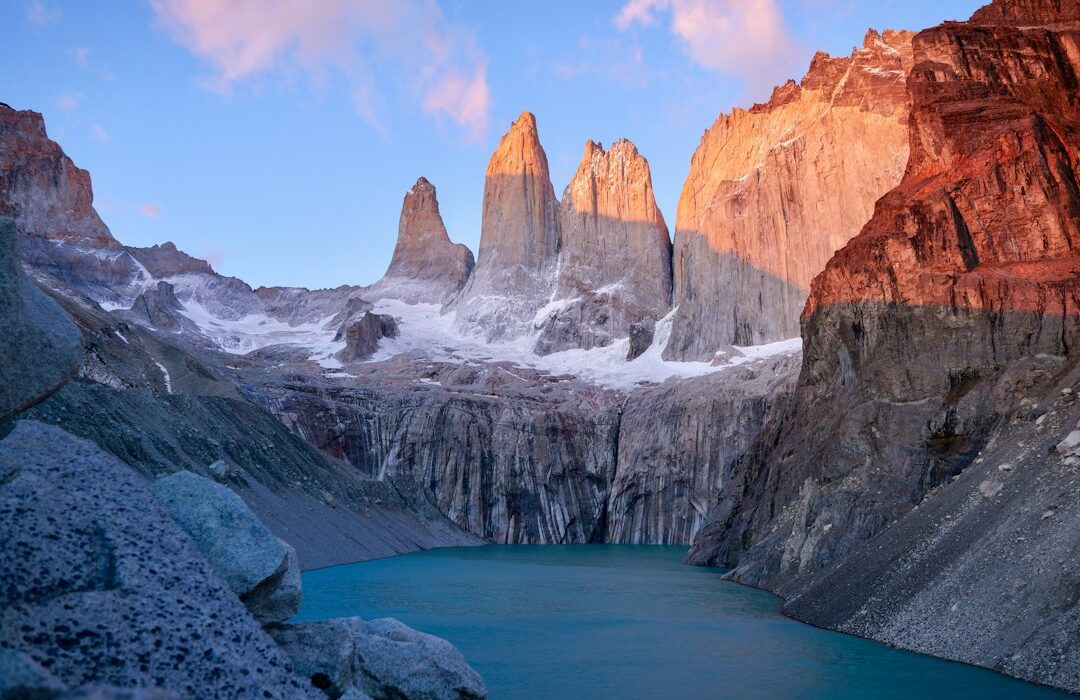
The best places to visit in Chile, from Santiago and Valparaiso to the Atacama, Easter Island, the Lake District, Chiloe and Torres...
View Guide ›Chile: Best Time to Visit
When to visit Chile: seasons by region, month-by-month planning, festivals, peak and low seasons, packing advice and the best months for different...
View Guide ›Chile: Hotels
Where to stay in Chile: best areas in Santiago, Valparaiso, the Atacama, the Lake District and Patagonia, plus booking tips and tax...
View Guide ›Chile: Itineraries
Realistic Chile itineraries for 3, 5, 7 and 10 days, with routes, overnight stops, activities and practical planning advice.
View Guide ›Chile: Visa
Chile visa and entry guide: who needs prior authorisation, how the 90-day Permanencia Transitoria permit works, extensions and where to check official...
View Guide ›Chile: Flights
Flights to Chile: Santiago airport, international arrival steps, time zones, a Before You Fly checklist and quick answers to common flight questions.
View Guide ›Chile: Getting Around
How to get around Chile: domestic flights, buses, trains, Santiago metro, taxis, ride-hailing, car rental and driving, with practical tips and a...
View Guide ›Explore Chile Tours
Discover guided tours and adventures in Chile. Compare itineraries, prices and traveller reviews on TourRadar before you book.
Guided tours & deals
Affiliate partner · Globe Navo may earn a commission from qualifying bookings at no extra cost to you.
❓ Chile FAQ
Where is Chile located?
Chile lies on the west coast of South America, between the Andes and the Pacific Ocean. It borders Peru, Bolivia and Argentina and stretches about 4,300 kilometres from north to south. Its territory also includes Easter Island and the Juan Fernandez Islands in the Pacific.
What is the capital of Chile and what language do people speak?
Santiago is the capital and largest city, although the National Congress meets in Valparaiso. Spanish is the official language and is spoken throughout the country. Indigenous languages such as Mapudungun and Rapa Nui are also spoken in some communities.
What currency does Chile use?
Chile uses the Chilean peso, written CLP or CLP$. The US State Department notes that credit cards are widely used across the country, but carrying some cash is still useful for small shops, rural areas and tips. Check the current exchange rate before you travel.
What time zone is Chile in?
Mainland Chile uses UTC-4 in winter and UTC-3 in summer. The Aysen and Magallanes regions stay on UTC-3 all year. Easter Island uses UTC-6, moving to UTC-5 in summer. The current summer period runs until the first Saturday of April 2027.
Is Chile safe to visit?
The US State Department rates Chile at Level 2, Exercise Increased Caution, due to crime and civil unrest, in an advisory issued on 20 May 2026. Check the latest US and UK government travel advice before you travel.
Plan Your Trip to Chile
Your Next Adventure in Chile Awaits!
Explore Deals →🎁 Best deals for Chile
Offers from trusted travel stores for your Chile trip. Compare a few options before you book, and check each store's terms for the final price.
Browse by type: Hotel deals · Flight deals · Travel eSIM · Car rental
 SimOptionsFind the latest SimOption promo code and coupon code for travel eSIM data plans. See how to apply an offer at checkout, fix common code errors and stay connected abroad.
Get Coupon View Deal
 TourRadarTourRadar is an online marketplace for multi-day guided tours, small-group trips and tailor-made journeys offered by independent tour operators around the world.
Get Coupon View Deal
More destinations to explore
DominicaDiscover Dominica, the Nature Isle of the Eastern Caribbean: its location, history, Creole culture…
 LatviaLatvia is a Baltic country of medieval old towns, Art Nouveau Riga and long…

 FranceFrance is a Western European country known for Paris, castles, wine and food. Learn…