 GrenadaDiscover Grenada, the Spice Isle of the southeastern Caribbean: its location, history, culture and…
DESTINATION
Dominica
Discover Dominica, the Nature Isle of the Eastern Caribbean: its location, history, Creole culture and signature local food.
📅 Last updated:
🌍 Quick Facts

Dominica at a glance
Capital: Roseau
Currency: Eastern Caribbean dollar (XCD)
Language: English (official); Kweyol also widely spoken
Population: Around 70,000
Time zone: Atlantic Standard Time (UTC-4)
Calling code: +1 767
Internet domain: .dm
Main airport: Douglas-Charles Airport (DOM)
Best time to visit: December to May (dry season); February to April is often driest
📍 Dominica Map
🖼️ Dominica: Location, History, Culture & Food
✨ Complete Travel Guide
Where Is Dominica Located?
Dominica is an island country in the Eastern Caribbean, part of the Lesser Antilles chain. It sits between the French overseas departments of Guadeloupe to the north and Martinique to the south, with the Caribbean Sea along its western coast and the Atlantic Ocean to the east. Its capital is Roseau.
Last checked: November 2026
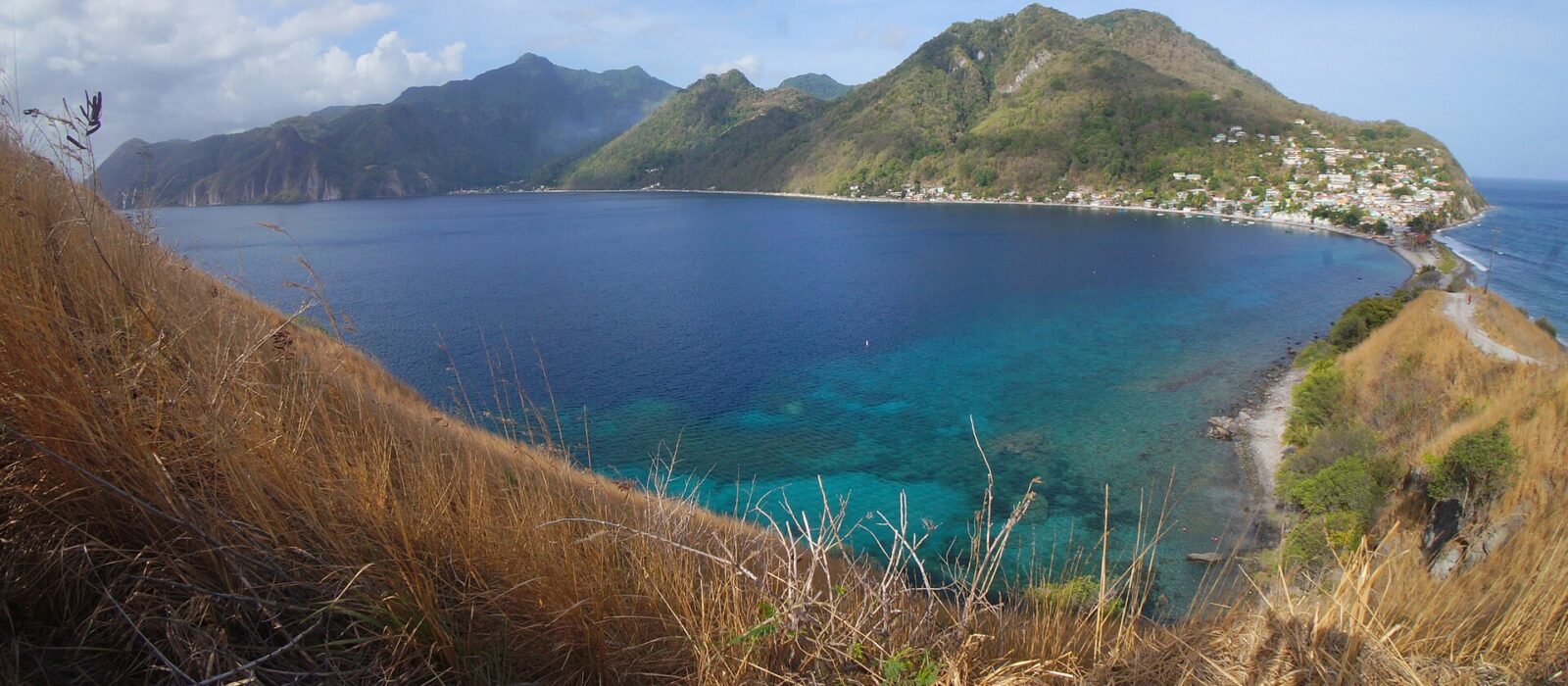
The island is roughly 750 square kilometres, small enough to cross by road in a few hours yet steep enough that distances feel much longer. It is volcanic in origin, and a spine of forested mountains runs from north to south, with Morne Diablotins as the highest peak. Rivers, waterfalls and hot springs fill the valleys, and the island is often described as having a river for every day of the year.
Roseau lies on the sheltered southwest coast and is the main port and commercial centre. Portsmouth, in the northwest, is the second-largest town, while the rugged east coast faces the Atlantic and is far less developed. Dominica uses Atlantic Standard Time (UTC−4) and does not observe daylight saving time.
Dominica is often confused with the Dominican Republic, which is a much larger country on a different island, Hispaniola, hundreds of kilometres to the northwest. The two have separate governments, languages, histories and entry rules, so always check you are reading information for the right one.
Introduction to Dominica
Dominica, officially the Commonwealth of Dominica, is a small, rugged Caribbean nation nicknamed the Nature Isle. Instead of long resort beaches, it offers rainforest, volcanic peaks, hot springs, waterfalls and some of the region’s best diving. English is the official language, the Eastern Caribbean dollar is the currency, and the country is a parliamentary republic within the Commonwealth.
Last checked: November 2026
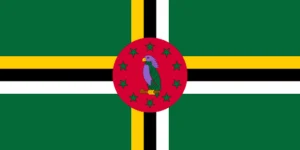
Around 70,000 people live in Dominica, most of them on the coast, and the pace of life is unhurried. The country’s calling code is +1 767 and its internet domain is .dm. The national flag features the sisserou parrot, an endangered bird found only on the island and a symbol of the country’s wildlife.
Nature is the main draw. Morne Trois Pitons National Park, inscribed as a UNESCO World Heritage Site in 1997, protects dense rainforest, crater lakes and the famous Boiling Lake. A long-distance footpath called the Waitukubuli National Trail crosses the island, linking villages, rivers and mountain viewpoints. If you are deciding where to go, our guide to the best places in Dominica covers the main highlights, and our Dominica itineraries show how to combine them.
The island is still recovering and rebuilding after Hurricane Maria in 2017, which caused widespread damage. Since then the government has promoted the idea of becoming a climate-resilient nation, and many communities have rebuilt with stronger infrastructure.
History of Dominica
Dominica was first settled by indigenous peoples and later home to the Kalinago, who resisted European colonisation for generations. Columbus sighted the island on a Sunday in 1493, giving it its name. After a long French and British rivalry, Britain gained control, and Dominica became independent on 3 November 1978.
Last checked: November 2026
The name Dominica comes from the Latin for Sunday, the day Columbus reportedly saw the island. Its steep terrain and the determined resistance of the Kalinago kept European settlement limited for much of the sixteenth and seventeenth centuries. French settlers, many of them woodcutters and farmers, arrived in the following period, and French influence is still clear in place names and in the local Creole language.
Britain and France contested the island repeatedly. It was ceded to Britain under the Treaty of Paris in 1763, briefly captured by France during the 1770s, and returned to Britain in 1783. Plantation agriculture relied on enslaved Africans, and communities of escaped people, known as Maroons, established themselves in the mountainous interior. Slavery was abolished across the British Empire in the 1830s, and the island’s population grew from African, French and Kalinago roots.
Dominica became a self-governing associated state of Britain in 1967 and gained full independence in 1978. Dame Eugenia Charles, who became prime minister in 1980, was the first woman to lead a Caribbean government. Modern history has been shaped by natural disasters, including Hurricane David in 1979 and Hurricane Maria in 2017, and by efforts to build an economy around agriculture, ecotourism and services. The Kalinago Territory on the east coast continues to be home to the island’s indigenous community.
Culture and Traditions of Dominica
Dominican culture blends African, Kalinago, French and British influences. English is the official language, but many people also speak Kwéyòl, a French-based Creole. Music, dance, storytelling, community festivals and strong village ties shape everyday life, and most residents are Christian, with Roman Catholicism the largest denomination.
Last checked: November 2026
Creole identity is celebrated most visibly during Creole Day, known as Jounen Kwéyòl, when people wear traditional madras fabrics and eat local dishes. Independence celebrations take place around 3 November, and Carnival, known locally as Mas Domnik, is held in the period before Lent. The World Creole Music Festival has been a major event on the island’s calendar, and you can check timing in our guide to the best time to visit Dominica.
Traditional music includes bélé, quadrille and jing ping, while modern styles such as cadence-lypso grew out of the island’s Creole heritage. Drums, accordions and string instruments appear at village events, and dance remains a social activity rather than a stage performance.
The Kalinago preserve skills such as weaving baskets from larouma reed and building canoes from gommier trees. Visitors who tour the territory should go with a local guide and buy crafts directly from the makers. In everyday social settings, greeting people with a friendly “good morning” or “good afternoon” before asking a question is polite and expected.
Food and Cuisine of Dominica
Dominican cuisine is Creole comfort food built on local produce, seafood and root vegetables, known as provisions. Typical dishes include callaloo soup, bouyon, goat water, saltfish with green fig and crab back, usually seasoned with fresh herbs, peppers, garlic and lime rather than heavy sauces.
Last checked: November 2026
Fertile volcanic soil produces breadfruit, dasheen, yams, bananas, plantains, citrus and coconuts, and much of the food is cooked simply and eaten seasonally. Here are ten signature items to look for:
- Callaloo soup: a creamy soup made from dasheen leaves, often with coconut milk, herbs and sometimes crab or pork.
- Bouyon: a thick, hearty soup of provisions, dumplings and meat.
- Goat water: a spiced goat stew traditionally served at celebrations.
- Saltfish and green fig: salted cod served with boiled green bananas, regarded as a national favourite.
- Breadfruit: roasted, boiled or fried as a starchy side dish.
- Dasheen and provisions: boiled root vegetables served with fish or stew.
- Crab back: seasoned crab meat served in the shell.
- Bakes: fried or baked bread, eaten at breakfast with saltfish or cheese.
- Fried plantain: sweet ripe plantain served alongside meals.
- Sorrel and bush tea: traditional drinks, with sorrel especially popular at Christmas.
Kubuli is the island’s locally brewed beer, and fresh fruit juices are widely available. The giant ditch frog, known locally as mountain chicken, was once a traditional dish, but it is now critically endangered and should not be eaten.
Once you have a sense of the local flavours, our other guides can help you plan the practical side of your trip: check Dominica visa and entry requirements, compare flights to Dominica, browse where to stay in Dominica and read about getting around Dominica.
Explore Dominica Travel Guides
Explore our detailed guides to plan every part of your Dominica trip.
Dominica: Best Places
Discover the best places to visit in Dominica, from Morne Trois Pitons National Park and Trafalgar Falls to Roseau, Portsmouth and the...
View Guide ›Dominica: Best Time to Visit
Find the best time to visit Dominica: dry and wet seasons, hurricane season, rainfall, festivals, packing tips and travel styles.
View Guide ›Dominica: Itineraries
Realistic Dominica itineraries for 3, 5 and 7 days, with routes, overnight bases, activities and practical advice for the Nature Isle.
View Guide ›Dominica: Visa
Check who needs a visa for Dominica, passport rules, how long you can stay and where to confirm entry requirements for your...
View Guide ›Dominica: Flights
Plan international flights to Dominica: the main airport, airlines, connection hubs, arrival tips and a pre-flight checklist.
View Guide ›Dominica: Getting Around
How to get around Dominica: minibuses, taxis, car rental, driving rules, local driving permits and inter-island ferries.
View Guide ›Dominica: Hotels
Where to stay in Dominica: best areas, accommodation types for different budgets, family and halal-friendly considerations, and booking tips.
View Guide ›Explore Dominica Tours
Discover guided tours and adventures in Dominica. Compare itineraries, prices and traveller reviews on TourRadar before you book.
Guided tours & deals
Affiliate partner · Globe Navo may earn a commission from qualifying bookings at no extra cost to you.
❓ Dominica FAQ
Do I need a visa to visit Dominica?
It depends on your nationality. US, UK and Irish citizens do not need a visa for tourism according to their governments, and Commonwealth visitors are generally exempt, while citizens of Haiti and the Dominican Republic need one. Check official sources for your own passport before you book.
Where is Dominica located?
Dominica is an island country in the Eastern Caribbean, between the French territories of Guadeloupe to the north and Martinique to the south. It is not the same as the Dominican Republic, which is a different country on the island of Hispaniola.
What is Dominica known for?
Dominica is known as the Nature Isle for its rainforests, waterfalls, hot springs and volcanic landscapes. Morne Trois Pitons National Park is a UNESCO World Heritage Site, and the island is popular for hiking, snorkelling and diving rather than large beach resorts.
What language is spoken in Dominica?
English is the official language of Dominica. Many people also speak Kweyol, a French-based Creole that reflects French influence on the island, and you will hear it in everyday conversation, music and local festivals.
What currency is used in Dominica?
Dominica uses the Eastern Caribbean dollar. Small businesses, minibuses and markets generally prefer cash in small notes, so carry some with you. Confirm card acceptance and exchange options with your hotel or bank before you travel.
Plan Your Trip to Dominica
Your Next Adventure in Dominica Awaits!
Explore Deals →🎁 Best deals for Dominica
Offers from trusted travel stores for your Dominica trip. Compare a few options before you book, and check each store's terms for the final price.
Browse by type: Hotel deals · Flight deals · Travel eSIM · Car rental
 SimOptionsFind the latest SimOption promo code and coupon code for travel eSIM data plans. See how to apply an offer at checkout, fix common code errors and stay connected abroad.
Get Coupon View Deal
 TourRadarTourRadar is an online marketplace for multi-day guided tours, small-group trips and tailor-made journeys offered by independent tour operators around the world.
Get Coupon View Deal
More destinations to explore
GrenadaDiscover Grenada, the Spice Isle of the southeastern Caribbean: its location, history, culture and…
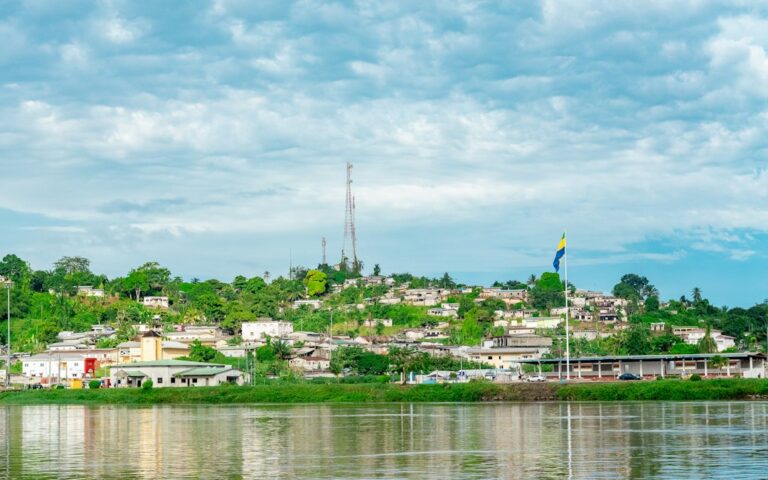 GabonGabon is a rainforest and Atlantic-coast country in Central Africa. Learn where it is,…
 FijiWhere Is Fiji Located? Fiji is an island nation in the South Pacific Ocean,…