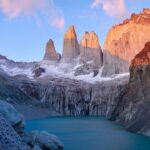
Chile spans so many climates that there is no single best month for the whole country. The seasons are the reverse of the northern hemisphere, and the weather in the Atacama, Santiago, the Lake District and Patagonia can be very different on the same day. This guide helps you match the season to your region and travel style.
Quick Answer: When Is the Best Time to Visit Chile?
The best time to visit Chile depends on the region. For most trips, November to March is warm and suits Patagonia and the Lake District, while spring and autumn are comfortable in Santiago and the wine valleys, and the Atacama can be visited year-round with cold nights.
Last checked: November 2026
We have not included average temperature or rainfall figures in this guide because we have not verified them against the national weather service. Use the official forecasts linked below for current conditions and check them again shortly before you travel.
Chile’s Seasons at a Glance
Because Chile lies in the southern hemisphere, summer runs from December to February and winter from June to August. Spring (September to November) and autumn (March to May) are shoulder seasons with milder weather in much of the country.
- Summer (December to February): warm and dry in central Chile, long days in Patagonia and the busiest holiday period for Chileans.
- Autumn (March to May): comfortable in the centre, with the grape harvest in the wine valleys and cooler weather in the south.
- Winter (June to August): cool and wetter in central and southern Chile, with ski season in the Andes and shorter days in Patagonia.
- Spring (September to November): fresh and green in the centre and south, with changeable weather in Patagonia.
Regional Climate Differences
Northern Chile and the Atacama
The north is very dry, and nights can be cold at altitude even when days are sunny. The desert is visited year-round, but the high altiplano can have summer rain or storms, so check conditions if you plan to travel to remote areas.
Santiago and central Chile
Central Chile has a Mediterranean-style climate, with a warm, dry summer and a cooler, wetter winter. Spring and autumn are often the most comfortable seasons for city sightseeing and wine valley visits.
Lake District and southern Chile
The south is greener because it is wetter, and rain can occur in any season. Summer is the easiest time for lakes, volcanoes and hiking, while winter suits those who accept rain and shorter days.
Patagonia and the far south
Patagonia is known for changeable weather and strong winds, and conditions can shift within a day. The warmer months are the main season for trekking, and services on some routes run on a seasonal schedule, so confirm opening dates with the park authority.
Easter Island
Rapa Nui is an island, so weather can change quickly and flights are limited. Check the festival calendar if you want to visit during Tapati, which is held in early February.
Month-by-Month Planning Guide
- January: peak summer holidays, long days in Patagonia, busy beaches and high demand for hotels.
- February: still peak season, and Tapati takes place on Easter Island.
- March: the start of autumn, with the grape harvest beginning in the wine valleys.
- April: calm, comfortable weather in central Chile and fewer crowds.
- May: cooler weather and the start of the quieter season in the south.
- June: winter begins, and ski resorts begin to open when snow conditions allow.
- July: school winter holidays and the main ski season.
- August: winter in the south and snow in the Andes.
- September: spring begins, and Fiestas Patrias is celebrated on 18 and 19 September.
- October: mild weather, blossom in central Chile and fewer visitors.
- November: the start of the main trekking season in Patagonia, with longer days.
- December: early summer, holiday travel and the start of the busy period.
Festivals, Holidays and Peak Seasons
The busiest period for domestic travel is the Chilean summer holiday in January and February, so book hotels, tours and transport early. Fiestas Patrias on 18 and 19 September is another busy national holiday, and Christmas and New Year also see heavy travel. Some businesses close on public holidays, so check the official holiday calendar for your travel dates, because dates can change from year to year.
Low season in most of the country is autumn and winter, apart from the ski areas in July and August. Prices and crowds are often lower then, but some services in remote areas operate on reduced schedules.
What to Pack for Chile
- Layers: temperatures can swing between day and night, especially in the desert and in the Andes.
- Wind and rain protection: essential for Patagonia, the Lake District and Chiloe.
- Sun protection: strong sun at altitude and in the desert.
- Sturdy footwear: for hiking and uneven city streets.
- Warm clothing for winter: for Santiago evenings and any trip to the south.
Best Time for Different Travel Styles
- Trekking in Patagonia: the warmer months, from about November to March.
- Wine and city travel: spring and autumn, with the harvest in March and April.
- Skiing: the winter months, with July and August the core of the season.
- Atacama and stargazing: year-round, with warm clothes for the night.
- Budget travel: shoulder seasons and winter, outside the main holiday weeks.
Official Sources for Chile Weather and Seasons
- Meteochile: official Chilean weather service
- Chile Travel: the official tourism site
- Chile Travel: the national parks of Chile
Best Time to Visit Chile FAQs
What is the best month to visit Chile?
There is no single best month, because Chile’s regions have different seasons. For a mixed trip, many travellers choose November to March for Patagonia and the south, and March to April or October to November for Santiago and wine regions.
When is high season in Chile?
High season is the Chilean summer, mainly January and February, when domestic holidays fill hotels and transport. Fiestas Patrias in September, Christmas and New Year are also busy, so book early for those dates.
Is Chile good to visit in winter?
Yes, for skiing, city breaks and the Atacama. Winter is cooler and wetter in central and southern Chile, and Patagonia has short days and fewer services, so it suits flexible travellers more than first-time trekkers.
When is the best time to see Torres del Paine?
The warmer months, roughly November to March, are the main season for trekking and have the longest days. Weather is changeable in any month, and trekking lodges need advance booking, so confirm opening dates first.