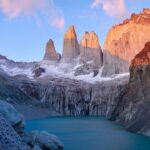
Chile’s shape means its best places are spread over thousands of kilometres, so choosing well matters more here than in most countries. This guide groups the main destinations by type and explains why each is worth a visit, how long to allow and who it suits. Time estimates are our suggestions for planning, not official figures, and ratings are not rankings.
Quick Answer: Where Should You Go in Chile?
For a first trip, many visitors combine Santiago and Valparaiso with one major nature destination, such as Torres del Paine in Patagonia, the Atacama Desert or the Lake District. Easter Island, Chiloe and the wine valleys suit travellers with more time. Choose by region, because distances between them are large.
Last checked: November 2026
Major Cities and Cultural Attractions
Santiago
Why visit: Chile’s capital is the main gateway and the best base for museums, restaurants and day trips. Main attractions: the historic centre, the Museum of Memory and Human Rights, hill parks and nearby wine valleys. Suggested time: two to three days. Best for: first-time visitors, food lovers and anyone interested in modern Chilean history.
Valparaiso and Vina del Mar
Why visit: Valparaiso is a steep port city of colourful hillside neighbourhoods, street art and old funiculars, and its historic quarter is a UNESCO World Heritage Site. Main attractions: the hill districts, the port views and the Pablo Neruda house museum. Suggested time: one to two days. Best for: walkers, photographers and culture seekers. Neighbouring Vina del Mar adds a more modern seafront and gardens.
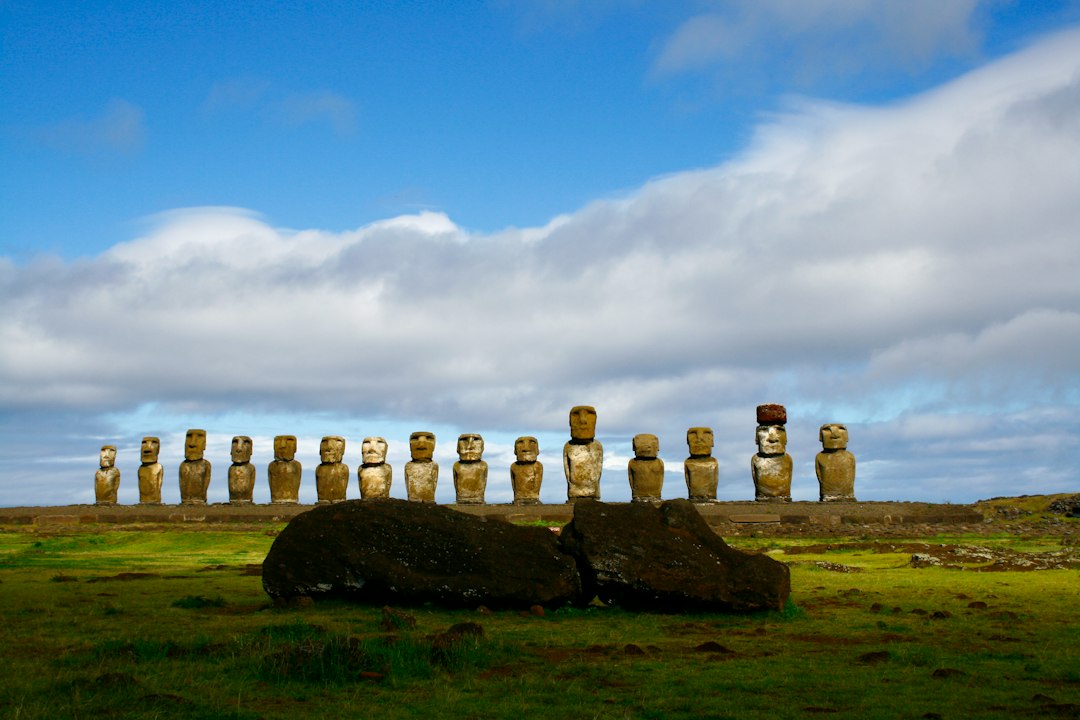
Rapa Nui (Easter Island)
Why visit: The island is known for its moai statues, and Rapa Nui National Park is a UNESCO World Heritage Site. Main attractions: the moai sites, volcanic craters and coastal landscapes. Suggested time: three to four days. Best for: history lovers and travellers who want a remote island experience. The island lies about 3,500 kilometres from the mainland, so plan the trip as a separate leg.
Natural Attractions and National Parks
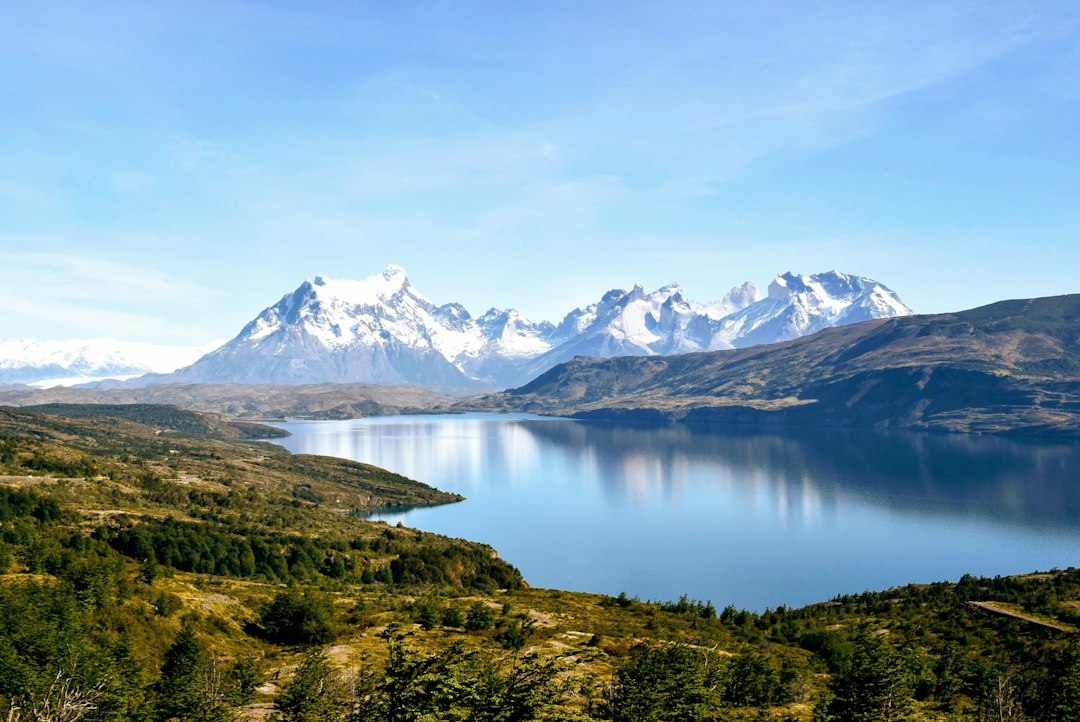
Torres del Paine National Park
Why visit: Chile’s tourism board describes it as one of the most iconic parks in the country, known for its granite massifs. Main attractions: the Torres viewpoints, glaciers, lakes and trekking routes such as the W and O circuits. Suggested time: at least three days, and longer for the circuits. Best for: hikers and landscape photographers. Access note: lodges and campsites on the trekking circuits require prior reservation, and park entry tickets are sold through the official parks pass website.
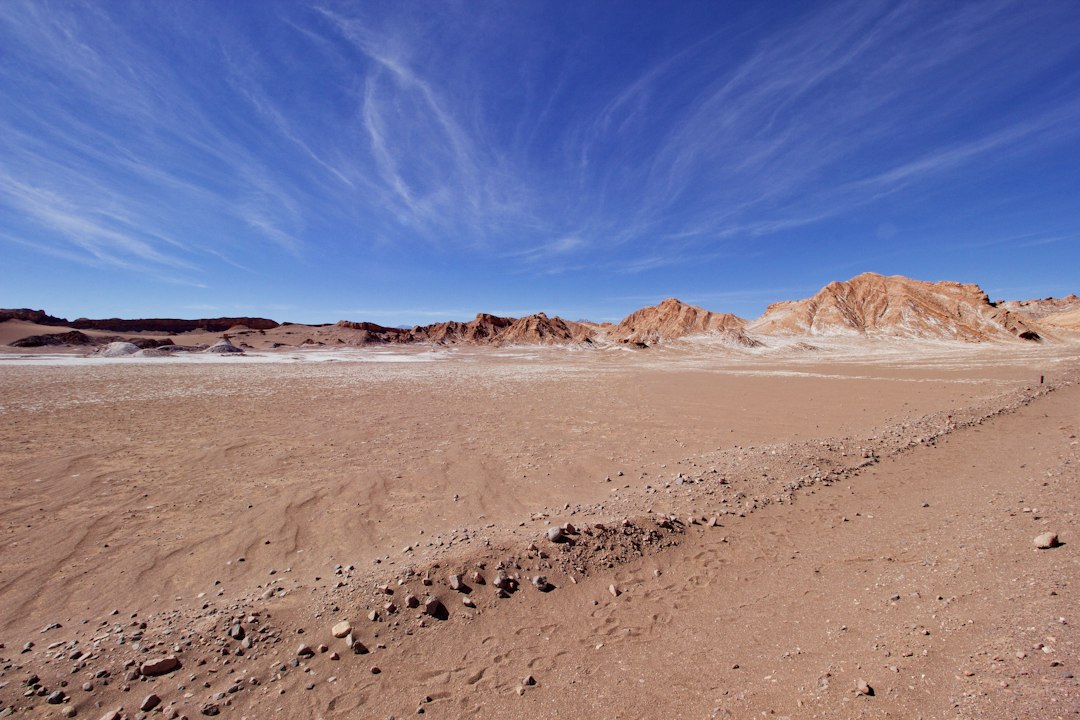
Atacama Desert and San Pedro de Atacama
Why visit: The Atacama is one of the driest places on Earth, with salt flats, geysers, volcanoes and very dark skies. Main attractions: desert and altiplano landscapes, lagoons and stargazing. Suggested time: three to four days. Best for: photographers, stargazers and travellers who like high-altitude scenery. Take altitude seriously and plan an easy first day.
Lake District and Vicente Perez Rosales National Park
Why visit: Chile’s lake and volcano country is green, mountainous and well set up for outdoor activities. Main attractions: the Petrohue waterfalls and Lake Todos los Santos in Vicente Perez Rosales National Park, plus volcano and lake towns such as Puerto Varas and Pucon. Suggested time: three to four days. Best for: families, hikers and adventure travellers.
Other national parks worth knowing
Chile’s tourism board also highlights Lauca National Park, a high-altiplano park in the north, and Queulat National Park, known for its Hanging Glacier in the Aysen region. Both are better for travellers with extra time and a car or tour, and access details should be checked with the park authority before you go.
Beaches and Coastal Destinations
Chile has a very long Pacific coastline, but it is better known for coastal scenery and seafood than for warm-water beaches, because the Pacific here is cool. Vina del Mar and the coast around La Serena are popular with domestic holidaymakers in summer, while Valparaiso and the nearby coast reward walkers and food lovers more than swimmers.
Food and Wine Destinations
Wine valleys near Santiago
Why visit: Chile is a major wine producer, and valleys such as Maipo, Colchagua and Casablanca are within reach of Santiago and the coast. Main attractions: vineyard tours, tastings and lunches. Suggested time: one to two days. Best for: couples, food lovers and travellers who want a slower pace.
Chiloe
Why visit: Chiloe is known for its wooden churches, which are listed by UNESCO, its stilt houses and its curanto feast. Main attractions: the churches, coastal villages and seafood markets. Suggested time: two to three days. Best for: culture seekers and food lovers who enjoy rainy, green landscapes.
How to Choose Between Chile’s Best Places
- One week: Santiago and Valparaiso, plus one region from the north, the Lake District or Patagonia.
- Nature and trekking: Torres del Paine, the Lake District and Lauca or Queulat.
- Culture and food: Santiago, Valparaiso, the wine valleys and Chiloe.
- Remote and unusual: Rapa Nui and the Atacama.
Check opening dates, entry rules and any temporary closures with the park or site authority before you travel, because access can change with weather, season and conservation measures.
Official Sources for Visiting Chile’s Best Places
- Chile Travel: the national parks of Chile
- Pases Parques: official national parks pass and tickets
- UNESCO World Heritage Centre: Chile
Best Places in Chile FAQs
What is the best place to visit in Chile for a first trip?
Most first-time visitors start with Santiago and Valparaiso, then add one nature region. Torres del Paine suits hikers, the Atacama suits desert and stargazing fans, and the Lake District suits families and mixed-interest travellers.
How many days do I need to see Chile’s highlights?
About ten days lets you see Santiago, Valparaiso and one major region comfortably. Chile is long, so adding Patagonia, the Atacama and Easter Island usually needs two weeks or more and several internal flights.
Do I need to book Torres del Paine in advance?
Lodges and campsites on the trekking circuits require prior reservation, and park entry tickets are handled through the official parks pass site. Book accommodation early for peak months, and confirm the current rules before you go.
Is Easter Island worth visiting?
Rapa Nui is a UNESCO World Heritage Site and offers a very different experience from mainland Chile. It suits history lovers, but it is remote and expensive to reach, so allow at least three days to make the trip worthwhile.