 BarbadosBarbados is an eastern Caribbean island nation. Read about its location, history, culture and…
DESTINATION
Canada
Canada travel guide covering location, history, culture and food, with links to visa, places, seasons, itineraries, hotels, flights and transport.
📅 Last updated:
🌍 Quick Facts

Canada at a glance
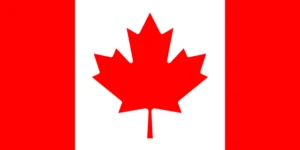
Capital: Ottawa
Currency: Canadian dollar (CAD)
Language: English and French
Population: About 41.8 million (July 2026 estimate)
Time zone: Six main zones, from UTC-8 to UTC-3:30
Calling code: +1
Internet domain: .ca
Main airport: Toronto Pearson International Airport (YYZ)
Best time to visit: June to September, and December to March for winter sports
📍 Canada Map
🖼️ Canada: Location, History, Culture & Food
✨ Complete Travel Guide
Where Is Canada Located?
This Canada travel guide begins with the basics. Canada is a country in northern North America. It stretches from the Atlantic Ocean in the east to the Pacific Ocean in the west and to the Arctic Ocean in the north. It shares its southern and northwestern borders with the United States.
Last checked: November 2026
Canada covers about 9.98 million square kilometres in total area, which makes it the second largest country in the world after Russia. Land makes up roughly 9.1 million square kilometres of that figure, because lakes and rivers cover a large share of the rest. Greenland lies across a narrow strait to the north-east, and the French islands of Saint-Pierre and Miquelon sit just off Newfoundland.
The country has ten provinces and three territories. Ottawa, the capital, stands on the Ottawa River at the Ontario-Quebec border. Toronto is the largest city, and many first-time visitors assume it’s the capital. It isn’t.
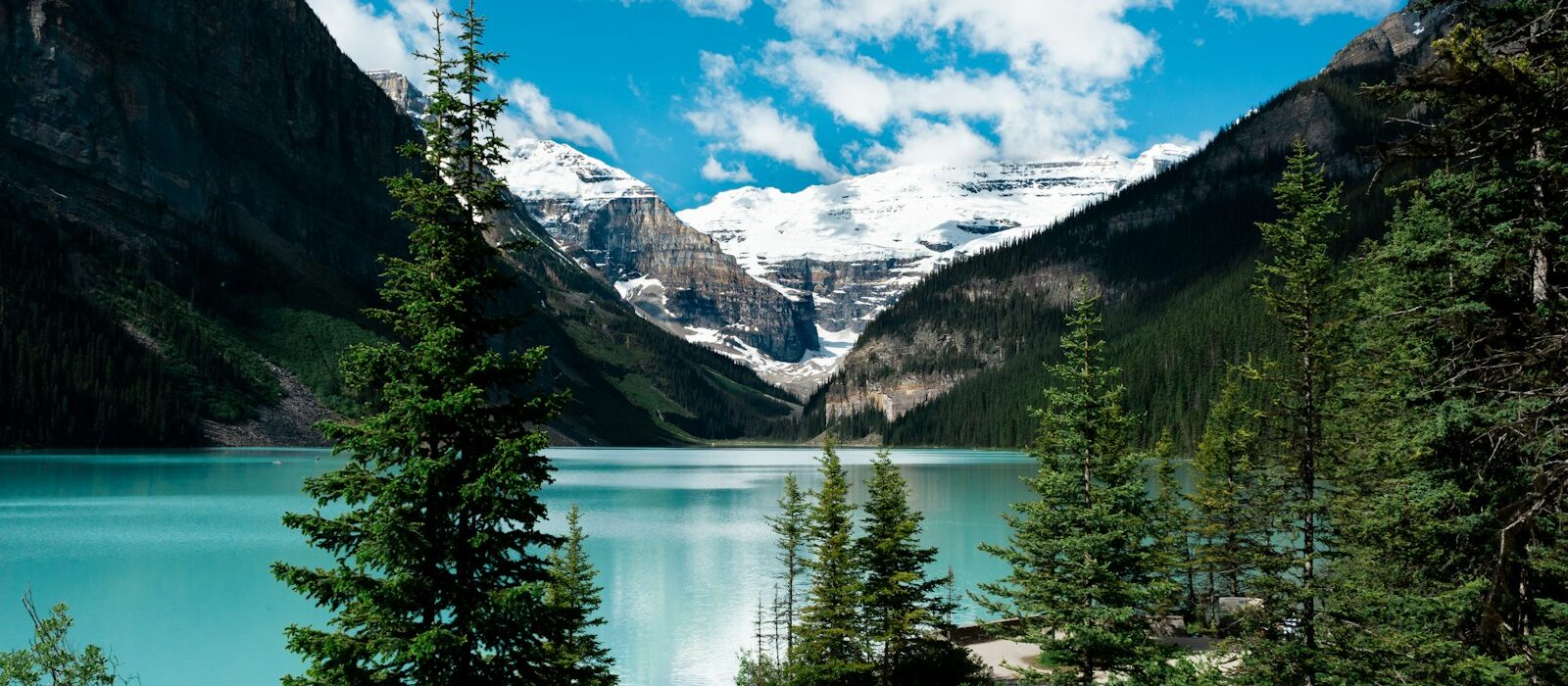
Landscapes change sharply from coast to coast. These are the main features:
- The Rocky Mountains and Coast Mountains in the west
- The Prairies, a flat grain-growing region in the middle
- The Canadian Shield, an ancient belt of rock, lakes and forest across the centre and east
- The Great Lakes and the St. Lawrence River in the south-east
- Arctic tundra and islands in the far north
Canada spans six main time zones, from Pacific Time to Newfoundland Time. A journey from Vancouver to Halifax passes through five of them. Newfoundland runs half an hour ahead of the Atlantic zone, which catches some travellers out when they book connections. For distances and travel times between cities, see our guide to getting around Canada.
Canada Travel Guide: An Introduction to the Country
Canada is known for its national parks, Rocky Mountain scenery, Niagara Falls, multicultural cities and cold winters. It’s a federal parliamentary democracy and constitutional monarchy. English and French are the official languages, the Canadian dollar is the currency, and Ottawa is the capital. About 41.8 million people lived in Canada as of July 2026, according to Statistics Canada.
That population figure refers to the whole country, not to one city. Toronto, the largest city, holds only a fraction of it. You can follow the latest estimates on the Statistics Canada website.
King Charles III is head of state, represented in Canada by the Governor General, while the prime minister leads the government. Provinces run health care, education and most roads, so rules can change when you cross a provincial border.
The Canadian dollar is divided into 100 cents. People call the one-dollar coin the loonie and the two-dollar coin the toonie. Shop prices are usually shown before sales tax, which differs by province, so the final total can be higher than the shelf label.
Banff National Park, established in 1885, is Canada’s oldest national park. Parks Canada manages the national park network, and current conditions are posted on the Parks Canada website. Niagara Falls, the CN Tower in Toronto, Old Quebec and the Pacific coast of British Columbia are among the best-known sights.
French matters in daily life. Quebec treats French as its only official language, and New Brunswick is the only officially bilingual province. Most visitors manage well in English in big cities, but a few French greetings go a long way in Montreal and Quebec City.
Before you book, read our Canada visa guide for tourists to see whether you need an eTA or a visa. Then compare airports and airlines in our guide to flights to Canada.
History of Canada: From First Peoples to Today
Indigenous peoples have lived in what is now Canada for many thousands of years. Norse sailors reached Newfoundland around the year 1000, and French and British colonies followed from the 1600s. Canada became a self-governing country on 1 July 1867 and gained full legal independence from Britain with the Constitution Act of 1982.
Independence came in stages rather than on one date. Canadians mark 1 July 1867 as the founding of the country, but they treat 1931 and 1982 as the steps toward full legal independence.
First Peoples and Early Contact
First Nations, Inuit and Métis peoples built distinct societies, languages and trading networks long before Europeans arrived. Norse settlers built a small base at L’Anse aux Meadows in Newfoundland around the year 1000, and UNESCO listed the site in 1978. John Cabot’s 1497 voyage and Jacques Cartier’s 1534 landing at Gaspé later brought European claims to the north-east coast.
New France and British North America
Samuel de Champlain founded Quebec City in 1608, and it became the heart of New France. The Hudson’s Bay Company received its royal charter in 1670 and shaped the fur trade across the interior. Britain took control of New France under the Treaty of Paris in 1763. The Constitutional Act of 1791 then split the colony into Upper Canada and Lower Canada, the roots of today’s Ontario and Quebec.
UNESCO lists several sites from this era, including the Historic District of Old Québec, and you can browse them on the UNESCO World Heritage page for Canada. Our guide to the best places to visit in Canada shows how to fit them into a trip.
Confederation and Expansion
Canada became a dominion on 1 July 1867, when Ontario, Quebec, Nova Scotia and New Brunswick joined together. Manitoba joined in 1870, British Columbia in 1871 and Prince Edward Island in 1873. The Canadian Pacific Railway was completed in 1885 and linked the east to the Pacific coast. Alberta and Saskatchewan became provinces in 1905, and Newfoundland joined in 1949.
Treaties shaped this expansion. The federal government signed the Numbered Treaties with many First Nations between 1871 and 1921, and the meaning of their promises is still debated and litigated. Residential schools, which removed Indigenous children from their families, operated into the 1990s, and the last federally run school closed in 1996.
The Twentieth Century and Today
Canadian forces fought at Vimy Ridge in April 1917, an event many Canadians see as a turning point for national identity. The Statute of Westminster in 1931 gave Canada legislative independence, and the maple leaf flag was adopted in 1965. The Constitution Act of 1982 brought the constitution home from Britain and added the Canadian Charter of Rights and Freedoms. Nunavut became a territory in 1999.
The Truth and Reconciliation Commission released its final report in 2015. Since 2021, 30 September has been marked as the National Day for Truth and Reconciliation.
Culture in Canada: Language, Faith, Festivals and Etiquette
Canadian culture blends Indigenous, French, British and global influences. English and French are official languages, and Indigenous languages such as Cree, Inuktitut and Ojibwe are also spoken. Canada has no state religion, and Christianity is the largest faith group, alongside a growing number of people with no religious affiliation. Official multiculturalism policy dates to 1971.
Language
Canadian English mixes British spellings such as colour and centre with many American words. Quebec French has its own accent and vocabulary, and signs there appear in French first. Indigenous languages are taught in schools and community programmes, and place names across the country come from them, including Ottawa, Toronto and Saskatchewan.
Religion
Churches, mosques, gurdwaras, temples and synagogues operate in most large cities. Muslim, Sikh, Hindu, Jewish and Buddhist communities are well established, and many Indigenous people practise their own spiritual traditions. Visitors to places of worship should dress modestly and follow posted rules on shoes and photography.
Festivals
Dates change each year, so confirm them on each festival’s official website. These events draw the biggest crowds:
- Quebec Winter Carnival in Quebec City, late January to February
- Calgary Stampede in Calgary, July
- Montreal International Jazz Festival, late June to early July
- Canada Day on 1 July, with fireworks in most cities
- Toronto International Film Festival, September
- Thanksgiving, the second Monday of October
Many of these events fill hotels early. Our best time to visit Canada guide shows which months are busiest, and our guide on where to stay in Canada explains how to book around them.
Etiquette and Everyday Life
Canadians tend to queue patiently, keep a polite distance and say sorry often. Tipping is customary in restaurants, bars and taxis because service charges are rarely included. The legal drinking age is 18 in Alberta, Manitoba and Quebec and 19 in the other provinces. Cannabis is legal for adults, but each province sets its own rules on where it can be bought and used, and it can’t be carried across the border.
Ice hockey is the national winter sport and lacrosse is the national summer sport. Clothing depends on the season and the region. Winter calls for insulated boots, a warm coat and several thin layers, while summer evenings in the mountains can be cold. Ask before photographing people, and expect land acknowledgements at the start of many public events, which recognise the Indigenous peoples of the area.
Music and Arts
The Group of Seven painters, active from 1920, made the northern landscape a national subject. Inuit printmaking from Kinngait and Haida carving from the Pacific coast are respected worldwide. Cape Breton is known for fiddle music, and Inuit throat singing, called katajjaq, is a traditional vocal art. Alice Munro won the Nobel Prize in Literature in 2013, Margaret Atwood is among the best-known Canadian novelists, and Cirque du Soleil began in Quebec in 1984.
Canadian Food: What to Eat in Canada
Canadian food varies by region and reflects Indigenous, French, British and immigrant traditions. Poutine, maple syrup, butter tarts and Montreal-style bagels are the best-known foods. Atlantic seafood, western beef and Pacific salmon matter locally. Most large cities also have strong Chinese, South Asian, Italian, Korean and Middle Eastern restaurants.
Regional differences are real. The Maritimes lean on lobster, scallops and chowder. Quebec cooks in a French-influenced style and tends to serve maple products at sugar shacks in spring. Ontario’s markets mix global cuisines, the Prairies are known for beef and grain, and British Columbia combines salmon, shellfish and Asian flavours. Halal, kosher and vegetarian options are easy to find in the big cities.
Staples
Wheat and canola come from the Prairies, and Quebec produces the large majority of Canada’s maple syrup. Potatoes, dairy, cold-water fish, wild berries and game meats appear across traditional and modern menus.
Signature Dishes
- Poutine: fries topped with cheese curds and hot gravy, linked to rural Quebec in the 1950s
- Tourtière: a spiced meat pie served at Christmas in Quebec
- Montreal-style bagels: smaller and sweeter than New York bagels, boiled in honey water and baked in a wood-fired oven
- Montreal smoked meat: cured, spiced beef brisket sliced thick and served on rye
- Peameal bacon sandwich: cornmeal-coated back bacon, a Toronto market classic
- Butter tarts: small pastry shells with a sweet filling of butter, sugar and egg
- Nanaimo bars: no-bake layered squares named after the British Columbia city
- Atlantic lobster rolls: lobster on a toasted bun, common in the Maritimes
- Pacific salmon: grilled, smoked or cedar-planked on the west coast
- Bannock: a simple pan-fried or baked bread made in many Indigenous communities
- Jiggs dinner: salted beef with cabbage, root vegetables and pease pudding, a Newfoundland Sunday meal
- Soupe aux pois: thick yellow split pea soup from Quebec
Street Food
Hot dog carts, food trucks and poutine stands are common in city centres. BeaverTails, flat fried pastries with sweet toppings, are popular at skating rinks and tourist areas. Markets such as St. Lawrence Market in Toronto and Jean-Talon Market in Montreal are good places to sample local specialities in one stop.
Drinks
The Caesar, a cocktail of vodka, clam-tomato juice and spices, was created in Calgary in 1969. Ice wine from the Niagara Peninsula and the Okanagan Valley is a protected, sweet dessert wine. Craft beer is widespread, Canadian rye whisky is a long-standing export, and coffee chains are part of daily routine.
Desserts
Butter tarts and Nanaimo bars lead the list. Quebec adds tarte au sucre, a sugar pie, and pouding chômeur, a warm cake in maple-style sauce. In late winter, maple taffy is poured hot onto clean snow and rolled onto a stick. Our Canada itineraries include food stops for each route.
Explore Canada Travel Guides
Explore our detailed guides to plan every part of your Canada trip.
Canada: Best Places
Explore Canada's top places by type: national parks, historic cities, coasts and food cities, with time needed and seasonal limits for each.
View Guide ›Canada: Best Time to Visit
Check Canada month by month, with weather by region, festivals, school holidays and what to pack for summer, autumn, winter and spring...
View Guide ›Canada: Itineraries
Plan Canada trips of 3, 5, 7 and 10 days with realistic travel times between cities, route choices and short tips for...
View Guide ›Canada: Visa
Find out who needs a visa or an eTA for Canada, how to apply through official Government of Canada pages, and what...
View Guide ›Canada: Flights
See Canada's main international airports, airlines and typical flight routes, how to reach each city and a checklist to complete before you...
View Guide ›Canada: Getting Around
Compare trains, buses, domestic flights, car rental and city transit across Canada, with realistic travel times between major cities.
View Guide ›Canada: Hotels
Choose where to stay in Canada by city and region, compare hotel types and learn which taxes and fees can change the...
View Guide ›Explore Canada Tours
Discover guided tours and adventures in Canada. Compare itineraries, prices and traveller reviews on TourRadar before you book.
Guided tours & deals
Affiliate partner · Globe Navo may earn a commission from qualifying bookings at no extra cost to you.
❓ Canada FAQ
Is Canada safe for tourists?
Canada is generally considered safe for visitors, and the US State Department rates it at Level 1, its lowest advisory level. Petty theft can happen in big cities, and wildfires, winter storms and wildlife require care outdoors. Check official advisories and local weather alerts before travelling.
What language is spoken in Canada?
English and French are the official languages. English is spoken almost everywhere outside Quebec, while French is the main language in Quebec and parts of New Brunswick and Ontario. Visitors usually manage in English in major cities, and signs are often bilingual.
What currency should I use in Canada?
Canada uses the Canadian dollar. Cards and contactless payments are accepted almost everywhere in cities, so carrying small amounts of cash is mostly useful for rural areas, markets and tips. ATMs are common, though some charge fees for foreign cards.
Can you drink tap water in Canada?
Tap water is safe to drink in most Canadian cities and towns, and it is treated and tested under provincial rules. Some remote communities have had long-term drinking water advisories. In backcountry areas, treat or filter stream and lake water before drinking it.
Do I need to tip in Canada?
Tipping is expected in restaurants, bars, taxis and for services such as hairdressing. A common range is 15 to 20 per cent of the pre-tax bill in sit-down restaurants. Many payment terminals suggest amounts, and tips are not expected at most fast-food counters.
Plan Your Trip to Canada
Your Next Adventure in Canada Awaits!
Explore Deals →🎁 Best deals for Canada
Offers from trusted travel stores for your Canada trip. Compare a few options before you book, and check each store's terms for the final price.
Browse by type: Hotel deals · Flight deals · Travel eSIM · Car rental
 SimOptionsFind the latest SimOption promo code and coupon code for travel eSIM data plans. See how to apply an offer at checkout, fix common code errors and stay connected abroad.
Get Coupon View Deal
 TourRadarTourRadar is an online marketplace for multi-day guided tours, small-group trips and tailor-made journeys offered by independent tour operators around the world.
Get Coupon View Deal
More destinations to explore
BarbadosBarbados is an eastern Caribbean island nation. Read about its location, history, culture and…
 BhutanA Bhutan overview covering location, history, culture and food, with links to guides on…
 MonacoMonaco is a tiny principality on the French Riviera, known for its harbour, royal…