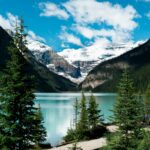
The best time to visit Canada depends on what you want to do. June to September suits hiking, lakes and city festivals, while December to March suits skiing and winter scenes. Spring and late autumn are quieter and cheaper, but weather is less predictable and some seasonal sites close.
Last checked: November 2026
When Is the Best Time to Visit Canada?
For most travellers, July and August bring the warmest weather and the most open attractions, and September brings fewer crowds and autumn colour in the east. Winter sports peak between December and March. Choose by activity first, then by region, because a mild day in Vancouver can sit beside a deep freeze in Winnipeg.
Canada’s weather is regional. Environment and Climate Change Canada publishes forecasts and warnings on its weather website, and it’s worth checking before any drive through the mountains or Prairies. The Pacific coast is wetter and milder, the Prairies are dry and extreme, Ontario and Quebec have four distinct seasons, and Atlantic Canada has fog and storms.
What Is the Weather Like by Region?
- British Columbia coast: Mild, rainy winters and dry, pleasant summers. Snow is common in nearby mountains.
- Rockies and Alberta: Warm days and cool nights in summer, with long cold winters. Mountain weather can change within hours.
- Prairies: Hot summers and very cold winters. Temperatures below minus 30 degrees Celsius can occur.
- Ontario and Quebec: Humid summers, colourful autumns and snowy winters.
- Atlantic provinces: Cooler summers than the interior, with fog and coastal storms. Late summer and early autumn are the most settled months.
- North: Long, dark, extremely cold winters and bright summers with near-constant daylight.
What Is Canada Like Month by Month?
January and February
These are the coldest months in most of the country and the peak season for skiing at Whistler, Banff and Quebec’s resorts. Quebec City holds its Winter Carnival from late January into February, and Ottawa’s Rideau Canal skating depends on ice conditions. Northern lights viewing is strong in the north.
March and April
Thaw begins, roads are muddy and some mountain trails stay closed. Maple syrup season starts in Quebec, Ontario and the Maritimes, so sugar shack visits fit this period. Cherry and tulip blossoms appear on the west coast and in Ottawa later in spring.
May and June
May brings tulips in Ottawa and early patio season in the cities. June opens most hiking trails and brings long daylight, although high mountain trails may keep snow. Black flies and mosquitoes appear in northern and forest areas, so pack repellent.
July and August
Peak summer is the busiest period for national parks, ferries and hotels, so book early. Calgary Stampede takes place in July, and Montreal’s jazz festival runs from late June into early July. Wildfire smoke can affect air quality and travel in parts of western and northern Canada, so follow provincial alerts and the UK FCDO advice for Canada.
September and October
September is often the best balance of mild weather and lower crowds. Autumn colour peaks in Ontario and Quebec from late September to mid October, and larches turn gold in the Rockies in late September. The Toronto International Film Festival runs in September, and Thanksgiving falls on the second Monday in October.
November and December
November is the quiet month, with many seasonal attractions closed, shorter days and early snow. Ski resorts begin opening in late November or December, and Christmas markets run in Quebec City, Montreal and Toronto. The Christmas and New Year break is a busy travel period.
How Do Holidays and School Breaks Affect Travel?
Canadian school summer holidays run through July and August, and Christmas and New Year raise prices at ski resorts. Many Ontario families travel during March break in mid-March. Long weekends include Victoria Day in May, Canada Day on 1 July, the first Monday of September for Labour Day and Thanksgiving in October.
Ramadan is expected to begin in early February 2027, subject to the moon sighting. Muslim travellers will find halal restaurants in most large cities, and many mosques host community iftars. Check local prayer timetables for the city you visit.
What Should You Pack for Each Season?
- Winter: Insulated waterproof boots, a down or synthetic coat, thermal layers, gloves, hat and scarf
- Spring: Waterproof jacket, layers and shoes that can handle slush
- Summer: Sunscreen, insect repellent, a fleece for cool evenings and sturdy walking shoes
- Autumn: Layers, a light rain jacket and a warm hat for the mountains
Which Month Suits Which Trip?
| Trip type | Best months | Why |
|---|---|---|
| Hiking and national parks | July to September | Trails open, long daylight |
| Autumn colour | Late September to mid October | Peak foliage in the east |
| Skiing and snowboarding | December to March | Reliable snow |
| City breaks and festivals | June to September | Outdoor events and patios |
| Northern lights | September to March | Long, dark nights |
| Whale and wildlife watching | June to October | Boat tours operate |
Common Mistakes When Timing a Trip
- Booking mountain lakes for May, when roads or trails may still be closed
- Booking accommodation for summer late, when popular parks fill months ahead
- Expecting Atlantic Canada to be warm in early spring
- Ignoring wildfire season when planning flights and drives
Once you’ve picked a month, turn it into a route with our Canada itineraries, and read our guide on where to stay in Canada to book around peak dates. The best places to visit in Canada page shows which sights are seasonal.
Best Time to Visit Canada FAQs
What is the cheapest month to visit Canada?
Prices usually drop in late autumn and spring, outside holiday weeks. January and February can be cheaper in non-ski cities. Compare dates in booking tools, because events, conferences and school breaks can push rates up in any month.
Is Canada worth visiting in winter?
Yes, if you like snow. Cities run winter festivals, ski resorts operate and northern areas offer aurora viewing. Pack proper boots and layers, check road conditions before driving, and allow extra time for flights because storms can cause delays.
When can you see the northern lights in Canada?
The best chances are from September to March in northern regions such as the Yukon and Northwest Territories, on clear and dark nights. No tour can promise a sighting, so plan at least three nights and check aurora forecasts.