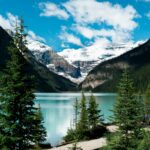
The best places to visit in Canada fall into four groups: historic cities, mountain and national park scenery, ocean coasts, and big food-focused cities. Most first trips combine one city region with one landscape region, because distances are large and the two don’t sit side by side.
Last checked: November 2026
What Are the Best Places to Visit in Canada?
Quebec City, Banff and Lake Louise, Niagara Falls, Vancouver and the Atlantic coast of Nova Scotia are the places most travellers rank first. Quebec City is the only city in North America north of Mexico that still has its fortified walls, and Banff National Park is the best-known mountain destination. Pick two or three regions, give each at least two nights and don’t try to cover everything.
Opening dates, road access and trail conditions change by season, and wildfires or floods can close parts of national parks. Check Parks Canada for alerts and for current pass and permit rules before you travel. For month-by-month weather, use our guide to the best time to visit Canada.
Which Historic Places Should You Visit in Canada?
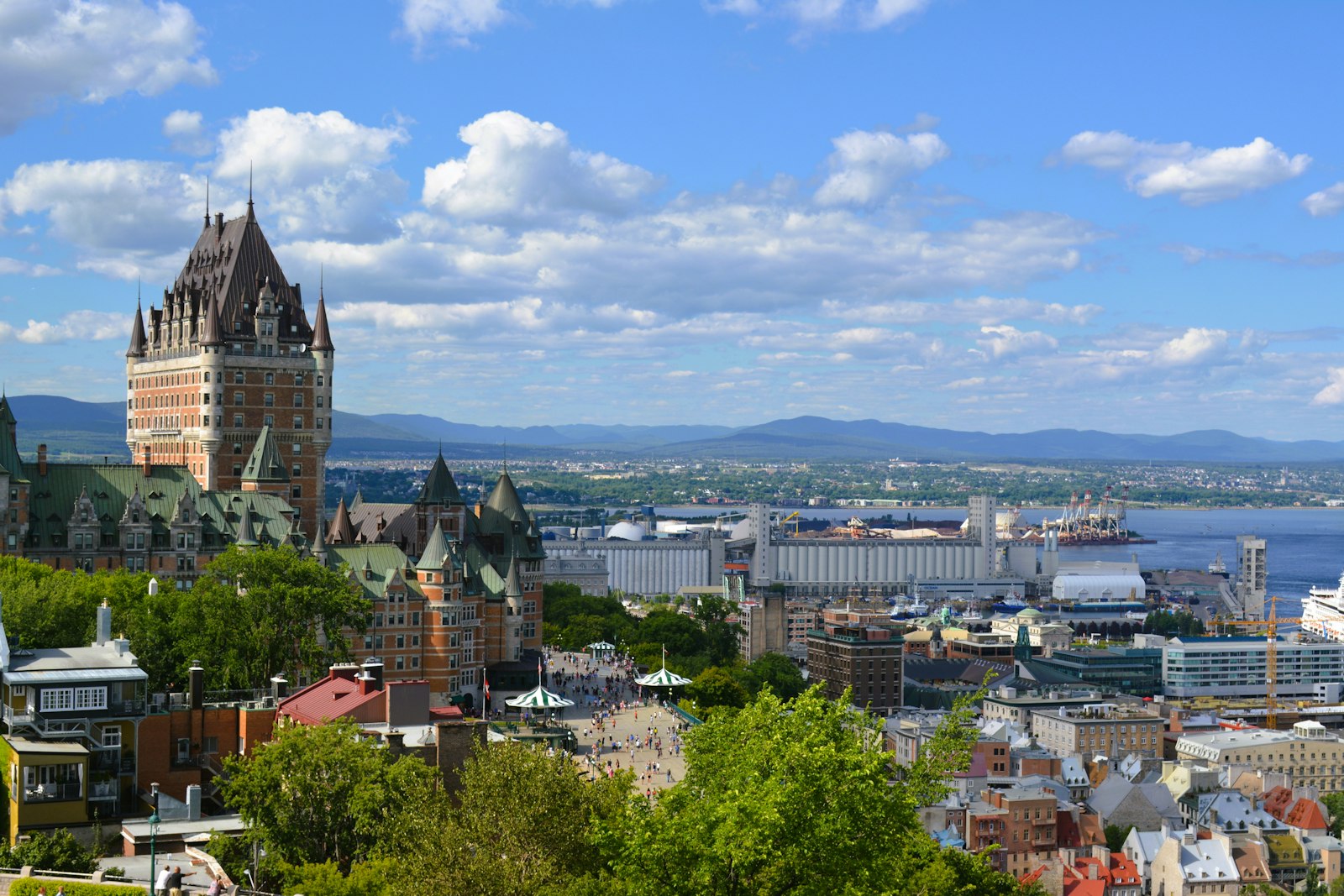
- Quebec City, Quebec: The Historic District of Old Québec was listed by UNESCO in 1985. Allow two nights for the walled Upper Town, the funicular to the Lower Town and the Plains of Abraham.
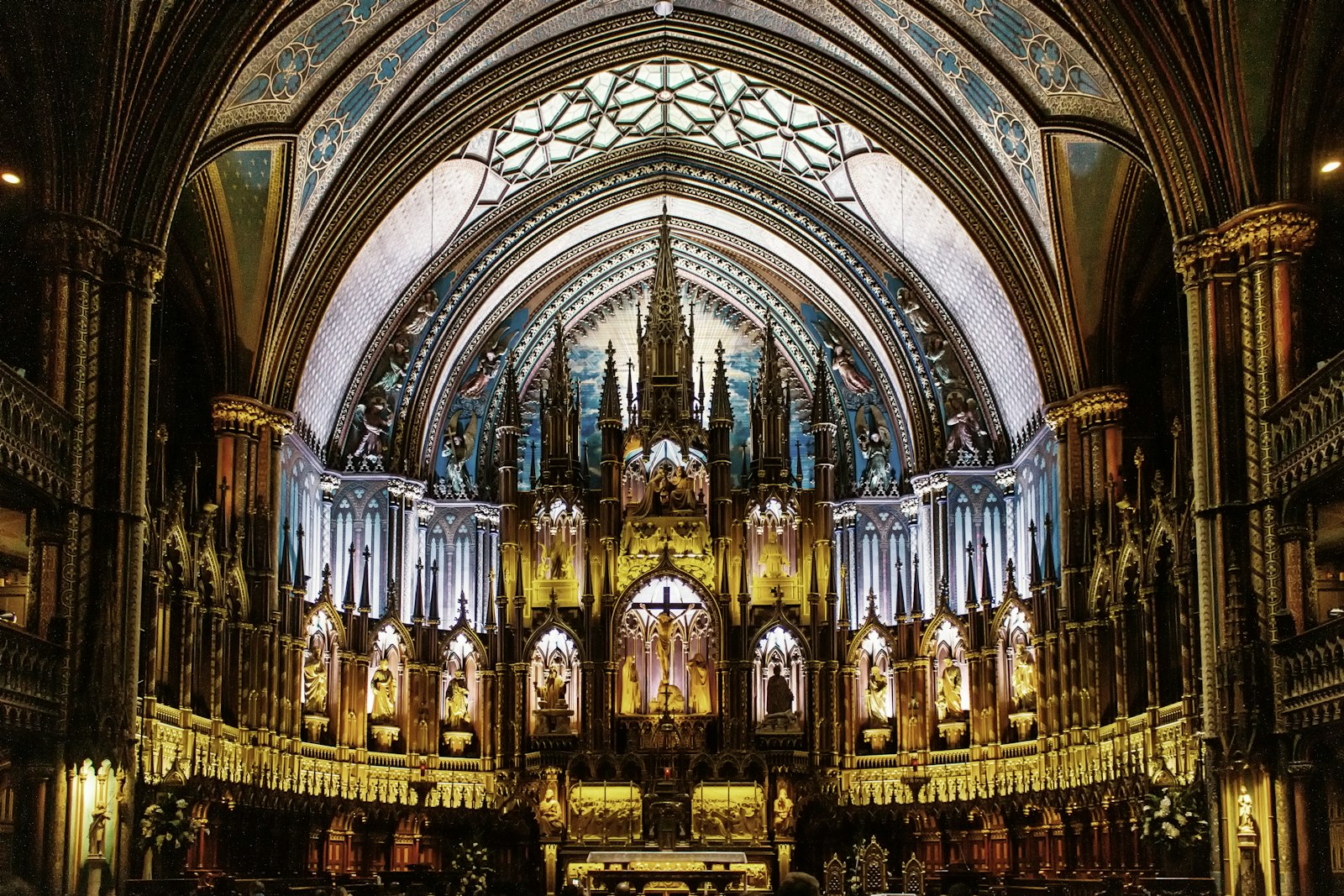
- Montreal, Quebec: Old Montreal has stone streets, Notre-Dame Basilica and the waterfront. Allow two to three nights, with time for museums and neighbourhood markets.
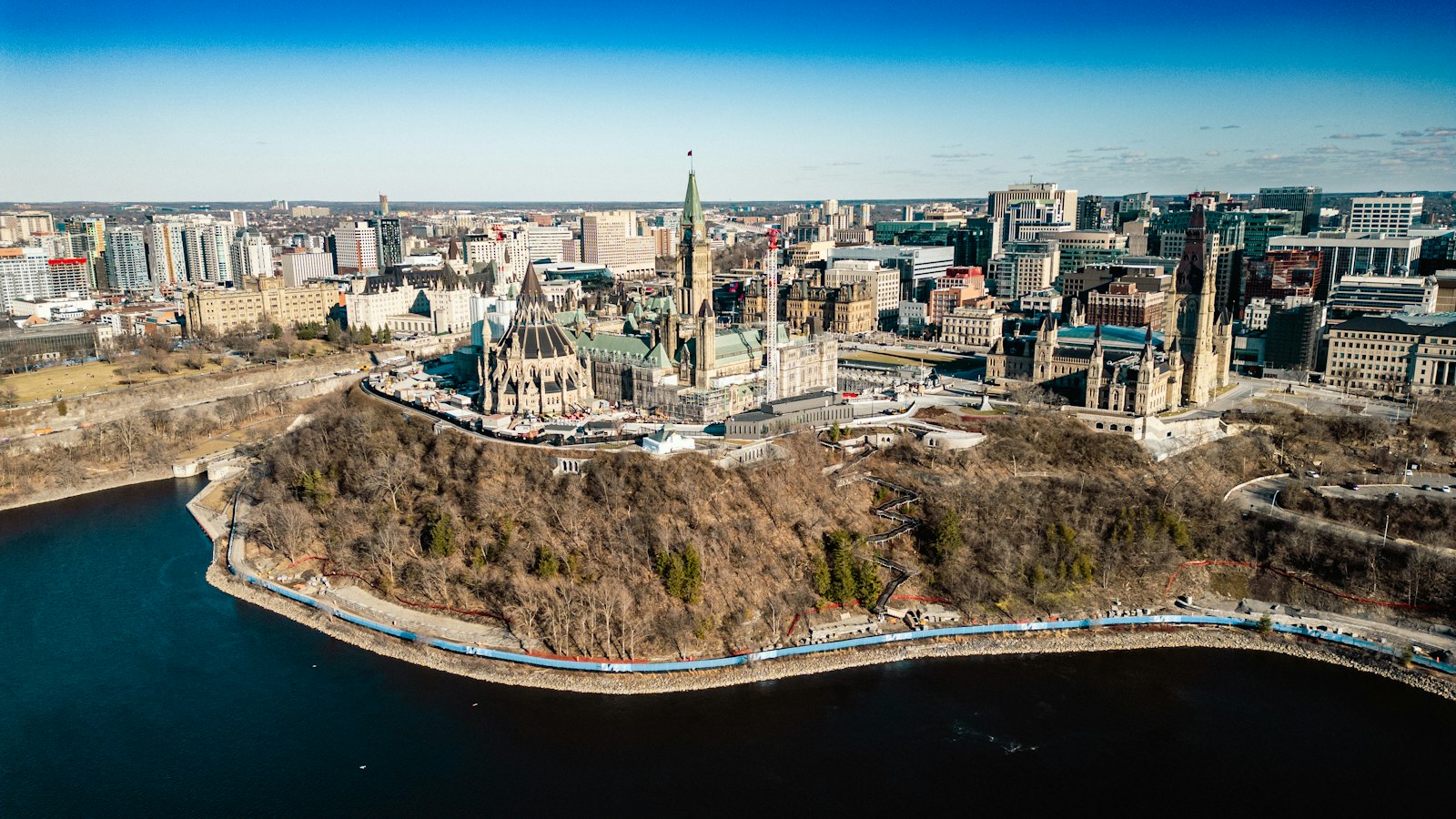
- Ottawa, Ontario: Parliament Hill, the Rideau Canal and the national museums fit into two days. The Rideau Canal became a UNESCO site in 2007, and in winter parts of it turn into a skating route when ice is safe.
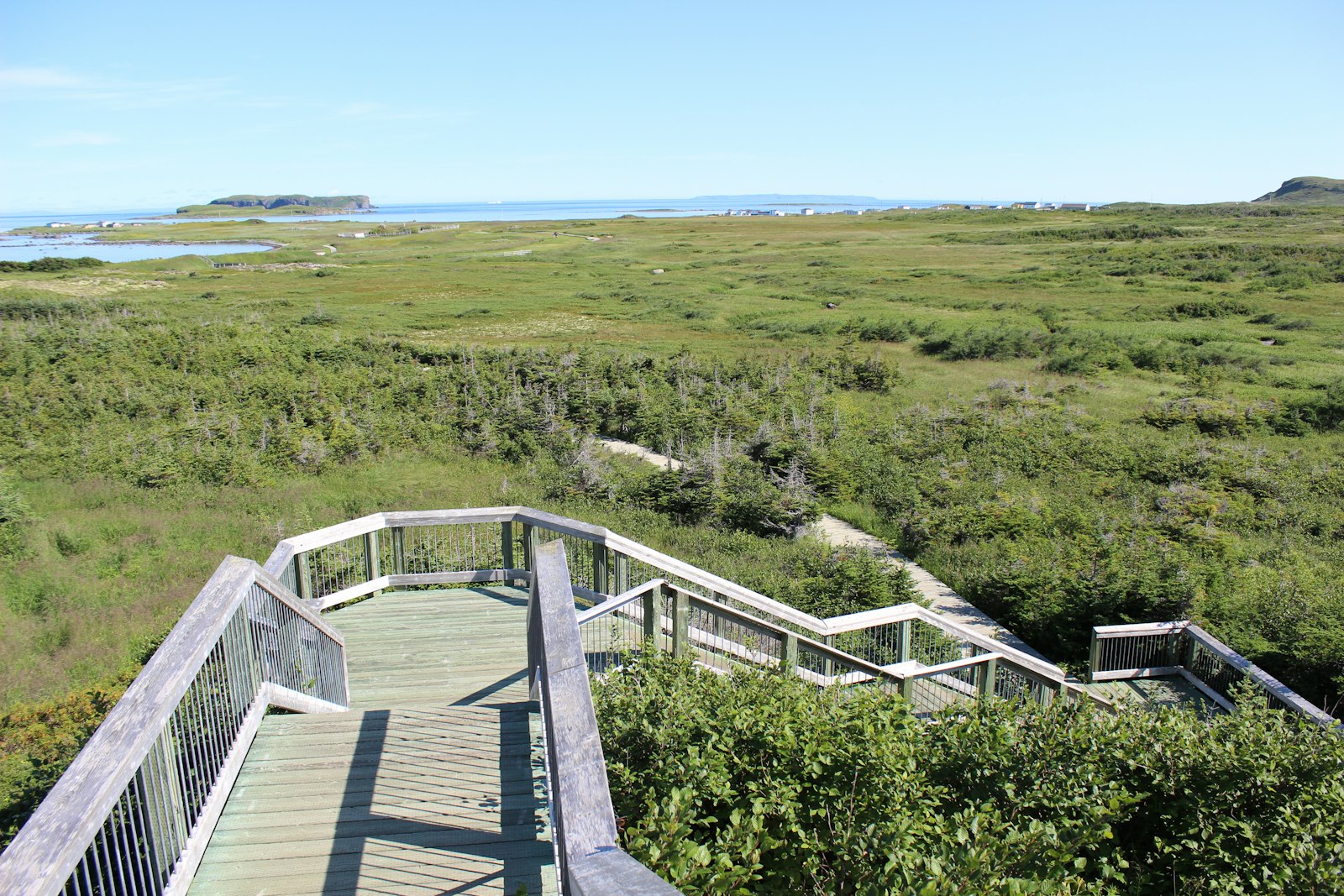
- L’Anse aux Meadows, Newfoundland: This Norse site is remote, so allow a full day plus the drive from Deer Lake. UNESCO listed it in 1978.
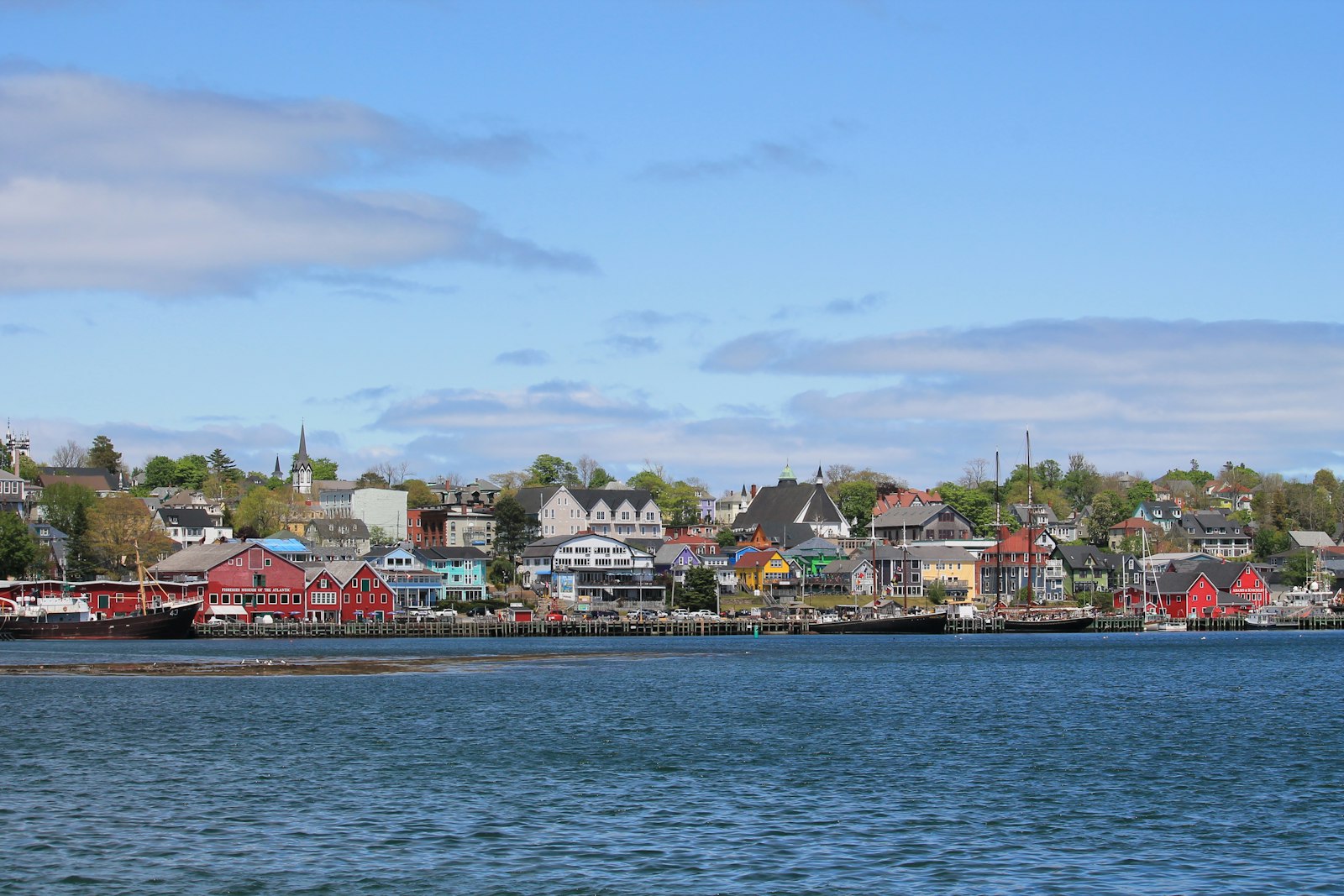
- Halifax and Lunenburg, Nova Scotia: Halifax has the Citadel and waterfront, and Old Town Lunenburg is a UNESCO-listed colonial fishing port. One or two nights each is enough.
Which Mountains and Natural Sights Are Worth the Trip?
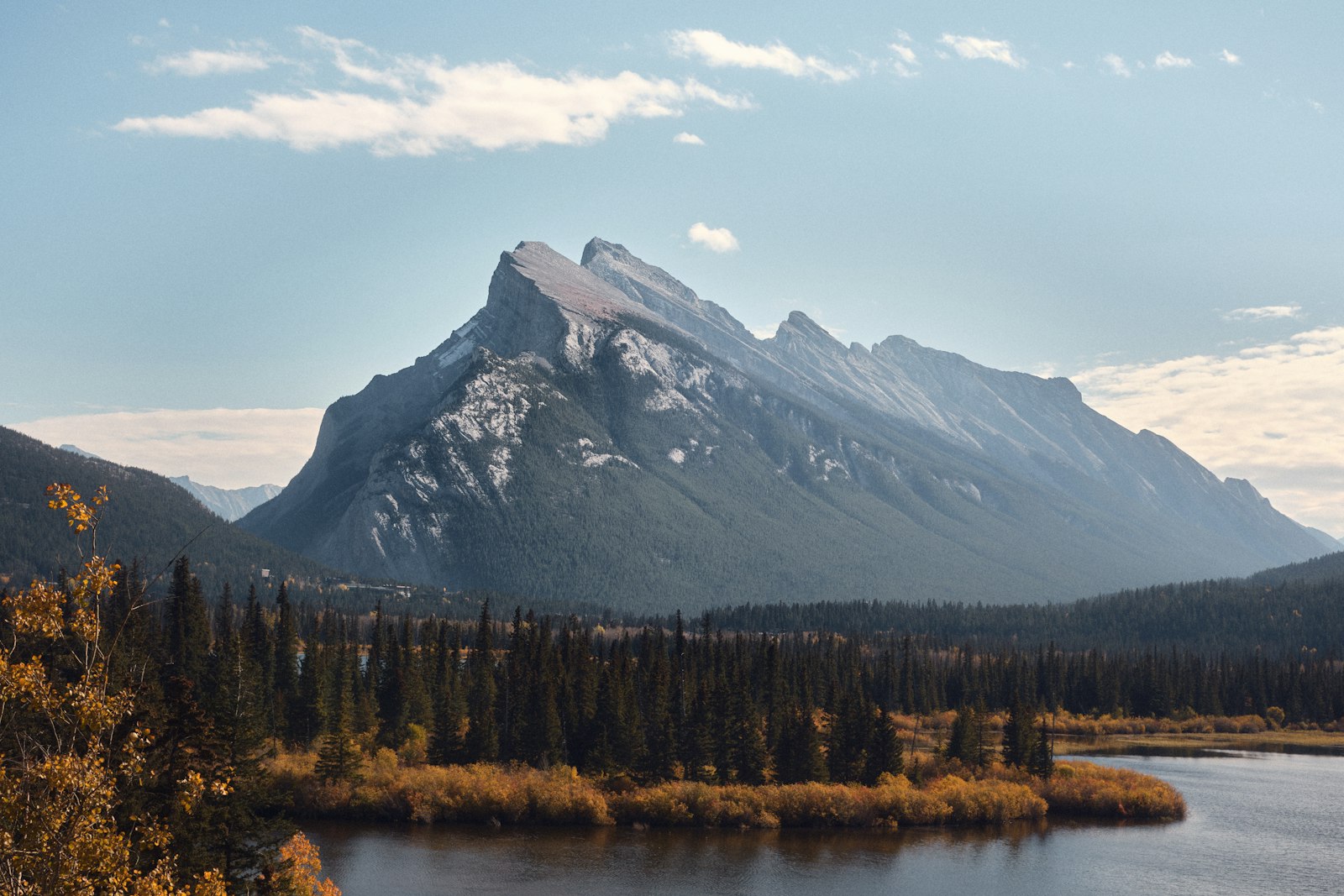
- Banff and Lake Louise, Alberta: Plan three to four nights for lakes, gondola rides, hot springs and hiking. Road and shuttle rules for Lake Louise and Moraine Lake change, so check the park website before you go.
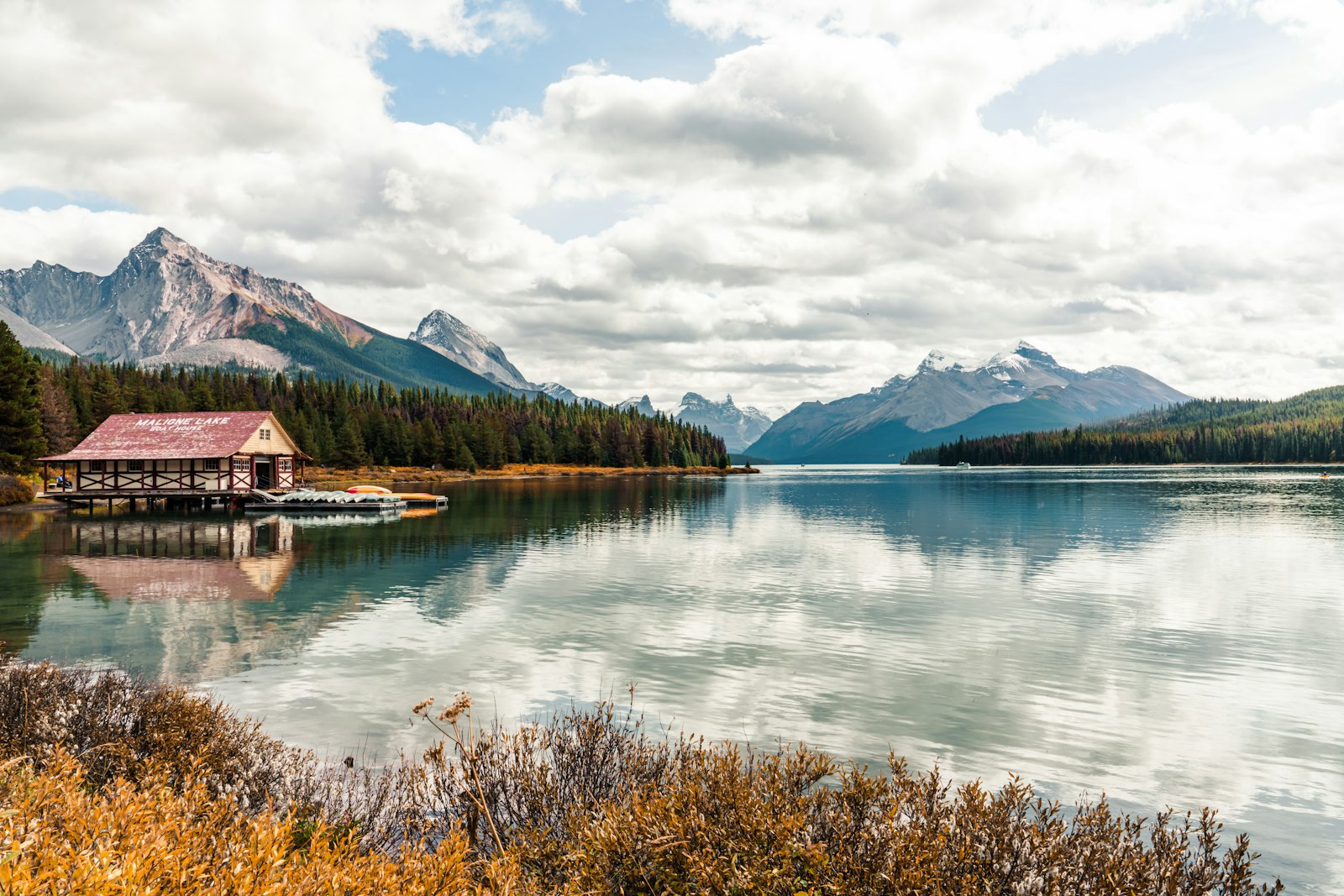
- Jasper National Park, Alberta: Quieter than Banff, with the Icefields Parkway between them. The 2024 wildfire damaged the town of Jasper, so check current services and trail status before booking.
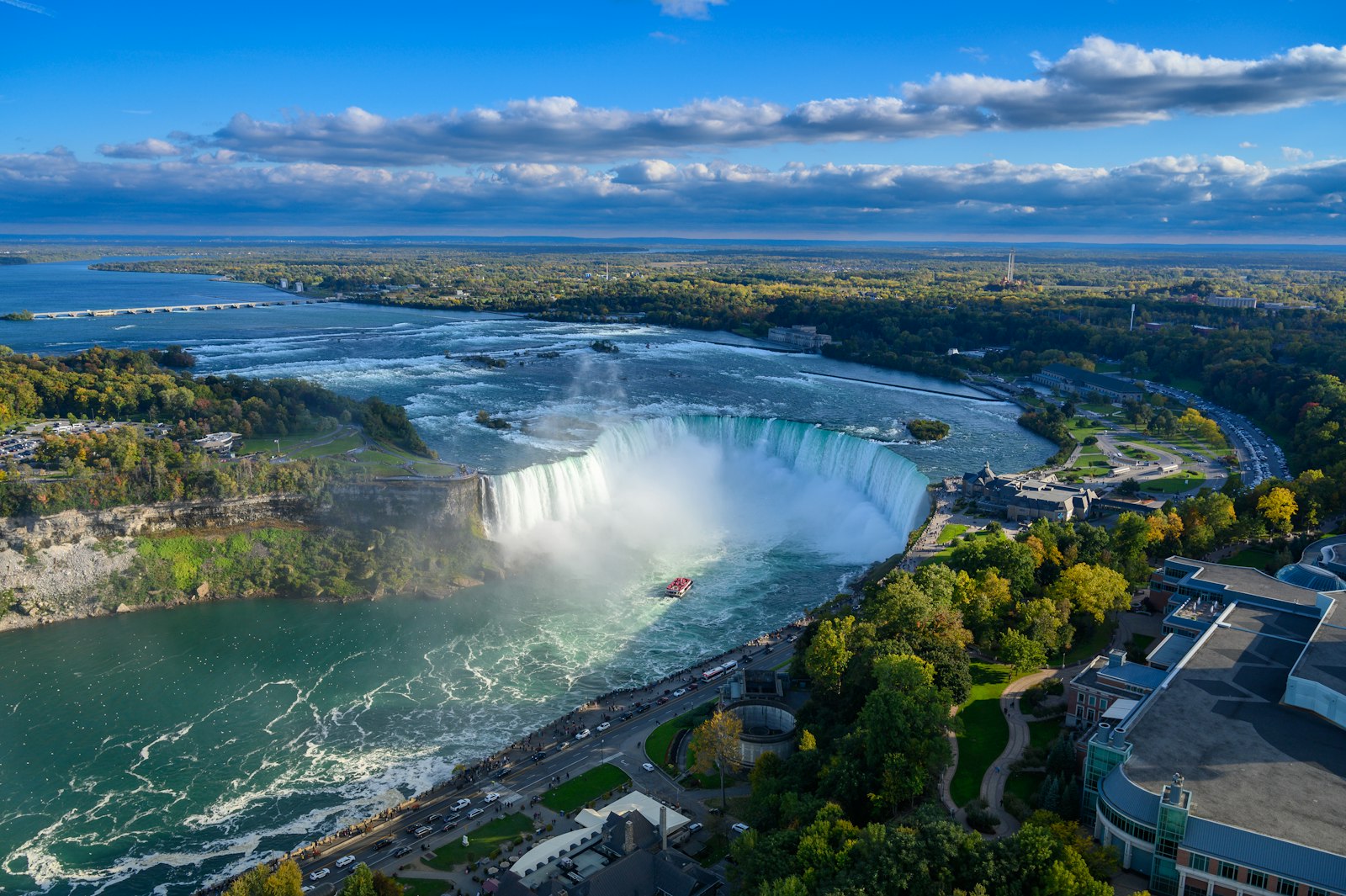
- Niagara Falls, Ontario: Half a day is enough for the falls, and a full day adds the Niagara Peninsula wineries. Many visitors combine it with Toronto, about two hours away by road.
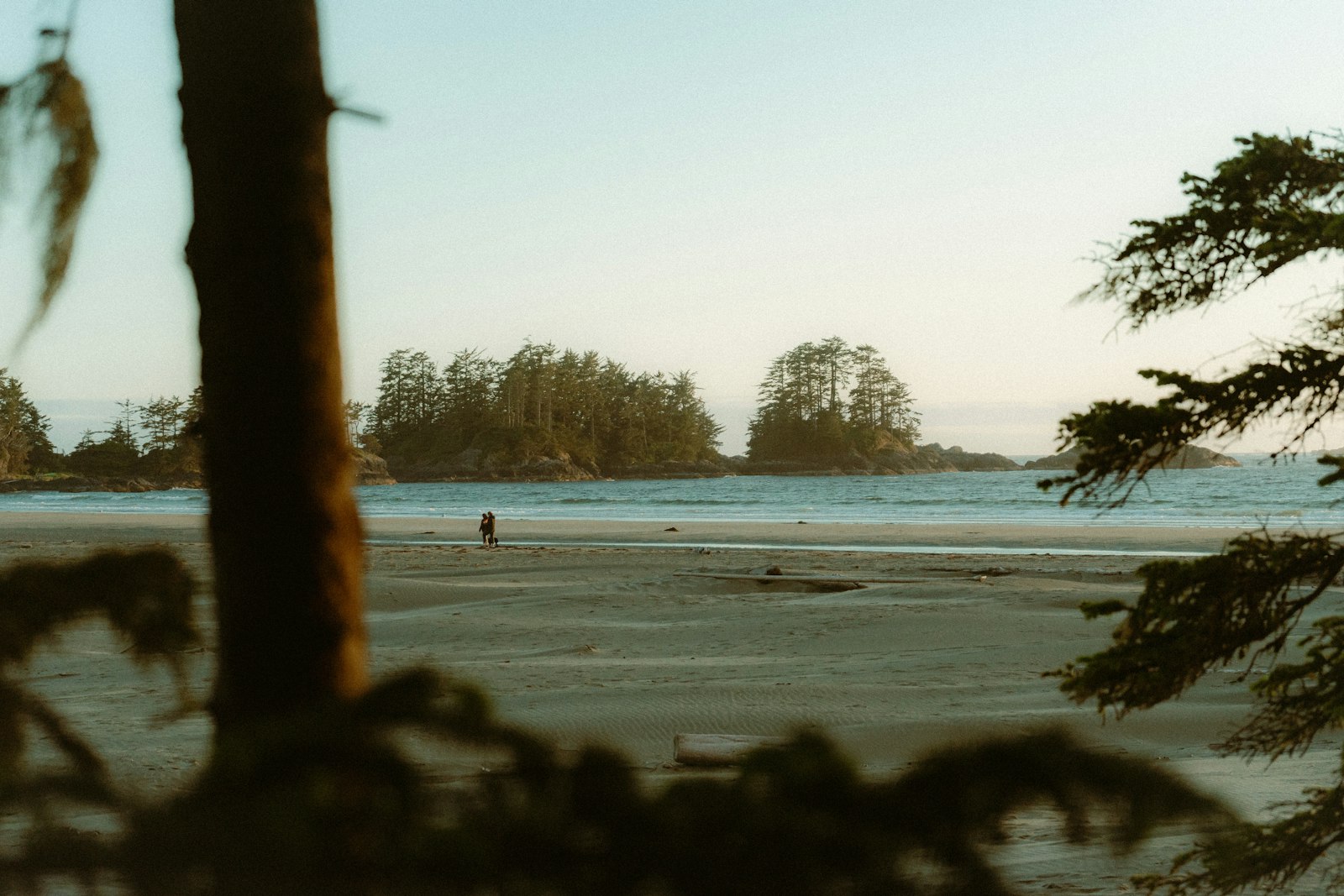
- Vancouver Island and Tofino, British Columbia: Allow three or more nights for the Pacific Rim coast, rainforest and storm-watching in winter.
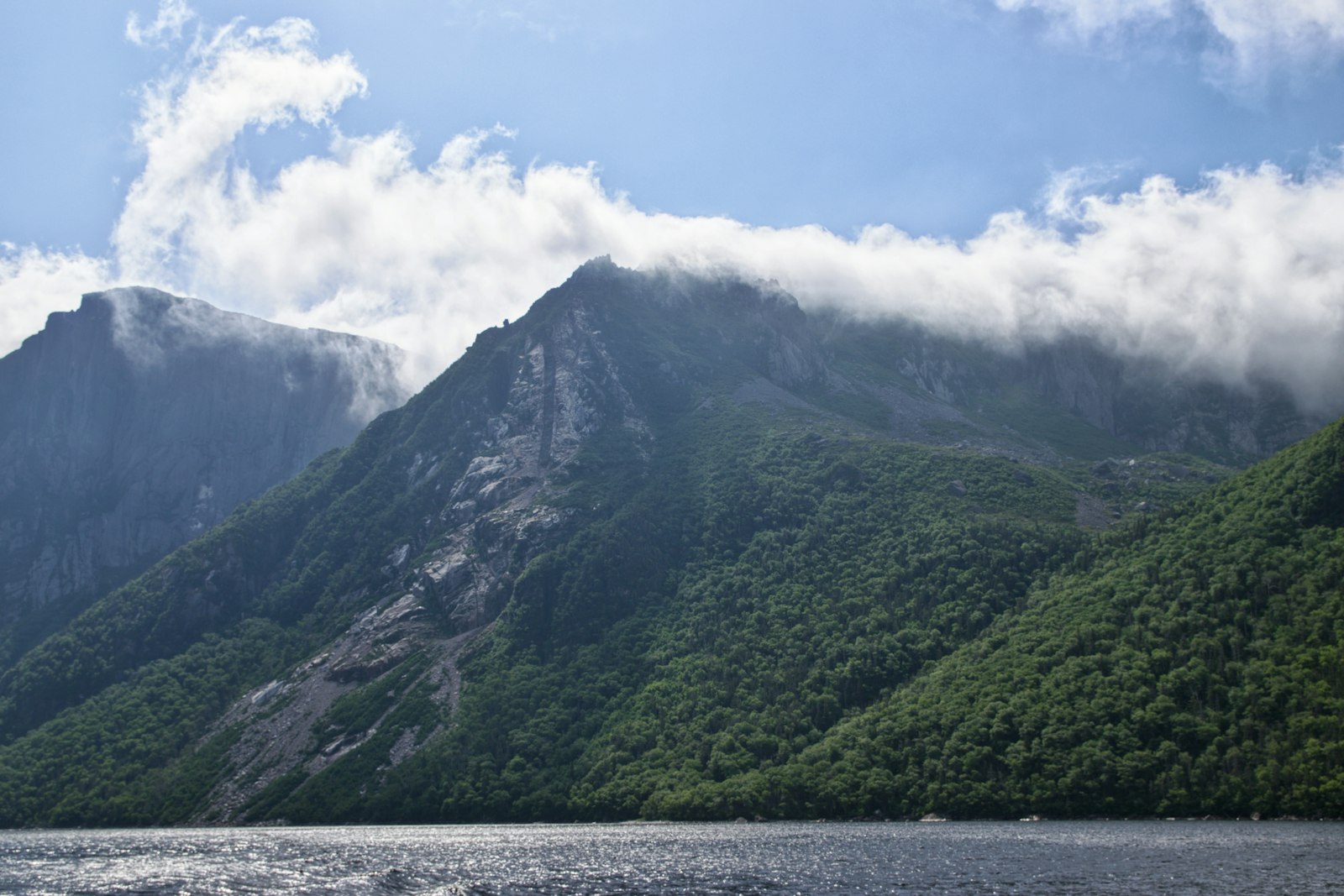
- Gros Morne National Park, Newfoundland: UNESCO listed it in 1987 for its exposed rock layers and fjord-like lakes. Allow two days.
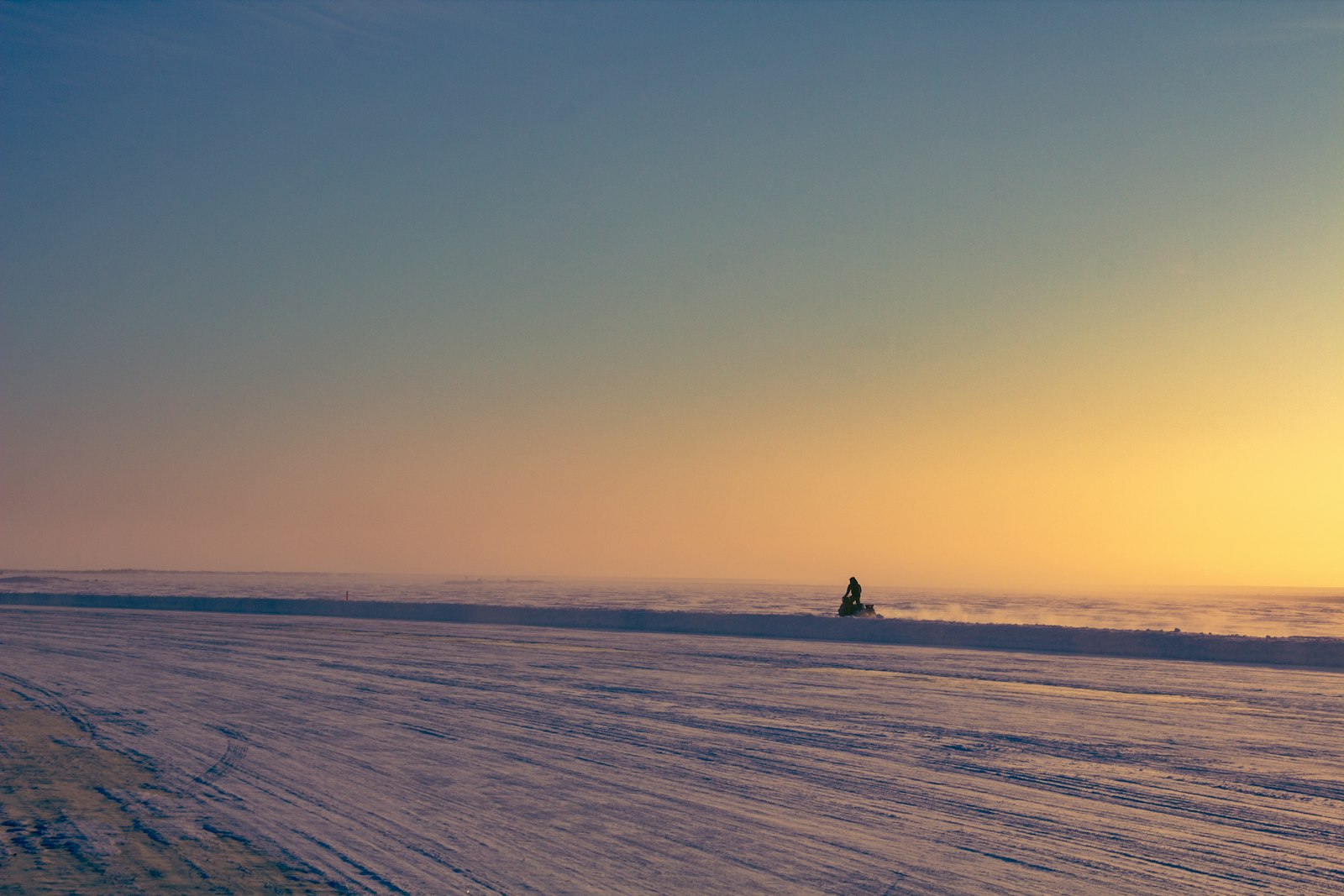
- Yellowknife, Northwest Territories: A base for northern lights viewing in the dark months. Allow three nights because clear skies can’t be guaranteed.
Where Are the Best Beaches and Coasts?
Canada’s coastlines are better for scenery and walking than for long swims, since the ocean water is cold. Summer lake beaches in Ontario and the sandy shores of Prince Edward Island are the warmest options.
- Prince Edward Island: Red cliffs, long sand dunes and small fishing harbours. Allow three nights, ideally in July or August.
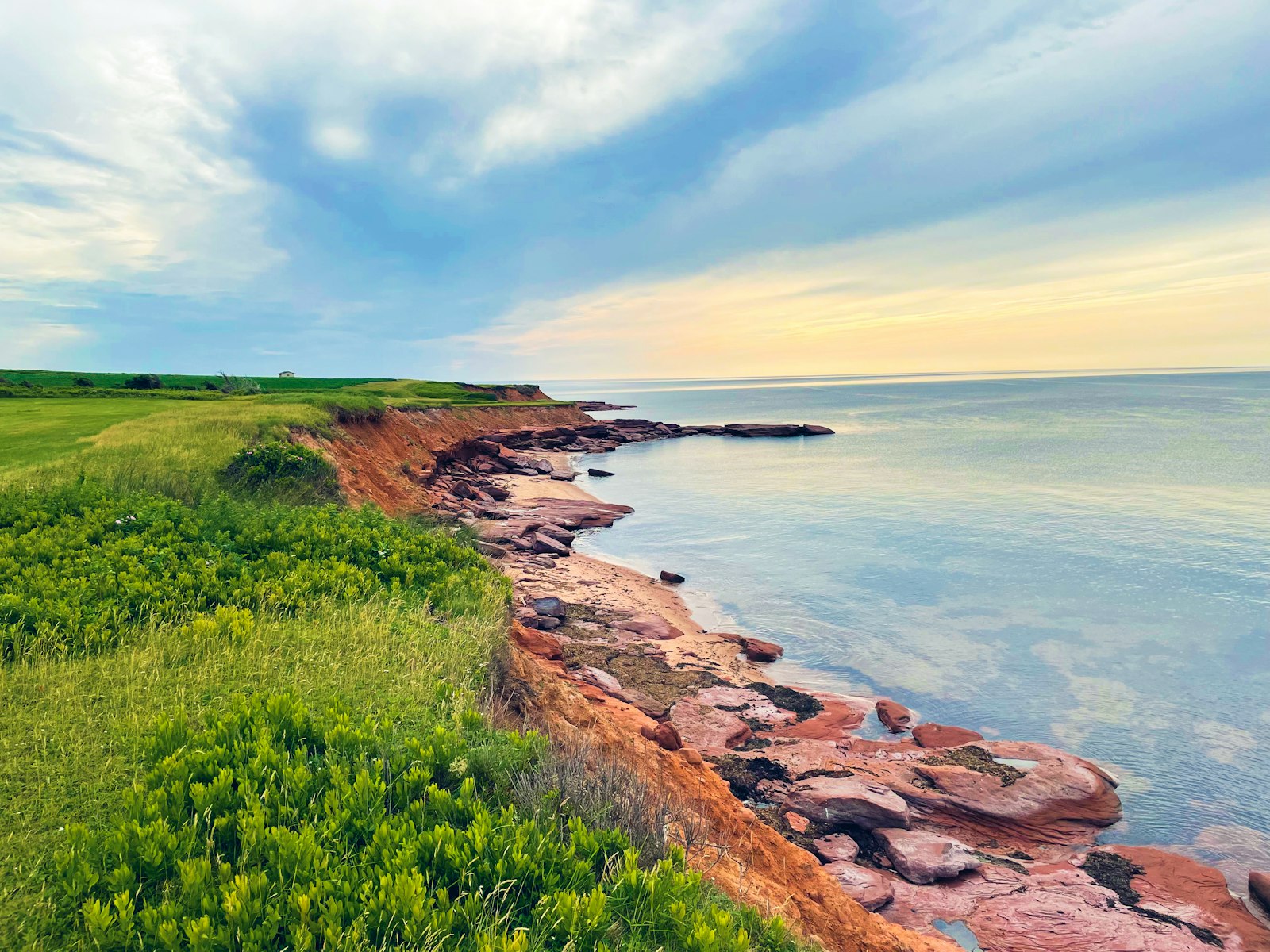
- Cabot Trail, Cape Breton, Nova Scotia: A scenic loop of roughly 300 kilometres through Cape Breton Highlands National Park. Allow two full days.
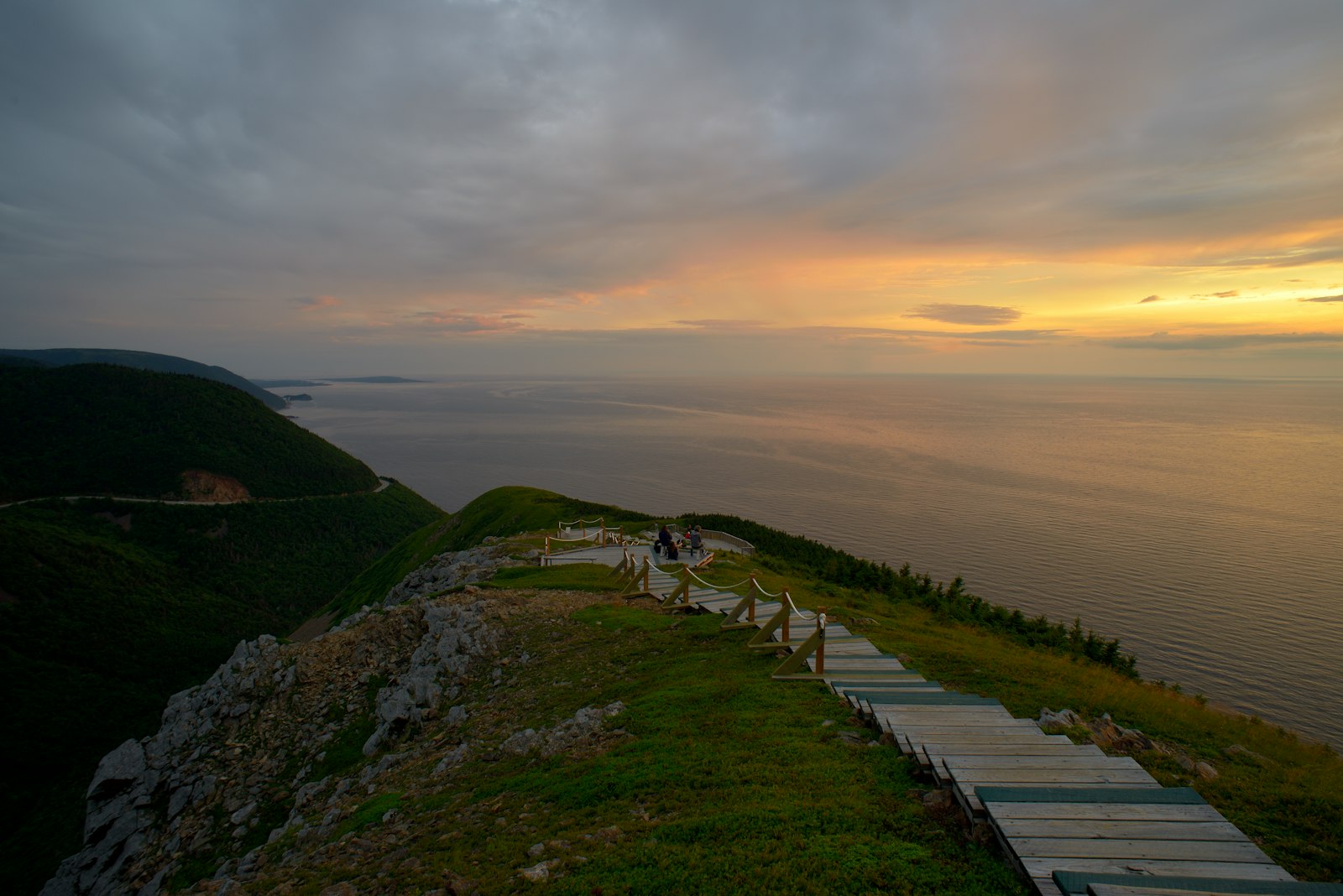
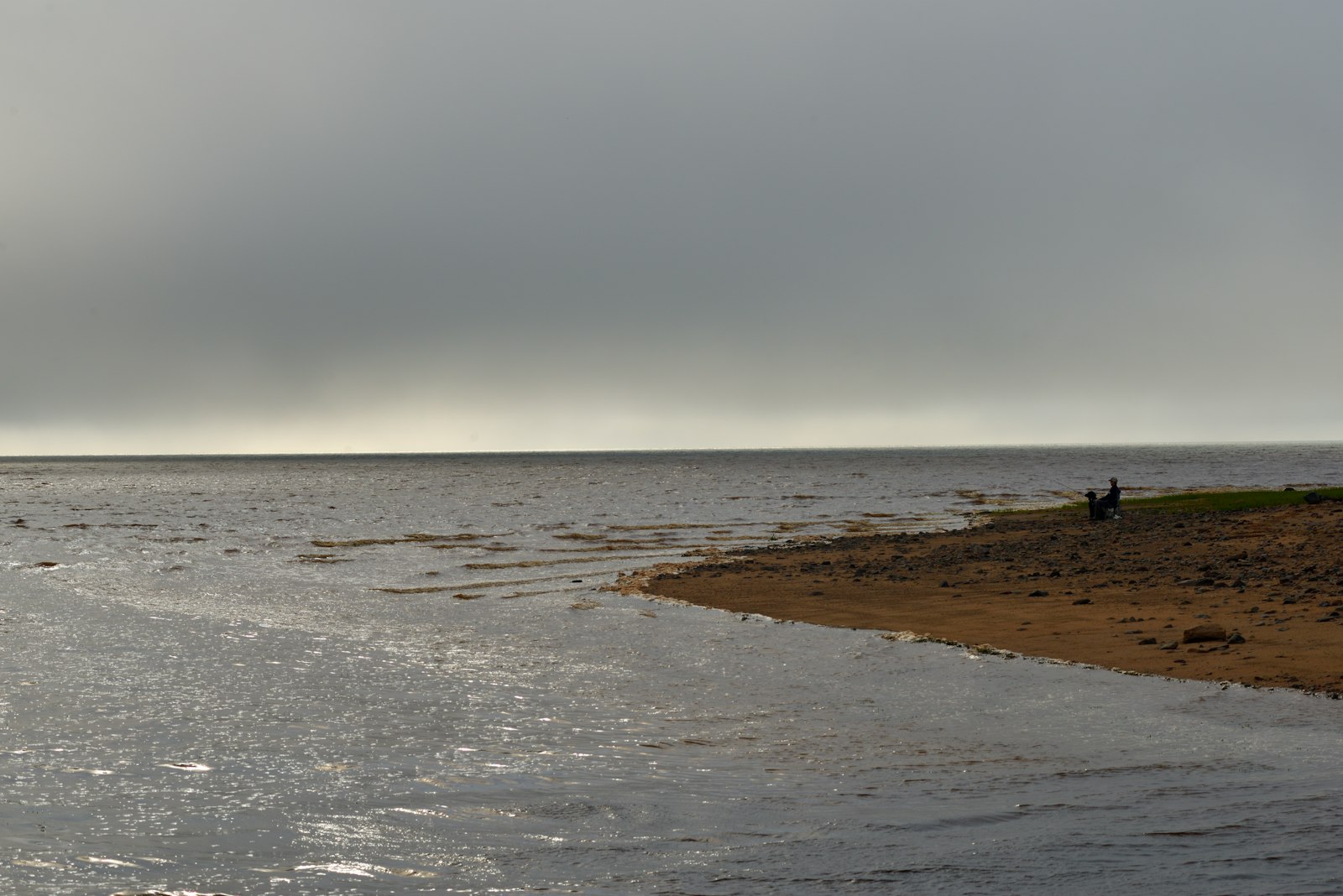
- Bay of Fundy, New Brunswick and Nova Scotia: Famous for some of the highest tides in the world. Check tide tables before visiting sites such as Hopewell Rocks.
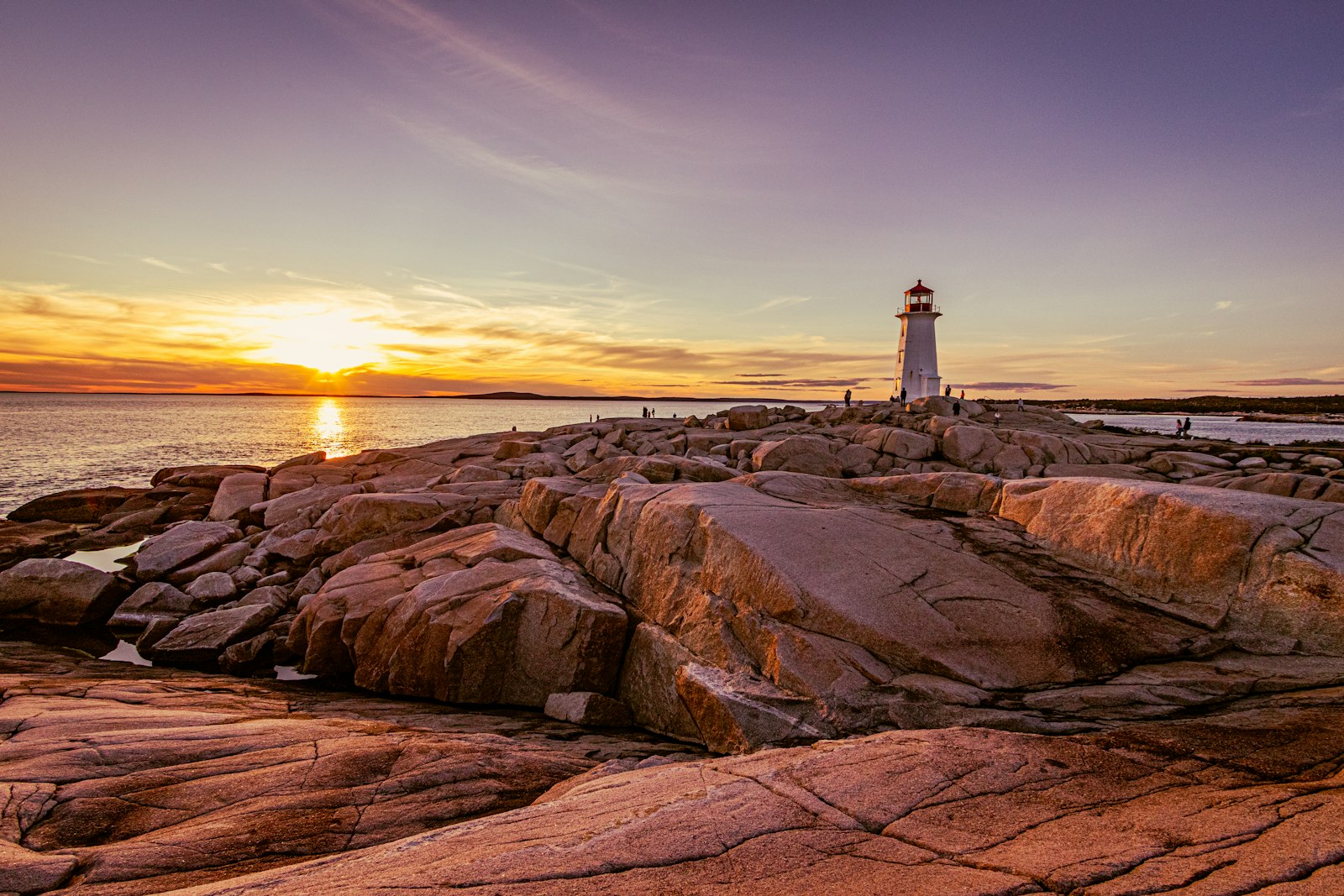
- Peggy’s Cove, Nova Scotia: A lighthouse village about 45 minutes from Halifax. Stay back from wet rocks, where waves can be dangerous.
Which Cities Are Best for Food and Culture?
Toronto, Montreal and Vancouver each give a different version of Canadian city life. Toronto has the widest mix of global cuisines and a lakeside setting. Montreal is known for bagels, smoked meat and a French-speaking arts scene. Vancouver combines mountains, sea views and strong seafood and Asian restaurants. Our main Canada travel guide describes the dishes to try in each region.
How Do the Main Places Compare?
| Place | Best for | Time needed | Main season |
|---|---|---|---|
| Quebec City | History, walking | 2 nights | Year round, winter carnival in colder months |
| Banff and Lake Louise | Mountains, hiking | 3 to 4 nights | June to September for hiking, winter for skiing |
| Niagara Falls | Waterfalls | Half to full day | May to October for the most services |
| Vancouver and Whistler | City plus coast | 3 to 4 nights | Summer, with skiing in winter |
| Cape Breton and Halifax | Coast, culture | 4 to 5 nights | June to October |
| Yellowknife | Northern lights | 3 nights | Autumn to early spring |
Which Place Should You Choose?
- Choose Quebec City if you want European-style streets without crossing the Atlantic.
- Choose Banff and Jasper if hiking and mountain lakes matter most.
- Choose the Atlantic provinces if you prefer quiet coastal drives and seafood.
- Choose Toronto and Niagara if you have a short trip and want easy transport.
- Choose the north only if you accept cold weather and long flights.
Common Mistakes When Choosing Places
- Underestimating distance: Toronto to Vancouver is a long flight, not a day trip
- Visiting mountain parks in peak summer without booking accommodation early
- Planning an Arctic trip without checking winter flight schedules
- Assuming every attraction runs all year, since many seasonal sites close after October
To turn this list into a plan, use our Canada itineraries, and read our guide to getting around Canada for distances between cities.
Best Places in Canada FAQs
What is the most visited place in Canada?
Toronto, Vancouver, Montreal and the Niagara region draw very large numbers of visitors, and Banff leads the national parks. Official visitor statistics vary by year and measurement method, so check Statistics Canada or Destination Canada for current rankings before you cite figures.
How many days do I need for the Canadian Rockies?
Four to five days lets you see Banff, Lake Louise and a stretch of the Icefields Parkway without rushing. Add two more days if you want Jasper, and allow extra time in summer for mountain traffic and shuttle queues at popular lakes.
Is Niagara Falls worth visiting?
Yes, if you can fit it in. The falls are best viewed from both the Canadian side and a boat or walkway near the base. Most visitors need half a day, and a trip fits easily between Toronto and the Niagara wine area.