A good Morocco itinerary uses few bases and long stays. Three days suit Marrakech with a coastal day, five days link two imperial cities, seven days can follow the railway from Casablanca to Marrakech, and ten days add the High Atlas and the Sahara. Each plan below keeps daily schedules light.
Last checked: November 2026
Distances in Morocco are larger than they look on the map, and medina sightseeing is tiring, so these routes avoid moving every night. Rail times come from published guides and operator timetables and can vary, while road times for the desert are left as ranges to confirm with your driver or tour operator. Match the month you travel to the weather in the best time to visit guide, and use the best places guide for detail on each stop. The official Moroccan tourism website lists regional information to help you fine-tune plans.
3-Day Itinerary: Marrakech and Essaouira
Three days is enough for one city and one change of scene. Marrakech has the most to see, and Essaouira offers a calmer day by the sea.
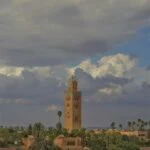
- Day 1, Marrakech: settle into a riad, visit the Koutoubia area and the main madrasa and palace, then spend the evening on Jemaa el-Fna.
- Day 2, Marrakech: explore the souks in the morning, rest at midday, and spend the afternoon in a garden or hammam.
- Day 3, Essaouira: travel to the coast, which published guides put at roughly two to three hours by bus, and walk the ramparts and harbour before returning.
Overnight: Marrakech for all nights. Consider staying a night in Essaouira if you want a slower finish.
5-Day Itinerary: Fez and Marrakech
This route pairs Morocco’s two best-known medinas with one long but easy transfer. Rail and air links between the cities mean you never need to drive yourself.
- Day 1, Fez: arrive, join a short guided orientation walk and keep the evening free.
- Day 2, Fez: visit the craft quarters, madrasas and markets at a relaxed pace.
- Day 3, transfer to Marrakech: trains take about six to seven hours according to published guides, while a flight is roughly an hour. Choose the train for scenery or the flight to save the day.
- Day 4, Marrakech: main monuments in the morning, souks later.
- Day 5, Marrakech: a flexible day for shopping, a cooking class or a garden visit before departure.
Overnights: two in Fez, two in Marrakech.
7-Day Itinerary: Casablanca to Marrakech by Rail
This version follows the railway, which keeps transfers predictable. Published guides give about one hour from Casablanca to Rabat, roughly two and a half hours from Rabat to Fez and about two and a half hours from Casablanca to Marrakech.
- Day 1, Casablanca: visit the Hassan II Mosque on a guided tour, and keep the rest of the day easy. See the mosque’s official visit page for current arrangements.
- Day 2, Rabat: a full day for the capital’s old kasbah, the sea front and the main avenues. Travel on in the late afternoon if you prefer to start Fez early.
- Days 3 and 4, Fez: guided medina walk, craft workshops and a slower second day.
- Day 5, transfer to Marrakech: allow most of the day for the train or take a short flight.
- Day 6, Marrakech: monuments and souks.
- Day 7, Marrakech or Essaouira: a final market morning, or a coastal day trip if your departure is not too early.
Overnights: Casablanca, Rabat, two in Fez, then Marrakech. It involves three transfers, so pack light.
10-Day Itinerary: Imperial Cities, Atlas and Sahara
Ten days allows one desert night without rushing, but it contains some of the longest road days in the country. Use a driver or a small-group tour for these sections, and ask for realistic drive times in writing, because published estimates vary with stops and weather.
- Days 1 and 2, Marrakech: sightseeing, souks and an evening in the main square.
- Day 3, High Atlas to Aït Benhaddou: cross the mountains by road, stopping at viewpoints, and see the ksar in the late afternoon light.
- Day 4, Merzouga: a long journey east, arriving in time for a sunset dune walk and a desert camp night.
- Day 5, Merzouga: sunrise over the dunes, a slow morning, and an easy day in the area.
- Day 6, towards Fez: another long road day, so plan no sightseeing beyond a lunch stop.
- Days 7 and 8, Fez: two days to explore the medina properly.
- Day 9, Chefchaouen: reach the blue town by road, since there is no train, and spend the afternoon walking.
- Day 10, departure: continue by road to the northern coast or return to Fez, depending on your flight.
Overnights: two in Marrakech, one in the Aït Benhaddou area, two in Merzouga, then Fez, Fez, Chefchaouen. Winter snow can affect the mountain road, so check the national weather service before leaving Marrakech between December and March.
Practical Advice for Any Route
- Book the long journeys first, since desert transfers and trains between major cities are the least flexible parts of the plan.
- Keep medina mornings free of hard deadlines. Lanes are confusing and a first-day guide pays for itself.
- Add a buffer night near your departure city for any plan with a morning flight.
- Avoid the heat of midday in summer by sightseeing early and resting inside.
- Reconfirm train times, tour pickups and camp bookings a few days before each leg.
Frequently Asked Questions
How many days do you need in Morocco?
Five to seven days cover two or three cities comfortably. Ten days allow a desert night, while three days work best if you stay in Marrakech with one day trip.
Can I do Marrakech to Fez in one day?
It is possible by train or flight, but the train takes six to seven hours according to published guides. Treat the transfer day as mostly travel and avoid planning much sightseeing around it.
Is it worth going to the Sahara on a short trip?
It can be, but the road time is long. With fewer than eight days, many travellers focus on cities and the coast, then save the desert for a longer visit.
Should I rent a car for these routes?
Not for the rail-based routes. For the Atlas and desert, a driver or small-group tour is simpler than self-driving, and medina areas are closed to cars in any case.