The best places to visit in Morocco are Marrakech, Fez, Chefchaouen, the Sahara dunes at Merzouga, Aït Benhaddou, Essaouira and the High Atlas. Most first trips link two or three historic cities with one coastal stop and one night in the desert or mountains. Choose a few regions rather than trying to see everything.
Last checked: November 2026
Morocco rewards travellers who pick a route and travel at an easy pace. This guide groups the main highlights by type, explains why each one is worth the time, suggests how long to allow and says who will enjoy it most. Nine places in the country carry UNESCO World Heritage status, and the UNESCO World Heritage List for Morocco shows the full set. For a route that strings these stops together, see our Morocco travel guide and the entry rules in the visa guide.
Historic Cities and Kasbahs
Marrakech
Marrakech is the busiest and most energetic of the imperial cities, and its medina has been a World Heritage Site since 1985. The Koutoubia minaret rises above the old town, the Bahia Palace and the Ali ben Youssef Medersa show the skill of earlier dynasties, and the square of Jemaa el-Fna fills every evening with storytellers, musicians and food stalls.
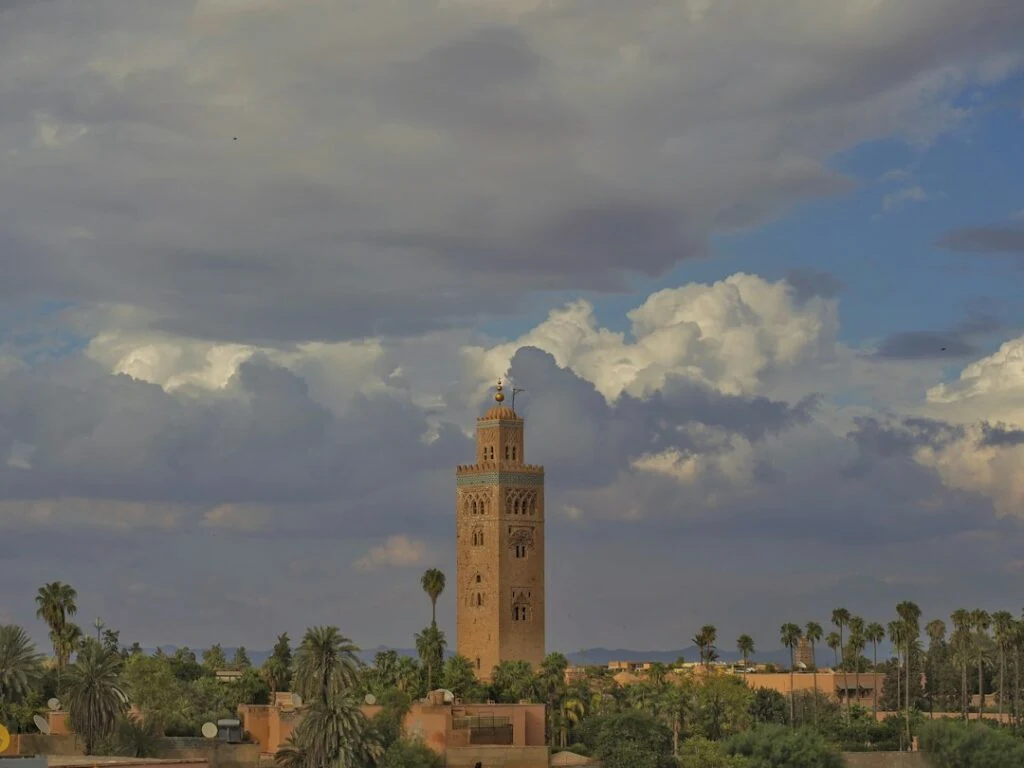
Allow two to three nights, which gives you time for the main monuments, the souks and a rest in a garden or hammam. It suits first-time visitors, couples and food lovers. Medina lanes are too narrow for cars, so book a riad that will send someone to meet you at the nearest gate.
Fez
Fez has the oldest of Morocco’s imperial medinas, and in 1981 it became the country’s first World Heritage Site. The walled old quarter, Fes el-Bali, is a maze of workshops, madrasas and fountains where tanners, dyers and metalworkers still work in their own lanes.
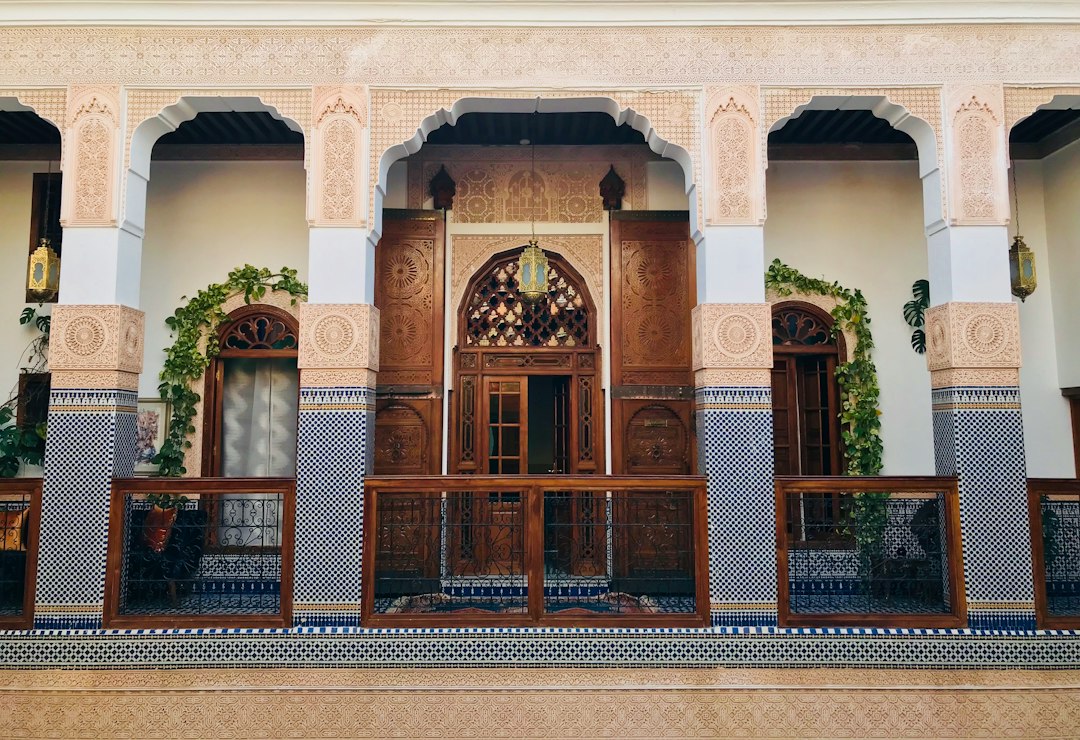
Plan two nights. A local guide on the first morning saves a lot of wrong turns, because street signs are few and the lanes twist and climb. Fez suits history lovers, craft enthusiasts and anyone who prefers a slower, more traditional atmosphere than Marrakech. Wear sturdy shoes for the steep, uneven paving.
Aït Benhaddou
Aït Benhaddou is a fortified village of earth-built houses on a hillside beside a river, and UNESCO listed it in 1987. Only a few families still live inside the ksar, and its towers and walls have appeared in many films.
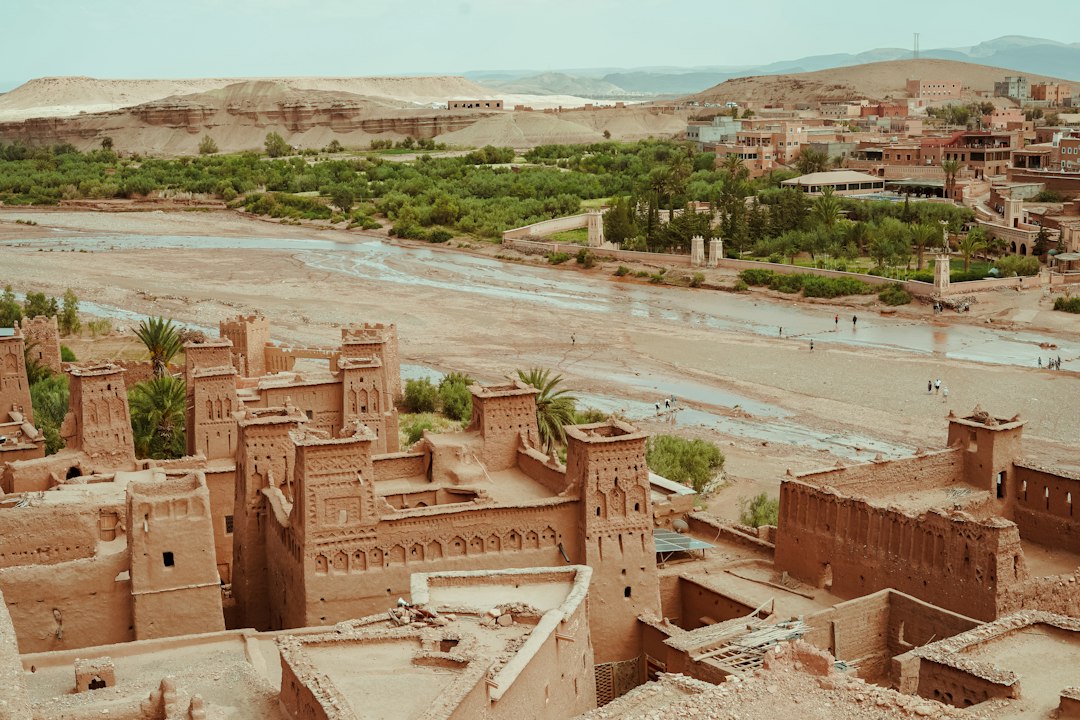
A half day covers the village, or stay overnight nearby to see it quiet at sunrise and in the evening. Film fans can add the studios in Ouarzazate. It suits history lovers and anyone driving between Marrakech and the desert.
Major Cities and Landmarks
Casablanca
Casablanca is Morocco’s largest city and commercial hub, and its signature landmark is the Hassan II Mosque, built on a promontory over the Atlantic with a minaret about 210 metres tall. It is one of very few mosques in the country that non-Muslim visitors can enter, and only on a guided visit. Check current tour arrangements on the mosque foundation’s official visit page.
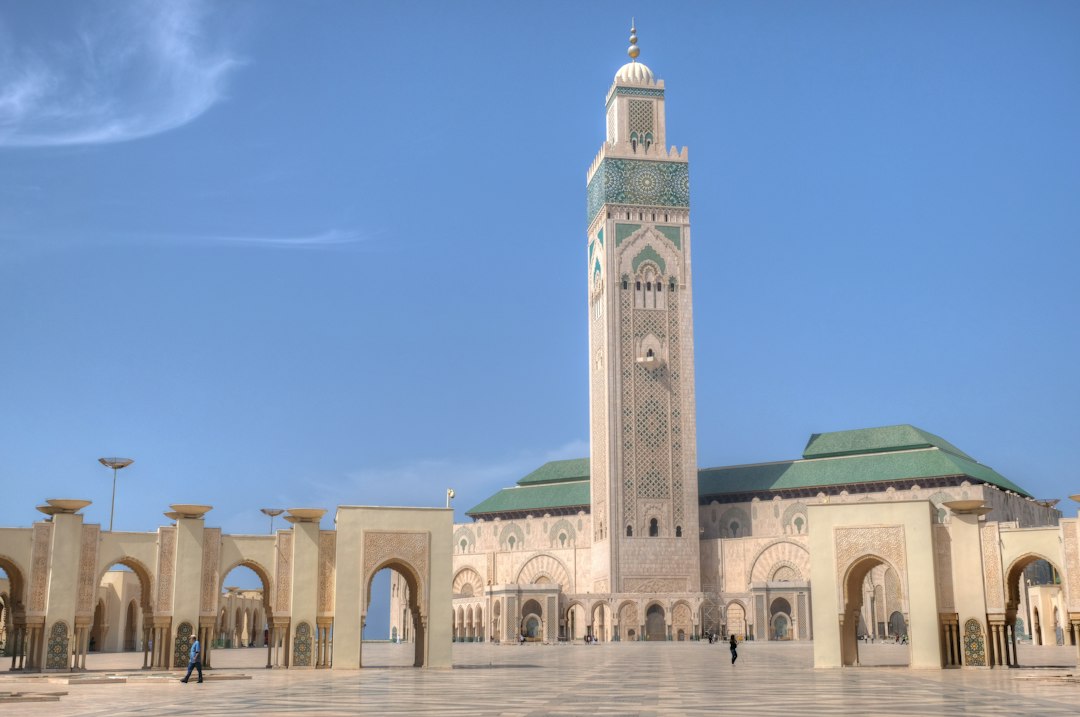
A half day is enough for the mosque and a walk along the seafront. Tours last about 45 minutes and visitors should dress modestly, covering shoulders, chest and knees. The city suits architecture lovers and travellers passing through at the start or end of a trip.
Rabat
Rabat, the capital, joined the World Heritage List in 2012 as a modern capital and historic city. It feels calmer than Marrakech or Casablanca, with wide avenues, an old walled kasbah above the Atlantic and a relaxed river-mouth setting.
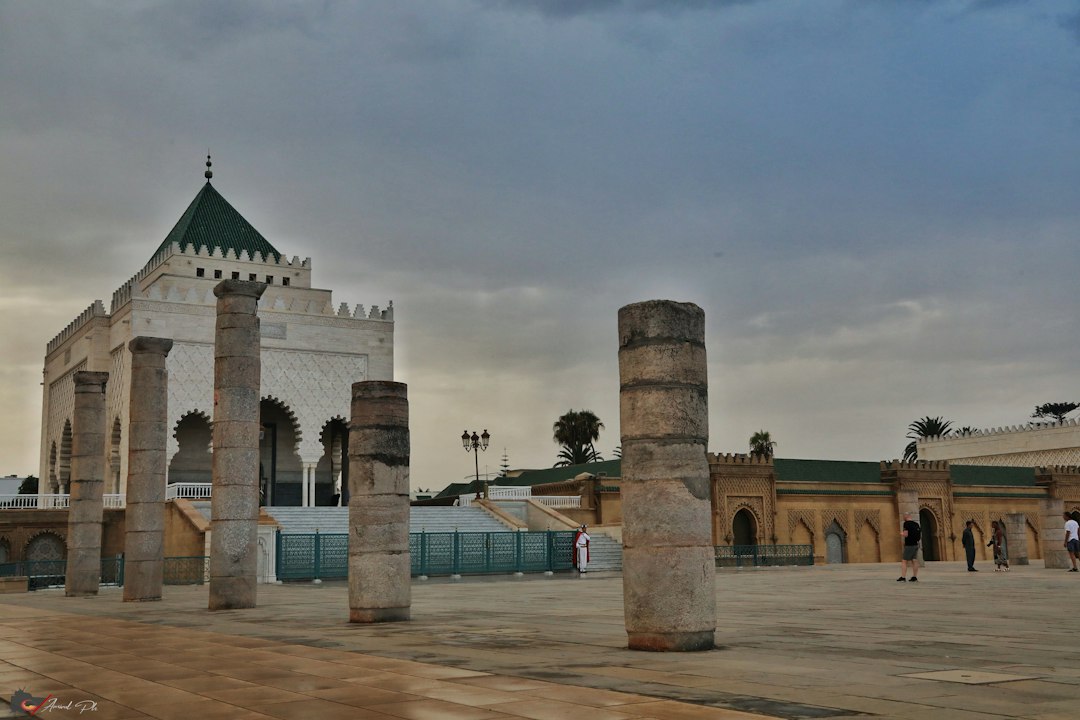
One day is enough for a first visit. Rabat suits travellers who like easy walking, government-quarter architecture and sea air, and it works well as a stop between Casablanca and the northern towns.
Coast and Beaches
Essaouira
Essaouira is a fortified Atlantic port whose medina was inscribed by UNESCO in 2001. Sea walls, a working fishing harbour and bright, breezy streets give it a relaxed feel, and the steady wind makes it a favourite with kitesurfers and windsurfers.
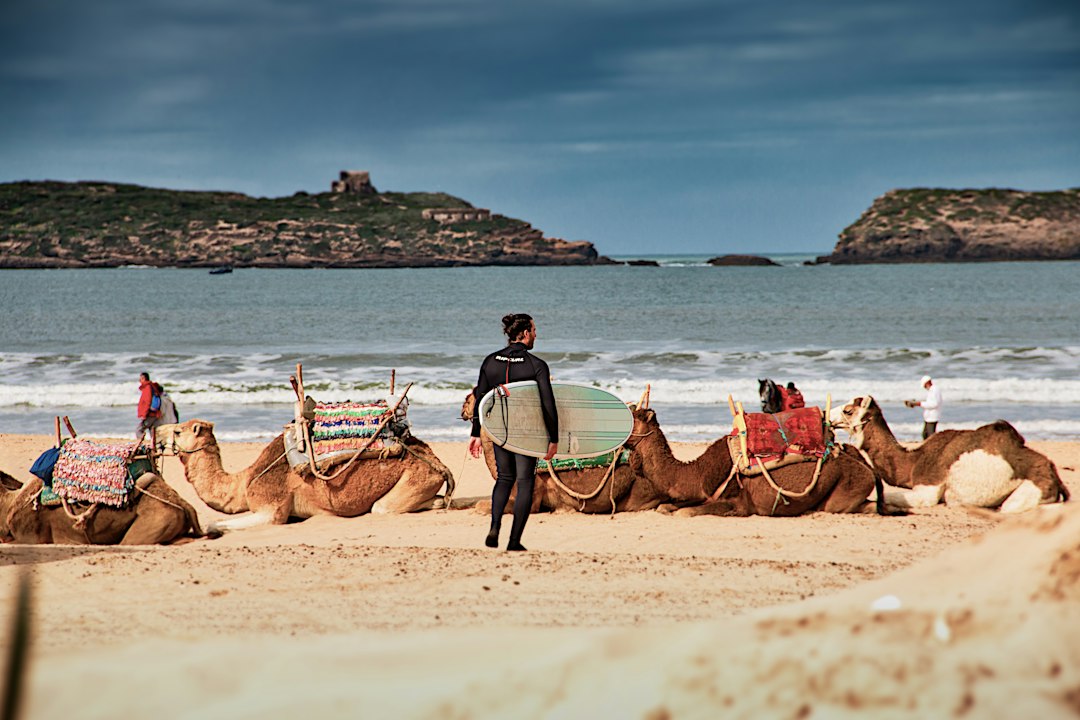
Two nights is a good length. It suits couples, water-sports fans and anyone who wants a slower stop after the cities. Bring a light jacket, since the wind can be strong even in warm months. Surf towns such as Taghazout, further south, are another option for beach time.
Mountains, Desert and the Outdoors
High Atlas and Jbel Toubkal
The High Atlas holds Jbel Toubkal, which reaches 4,165 metres and is the highest peak in North Africa. Bases such as Imlil open the way to mountain villages, walnut groves and valley trails, so you can enjoy the scenery without climbing the summit.
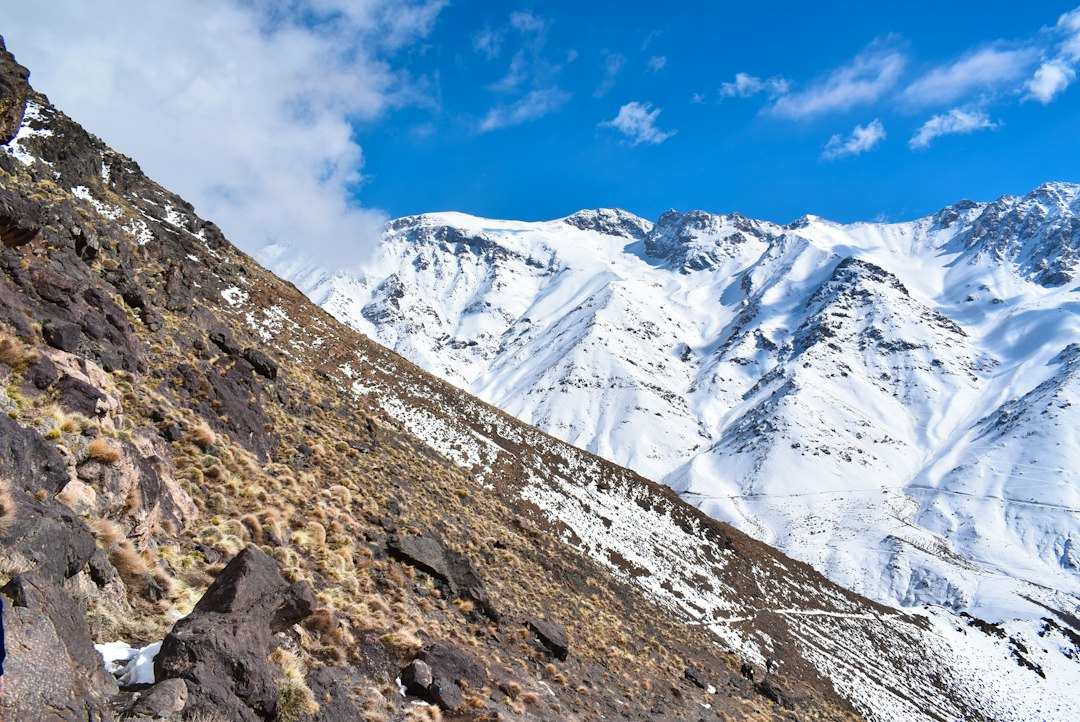
Allow about two days for a summit attempt and one or two for gentler village walks. It suits hikers and families who want a cooler break from the cities. Conditions change quickly with weather and snow, so ask a local guide or your guesthouse about current trail conditions before setting out.
Merzouga and the Erg Chebbi Dunes
Merzouga sits at the edge of the Sahara in the south-east, where tall dunes rise out of the desert. Visitors come for sunrise over the sand, camel rides and a night in a desert camp.
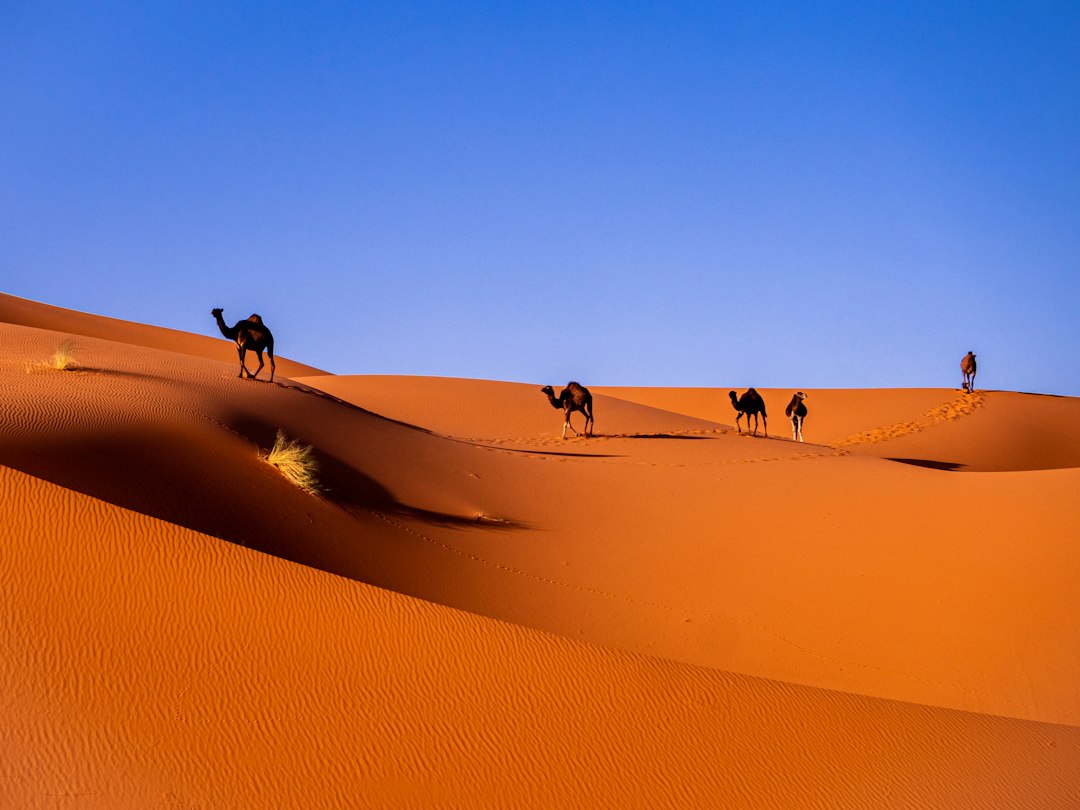
The journey is long, so most travellers allow two nights, with a full day in the dunes. It suits adventurous travellers, photographers and families with older children. Midsummer heat is intense, and camps vary in comfort, so confirm facilities and transfers when you book.
Culture and Small-Town Charm
Chefchaouen
Chefchaouen is the blue-washed town in the Rif Mountains, known for calm lanes, painted steps and a mountain backdrop. It is a place to wander, browse woven goods and enjoy hillside views rather than tick off monuments.
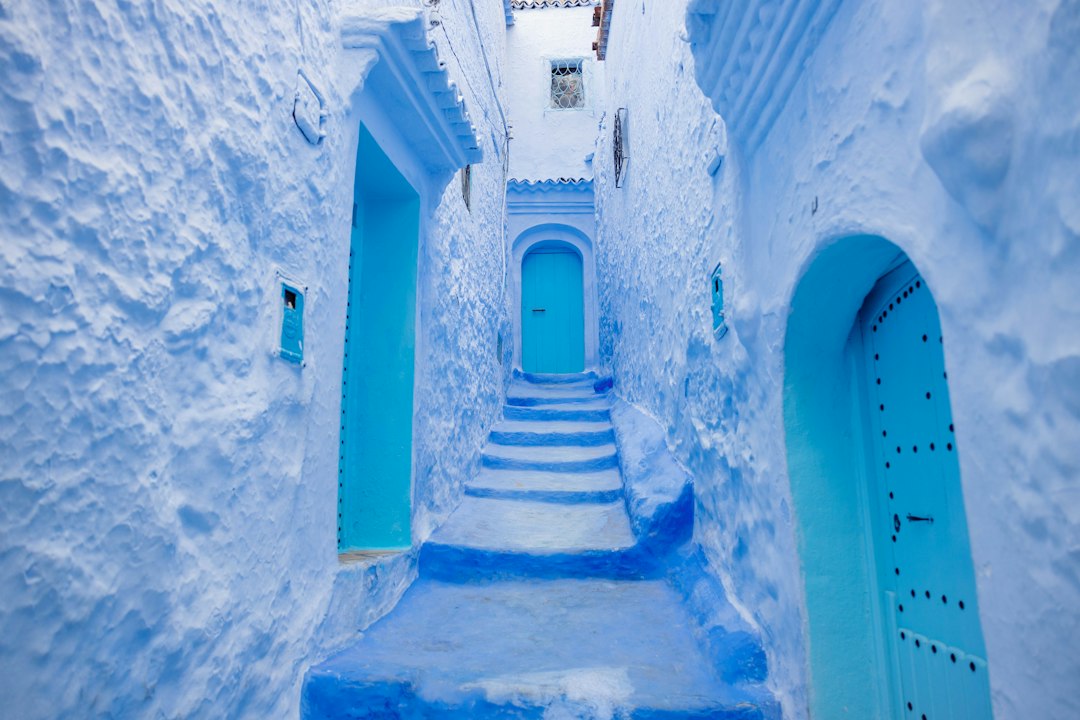
One or two nights is plenty. It suits photographers, slow travellers and anyone heading between Tangier and Fez. The lanes are steep and cobbled, so pack comfortable shoes, and ask permission before photographing residents.
Food-Focused Stops
If food drives your trip, base yourself in Marrakech or Fez. Both have cooking classes, busy spice and produce markets and a wide range of restaurants, from market stalls to riad dining rooms. Essaouira is the easiest place to eat fresh grilled fish by the harbour. Join a market tour with a local guide to learn what you are looking at.
Choosing Between the Highlights
Short on time? Pair Marrakech with Essaouira or the Atlas. With a week or more, add Fez and Chefchaouen, or Aït Benhaddou and Merzouga. Distances are large, so avoid moving every night. Opening hours, guided-tour times and site access can change, so check locally before you go.
Frequently Asked Questions
What is the best place in Morocco for a first visit?
Marrakech is the usual starting point, thanks to its medina, monuments and food. Pair it with Essaouira for sea air or a day in the Atlas, then add Fez if you have a few more days to spare.
How many UNESCO World Heritage Sites are in Morocco?
Morocco has nine, all listed for their cultural value. They were inscribed between 1981, when Fez was first, and 2012, when Rabat joined the list. They include Marrakech, Aït Benhaddou, Essaouira and Meknes.
Can non-Muslims enter mosques in Morocco?
Most mosques are closed to non-Muslims. The Hassan II Mosque in Casablanca is a well-known exception, open on guided visits outside prayer times. Dress modestly and check the official visit page before you go.
Is Merzouga worth the long journey?
Many travellers say yes, because the dunes and a night in a desert camp are unlike anything else in the country. Allow two nights so the long drive is not your only memory, and book camps with clear details on facilities.