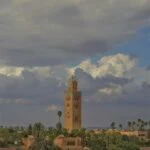
The best time to visit Morocco is spring (March to May) and autumn (September to November), when most cities are warm rather than hot. Summer suits the Atlantic coast and mountains, while winter brings mild sun to Marrakech and snow to the Atlas. The ideal month depends on which region you plan to explore.
Last checked: November 2026
Morocco spans an ocean coast, high mountains and the edge of the Sahara, so one calendar rarely fits the whole country. Temperatures and rainfall below are long-term averages from published climate tables, rounded for planning. Check forecasts shortly before departure on the national weather service, the Direction Générale de la Météorologie, because individual years can run hotter, colder or wetter. Once you have a season in mind, our best places guide helps match regions to the weather.
Why the Best Time Differs by Region
Atlantic Coast
Casablanca, Essaouira and Agadir stay moderate all year. Average daytime highs climb to roughly 26 to 27°C in midsummer, with Essaouira a little cooler and breezier. Winters are mild but wetter in the north, and Casablanca receives most of its rain between November and March. The Atlantic stays cool even in summer, so beach days are about sunshine rather than warm water.
Inland Imperial Cities
Marrakech and Fez have a more continental climate. In July and August highs average around 36°C in Marrakech and 34°C in Fez, and afternoons can feel hotter. Winter days are pleasant, around 16 to 20°C, but nights turn cold, and Fez receives noticeably more rain than Marrakech between November and April.
Sahara and Southern Oases
Merzouga has a hot desert climate. Daytime highs often reach about 39°C in June and 43°C in July, and winter days are mild but nights can be cold. Most visitors choose October to April for dune trips. In midsummer many operators reduce or pause desert trips because of the heat.
Atlas and Rif Mountains
The High Atlas is coolest and snowiest from winter into early spring, and trails can be snow-covered. Late spring to early autumn is the usual window for hiking. The Rif and the northern coast around Tangier receive the heaviest winter rainfall in the country.
Month-by-Month Conditions
Daytime highs below refer to Marrakech and Fez unless stated.
- January: about 18°C in Marrakech and 16°C in Fez, cold nights, snow in the Atlas. The Amazigh New Year on 14 January is a public holiday.
- February: 20°C and 18°C. Fez is at its wettest, with roughly 70 mm of rain on average.
- March: 22°C and 19°C, green countryside after winter rain.
- April: 24°C and 21°C, one of the most comfortable months for city sightseeing.
- May: 27°C and 25°C, drier, with long sunny days.
- June: 31°C and 29°C. The coast is pleasant, while Merzouga approaches 39°C.
- July: 36°C and 34°C, very little rain. Essaouira stays near 26°C. Throne Day falls on 30 July.
- August: 36°C and 34°C, similar to July, with Merzouga around 42°C.
- September: 32°C and 31°C, heat easing, first autumn showers possible.
- October: 27°C and 25°C, ideal for cities and the desert alike.
- November: 22°C and 20°C. Rain returns, especially in the north and in Fez, which averages about 66 mm.
- December: 19°C and 17°C, crisp nights, snow on the high peaks.
Festivals, Public Holidays and Ramadan
Islamic holidays follow the lunar calendar and move about eleven days earlier each year, and the exact day depends on moon sighting. For 2027 the provisional dates are: Ramadan beginning around 8 February, Eid al-Fitr around 10 March and Eid al-Adha around 17 May. Confirm them nearer the time.
Fixed national holidays include Independence Manifesto Day (11 January), Amazigh New Year (14 January), Labour Day (1 May), Throne Day (30 July), the Green March anniversary (6 November) and Independence Day (18 November). Museums, banks and some shops close on these days, so plan transport and sightseeing around them.
Travelling During Ramadan
Ramadan is a fascinating time to visit, though daytime hours shift. Government offices and many small businesses open later and close earlier, some attractions change schedules, and evenings after sunset become the lively part of the day. Avoid eating or drinking openly in smaller towns while people are fasting, and book transport ahead for the days around Eid.
School Holidays and Busy Periods
Domestic travel is heaviest around Eid and in the summer months, so trains, buses and rooms in coastal towns fill up earlier. This is general planning advice, not a published schedule. The official Moroccan tourism website is a good place to check events for your dates.
Peak and Low Season
Spring and autumn are the busiest seasons for city and cultural travel, with the Christmas and New Year period also popular for Marrakech. Midsummer is quieter in the inland cities and the desert because of the heat, though the coast stays lively. Winter is the low season for the Atlas and the north, when snow and rain affect roads and trails.
Best Season by Travel Style
- Cities and culture: March to May and October to November.
- Desert trips: October to April, avoiding the hottest months.
- Hiking in the Atlas: late spring to early autumn. Winter climbs need proper equipment and local guidance.
- Beach and coast: June to September on the Atlantic, remembering the sea stays cool.
- Photography and quiet sightseeing: early spring and late autumn, when light is soft and crowds thinner.
What to Pack
Pack layers in every season, because desert and mountain nights are cold even after hot days. Bring a light rain jacket from November to April, sunscreen, sunglasses and a hat for the rest of the year, and sturdy shoes for uneven medina lanes. Loose, breathable clothing that covers shoulders and knees is comfortable in the heat and respectful in smaller towns.
Frequently Asked Questions
What is the best month to visit Morocco for the first time?
April and October are the safest bets, with warm, mostly dry weather for cities and desert trips alike. March, May and November also work well, depending on whether you prefer cooler or warmer days.
Is Morocco too hot in summer?
Inland cities and the desert can be very hot in July and August, with Marrakech averaging around 36°C. The Atlantic coast and mountains are far more comfortable, so summer trips work best when built around those areas.
When is Ramadan in 2027?
Provisional calendars place the start of Ramadan around 8 February 2027, with Eid al-Fitr about 10 March. The exact dates depend on moon sighting, so check local announcements before you finalise bookings.
Does it rain much in Morocco?
Rain is mostly a winter feature, concentrated between November and April, especially in the north and in Fez. Marrakech and the south are drier, and from June to September rainfall is very low across most of the country.