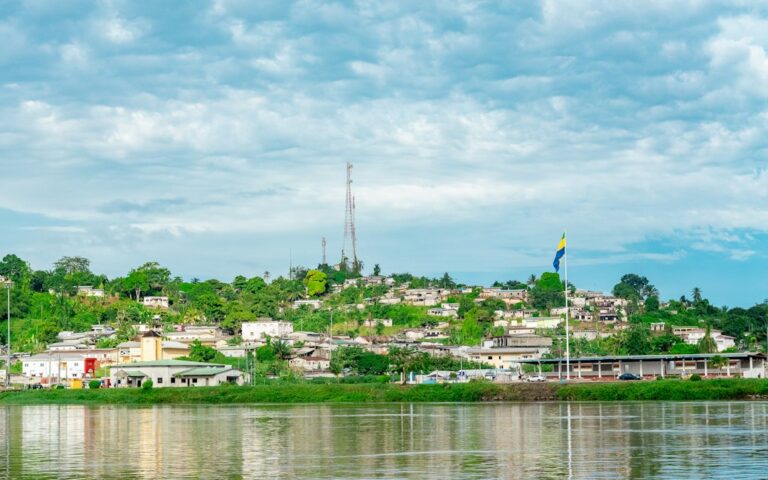
 GabonGabon is a rainforest and Atlantic-coast country in Central Africa. Learn where it is,…
DESTINATION
Luxembourg
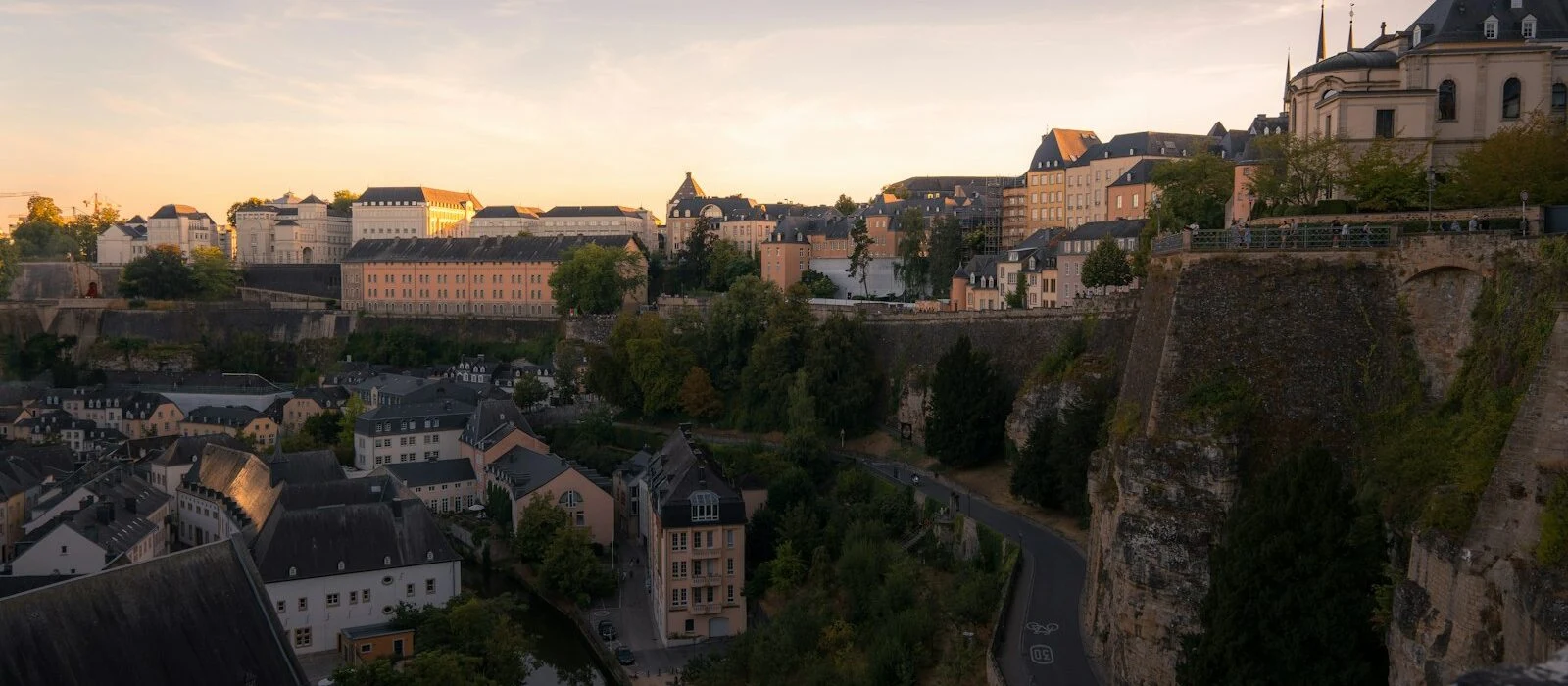
Luxembourg is a small landlocked Grand Duchy in Western Europe, known for its fortress capital, three official languages and a hearty Franco-German table.
📅 Last updated:
🌍 Quick Facts

Luxembourg at a glance
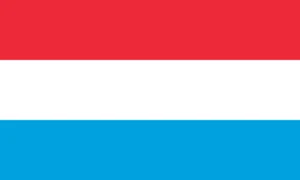
Capital: Luxembourg City
Currency: Euro (EUR)
Language: Luxembourgish, French, German
Population: About 691,000 (STATEC, 1 January 2026)
Time zone: CET (UTC+1), CEST (UTC+2) in summer
Calling code: +352
Internet domain: .lu
Main airport: Luxembourg Airport, Findel (LUX)
Best time to visit: May to September, with early autumn good for vineyards
📍 Luxembourg Map
🖼️ Luxembourg: Location, History, Culture & Food
✨ Complete Travel Guide
Where Is Luxembourg Located?
Luxembourg is a small landlocked country in Western Europe, bordered by Belgium to the west and north, Germany to the east and France to the south. Its capital and largest city is Luxembourg City, and the country covers about 2,586 square kilometres.
Last checked: November 2026
The Grand Duchy sits at the meeting point of the Germanic and Romance worlds, which explains much of its character. In the north, the Ardennes upland, known locally as the Oesling, is a region of forested hills, deep river valleys and castle towns. The south, called the Gutland, is gentler farmland, and it is where the capital and most of the population are found.
Two rivers define the eastern and southern edges. The Moselle forms the border with Germany and runs through a wine-growing area, while the Sûre (Sauer) and Our rivers cut through the north and east. In the east, the Mullerthal region is known for sandstone rocks, narrow gorges and forest trails, and it is often described as Little Switzerland. The highest point, Kneiff in the far north, rises to about 560 metres, so even the “mountains” are modest.
Because the country is so compact, no point is more than roughly 80 kilometres from the capital. That makes it easy to see very different landscapes in a short trip, and many visitors combine Luxembourg with neighbouring Belgian, German or French cities.
Introduction to Luxembourg
Luxembourg, officially the Grand Duchy of Luxembourg, is a constitutional monarchy and one of Europe’s smallest and wealthiest states. It has about 691,000 residents (STATEC, January 2026), three official languages (Luxembourgish, French and German) and uses the euro.
Last checked: November 2026
The country is a founding member of the European Union, NATO and the Benelux union, and Luxembourg City hosts several EU institutions, including the Court of Justice of the European Union. It is also a major international financial centre, so the population is unusually international, with foreign residents making up close to half of all inhabitants. Visitors often hear French, German, English and Portuguese on the same street.
For travellers, the appeal is variety in a small package. The capital combines a dramatic old town perched above river gorges with a modern European quarter, while the countryside offers castles such as Vianden and Bourscheid, hiking and cycling routes, and vineyards along the Moselle. Luxembourg is part of the Schengen Area, and the old quarters and fortifications of the capital are listed by UNESCO as a World Heritage Site.
The country is known for being safe, tidy and well organised. English is widely understood in hotels, restaurants and tourist offices, and the compact size means that day trips are realistic from almost any base.
To plan your trip, read our guides to Luxembourg visa requirements, the best places to visit, the best time to visit, 3, 5 and 7-day itineraries, where to stay, flights to Luxembourg and how to get around.
History of Luxembourg
Luxembourg’s history begins with a small castle on a rock, the Lucilinburhuc, acquired by Count Siegfried in 963. From that fortress grew a county, a duchy and eventually an independent grand duchy whose neutrality and borders were settled by the Treaty of London in 1867.
Last checked: November 2026
The position of the fortress on a steep rocky promontory made it strategically valuable, and over the centuries it was ruled in turn by the Burgundians, Spain, France, Austria and the Dutch. Luxembourg City became one of the most heavily fortified places in Europe, often nicknamed the Gibraltar of the North. When the fortifications were dismantled after 1867, large parts of the walls and casemates survived and are now a major attraction.
The modern state took shape in the nineteenth century. In 1815 the Congress of Vienna made Luxembourg a grand duchy, and in 1839 its western, French-speaking part became a province of Belgium, leaving roughly the territory seen on today’s map. The country was occupied by Germany in both world wars, and the experience strongly influenced its later commitment to European cooperation.
After 1945 Luxembourg abandoned its earlier neutrality, joined NATO and, with Belgium and the Netherlands, created the Benelux customs union. It was one of the six founding members of the European Coal and Steel Community in 1951 and of the European Economic Community in 1957. Steel dominated its economy for decades before banking and services took over from the 1970s onward.
Culture and Traditions of Luxembourg
Luxembourg’s culture blends French, German and Belgian influences with a strong sense of its own identity, expressed through the Luxembourgish language, local festivals and a proud tradition of fairs, folk customs and music.
Last checked: November 2026
Language is the clearest cultural marker. Luxembourgish, a Germanic language, is the national language, while French is used for legislation and German is common in the press. Children grow up learning all three in school, and many residents switch easily between them in a single conversation.
The festival calendar is full of long-standing traditions. National Day, celebrated on 23 June, marks the official birthday of the Grand Duke with fireworks and torchlit processions. The Schueberfouer, a large funfair held in Luxembourg City every late summer, dates back to 1340. Emaischen, a pottery market held in the capital on Easter Monday, is associated with a distinctive whistle in the shape of a small bird.
One of the most unusual customs is the Dancing Procession of Echternach, held on Whit Tuesday, in which participants hop and dance through the town in honour of Saint Willibrord. It is recognised by UNESCO as part of the intangible cultural heritage of humanity. Smaller traditions include Buergbrennen, the burning of straw bonfires in early spring, and a lively local wine culture along the Moselle, with wine festivals in late summer and autumn.
Museums and architecture reflect this layered history, from the Grand Ducal Palace in the capital to the Philharmonie concert hall and the Mudam museum of contemporary art. Luxembourg also supports a surprisingly active music and festival scene, from classical concerts to open-air summer events.
Food and Cuisine of Luxembourg
Luxembourg’s cuisine is hearty and rustic, shaped by German and French traditions: pork, potatoes, beans, river fish, cheese and Moselle wines. Many traditional dishes still carry their Luxembourgish names, so a short list of favourites is useful before you sit down.
Last checked: November 2026
Traditional food grew out of farm kitchens and cold winters, which is why smoked pork, dumplings and potato dishes are so common. Alongside this, the country’s French influence appears in pastries, sauces and fine dining, and its international population has added Portuguese, Italian and many other cuisines. Wines from the Moselle, particularly Riesling, Pinot Gris and sparkling Crémant de Luxembourg, are a natural match for local dishes.
Ten signature dishes to look for:
- Judd mat Gaardebounen: smoked collar of pork served with broad beans, often seen as the national dish.
- Bouneschlupp: a green bean soup with potatoes, bacon and cream.
- Kniddelen: soft flour dumplings, usually served with bacon and cream sauce.
- Gromperekichelcher: crispy fried potato fritters, a staple of fairs and Christmas markets.
- Träipen: Luxembourgish black pudding, traditionally served with mashed potatoes and apple sauce.
- Rieslingspaschtéit: a pork and veal pâté baked in pastry and made with Riesling.
- Bouchée à la Reine: a puff-pastry case filled with chicken and mushrooms in creamy sauce.
- Kachkéis: a soft, spreadable cooked cheese, usually eaten on bread.
- Quetschentaart: a plum tart, popular in autumn.
- Friture de la Moselle: small fried river fish served with bread and a glass of local white wine.
Restaurants in the capital, Mullerthal and the Moselle valley offer both traditional and modern versions of these dishes. Because menus often list names in Luxembourgish, French or German, staff will usually explain a dish in English if you ask.
Explore Luxembourg Travel Guides
Explore our detailed guides to plan every part of your Luxembourg trip.
Luxembourg: Best Places
A region-by-region look at Luxembourg's top places, from the fortress capital and Moselle vineyards to castles, forest trails and the Minett industrial...
View Guide ›Luxembourg: Best Time to Visit
Month-by-month weather, seasonal highlights, festivals, public holidays and packing tips to help you choose the right time for a trip to Luxembourg.
View Guide ›Luxembourg: Flights
Everything to know about flying to Luxembourg: Findel Airport, airline options, arrival steps, time zone and a pre-flight checklist for a smooth...
View Guide ›Luxembourg: How to Get Around
Free standard-class trains, trams and buses, first-class fares, driving rules, taxis and the best way to make each journey in Luxembourg.
View Guide ›Luxembourg: Itineraries
Realistic 3, 5 and 7-day Luxembourg routes with sensible overnight bases, pacing tips and advice on using the free national public transport...
View Guide ›Luxembourg: Visa
Who needs a Schengen visa for Luxembourg, how the 90-day rule works, and what the EU's EES border system and future ETIAS...
View Guide ›Luxembourg: Hotels
Choose the best base for your trip, from Luxembourg City districts to Echternach, Vianden and the Moselle, with budget, family and booking...
View Guide ›Explore Luxembourg Tours
Discover guided tours and adventures in Luxembourg. Compare itineraries, prices and traveller reviews on TourRadar before you book.
Guided tours & deals
Affiliate partner · Globe Navo may earn a commission from qualifying bookings at no extra cost to you.
❓ Luxembourg FAQ
Where is Luxembourg and what is its capital?
Luxembourg is a small landlocked country in Western Europe, bordered by Belgium, Germany and France. Its capital and largest city is Luxembourg City. The Grand Duchy covers about 2,586 square kilometres, so most places can be reached within a short journey from the capital.
What languages are spoken in Luxembourg?
Luxembourg has three official languages: Luxembourgish, French and German. Children learn all three at school, and English is widely understood in hotels, restaurants and tourist offices. You will also often hear Portuguese in daily life because of the international population.
What currency does Luxembourg use?
Luxembourg uses the euro (EUR). It is also part of the Schengen Area, so there are no routine border checks when travelling to neighbouring Belgium, France or Germany. Always check the entry rules for your own nationality before you travel.
What is Luxembourg famous for?
Luxembourg is known for its fortress capital, whose old quarters and fortifications are a UNESCO World Heritage Site, plus castles such as Vianden and Bourscheid, Moselle vineyards and its role as a European Union and international financial centre.
What is the national dish of Luxembourg?
Judd mat Gaardebounen, smoked collar of pork served with broad beans, is often seen as the national dish. Other favourites include Bouneschlupp green bean soup, Kniddelen dumplings and Rieslingspaschtéit pâté, which pair well with Moselle wines such as Riesling.
Plan Your Trip to Luxembourg
Your Next Adventure in Luxembourg Awaits!
Explore Deals →🎁 Best deals for Luxembourg
Offers from trusted travel stores for your Luxembourg trip. Compare a few options before you book, and check each store's terms for the final price.
Browse by type: Hotel deals · Flight deals · Travel eSIM · Car rental
More destinations to explore
GabonGabon is a rainforest and Atlantic-coast country in Central Africa. Learn where it is,…
 MonacoMonaco is a tiny principality on the French Riviera, known for its harbour, royal…
 IndiaIndia travel guide covering where India is, what it is known for, its history,…